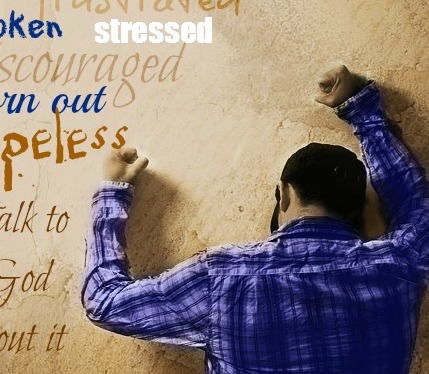
OneWordStudy+FollowThe Bible Knows What It’s Like to Be Tired of Believing There is a kind of exhaustion that comes after decades of faith. Not doubt. Not rebellion. Just weariness. Isaiah uses yaga—a word meaning worn down from long labor. Not from sin. From endurance. This tiredness is never condemned in Scripture. It’s named. Repeatedly. If belief feels heavier now than it did before, you’re not drifting—you’re carrying weight. God doesn’t shame tired believers. He speaks to them softly. #SpiritualFatigue #HebrewInsight #LongFaith #BibleDepth #ChristianAging494Share
How Are You Feeling+FollowTo anyone who has believed for decades—and is quietly tired I didn’t lose my faith. I lost my energy for pretending it still feels new. After years of believing, enthusiasm fades. What’s left is routine, responsibility, and showing up even when nothing stirs inside. That’s why Abraham’s later years matter more than his calling story. By the time God repeats His promise, Abraham is old. Tired. Still waiting. Scripture doesn’t describe excitement anymore—only endurance. Faith has become something he carries, not something that carries him. If long faith has left you weary, you’re not drifting. You’re aging inside belief itself. And the Bible treats that season with quiet dignity, not correction. #LongFaith #SpiritualFatigue #Abraham #ChristianAging #FaithOverTime132Share
DidYouKnow+FollowTo anyone who feels disappointed after doing everything right I stayed faithful. I prayed. I showed up. I didn’t walk away. And still, the outcome hurt. That’s why Job’s middle chapters matter more than his ending. Job keeps insisting there’s a mismatch between his faithfulness and his suffering. He’s not claiming perfection. He’s naming a gap. The Bible never tells him that gap is imaginary. If you feel disappointed today—not because you rejected God, but because you trusted Him—Scripture says this gently: your pain doesn’t mean your faith failed. It means you took God seriously. #FaithAndDisappointment #Job #BiblicalDepth #LongFaith #ChristianHonesty172Share
How Are You Feeling+FollowTo anyone who feels disappointed with God after doing everything right I did what I was taught to do. I stayed faithful. I prayed. I showed up. I didn’t walk away when it got hard. And still, things didn’t turn out the way I hoped. That’s why the story of Job matters more to me now than it ever did before. Not the beginning. Not the ending. But the middle—where Job keeps saying he didn’t do anything to deserve this. In Hebrew, Job’s language is careful. He isn’t claiming perfection. He’s saying there is a gap between faithfulness and outcome. The Bible never corrects him for noticing that gap. God responds later, but He never says Job imagined the unfairness. If you feel disappointed today—not because you rejected God, but because you trusted Him—Scripture tells you this: disappointment is not rebellion. It is often the cost of taking faith seriously for a long time. #FaithAndDisappointment #Job #BiblicalDepth #LongFaith #ChristianHonesty23839Share
OneWordStudy+FollowOne Greek word changed how I see endurance. In English, endurance sounds heroic. Like pushing harder and never slowing down. But the Greek word makrothymia means long-tempered. Literally, slow to boil. It describes someone who has learned to live with tension. Without exploding. Without quitting. This matters when life hasn’t improved, just continued. When endurance feels boring instead of brave. Scripture honors this kind of endurance quietly. Not because it looks strong, but because it lasts. Makrothymia says endurance doesn’t need applause to be real. #BibleStudy #GreekWord #Endurance #LongFaith #ChristianLife70Share
OneWordStudy+FollowOne Greek word changed how I think about obedience. In English, obedience sounds forced. Doing what you are told, even when you don’t want to. But the New Testament often uses the word hypakoē. It means to listen from underneath. Obedience here begins with listening. Not agreement. Not enthusiasm. But attention. This matters when obedience feels tiring. When you’ve followed God for decades and still don’t feel rewarded for it. Hypakoē does not describe blind compliance. It describes staying attentive, even when clarity is thin. Scripture honors obedience not because it is loud, but because it keeps listening when silence would be easier. #BibleStudy #GreekWord #Obedience #ListeningFaith #LongFaith223Share