Tag Page Legacy

#Legacy
LataraSpeaksTruth

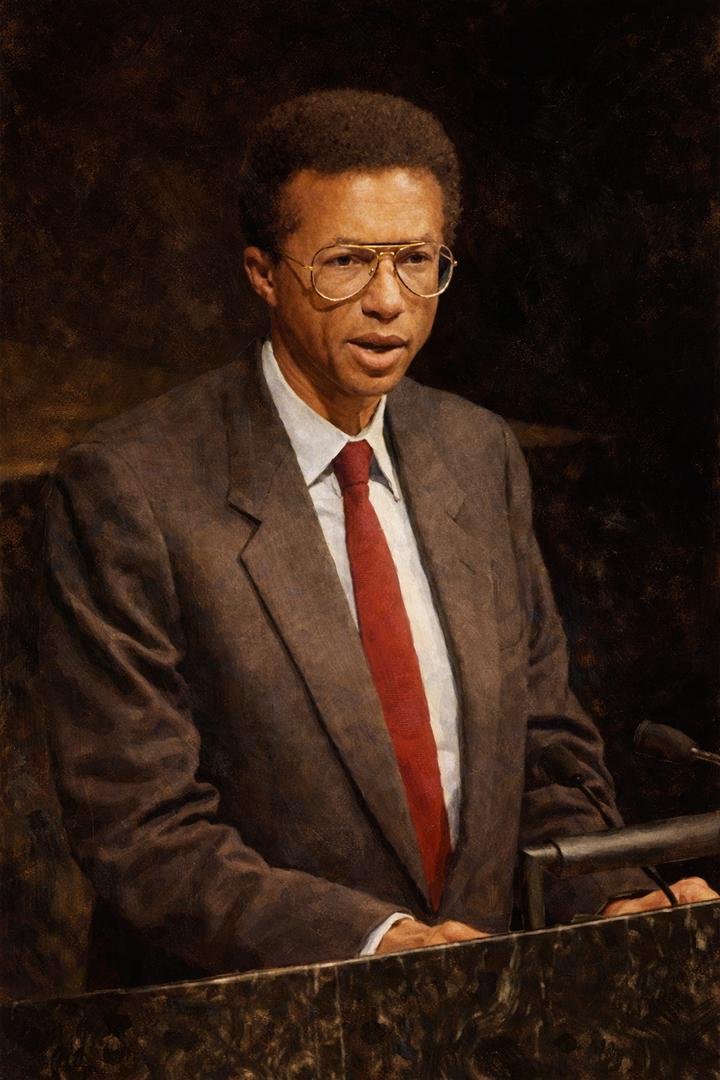
On January 28, 1970, tennis star Arthur Ashe was denied entry to compete in the South African Open after being selected for the U.S. team. The denial was not about his talent. It was about his voice. Ashe had been outspoken in his opposition to South Africa’s apartheid system, openly criticizing racial segregation and inequality. South African officials refused to grant him a visa, making it clear that his stance, not his skill, was the issue. This moment exposed how deeply politics and discrimination were woven into international sports. At the time, Ashe had not yet become the first Black man to win Wimbledon, a milestone he would achieve in 1975. But this denial marked him as more than an athlete. It positioned him as a global figure willing to sacrifice opportunity for principle. Ashe continued to advocate for human rights throughout his life, using his platform to address injustice both on and off the court. His exclusion in 1970 stands as evidence that progress often comes with a cost, especially for those who refuse to stay silent. Arthur Ashe’s legacy is not only measured in trophies, but in courage. #January28 #ArthurAshe #SportsHistory #AthleteActivism #GlobalHistory #PrincipleOverComfort #Legacy

LataraSpeaksTruth

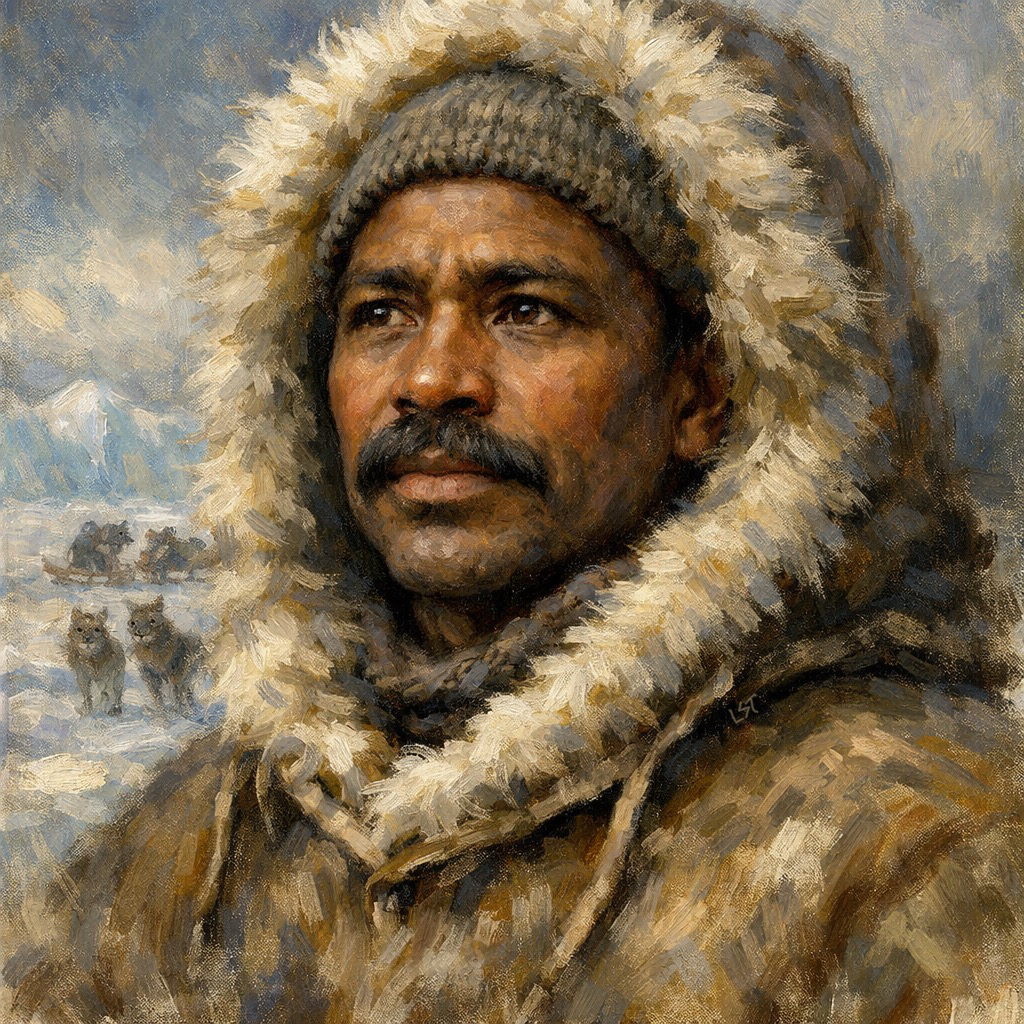
On January 28, 1944, Matthew Henson received a Special Medal of Honor from the U.S. Congress, jointly awarded with Admiral Robert E. Peary, recognizing their roles in the 1909 Arctic expedition that claimed the first successful arrival at the North Pole. The recognition came thirty-five years after the expedition and decades after Henson’s contributions had been minimized or excluded from mainstream accounts. While Peary was celebrated almost immediately, Henson was largely left out of textbooks, honors, and public memory during his lifetime. Henson was not a peripheral figure on the expedition. He was one of its most indispensable members. He mastered Arctic survival techniques, learned the Inuit language, built and repaired sleds, handled dog teams, and navigated some of the most dangerous terrain. Peary himself acknowledged that he depended heavily on Henson’s skill and endurance to complete the journey. When the team reached the North Pole in April 1909, multiple accounts indicate that Henson may have been among the first to arrive at the site. Despite this, official credit centered almost exclusively on Peary for many years. After returning from the Arctic, Henson worked modest jobs and lived without the recognition granted to other expedition members. The 1944 Congressional medal did not erase decades of exclusion, but it marked a formal acknowledgment by the federal government that his role could no longer be ignored. Matthew Henson’s legacy reminds us that exploration is not defined solely by who claims victory, but by who possesses the knowledge, skill, and resilience to make success possible. His contributions endured even when recognition came far too late. #January28 #MatthewHenson #ExplorationHistory #ArcticExploration #USHistory #ScienceAndDiscovery #HiddenFigures #Legacy

LataraSpeaksTruth

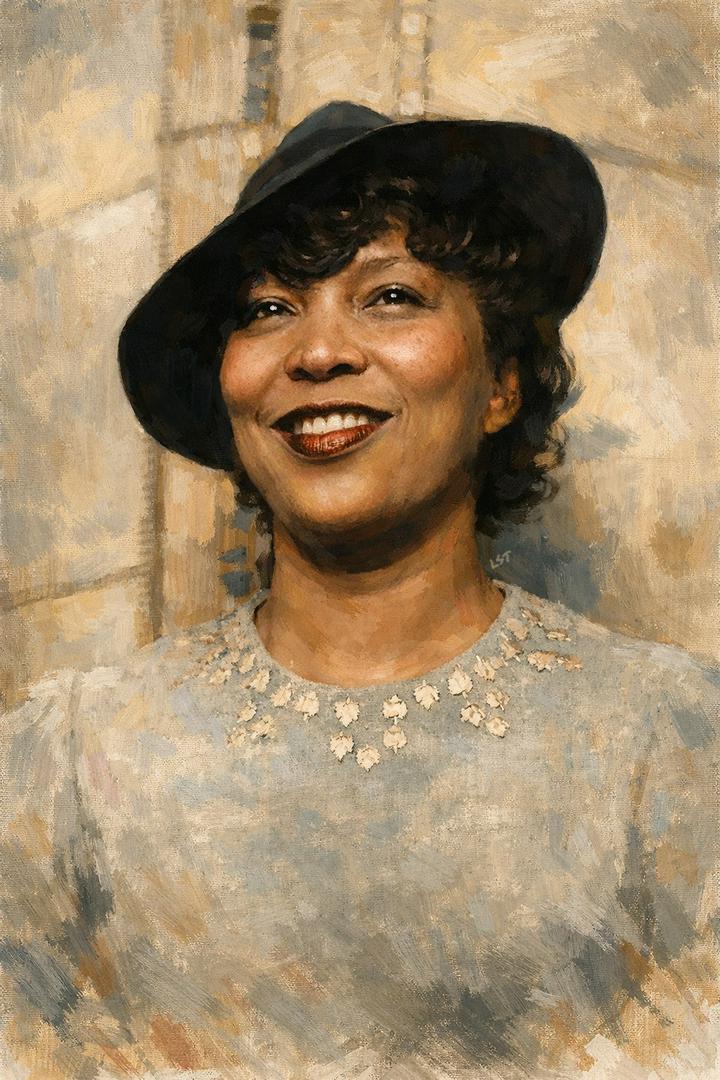
Zora Neale Hurston passed away on January 28, 1960, in Fort Pierce, Florida, at the age of 69. The woman whose words captured the rhythm, humor, faith, and inner lives of Black communities died quietly, far removed from the literary acclaim she deserved. Her cause of death was hypertensive heart disease, after years of declining health and financial hardship. By the end of her life, Hurston was working as a maid and substitute teacher, living in near poverty despite having authored some of the most influential works of the Harlem Renaissance At the time of her death, Hurston’s work had fallen out of favor. Literary tastes had shifted, and her refusal to write protest literature or conform to political expectations left her marginalized. She chose to preserve culture rather than perform it for approval, and that independence came at a cost. When she died, there were no major headlines, no national mourning, and little recognition of what had been lost Hurston was buried in an unmarked grave at the Garden of Heavenly Rest cemetery. For more than a decade, her resting place remained anonymous, mirroring how her legacy had been treated. It wasn’t until the 1970s that writer Alice Walker sought out her grave and placed a marker that read, “A Genius of the South.” That moment helped spark a revival of Hurston’s work and restored her place in American literature Today, Zora Neale Hurston is celebrated as a visionary writer, anthropologist, and cultural archivist. Her novels, essays, and folklore collections are studied around the world. Her death serves as a reminder that brilliance is not always honored in real time. Sometimes history neglects its truth-tellers… then spends decades trying to catch up #ZoraNealeHurston #January28 #HarlemRenaissance #LiteraryHistory #BlackWriters #AmericanLiterature #CulturalPreservation #ForgottenGenius #Legacy #OnThisDay
LataraSpeaksTruth

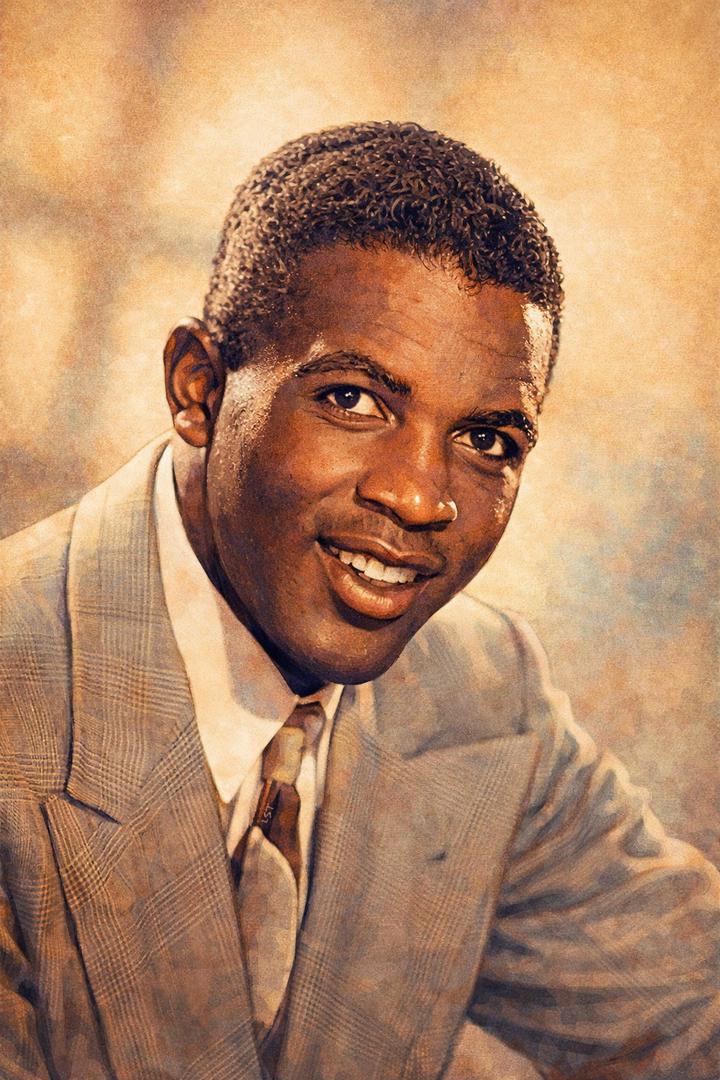
On January 23, 1962, Jackie Robinson was elected to the National Baseball Hall of Fame, becoming the first Black player ever inducted. The announcement marked more than a personal achievement…it was institutional acknowledgment of a man who changed the structure of American sports and forced the nation to confront itself. Robinson’s career with the Brooklyn Dodgers lasted just ten seasons, but its impact was permanent. When he broke Major League Baseball’s color barrier in 1947, he entered a league that was not prepared to accept him and often hostile toward his presence. He endured abuse from fans, opposing players, and even teammates, while being expected to respond with restraint, discipline, and excellence. He did all three. On the field, Robinson was relentless. Rookie of the Year. Six-time All-Star. National League MVP. World Series champion. But statistics alone cannot explain why his election mattered. Robinson represented a shift in who was allowed to belong, who could lead, and who could be honored by America’s most guarded institutions. His Hall of Fame election came while he was still alive, still outspoken, and still pushing for civil and economic equality beyond baseball. It was not a sentimental gesture…it was a recognition that the game itself had been transformed by his courage. Cooperstown could no longer tell its story honestly without him. Jackie Robinson did not just open a door. He stood in the doorway long enough for others to walk through, even when the cost was high. History remembers January 23, 1962 as the moment baseball formally admitted what the world already knew…the game would never be the same. #JackieRobinson #OnThisDate #BaseballHistory #HallOfFame #SportsHistory #AmericanHistory #Legacy #HistoryMatters

LataraSpeaksTruth

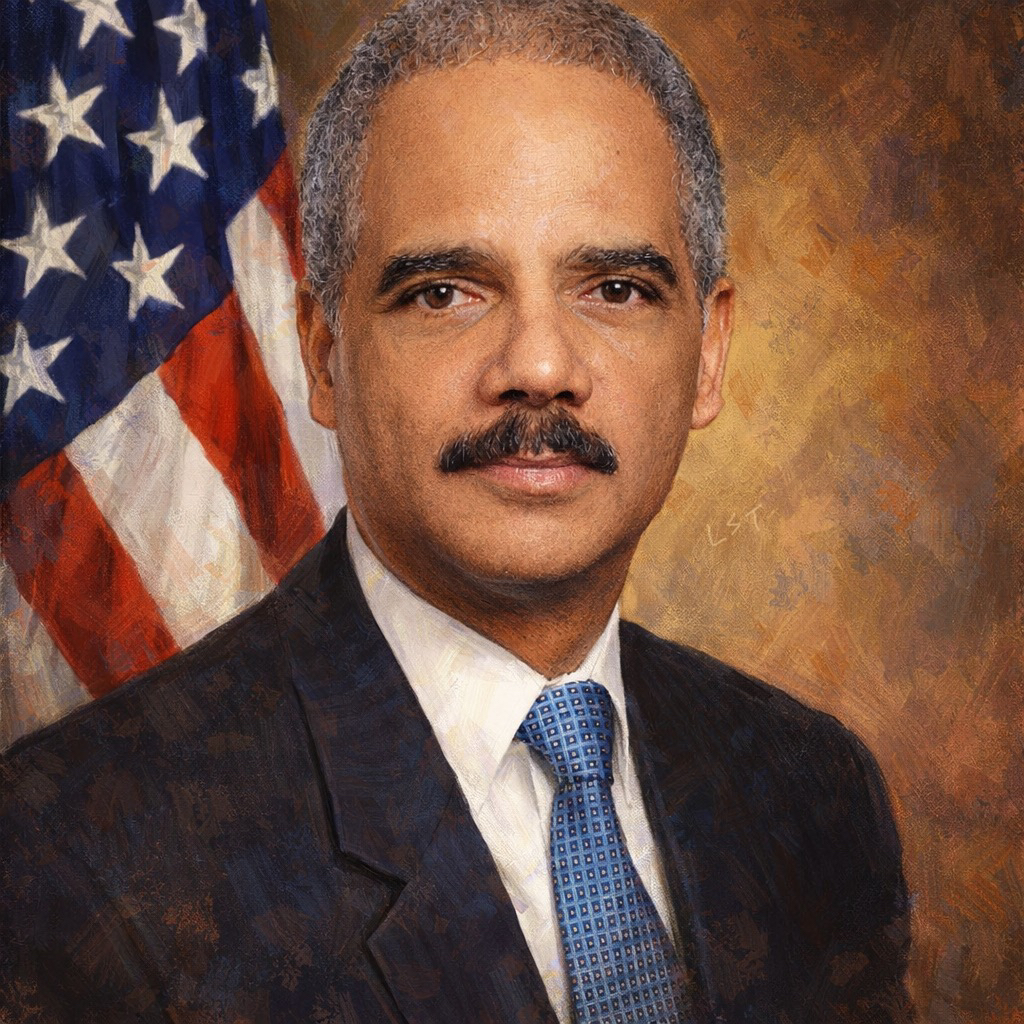
Today marks the birthday of Eric H. Holder Jr., born January 21, 1951, a public servant whose career steadily reshaped the highest levels of American law. Raised in New York City, Holder’s path was grounded in discipline, academic rigor, and a belief that justice should be applied with both firmness and fairness. After earning his law degree from Columbia University, he entered public service and built his career within the Department of Justice, where he became known for his seriousness, integrity, and measured approach to the law. He was not a figure driven by spectacle, but by consistency and institutional responsibility. In 2009, Holder made history as the first Black Attorney General of the United States, serving under President Barack Obama during a period of heightened political division and legal scrutiny. His tenure emphasized civil rights enforcement, voting protections, and a reassessment of long-standing criminal justice policies that had shaped American society for generations. At a time when confidence in public institutions was being openly challenged, Holder’s leadership represented a shift in representation and authority at the federal level, expanding the visible boundaries of who could hold power within the justice system. After leaving office in 2015, Holder remained active in public life, continuing to advocate for fair representation and civic participation. His work beyond government reinforced the idea that leadership and public responsibility extend beyond official titles. On his birthday, Eric H. Holder Jr. stands as a reminder that lasting influence is built over decades through steady service, careful use of authority, and a long-term commitment to democratic principles. His legacy continues to shape conversations about law, representation, and accountability in the United States. #EricHolder #OnThisDay #LegalHistory #PublicService #AmericanJustice #Leadership #HistoricFirst #JusticeMatters #CivilRights #VotingRights #Legacy

Dashcamgram

This moment has boxing and hip-hop fans talking. Floyd Mayweather Jr. reportedly had high praise for NBA YoungBoy’s son, saying the young fighter is destined to become a world champion. Coming from one of the greatest boxers of all time, that’s not a casual compliment. People are split on whether this is early hype or a genuine glimpse into the future. Some believe natural talent paired with elite mentorship can shape greatness early, while others argue kids should be allowed to grow without championship expectations attached to their names. Either way, Mayweather’s words carry weight—and they’ve put a spotlight on the next generation before most of us even knew to look. Is this the birth of a future champ… or pressure too soon? Only time will tell, but the conversation is already buzzing. #FloydMayweather #NBAYoungBoy #NextGeneration #BoxingTalk #SportsDebate #Legacy

LataraSpeaksTruth

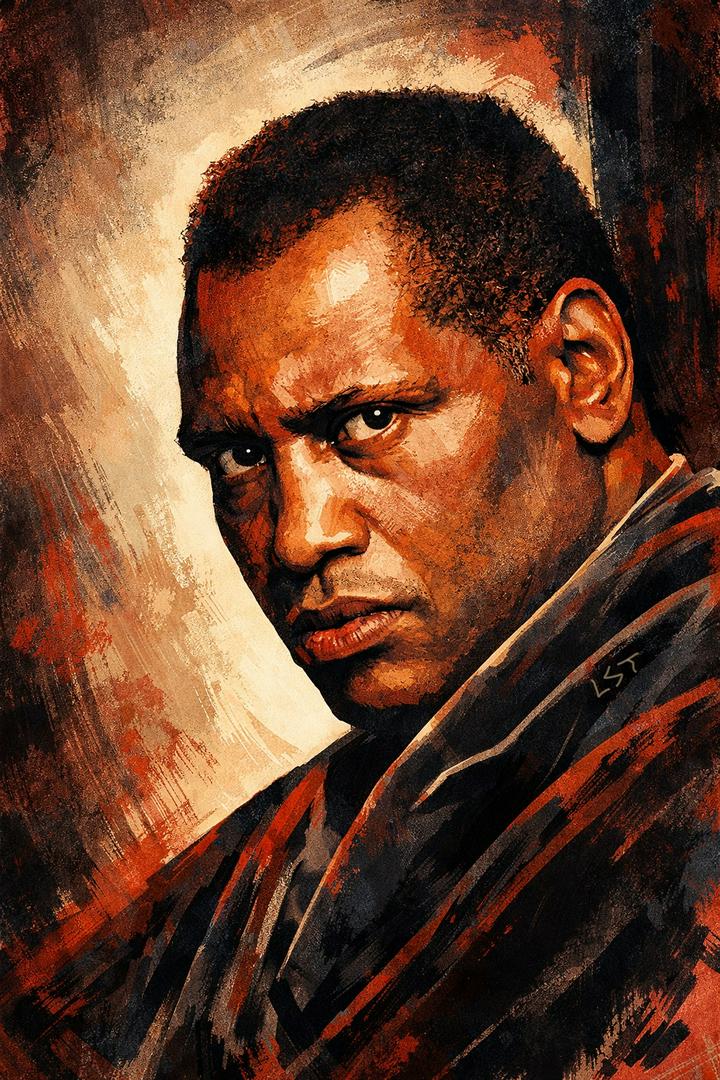
Paul Robeson was a reminder of what happens when extraordinary talent refuses to stay obedient. Robeson was never just one thing. He graduated from Rutgers University as valedictorian and became an All American athlete at a time when excellence from Black Americans was tolerated only when it stayed quiet and contained. He later emerged as a world renowned singer whose powerful bass voice filled concert halls across Europe, where audiences recognized his brilliance even as the United States struggled to acknowledge it. He was also a celebrated actor who expanded what presence, authority, and dignity could look like on stage and screen. That level of achievement could have secured comfort, wealth, and a carefully protected legacy. Many would have taken that deal. Robeson did not. He chose truth over approval. He spoke openly about racial violence in the United States and connected it to colonial oppression abroad. He challenged fascism overseas while calling out hypocrisy at home. He rejected the idea that freedom could exist if it was selectively applied. To Robeson, democracy without equality was performance, not principle. That honesty carried consequences. The U.S. government revoked his passport. Concert venues closed their doors. Media outlets erased his name. His work was sidelined, his reputation deliberately distorted, and his voice muted, not because he lacked talent, but because his influence made power uncomfortable. Robeson understood something that still unsettles people today. Culture is political whether it admits it or not. Art without conscience is decoration. Dignity does not require permission. His life forced America to confront its contradictions. He paid a heavy price for refusing to bend, but history has a long memory. Voices rooted in truth do not disappear. They endure. They return. They echo. #PaulRobeson #BlackHistory #HiddenHistory #AmericanHistory #TruthTellers #CulturalHistory #Legacy #HistoryMatters #VoicesThatEcho

Dashcamgram

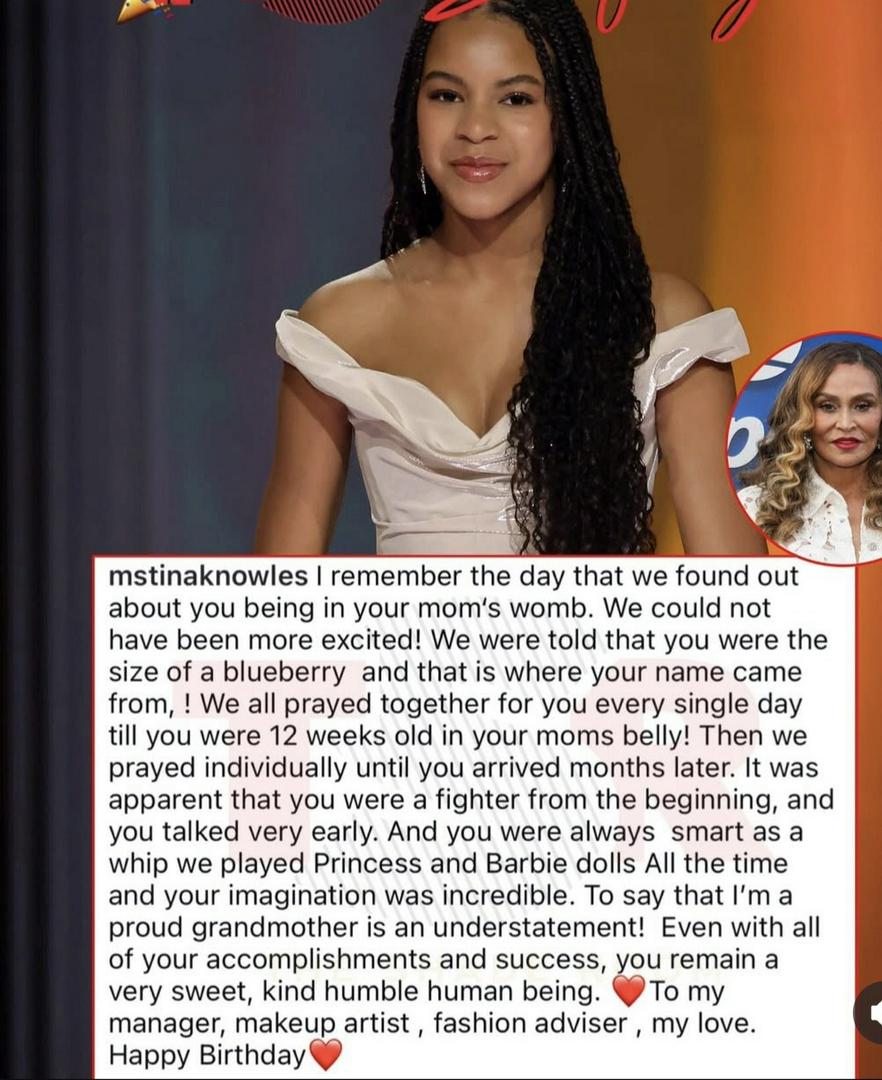
Aww, this is pure love 💙 Tina Knowles shared a heartfelt message celebrating her granddaughter Blue Ivy Carter on her 14th birthday, and it has people emotional. From the moment the family learned she was “the size of a blueberry,” Tina says they prayed over her daily, already seeing her as a fighter from the very beginning. She reflected on Blue Ivy’s early intelligence, creativity, and imagination — from playing princess and Barbie to growing into someone who remains kind, humble, and grounded despite her accomplishments. Tina described her not just as a granddaughter, but as her manager, makeup artist, fashion adviser, and love — a reminder of how close their bond truly is. Moments like this show the human side behind fame: a grandmother’s pride, family prayers, and unconditional love that started long before the spotlight. It’s a beautiful reminder that no matter how big the name, family still means everything. #TinaKnowles #BlueIvyCarter #FamilyLove #GrandmotherPride #CelebrityFamily #SweetMoment #BirthdayLove #Legacy #Heartwarming

LataraSpeaksTruth

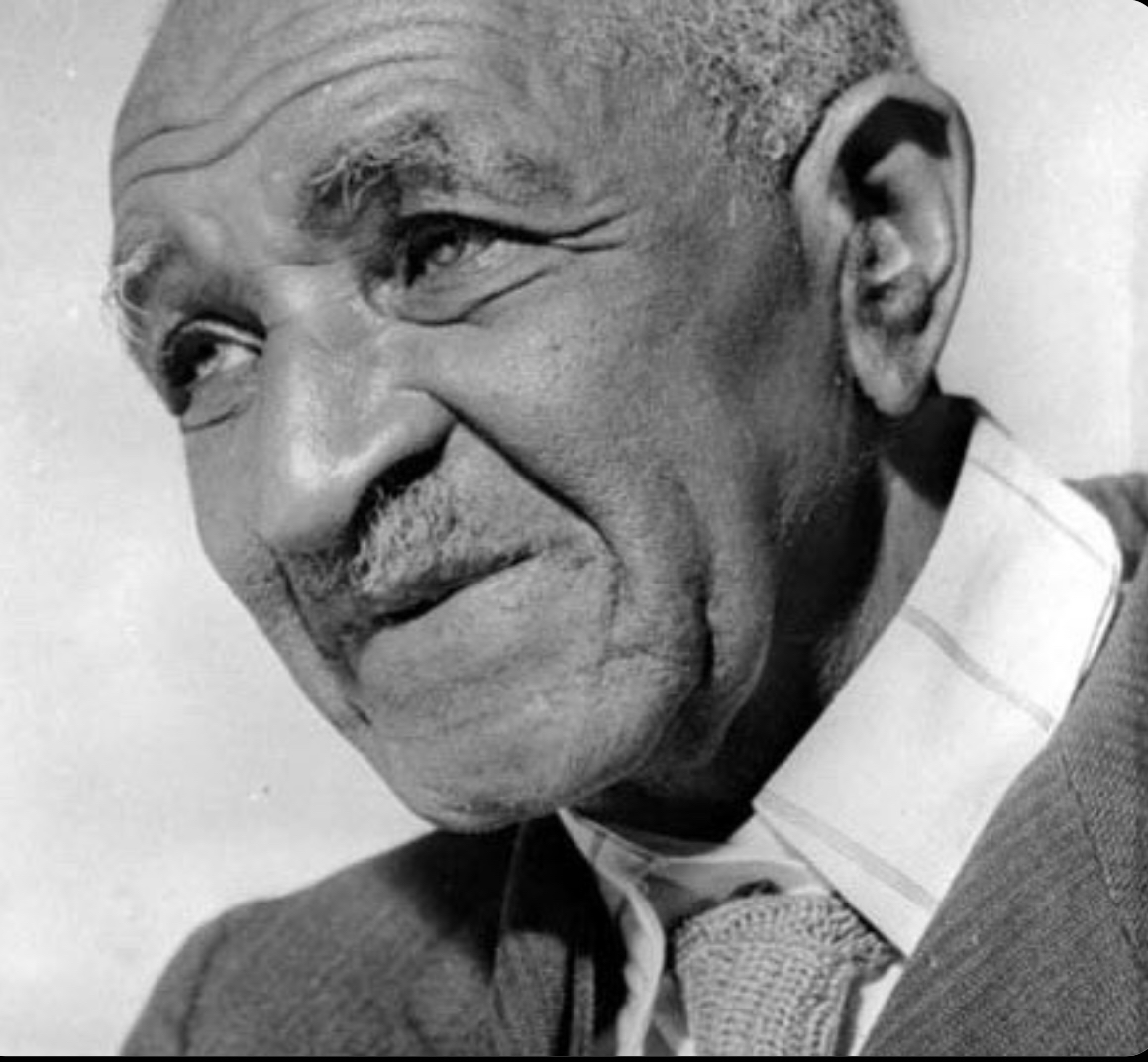
On January 5, 1943, George Washington Carver passed away in Tuskegee, Alabama. He did not leave this world in some distant, unreachable past. He died in a time that still overlaps with living memory. When Carver took his final breath, my grandmother was nine years old. And my grandmother is still here. That fact alone changes how his story feels. It collapses the distance between history and now. Carver was not just a figure from textbooks or black and white photographs. He lived in a world that still exists through the elders among us. He walked the same country they did. He shared the same century. His lifetime touches ours through them. Seeing his image in color makes that reality even harder to ignore. The lines in his face, the calm in his expression, the unmistakable presence of a man who was fully here. Not symbolic. Not abstract. Real. Brilliant. Human. It forces a pause and a reckoning with how close greatness actually is. Carver devoted his life to knowledge, education, and service. He chose impact over profit and purpose over recognition. His work continues to shape agriculture and science, but this moment reminds us of something quieter and just as powerful. History is not as far away as we think. Sometimes it is only one generation removed, living right beside us, waiting for us to notice. #GeorgeWashingtonCarver #LivingHistory #OnThisDay #January5 #AmericanHistory #Legacy #Tuskegee #HistoryFeelsDifferent #ThenAndNow

LataraSpeaksTruth

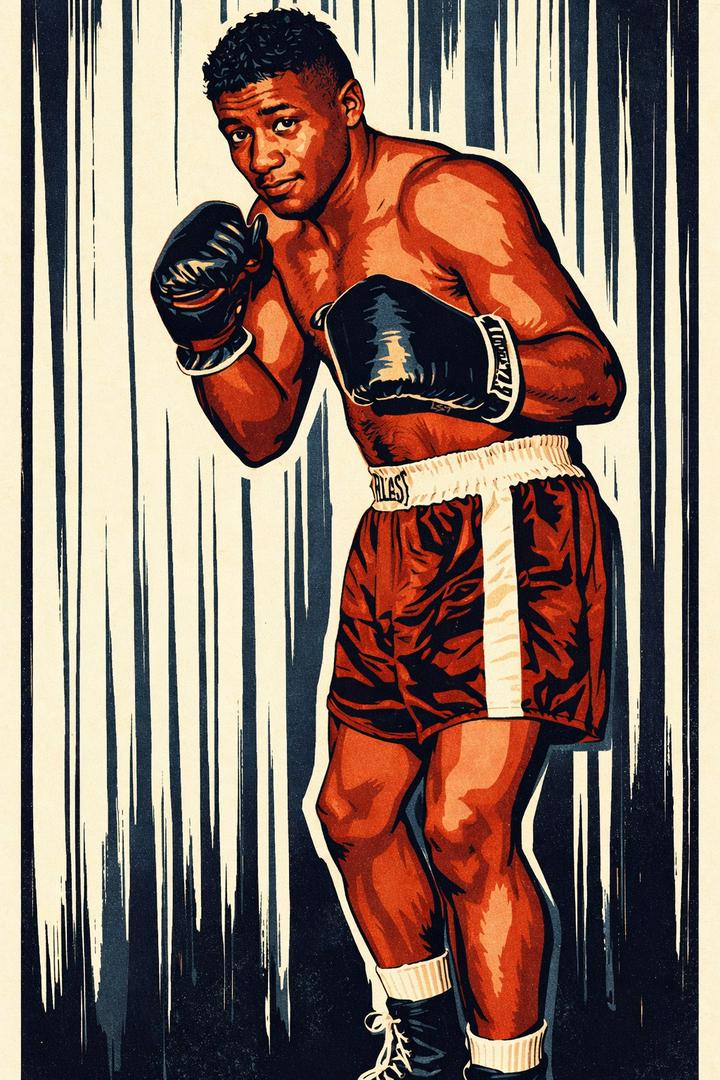
January 4 marks the birth of Floyd Patterson, born January 4, 1935, a champion whose legacy is often quieter than it deserves to be. Patterson rose from a troubled childhood to become the youngest heavyweight champion in boxing history at just 21 years old, a record that stood for decades. He wasn’t loud, cruel, or theatrical. He fought with precision, speed, and discipline, representing an older tradition of boxing rooted in craft rather than spectacle. In a sport that rewarded intimidation, Patterson carried himself with humility, which made him both admired and misunderstood. His career is often framed around his losses to Sonny Liston, but that framing misses the larger truth. Patterson became the first heavyweight champion in history to lose the title and later reclaim it, a feat that required resilience most champions never have to test. Outside the ring, he was thoughtful and deeply affected by criticism, yet he continued to fight, train, and show up anyway. Floyd Patterson proved that strength does not always announce itself and that greatness does not require cruelty to be real. January 4 is not empty history. It belongs to a man who showed that dignity could survive even in the most unforgiving arena. #January4 #OnThisDay #FloydPatterson #BoxingHistory #HeavyweightChampion #SportsHistory #AmericanHistory #BlackHistory #Legacy #Resilience