Tag Page IndigenousHistory

#IndigenousHistory
Hatter Gone Mad

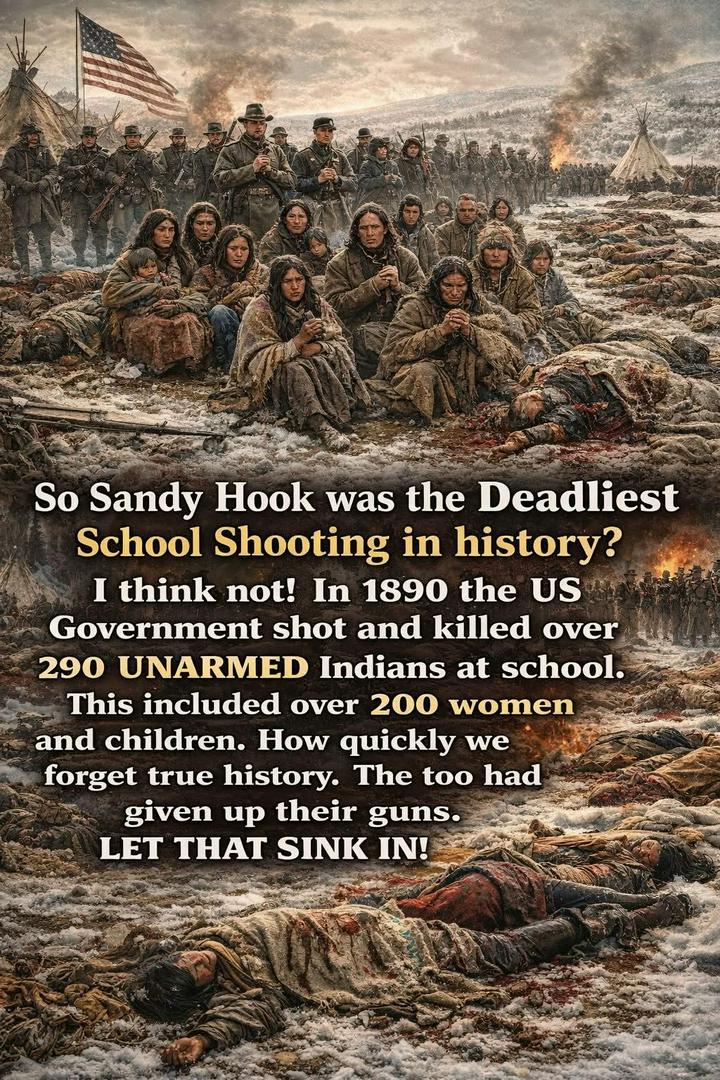
History is not always comfortable — but it must be remembered. In 1890, one of the darkest chapters in American history unfolded: the Wounded Knee Massacre. Hundreds of Lakota Native Americans — many of them women and children — were surrounded by U.S. cavalry during a forced disarmament. What was supposed to be a peaceful process turned into chaos and then mass killing. More than 290 unarmed Native people lost their lives. Families were torn apart. Children and elders were caught in the violence. This was not a battlefield — it was a community. This image is not about comparison for shock value. It is about memory, truth, and accountability. Too often, Indigenous history is reduced to footnotes or erased entirely. When we forget events like Wounded Knee, we repeat the same mistakes — silence becomes permission, and ignorance becomes comfort. Remembering history does not mean hating a nation. It means respecting the lives that were taken and learning from the past so it is never repeated. Truth matters. Memory matters. History matters. Let that sink in. 🔥 #TrueHistory #WoundedKnee #IndigenousHistory #fbrepost

Hatter Gone Mad

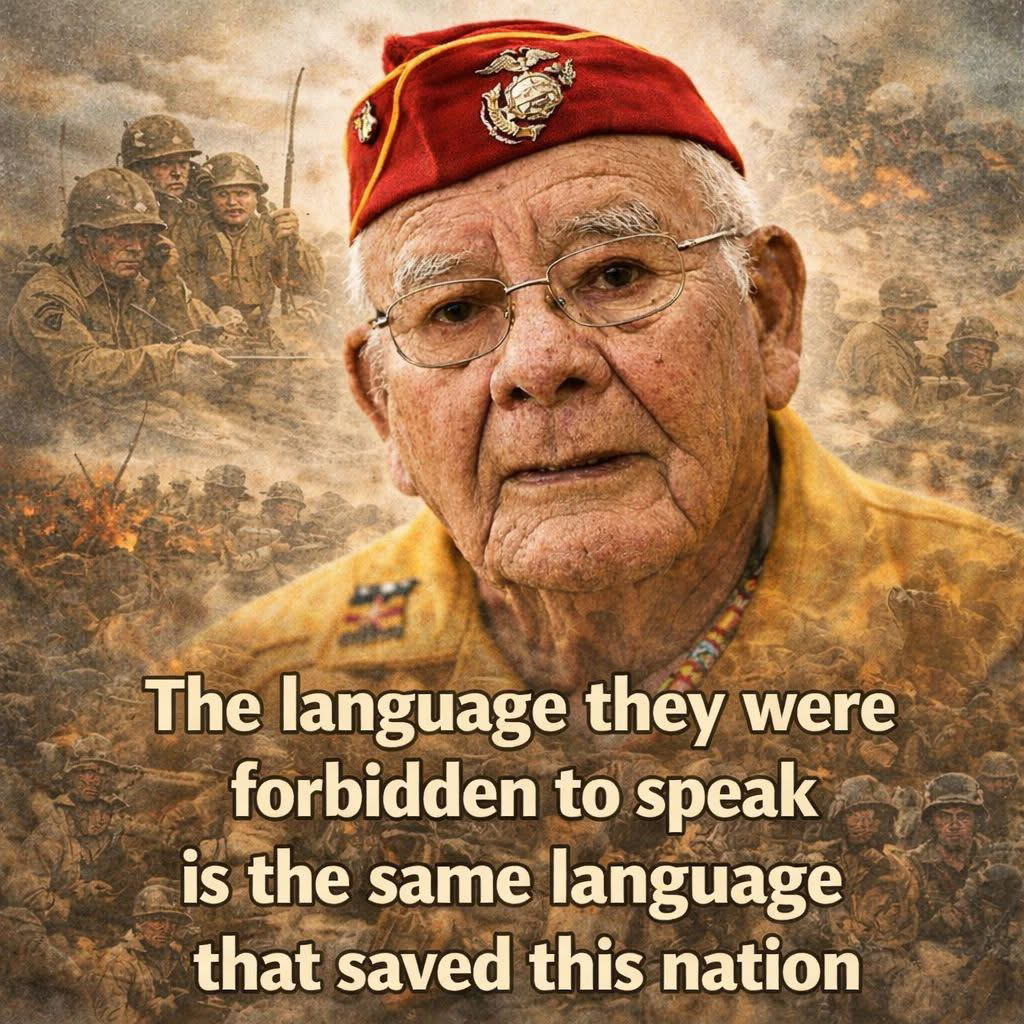
Once, their language was silenced. Children were punished for speaking it. Their words were called “wrong.” Yet during World War II, that same language became a shield. A code so complex that it could not be broken. A voice that helped save thousands of lives and protect a nation. These were the Navajo Code Talkers — brave men of the Navajo Nation who used their native language to create an unbreakable code for the U.S. Marines. For decades, their contribution remained classified and their sacrifices went largely unrecognized. But history remembers the truth: The language they were once forbidden to speak became the language that helped win a war. This is not just a story of war. It is a story of resilience, identity, and dignity. A reminder that cultures should never be erased — because what is silenced today may save lives tomorrow. Honor. Remember. Respect. #NavajoCodeTalkers #IndigenousHistory

LataraSpeaksTruth

After entanglement came enumeration. Once African and Indigenous lives had become interwoven through kinship, labor, and survival, the United States increasingly worked to redefine identity through records. Belonging was no longer shaped by community recognition or lineage alone. It was filtered through federal documentation. In the late nineteenth and early twentieth centuries, the federal government introduced enrollment systems meant to dismantle communal landholding and reshape tribal citizenship. Among the most consequential were the Dawes Rolls, which classified members of the Five Civilized Tribes for allotment. These rolls did not simply record identity. They decided it. Families were divided into categories such as “by blood,” “freedmen,” and “intermarried,” often based on appearance, rumor, local testimony, or the judgment of federal enumerators. African ancestry was frequently used to justify separation, even when Indigenous lineage was known and affirmed within the community. Once written into the rolls, these classifications carried lasting legal and political consequences. This process marked a shift from lived entanglement to bureaucratic exclusion. Kinship recognized by community could be overridden by paperwork. Identity could be diminished without physical removal. The record became the authority. #DawesRolls #Enumeration #IndigenousHistory #BlackIndigenous #SettlerColonialism #ArchivalViolence #IdentityAndPower

LataraSpeaksTruth

After sustained European contact along the African coast, forced transport carried Africans into the Caribbean, Central America, and parts of South America under Spanish and Portuguese rule. These were Indigenous lands already destabilized by conquest, disease, and forced labor. Africans entered the Americas inside an existing colonial crisis. Early colonies relied heavily on Indigenous enslavement for mining, plantations, and tribute. Violence, displacement, and epidemics drove steep population loss. As that labor base was destroyed, colonizers expanded the purchase and trafficking of African captives to meet production demands. This was a policy shift tied to profit, not a natural transition. Africans and Indigenous peoples met under coercion. Sometimes they labored side by side. Sometimes they were pushed into conflict by colonial control. In some regions, Africans escaped and found refuge with Indigenous nations. In others, both groups were targeted by the same legal regimes. The pattern varied by place, but the power structure did not. Racial categories were still developing. Status laws differed across colonies and changed over time. Before hereditary racial slavery hardened, identity could be more fluid, though never equal. These early collisions shaped later racial slavery, land seizure, and the regulation, or denial, of mixed communities. #ColonialHistory #AfricanDiaspora #IndigenousHistory #AtlanticWorld #EarlySlavery #History

LataraSpeaksTruth

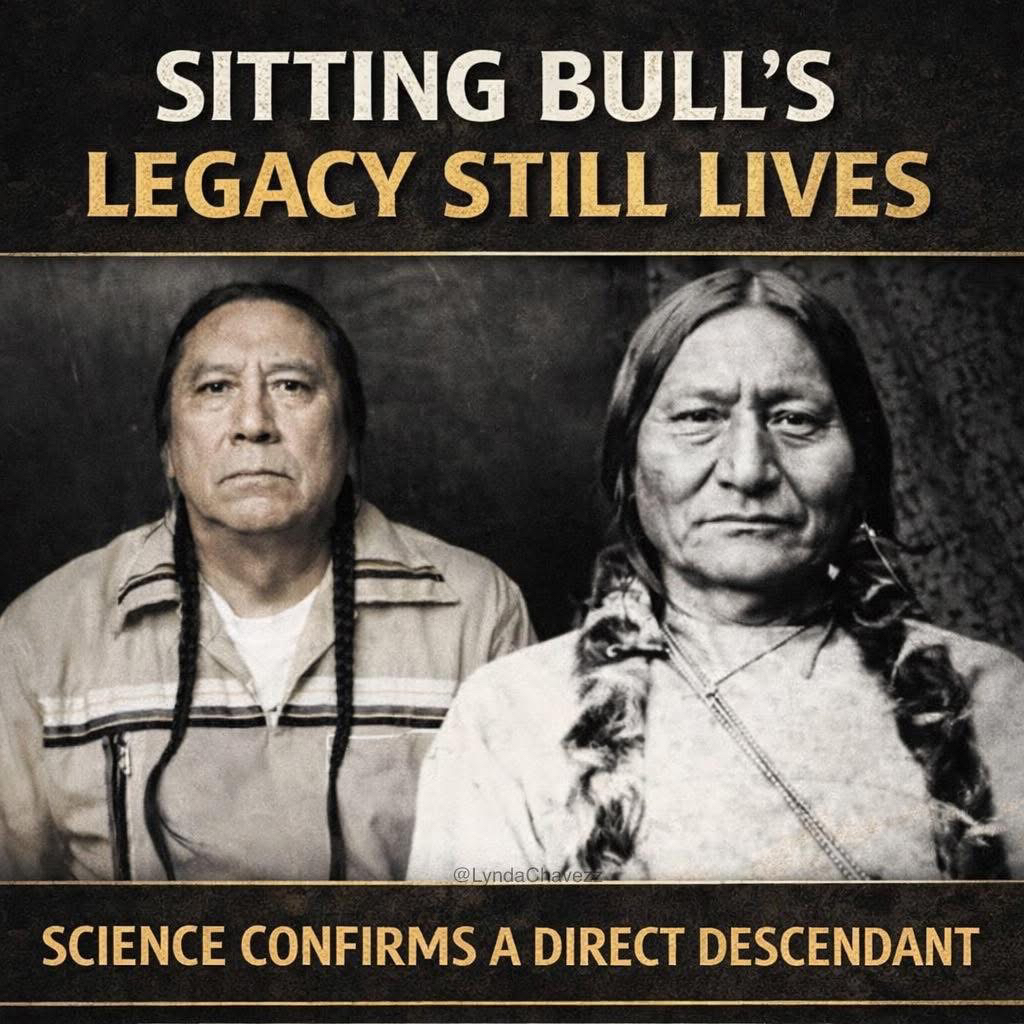
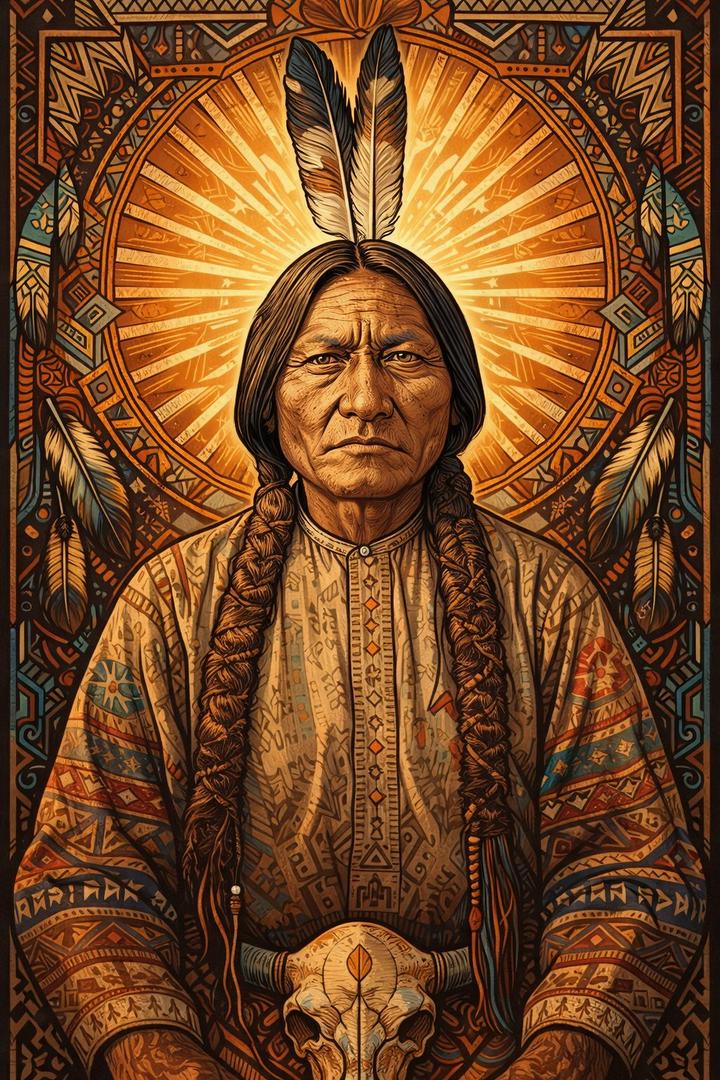
Sitting Bull was a Hunkpapa Lakota leader whose influence extended across spiritual, political, and community life during the late 19th century. Born around 1831, he became widely known for refusing to sign treaties that transferred Lakota land to the United States, particularly after earlier agreements were violated. His opposition centered on the belief that treaties were binding commitments and that forced relocation undermined their legitimacy. Sitting Bull’s leadership was rooted in consensus rather than formal military authority. While he was associated with resistance during the Plains conflicts of the 1870s, his influence continued well into the reservation era, after large-scale armed resistance had ended. By the late 1880s, Lakota communities were facing severe hardship caused by ration reductions, confinement, and federal assimilation policies. During this period, the Ghost Dance movement spread among several Native nations. Sitting Bull was not a leader of the movement and did not promote violence, but federal officials viewed his continued influence as a concern amid rising tensions. Surveillance of his activities increased as authorities sought to suppress perceived instability. On December 15, 1890, U.S. Indian police attempted to arrest Sitting Bull at the Standing Rock Reservation. The arrest was carried out based on concerns about maintaining order rather than any specific criminal charge. Violence broke out during the encounter, and Sitting Bull was killed. No formal inquiry followed to examine the decision-making that led to his death. His killing did not ease tensions in the region. Instead, instability increased in the weeks that followed, contributing to further military action against Lakota communities. Sitting Bull’s life and death reflect the broader conflict between Native sovereignty and U.S. expansion during a period defined by treaty violations and enforced control. #SittingBull #Lakota #NativeHistory #USHistory #IndigenousHistory

You've reached the end!