Tag Page HistoryMatters

#HistoryMatters
LataraSpeaksTruth

Richard Wright. A Voice America Tried Not To Hear

On November 28, 1960, writer Richard Wright passed away in Paris at the age of fifty two. The world lost a man who refused to soften the truth to make anyone comfortable. Wright’s novels Native Son and Black Boy pulled back the curtain on racism in America at a time when the country wanted to pretend it was evolving. His stories were sharp. Unfiltered. They exposed the violence and fear woven into everyday life for Black people in the early twentieth century. His work was uncomfortable on purpose. He wrote so no one could look away. By the time he died, Wright had become one of the most influential Black writers of his era. His words shaped generations of storytellers and helped redefine how Black life was represented in literature. He spent his final years in France seeking the freedom to write without scrutiny. Even overseas, he kept challenging the world with every page. Richard Wright left behind a legacy that still hits like truth spoken out loud at the wrong dinner table. Honest. Brave. Necessary. His voice did not fade. It simply became required reading for anyone trying to understand the American story. #LataraSpeaksTruth #RichardWright #HistoryMatters #AmericanHistory #BlackAuthors #NativeSon #BlackBoy #OnThisDay

Richard Wright. A Voice America Tried Not To Hear
LataraSpeaksTruth

On This Day 1944… Red Tail Escorts Over War Torn Europe

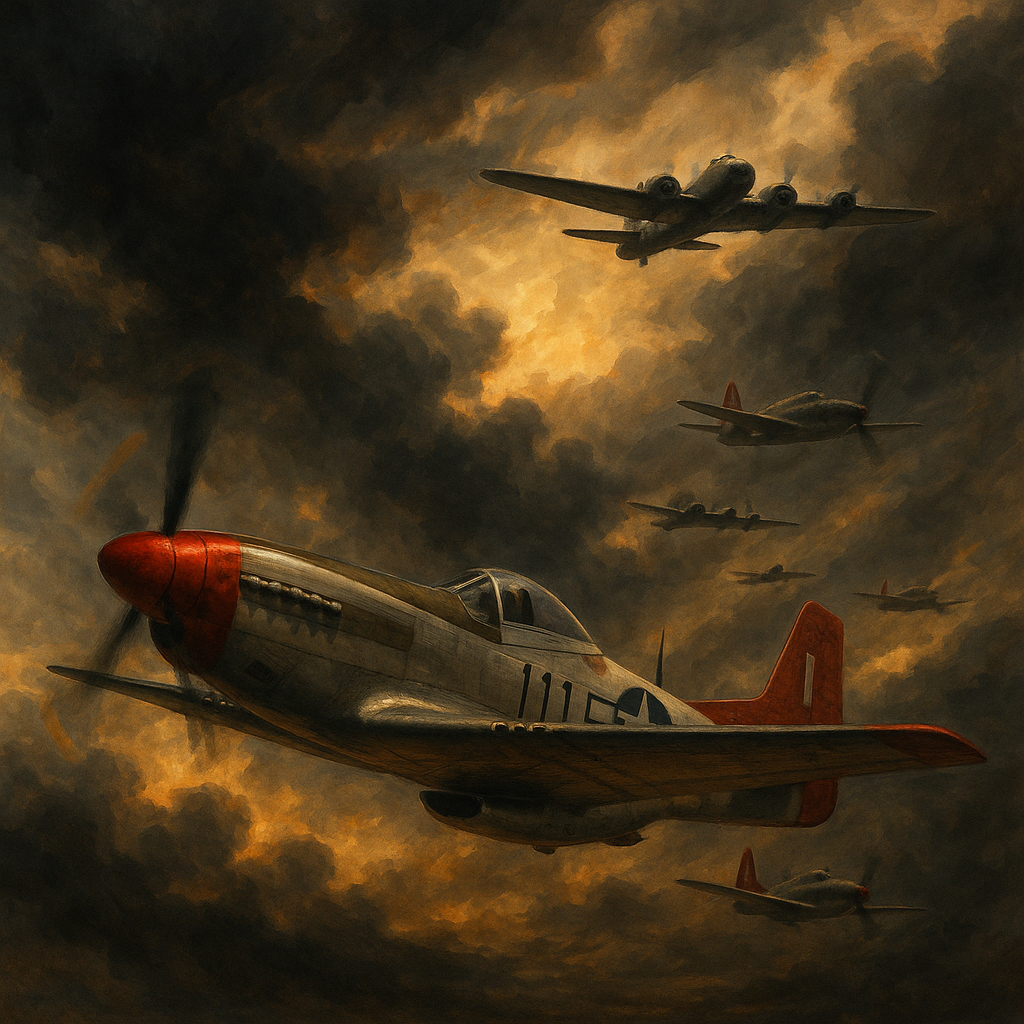
On this day in 1944, the Red Tail Angels carved their path across a cold European sky, lifting off from their base in Italy with the weight of duty and a world still arguing about their worth. The Tuskegee Airmen of the 332nd Fighter Group knew the routine. Take off. Climb. Form up. Guard the bombers like your life depends on theirs. It was the last big raid of the month, and the Fifteenth Air Force sent them straight toward the factories that fed the Nazi war machine. Waiting for them were German fighters, flak bursts that chewed through the clouds, and the constant reminder that history never gives out freebies. These pilots had trained in Tuskegee, Alabama, far from the glory people like to paste on wartime stories. They came from a segregated military that questioned them at every step, yet their performance in the air kept rewriting the script. By late 1944 their P 51s carried bright red tails that bomber crews could spot at a glance. That flash of color meant protection. It meant discipline. It meant someone out there cared enough to hold formation tight when fear tried to pull everything apart. The 332nd flew more than one hundred seventy heavy bomber escort missions before the war ended, losing fewer bombers than many other groups in the same theater. That record was not luck. It was focus, grit, and a stubborn belief in doing the job right even when the country they served made them fight two battles at once. Every mission kept more names off casualty lists and pushed the United States toward the integration that finally came after the war. Remember this November mission as a reminder that real change often shows up in repetition. The same hard task. The same cold morning. The same promise to bring as many people home as possible. That is how legacies are built, one flight at a time. #TuskegeeAirmen #RedTailAngels #WWIIHistory #MilitaryHistory #AviationHistory #332ndFighterGroup #HistoryMatters #AmericanHistory #LataraSpeaksTruth

On This Day 1944… Red Tail Escorts Over War Torn Europe
LataraSpeaksTruth

The Wanderer… 1858

On November 28, 1858, one of the last known illegal slave ships to reach the United States secretly landed on Jekyll Island, Georgia. The vessel, called the Wanderer, arrived with more than 400 kidnapped men, women, and children from West and Central Africa… all smuggled in defiance of the federal ban on the transatlantic slave trade that had been in place since 1808. The Wanderer was originally built as a luxury yacht, but was converted into a human trafficking vessel financed by wealthy Southern men determined to profit from an illegal trade. Survivors were quickly dispersed across Georgia and the Deep South, sold into forced labor. Only a fraction of the captives lived long after arrival. Though federal officials investigated, no one was punished. The Wanderer became a symbol of how far traffickers were willing to go to protect their wealth… and how little accountability existed for crimes committed against Africans even after the trade was outlawed. #LataraSpeaksTruth #HistoryMatters #AmericanHistory #UntoldStories #JekyllIsland #Wanderer1858 #LearnThePast

The Wanderer… 1858
LataraSpeaksTruth

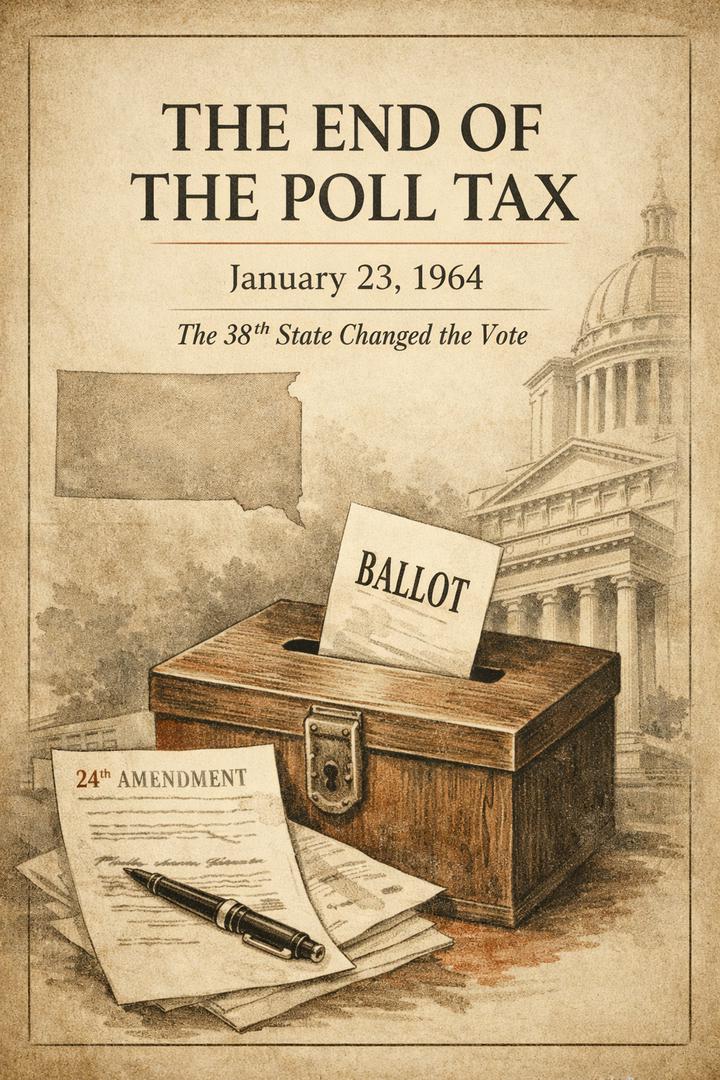
On January 23, 1964, a quiet legislative vote in South Dakota echoed across the entire United States. By becoming the 38th state to ratify the 24th Amendment, South Dakota provided the final “yes” needed to cement a fundamental change in American democracy…the official end of the poll tax in federal elections. For decades, the poll tax had operated as a so-called legal barrier to the ballot box. Framed as a simple administrative fee, it was anything but neutral in practice. In many Southern states, voters were required to pay not only the current tax but accumulated fees for every year they had not voted. This system disproportionately blocked Black Americans and poor white citizens from participating in elections. Combined with literacy tests, intimidation, and economic retaliation, the poll tax ensured political power remained tightly controlled. The road to the 24th Amendment was long and deliberate. Proposed by Congress in 1962, it required approval from three-fourths of the states. As 1964 began, the nation watched the count inch closer to the threshold. When South Dakota’s legislature ratified the amendment on January 23, it crossed the constitutional finish line, making the amendment law. The amendment marked a major victory for voting access by declaring that the right to vote in federal elections could not be conditioned on payment. Still, the work was unfinished. Some states continued to impose poll taxes in state and local elections until the Supreme Court struck them down entirely in 1966. Today, the anniversary of South Dakota’s ratification stands as a reminder that voting rights have never been freely handed over. They have been argued for, organized for, and fought for…often quietly, often against resistance, but always with lasting impact. #OnThisDay #USHIstory #VotingRights #Democracy #24thAmendment #CivilRightsHistory #SouthDakota #HistoryMatters
LataraSpeaksTruth

Remembering the Gettysburg Address

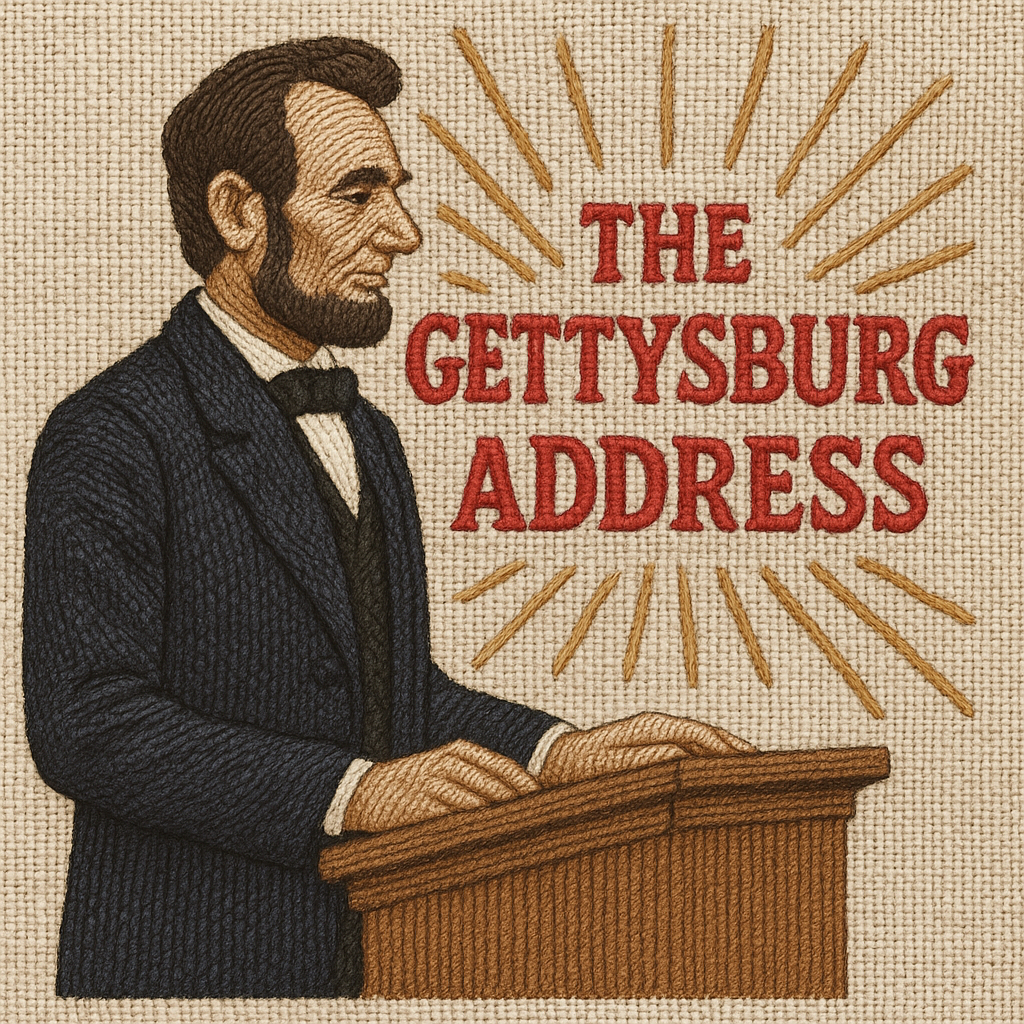
On November 19, 1863, President Abraham Lincoln stood on the battlefield at Gettysburg and delivered a message that reshaped how the nation understood the Civil War. The ceremony was meant to honor the thousands of soldiers who died there, but Lincoln used the moment to remind the country what the fight was really about. In just a few sentences, he connected the war to the country’s earliest promise that all people are created equal, and he challenged Americans to keep working toward a future where that promise actually means something. The speech was short, but the impact has lasted generations. Lincoln said the world would not remember what was said that day, but the opposite became true. The Gettysburg Address became a reminder that freedom, sacrifice, and democracy require constant work. Even now, the words push us to think about what kind of nation we want to be and whether we’re living up to the ideals we claim to stand on. #HistoryMatters #GettysburgAddress #OnThisDay #AmericanHistory #LataraSpeaksTruth

Remembering the Gettysburg Address
LataraSpeaksTruth

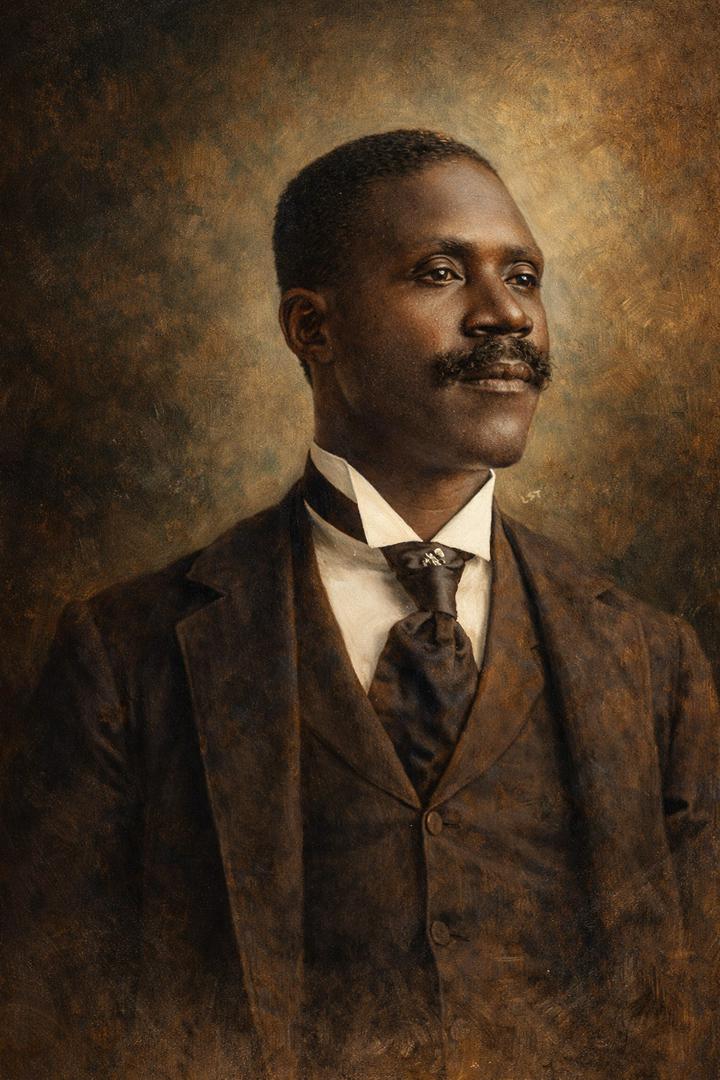
Born enslaved on September 22, 1853 near Rembert in Sumter County, South Carolina, George Washington Murray rose from bondage to the halls of Congress during one of the most hostile eras in American history. After the Civil War, Murray pursued education with purpose and urgency. He attended the University of South Carolina during the brief Reconstruction period when the school was open to Black students, a rare and fragile window of opportunity that would soon slam shut. Education was not just personal advancement for Murray, it was strategy, survival, and resistance. He became a teacher and agricultural expert, believing knowledge was power in a society designed to deny it to Black Americans. From there, he stepped into Republican politics, back when the party still carried the legacy of Reconstruction. In the 1890s, Murray served in the U.S. House of Representatives, representing South Carolina at a time when Black political power was being violently dismantled across the South. Murray was one of the last Black members of Congress in the nineteenth century and during parts of his service, the only one. He spoke openly and unapologetically about lynching, racial terror, and voter suppression while Jim Crow laws tightened their grip. He introduced federal proposals to protect Black voting rights and civil rights, fully aware that Congress was growing less willing to listen and more committed to exclusion. George Washington Murray did not win every fight, but he put injustice on the congressional record and refused silence. In an era demanding submission, he chose courage. That choice still echoes. #GeorgeWashingtonMurray #BlackHistory #ReconstructionEra #BlackCongressmen #AfricanAmericanHistory #CivilRightsHistory #JimCrow #PoliticalCourage #HistoryMatters

LataraSpeaksTruth

Rosa Parks Attends the Dexter Avenue Meeting, 1955

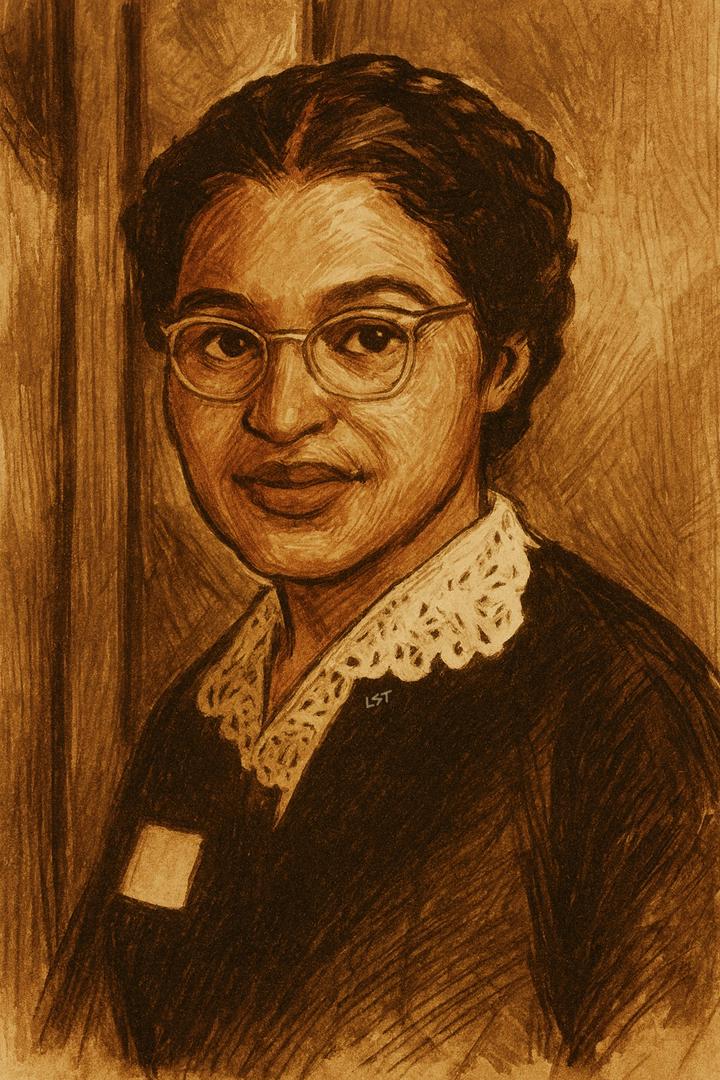
1955… Montgomery was already on edge, but that night at Dexter Avenue Baptist Church, things shifted. Rosa Parks walked into a packed mass meeting to hear a talk about Emmett Till… the 14-year-old boy whose brutal murder had shaken the entire country. The church was filled with tension, grief, anger, and a rising sense that silence was no longer an option. Parks sat and listened as speakers talked plainly about the dangers Black families faced across the South. Emmett Till wasn’t a headline to her… he was a warning, a wound, and a reminder of every injustice people tried to swallow just to survive. The stories that night weren’t meant to scare anyone… they were meant to wake everyone up. And Rosa heard all of it… really heard it. She wasn’t some tired seamstress like people love to repeat. She was seasoned, sharp, and fully aware of how dangerous the world around her was. That meeting settled something inside her spirit. It fed the backbone she already had. So when she refused to give up her seat just a few months later, it wasn’t random, it wasn’t sudden, and it definitely wasn’t because she was “just tired.” She was tired of abuse, tired of the disrespect, tired of a system that stole sons like Emmett Till and told mothers to accept it. That night at Dexter wasn’t a footnote… it was fuel. #OnThisDay #HistoryMatters #LataraSpeaksTruth #RosaParks #EmmettTill #Montgomery

Rosa Parks Attends the Dexter Avenue Meeting, 1955
Tag: HistoryMatters - Page 5 | LocalAll