Tag Page HistoryMadeSimple

#HistoryMadeSimple
The Story Behind...

During the 1900s, cigarette sales exploded. But behind the scenes, scientists were discovering that smoking caused cancer, heart disease, and lung damage. Companies knew the risks early, but hid the evidence to protect profits. It wasn’t until the 1960s and 70s that governments began warning the public. Labels, restrictions, and research exposed the truth: cigarettes were engineered to be addictive. Today, smoking rates have dropped, especially among younger generations, but the legacy remains. Cigarettes transformed from a sacred plant to one of the largest and most harmful industries in history — a story driven by culture, colonization, marketing, and money. From ancient traditions to modern health warnings, the story of cigarettes is a reminder of how something meaningful can be turned into something dangerous once profit gets involved. #TheStoryBehindIt #Cigarettes #EverydayHistory #LearnSomethingNew #HistoryMadeSimple #TruthBehindIt

The Story Behind...

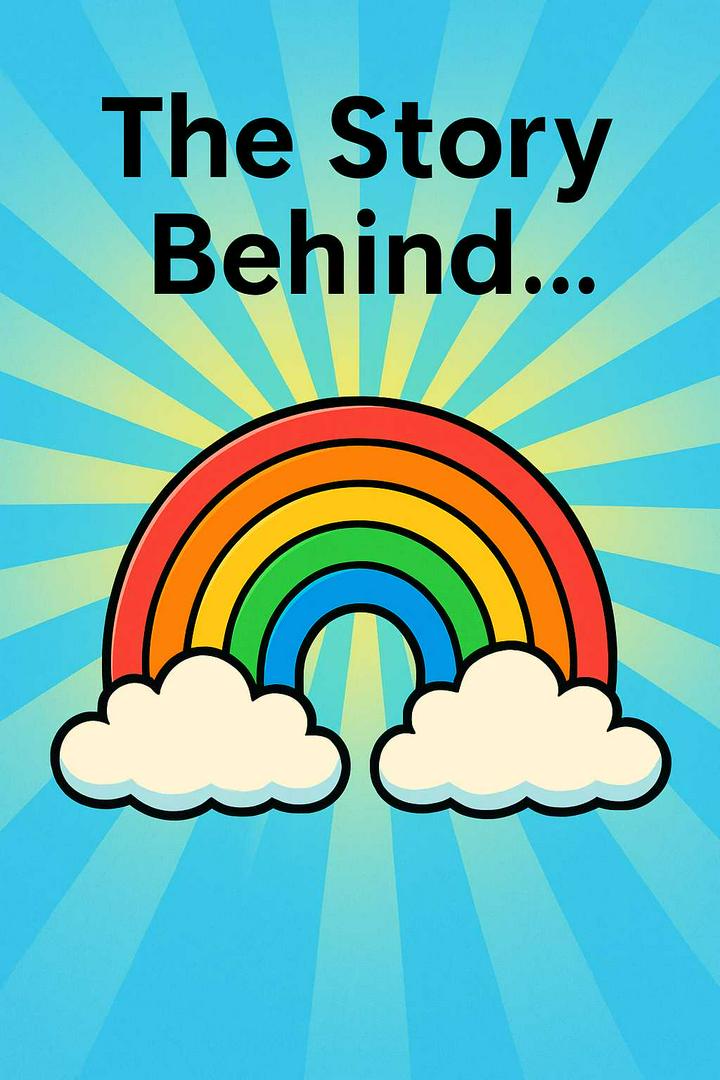
Rainbows have been a symbol of hope, mystery, and magic for thousands of years. Long before scientists understood how light worked, ancient people created stories to explain the colorful arc in the sky. Some believed rainbows were bridges between worlds. Others said they were messages from the gods, signs of peace after storms, or pathways to good fortune. But the real story behind rainbows comes down to sunlight and raindrops working together. When sunlight enters a raindrop, the light bends, bounces inside the drop, and spreads out into different colors. Each color bends at a slightly different angle, and when millions of drops do this at the same time, the sky paints the familiar arc — red at the top, violet at the bottom. You can only see a rainbow if the sun is behind you and rain is in front of you. That’s why they appear after storms or when sunlight cuts through mist. And no matter how fast you run, you can never reach the end of a rainbow — it’s a circle of light that moves with you. From ancient legends to modern science, rainbows have always been reminders that even after the darkest weather, something beautiful can appear. #TheStoryBehindIt #Rainbows #EverydayHistory #LearnSomethingNew #ScienceFacts #HistoryMadeSimple

The Story Behind...

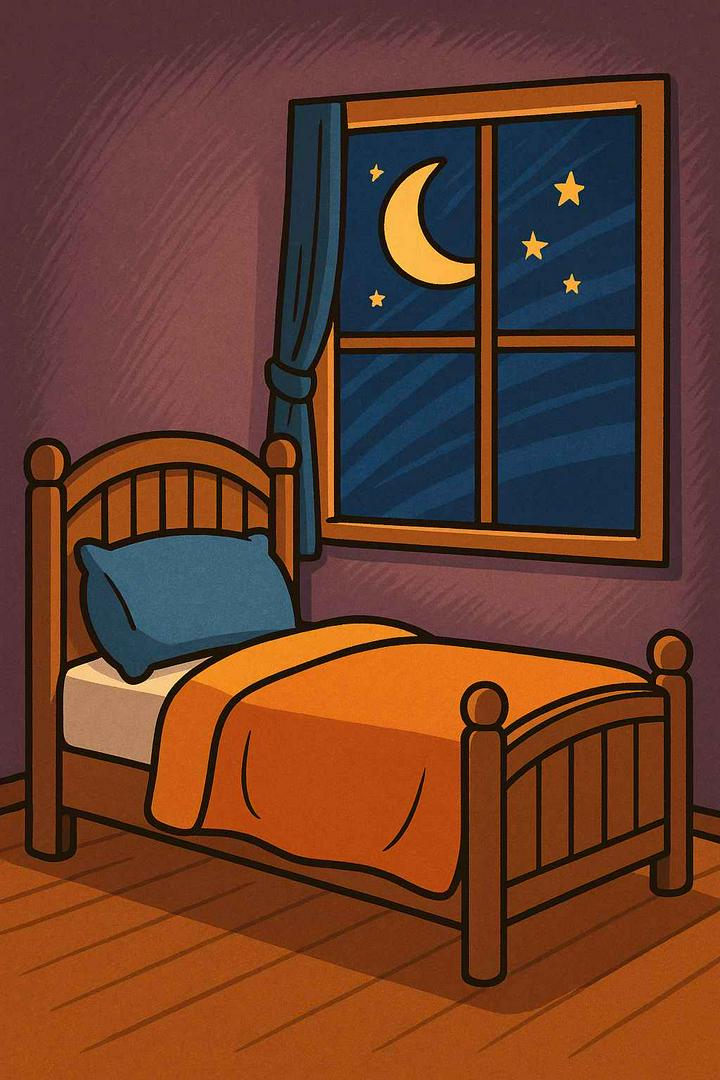
Bedtime didn’t start with soft blankets and quiet houses. For most of human history, people slept according to the sun. When it got dark, families gathered close around fires for safety, warmth, and storytelling. Night wasn’t peaceful — it was dangerous. So going to sleep early wasn’t a choice… it was survival. In ancient cultures, bedtime often included rituals: prayers, songs, guard rotations, or burning herbs for protection. As villages grew into cities, people began splitting their nights into two major sleep phases — a “first sleep” and a “second sleep.” People would wake up in the middle of the night to pray, talk, or check on the house before falling asleep again. Everything changed after electricity. When artificial light became common in the 1800s and early 1900s, people stayed awake longer. Bedtime slowly shifted from a natural rhythm to a planned routine: brushing teeth, washing up, reading, turning off lights, and using clocks to set sleep schedules. Today, bedtime is a blend of tradition and science. Warm baths, calming music, low lights, and routines help the brain wind down. Families still keep bedtime rituals — stories for kids, prayer for comfort, meditation for peace, or just a quiet moment to let the day fade out. From firelit nights to alarm clocks and lamps, bedtime has always been about one thing: creating a safe space to rest, recover, and reset for the next day. #TheStoryBehindIt #Bedtime #EverydayHistory #LearnSomethingNew #HistoryMadeSimple #FunFacts
The Story Behind...

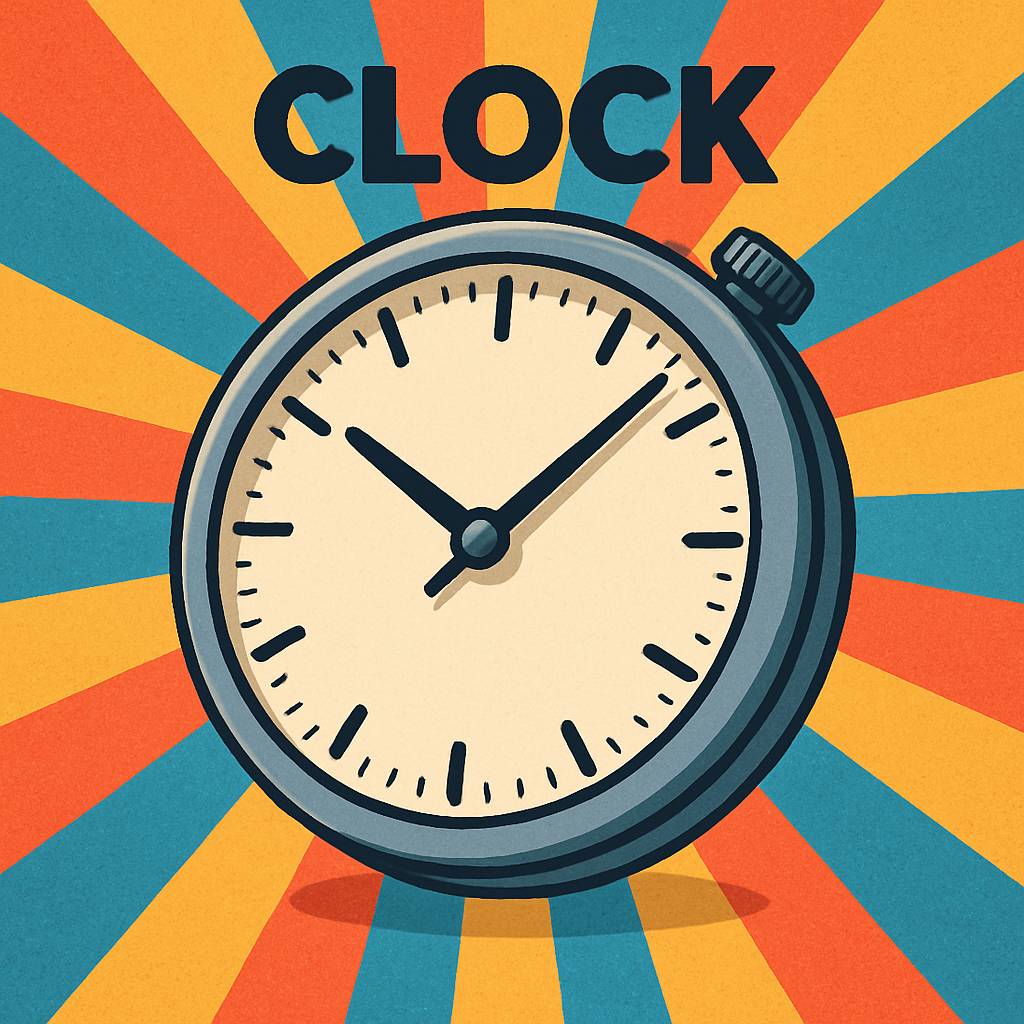
Humans have always needed a way to tell time… long before numbers, watches, or alarms were even a thought. The very first “clocks” were shadows. Ancient Egyptians used tall stone pillars called obelisks to track how the sun moved across the sky, letting them guess the hour by the angle of the shadow. Later came sundials, water clocks, burning candles, and even bowls that dripped water at a steady rate. Time wasn’t exact... it was a best guess. Everything changed in the 1300s when European inventors created the first mechanical clocks. These early machines used gears, weights, and swinging balances to keep time more accurately, but they were huge and lived in town squares, not homes. By the 1600s, the pendulum clock arrived, and suddenly time was precise down to the minute. Then in the 1800s, pocket watches and wind-up clocks made personal timekeeping normal. The 1900s introduced electric clocks, wristwatches, and the digital displays we know today. Now we’ve got phones and satellites syncing time worldwide down to the millisecond. From shadows in the dirt to glowing numbers on a screen, clocks are how we learned to structure our days, schedule our lives, and keep the whole world running on rhythm. #TheStoryBehindIt #Clocks #EverydayHistory #LearnSomethingNew #HistoryMadeSimple

The Story Behind...

Before money ever existed, people traded what they had for what they needed. Wheat for cloth. Animals for tools. Salt for spices. It worked… until it didn’t. Bartering fell apart fast when two people didn’t want what the other person had. So different ancient cultures began using objects that everyone agreed had value. Cowrie shells were one of the first global “currencies.” Metal coins came next in places like China, Lydia, and Greece—small, durable, stamped with symbols so people could trust them. As societies grew, paper money showed up. China was the first to use it around the 7th century when carrying heavy metal coins became a problem. Europe didn’t catch up until hundreds of years later. Eventually banks, governments, and entire economies built systems around printed bills. The 1900s changed everything again with credit cards, ATMs, and debit cards. Now the world has stepped into digital money—online banking, mobile wallets, and even cryptocurrencies. But at its core, money has always been the same thing: a tool people created to make life easier, trade smoother, and value clear. From seashells to swipe cards and phone apps, money is the invention that turned trade into an entire system the world depends on. #TheStoryBehindIt #Money #EverydayHistory #LearnSomethingNew #FunFacts #HistoryMadeSimple

You've reached the end!
Tag: HistoryMadeSimple | LocalHood