Tag Page History

#History
Nate Gasche

Ephesians 1:6-7,12-14 KJV To the praise of the glory of his grace, wherein he hath made us accepted in the beloved. [7] In whom we have redemption through his blood, the forgiveness of sins, according to the riches of his grace; [12] That we should be to the praise of his glory, who first trusted in Christ. [13] In whom ye also trusted, after that ye heard the word of truth, the gospel of your salvation: in whom also after that ye believed, ye were sealed with that holy Spirit of promise, [14] Which is the earnest of our inheritance until the redemption of the purchased possession, unto the praise of his glory. 1 Corinthians 15:1-4 KJV Moreover, brethren, I declare unto you the gospel which I preached unto you, which also ye have received, and wherein ye stand; [2] By which also ye are saved, if ye keep in memory what I preached unto you, unless ye have believed in vain. [3] For I delivered unto you first of all that which I also received, how that Christ died for our sins according to the scriptures; [4] And that he was buried, and that he rose again the third day according to the scriptures: Romans 3:23-25 KJV For all have sinned, and come short of the glory of God; [24] Being justified freely by his grace through the redemption that is in Christ Jesus: [25] Whom God hath set forth to be a propitiation through faith in his blood, to declare his righteousness for the remission of sins that are past, through the forbearance of God; ... ... ๐Ÿ“œ๐Ÿ“œ๐Ÿ“œโœ๏ธโœ๏ธโœ๏ธ๐Ÿ˜Ž๐Ÿ˜Ž๐Ÿ˜Žโš ๏ธโš ๏ธโš ๏ธ๐Ÿ™๐Ÿ™๐Ÿ™ #1611 #Jesus #Bible #History #Historical

Nate Gasche

Romans 3:23-25 KJV For all have sinned, and come short of the glory of God; [24] Being justified freely by his grace through the redemption that is in Christ Jesus: [25] Whom God hath set forth to be a propitiation through faith in his blood, to declare his righteousness for the remission of sins that are past, through the forbearance of God; 1 Corinthians 15:1-4 KJV Moreover, brethren, I declare unto you the gospel which I preached unto you, which also ye have received, and wherein ye stand; [2] By which also ye are saved, if ye keep in memory what I preached unto you, unless ye have believed in vain. [3] For I delivered unto you first of all that which I also received, how that Christ died for our sins according to the scriptures; [4] And that he was buried, and that he rose again the third day according to the scriptures: Matthew 5:40 KJV And if any man will sue thee at the law, and take away thy coat, let him have thy cloke also. Matthew 5:37-39,41-42 KJV But let your communication be, Yea, yea; Nay, nay: for whatsoever is more than these cometh of evil. [38] Ye have heard that it hath been said, An eye for an eye, and a tooth for a tooth: [39] But I say unto you, That ye resist not evil: but whosoever shall smite thee on thy right cheek, turn to him the other also. [41] And whosoever shall compel thee to go a mile, go with him twain. [42] Give to him that asketh thee, and from him that would borrow of thee turn not thou away. Proverbs 27:1-5 KJV Boast not thyself of to morrow; for thou knowest not what a day may bring forth. [2] Let another man praise thee, and not thine own mouth; a stranger, and not thine own lips. [3] A stone is heavy, and the sand weighty; but a fool's wrath is heavier than them both. [4] Wrath is cruel, and anger is outrageous; but who is able to stand before envy? [5] Open rebuke is better than secret love. ... ... ๐Ÿ“œ๐Ÿ“œ๐Ÿ“œโœ๏ธโœ๏ธโœ๏ธ๐Ÿ˜Ž๐Ÿ˜Ž๐Ÿ˜Žโš ๏ธโš ๏ธโš ๏ธ๐Ÿ™๐Ÿ™๐Ÿ™ #1611 #Jesus #Bible #History #Historical

Nathanael Gasche

Romans 3:23-25 KJV For all have sinned, and come short of the glory of God; [24] Being justified freely by his grace through the redemption that is in Christ Jesus: [25] Whom God hath set forth to be a propitiation through faith in his blood, to declare his righteousness for the remission of sins that are past, through the forbearance of God; 1 Corinthians 15:1-4 KJV Moreover, brethren, I declare unto you the gospel which I preached unto you, which also ye have received, and wherein ye stand; [2] By which also ye are saved, if ye keep in memory what I preached unto you, unless ye have believed in vain. [3] For I delivered unto you first of all that which I also received, how that Christ died for our sins according to the scriptures; [4] And that he was buried, and that he rose again the third day according to the scriptures: Matthew 5:40 KJV And if any man will sue thee at the law, and take away thy coat, let him have thy cloke also. Matthew 5:37-39,41-42 KJV But let your communication be, Yea, yea; Nay, nay: for whatsoever is more than these cometh of evil. [38] Ye have heard that it hath been said, An eye for an eye, and a tooth for a tooth: [39] But I say unto you, That ye resist not evil: but whosoever shall smite thee on thy right cheek, turn to him the other also. [41] And whosoever shall compel thee to go a mile, go with him twain. [42] Give to him that asketh thee, and from him that would borrow of thee turn not thou away. Proverbs 27:1-5 KJV Boast not thyself of to morrow; for thou knowest not what a day may bring forth. [2] Let another man praise thee, and not thine own mouth; a stranger, and not thine own lips. [3] A stone is heavy, and the sand weighty; but a fool's wrath is heavier than them both. [4] Wrath is cruel, and anger is outrageous; but who is able to stand before envy? [5] Open rebuke is better than secret love. ... ... ๐Ÿ“œ๐Ÿ“œ๐Ÿ“œโœ๏ธโœ๏ธโœ๏ธ๐Ÿ˜Ž๐Ÿ˜Ž๐Ÿ˜Žโš ๏ธโš ๏ธโš ๏ธ๐Ÿ™๐Ÿ™๐Ÿ™ #1611 #Jesus #Bible #History #Historical

Abraham Lincoln

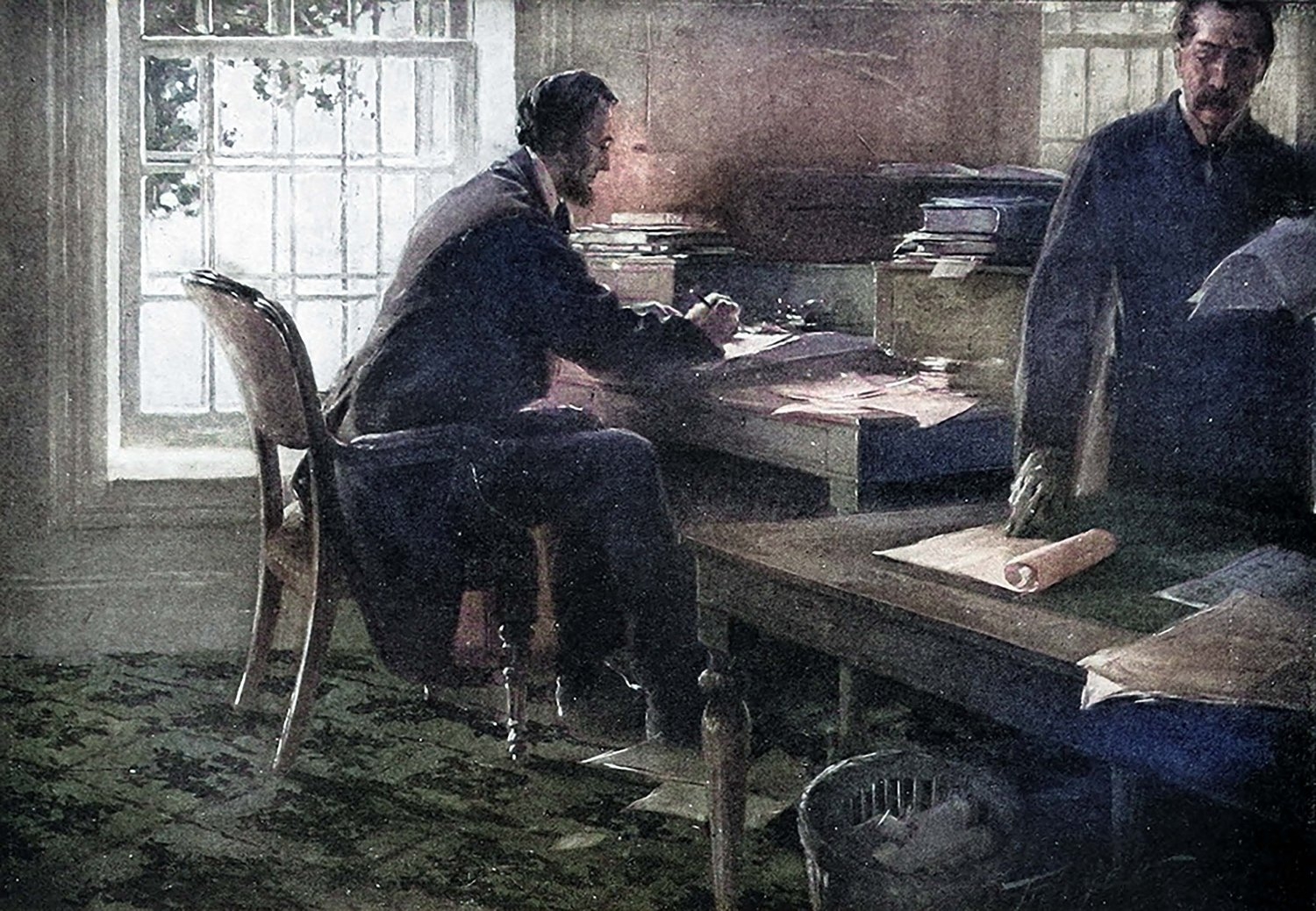
This Day in History: I Shifted the Civil War's Momentum Using the Telegraph In May of 1862, I have witnessed our nation torn by the bitterest trials of civil strife, our armies stalling in the field, and the crushing weight of executive command resting heavily upon my shoulders. Frustrated by the cautious delays of my generals, I entered the War Department telegraph office to take direct control of our forces. On May 24, I sent a rapid flurry of urgent commands across the wires, ordering our divided armies to converge in the Shenandoah Valley to trap General Stonewall Jackson. In doing so, I became the first president to use this modern technology to direct a continental war in real-time from Washington, successfully seizing the military momentum back from the Confederacy and proving that the executive could swing the tide of battle through the flash of electricity. Yet, this date brings a deeper sorrow that time cannot soften. Exactly one year earlier, on May 24, 1861, I received the devastating news that my dear young friend and former law clerk, Colonel Elmer Ellsworth, had been shot down while removing a Confederate flag in Alexandria. He was the first Union officer to fall in this terrible war. When the message arrived, I wept openly by the window, overwhelmed by the harsh reality that preserving our sacred Union would demand the blood of our finest young men. If my presidency is a tapestry woven of cold iron and raw emotion, late May is where the threads pull tightest against my aching soul. I stand caught between the unyielding click of the telegraph keys and the hot sting of tears for a boy who was like a son, managing a continent in crisis while mourning a piece of my own heart. The frantic dots and dashes typing out military maneuvers are not merely strategies for victory; they are the heavy heartbeats of a nation being violently reborn, a testament that even in our darkest hours, the painful work of restoration endures. #History #USHistory #America

LataraSpeaksTruth

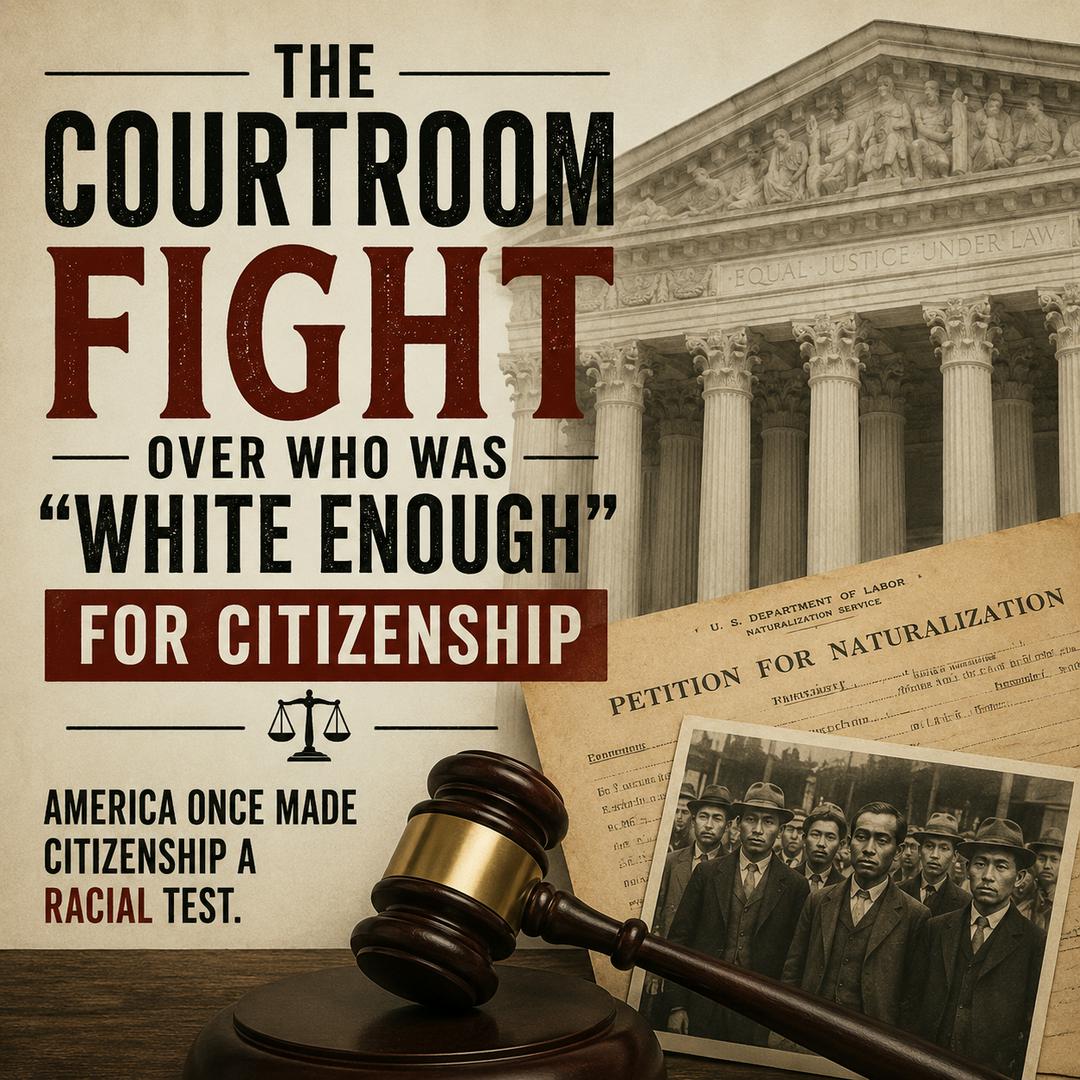
There was a time in American history when becoming a citizen was not only about paperwork, residency, or loyalty. For many immigrants, it also came down to whether a court considered them โ€œwhite enough.โ€ Early U.S. naturalization law limited citizenship to โ€œfree white persons.โ€ In 1870, eligibility was extended to people of African nativity and African descent, but many other nonwhite immigrants were still shut out. That legal line created a disturbing question: who counted as white? In 1922, Takao Ozawa, a Japanese immigrant who had lived in the United States for years, asked the Supreme Court to recognize him as eligible for citizenship. He argued that he had embraced American life and that his skin was light enough to qualify under the law. The Court rejected him, saying โ€œwhite personโ€ meant someone of the Caucasian race. Then in 1923, Bhagat Singh Thind, an Indian immigrant and World War I veteran, made a different argument. Since some racial theories of the time classified Indians as Caucasian, he argued that he should qualify. The Court rejected him too. That is where the contradiction became impossible to ignore. When Ozawa argued based on appearance and assimilation, the Court leaned on racial science. When Thind argued based on racial science, the Court leaned on what it called common understanding. In plain language, the rules changed depending on who was standing at the door. These cases show how citizenship was shaped by racial boundaries that could move whenever power wanted them to move. It was not about fairness. It was not about loyalty. It was about protecting a legal idea of America that decided some people belonged and others did not. The phrase โ€œwhite enoughโ€ sounds absurd now, but for many people, it was once a serious legal question. The answer could affect their rights, property, security, and future. History did not only happen in the streets. Sometimes, it wore a robe, sat behind a bench, and called exclusion the law. #History

justme

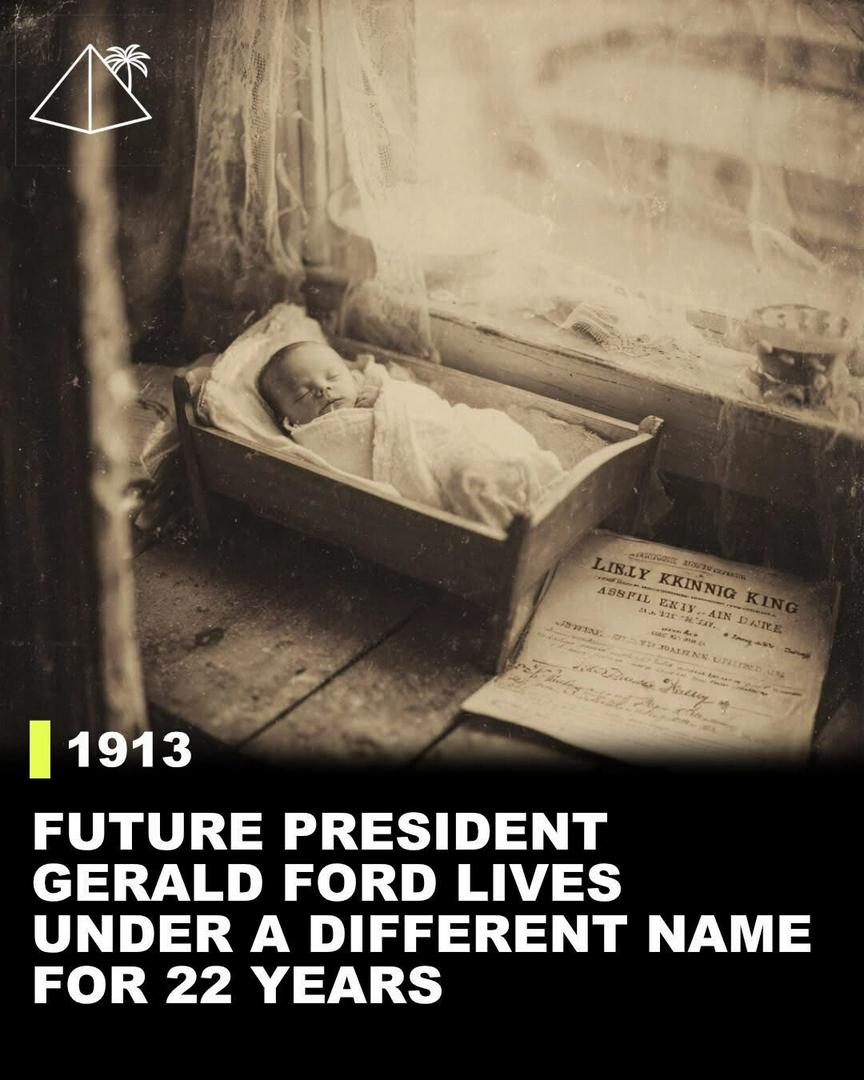
Gerald Rudolf Ford Jr. was born on July 14, 1913, in Omaha, Nebraska, but his birth name was not Gerald Ford at all. He was born Leslie Lynch King Jr., the son of Dorothy Ayer Gardner and wool trader Leslie Lynch King Sr. His parents separated just sixteen days after his birth, with his mother taking the infant to live with relatives before settling in Grand Rapids, Michigan. His parents divorced in December 1913, and his mother eventually remarried a salesman named Gerald Rudolff Ford on February 1, 1917. From that point on, the young boy was referred to as Gerald Rudolff Ford Jr., though he was never formally adopted by his stepfather. The name change, including the anglicized spelling of "Rudolph," was not legally formalized until December 3, 1935, meaning Ford lived under his assumed name for 22 years before it was official. He did not learn about his biological father until the age of 17, when his parents revealed the circumstances of his birth. That same year, his biological father unexpectedly approached him while he was waiting tables at a Grand Rapids restaurant. Ford would go on to become the 38th President of the United States, the only person to hold that office without winning a national election. #Ford #Identity #History

LataraSpeaksTruth

Before Misty Copeland became a household name in ballet, Janet Collins had already stepped onto one of Americaโ€™s most respected stages and challenged the color line in classical dance. Janet Collins was born in New Orleans in 1917 and raised in Los Angeles. From a young age, she trained seriously, but talent alone did not protect her from racism. As a teenager, she reportedly auditioned for the Ballet Russe de Monte Carlo and was told she would need to disguise her race to perform with the company. Collins refused. That decision matters. She was not just chasing applause. She was protecting her dignity. Collins built her career through discipline, skill, and range. She worked as a dancer, choreographer, and teacher, moving through ballet, modern dance, opera, and Broadway. In 1951, she won the Donaldson Award for best dancer on Broadway for her work in Cole Porterโ€™s Out of This World. That recognition helped bring her to the attention of Zachary Solov, ballet master of the Metropolitan Opera. In 1951, Collins became the first Black dancer to join the Metropolitan Opera Ballet. She was also recognized as the first Black artist to perform on the Met stage. By 1952, she became the first African American prima ballerina with the Metropolitan Opera, dancing lead roles in productions including Aida and Carmen. That was not a small breakthrough. Ballet had long been treated as an elite space, and Black dancers were often pushed out, overlooked, or told they did not belong. Collins entered that world without hiding who she was. Her story reminds us that history does not begin with the person most often mentioned. Misty Copelandโ€™s rise is important, but Janet Collins was already breaking barriers more than 60 years earlier. Collins later taught at the School of American Ballet and Marymount Manhattan College, helping shape future dancers. She died in 2003, but her legacy still stands on pointe. She did not just dance. She made room. #JanetCollins #history #Ballet

LataraSpeaksTruth

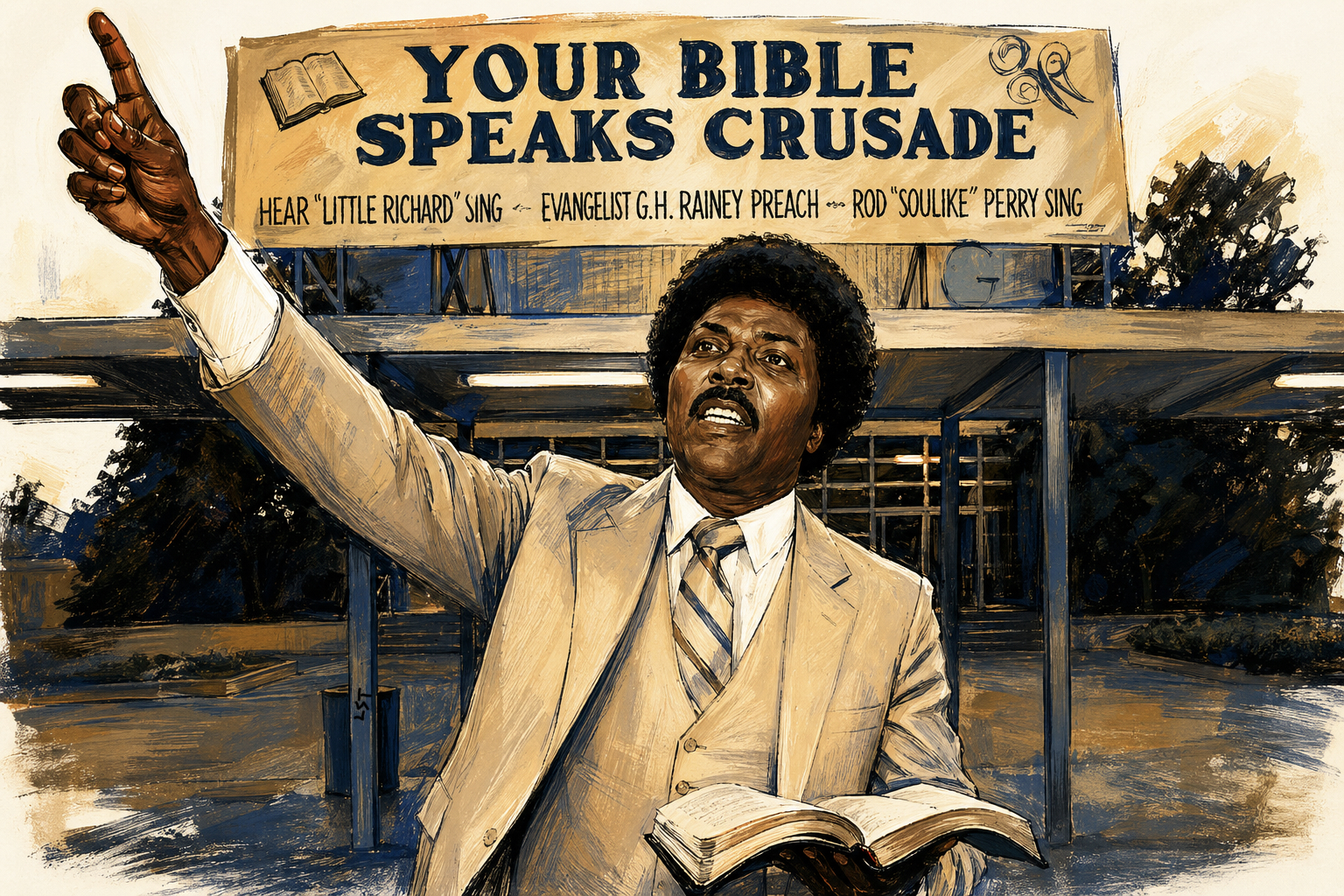
Little Richard did not leave rock and roll because the crowd stopped screaming. He walked away while the crowd was still loud. Born Richard Wayne Penniman in Macon, Georgia, Little Richard became one of the most explosive figures in early rock and roll. With โ€œTutti Frutti,โ€ โ€œLong Tall Sally,โ€ โ€œRip It Up,โ€ and โ€œGood Golly, Miss Molly,โ€ he helped shape the sound, look, and spirit of a new musical age. His pounding piano, soaring voice, makeup, towering hair, confidence, and wild stage presence made him impossible to ignore. But behind the glitter was a man pulled between two worlds. Little Richard grew up around church music, preaching, gospel singing, and Pentecostal worship. That never left him. Even as fame rose around him, he wrestled with guilt over the music business, his lifestyle, and whether the spotlight was pulling him away from God. Then, in 1957, at the height of his success, he made a shocking decision. While touring in Australia, Little Richard announced that he was leaving rock and roll to serve God. The moment has often been tied to his sighting of Sputnik, the Soviet satellite, which he interpreted as a warning from heaven. To him, it was not just something in the sky. It was a sign. After returning to the United States, he joined the Seventh-day Adventist world and enrolled at Oakwood College in Huntsville, Alabama, where he studied religion and prepared for ministry. He also turned from rock and roll toward gospel music. That is what makes the story so powerful. Little Richard was not a faded star trying to reinvent himself. He was one of musicโ€™s brightest forces, and he stepped away anyway. His life would continue to move between the pulpit and the stage. He returned to secular music, stepped back again, and wrestled with faith, fame, identity, and purpose for decades. Some artists chase the spotlight until it disappears. Little Richard walked away while it was still burning. #LittleRichard #RockAndRollHistory #MusicHistory #History

Shawn Winchester

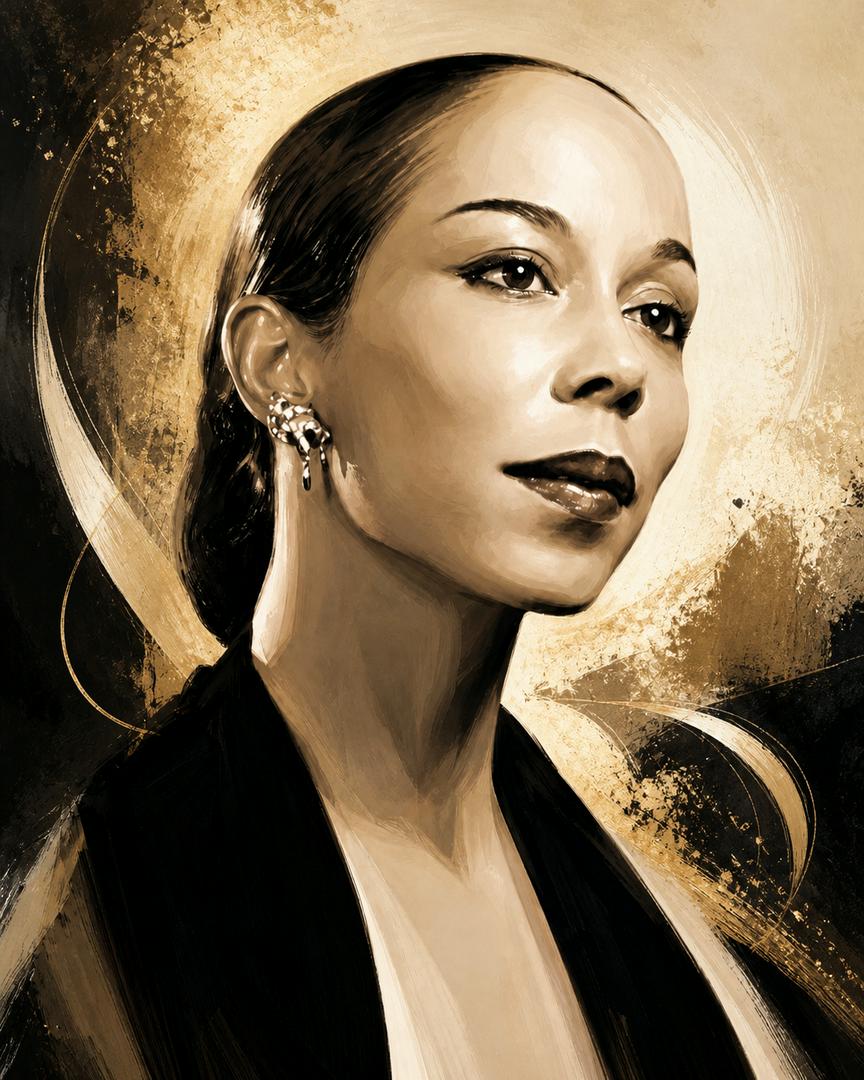
April 26, 1970 - Tionne "T-Boz" Watkins Was Born Tionne Watkins. known to the world as T-Boz. was born in Des Moines, lowa. As one third of TLC, alongside Lisa "Left Eye" Lopes and Rozonda "Chilli'" Thomas, she helped shape one of the most important gir groups of the 1990s T-Boz had a voice people recognized instantly: low, smoky, calm, and cool without trying too hard. She did not sound like everyone else, and that became part of TLC's power. At a time when many female groups were expected to fit a certain mold, TLC brought something different. They plended R&B, pop, hip-hop style, bold fashion, and messages that actually meant something. With songs like "Creep," "Waterfalls," "No Scrubs," and "Unpretty," TLC gave fansmusic they could dance to, cry to, and think about. They spoke on self-worth, health relationships, beauty standards, and the pressure women face, all while making hits that became part of music history April 26 also carries a deeper meaning for ongtime TLC fans. Lisa "Left Eye' Lopes passed away on April 25, 2002, just one day before T-Boz's birthdav. So this date sits between celebration and remembrance, honoring T-Boz's life while also remembering the sisterhood, loss, and egacy connected to TLC T-Boz's iourney is also one of survival. She faced serious health struggles, industry pressure, public grief, and the weight of continuing after losing a group member and friend. Still, her voice and presence remain part of a legacy that has never faded TLC was not just a girl group. They were a cultural moment. And T-Boz was the voice that made that moment unforgettable. #TBoz #TLC #MusicHistory #RnBHistory #History

1776 Patriot

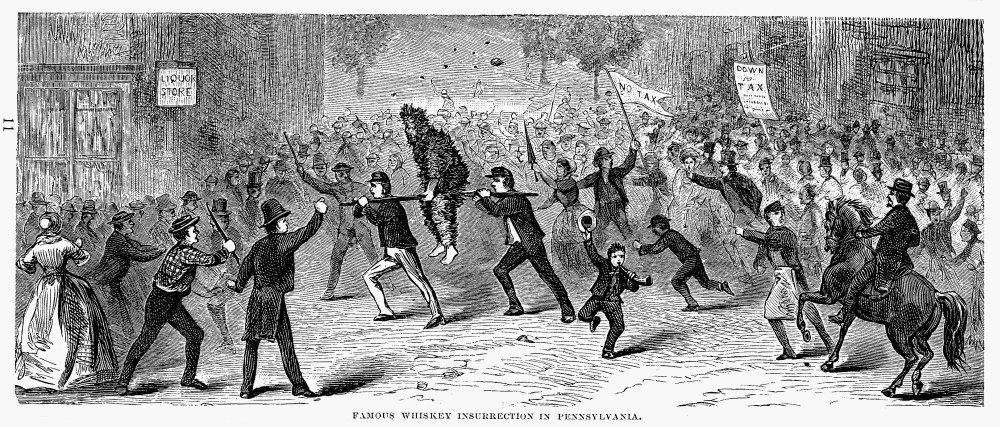
Tar and Feathering in Early America: Mob Justice, Political Violence, and Public Humiliation Tar and feathering was a form of collective punishment in early American history used to humiliate, intimidate, and enforce informal social control. It was not a legal sentence but a mob-driven practice rooted in earlier European traditions dating to the 12th century, where heated pitch was used in communities with weak formal enforcement. In colonial America, the substance was pine tar, produced from resin-rich forests for shipbuilding and sealing materials. When heated, it became highly adhesive and dangerous, trapping heat against the skin and causing burns. Feathers, taken from bedding or poultry, worsened injury by embedding into wounds and making removal difficult, often increasing infection risk. The practice peaked between 1765 and 1835, especially during the American Revolution, when it was used against British customs officers, tax collectors, and Loyalists. A well-documented case occurred in 1774 in Boston involving John Malcolm, who was seized, beaten, coated in hot tar, and covered in feathers. Victims were often paraded through streets, turning punishment into public spectacle. Though associated with Patriot mobs, it crossed political lines and later appeared during events like the Whiskey Rebellion and in 19th-century conflicts involving abolitionists and labor organizers. Only dozens of cases are firmly documented, though more likely went unrecorded. By the early 19th century, courts began treating it as criminal assault, accelerating its decline. While rarely fatal, it caused burns, infection, and lasting trauma, leaving a legacy defined less by victim counts than by its visible brutality. #America #history #Pennsylvania #Boston #RevolutionaryWar Blog 65+ Articles ๐Ÿ‘‡ http://1776patriot1776.blogspot.com