Tag Page HiddenHistory

#HiddenHistory
LataraSpeaksTruth

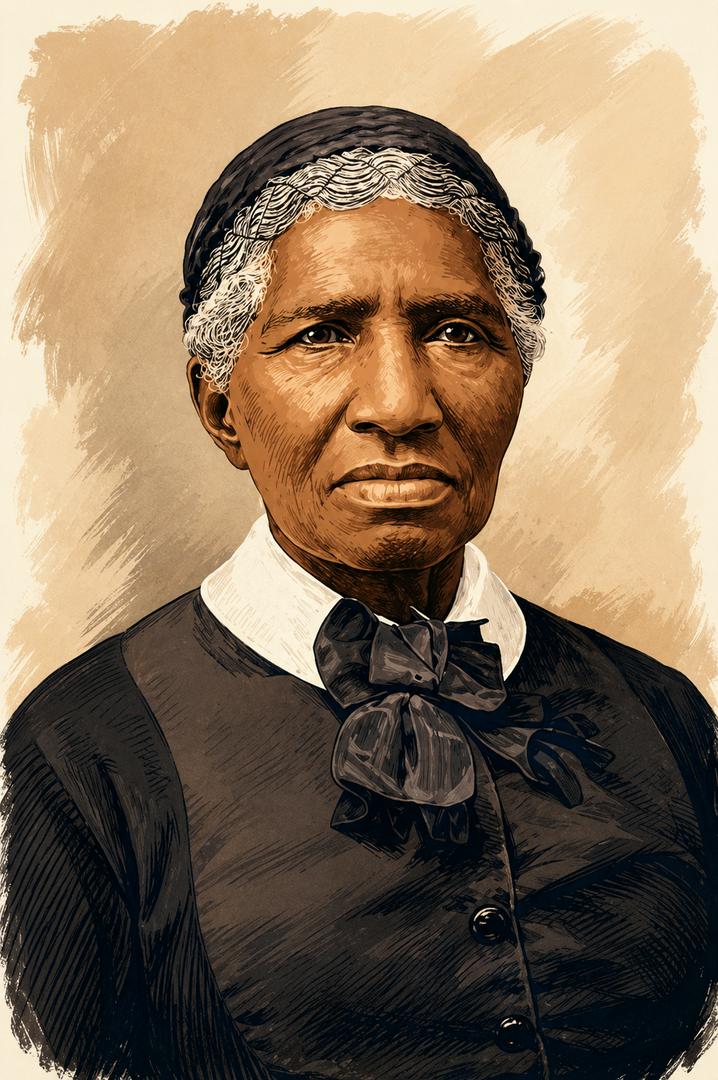
Priscilla “Mother” Baltimore did not just leave a system built to control her life. She helped build a place where freedom could stand on its own land. Born into slavery in Bourbon County, Kentucky in 1801, Baltimore was sold as a child and later taken to Missouri. In St. Louis, she eventually purchased her freedom, a powerful act in a country where Black people were treated as property and forced to fight for every inch of independence. But Baltimore did not stop with herself. Historical accounts say she helped other people gain freedom, including members of her own family. She became known as “Mother” Baltimore because of her role as a caretaker, organizer, abolitionist, and spiritual leader. She was also connected to the African Methodist Episcopal Church, which played a major role in Black worship, education, organizing, and resistance during the nineteenth century. In 1829, oral history says Baltimore led eleven Black families across the Mississippi River from St. Louis, Missouri into Illinois. They settled in what became Brooklyn, Illinois, near St. Louis. The settlement became known as a freedom village, a place where free Black people and people escaping slavery could build community with more safety than they had in slaveholding Missouri. Brooklyn was platted in 1837 and incorporated in 1873. It is widely recognized as the first majority Black town incorporated in the United States. That history matters because freedom was not only about escape. It was about land, homes, churches, families, protection, and the right to live without being hunted, sold, or erased. Priscilla Baltimore’s story belongs in the center of American history. She helped prove that formerly enslaved people were not waiting for someone else to define freedom for them. They were building it. #PriscillaBaltimore #BrooklynIllinois #BlackHistory #HiddenHistory #AmericanHistory

LataraSpeaksTruth

In January 1811, along the Mississippi River just upriver from New Orleans, enslaved men did what the system insisted could not happen. They organized. They marched. They fought back. The German Coast Uprising began on the night of January 8, 1811, in the Territory of Orleans, in the plantation corridor that later became today’s St. John the Baptist, St. Charles, and Jefferson parishes. The region was nicknamed the “German Coast” for early German settlers, but by 1811 it was dominated by sugar plantations built on enslaved labor. The revolt ignited at the plantation of Colonel Manuel Andry near present day LaPlace. Enslaved men attacked Andry, seized weapons and supplies, and moved down River Road toward New Orleans under the leadership of Charles Deslondes, an enslaved man often described as having Haitian ties and acting in the shadow of the Haitian Revolution. Estimates vary, but many accounts place the initial group at roughly 60 to 125 men, growing as they moved plantation to plantation. Some later reconstructions suggest participation could have reached into the hundreds. Most carried farm tools, axes, and pikes, with fewer firearms. Over about two days and roughly twenty miles, the rebels burned plantation buildings, sugarhouses, and crops, striking the engine that kept the system running. Their destination was New Orleans, and their march signaled a direct challenge to slavery. Militia, planters, and U.S. troops mobilized quickly. The uprising was crushed on January 10, and captures followed. Many were killed in battle or executed after tribunals. A commonly cited total is about 95 enslaved people killed during the conflict and aftermath. Severed heads were displayed along the levee and River Road as a warning. It did not topple the system. But it exposed how fragile it was, and how determined freedom had already become. #GermanCoastUprising #1811Uprising #LouisianaHistory #AmericanHistory #HiddenHistory #EnslavedResistance

LataraSpeaksTruth

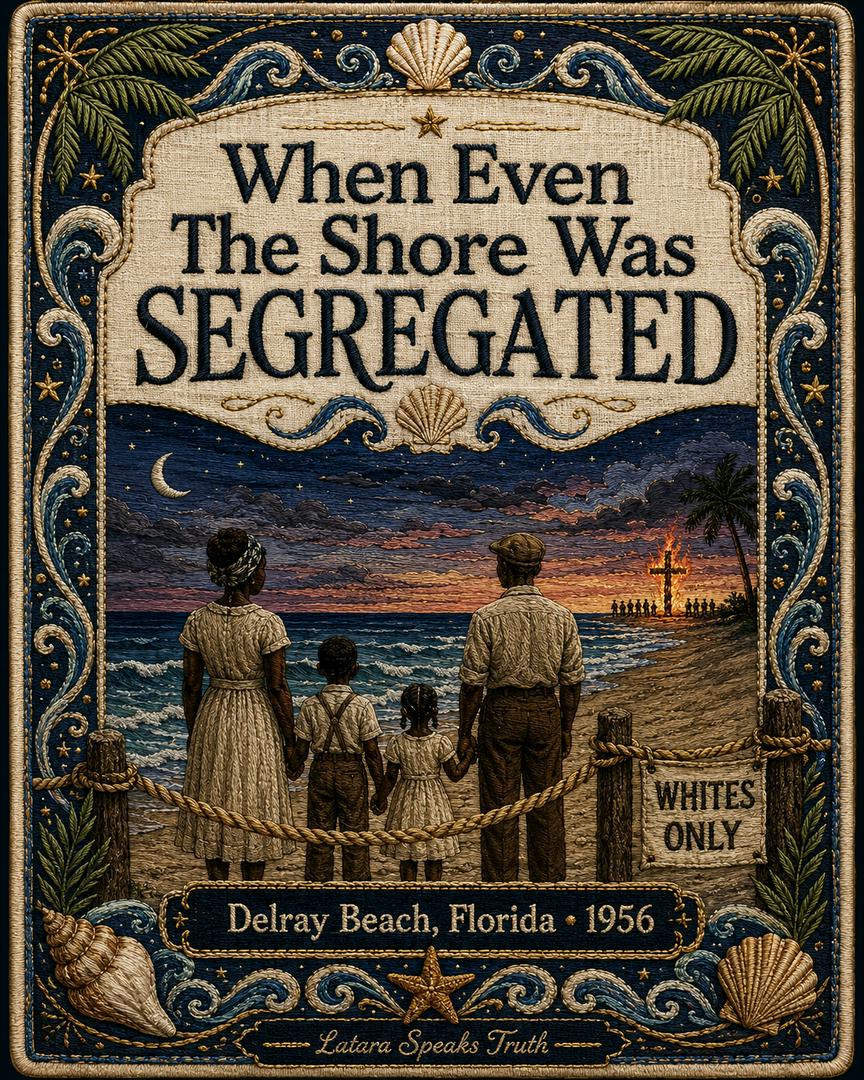
May 16, 1956, Delray Beach, Florida Some stories show how deep segregation really went. It was not just schools, buses, restaurants, or water fountains. In Delray Beach, Florida, even the ocean was treated like it belonged to one group of people. On May 16, 1956, white residents burned a cross to intimidate Black residents who were challenging segregated beach access. For decades, Black residents had been kept away from the city’s municipal beach, even though it was supposed to be public. The timing mattered. One day earlier, U.S. District Judge Emmett C. Choate had dismissed a federal lawsuit brought by nine Black Delray residents fighting for access to the beach. City officials claimed there was no written policy denying Black residents entry, but the reality on the ground told a different story. That cross was not just a symbol. It was a warning. It was meant to tell Black residents that even without a written rule, they were still expected to stay away. On May 20, when Black residents tried to use the beach, they were met by an angry white crowd demanding they leave. Instead of protecting equal access, local officials moved in the opposite direction. On May 23, 1956, Delray Beach passed a formal segregation ordinance barring Black residents from the municipal beach and pool. That is what makes this history so important. Segregation was not only enforced by law. It was enforced by fear, threats, mobs, and authorities who failed to hold people accountable. The beach should have been simple. Sand. Water. Sunlight. A place for families to breathe. But in Delray Beach, even that became a battleground. This was never just about recreation. It was about dignity, citizenship, and the right to exist freely in public spaces. The ocean was public. The exclusion was deliberate. #BlackHistory #FloridaHistory #DelrayBeach #HiddenHistory #CivilRightsHistory

LataraSpeaksTruth

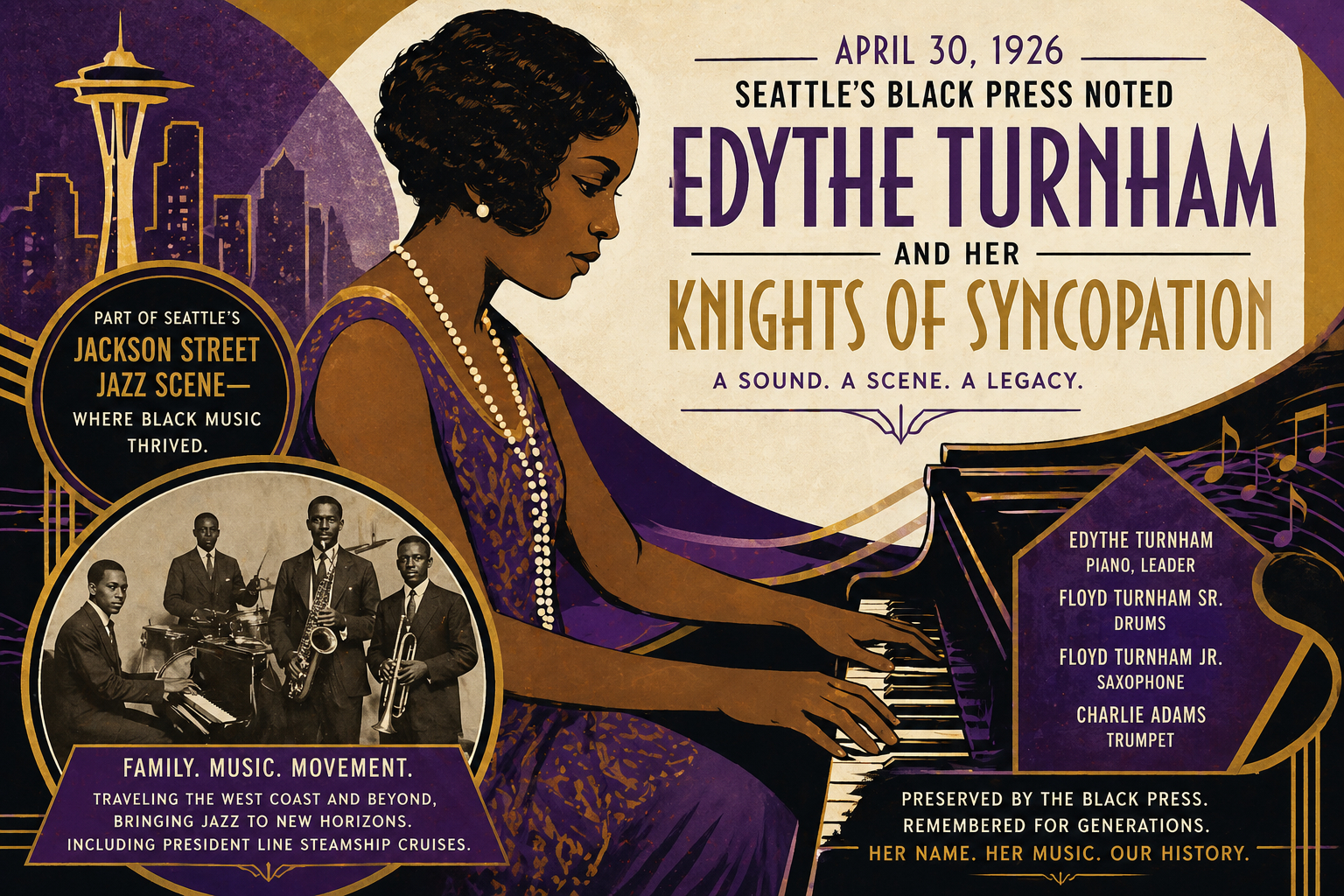
On April 30, 1926, Seattle’s Black press noted Edythe Turnham’s Knights of Syncopation, a jazz group tied to the city’s early music scene. Edythe Turnham was a pianist, bandleader, and one of the women helping shape jazz in the Pacific Northwest during the 1920s. Born Edythe Pane in Topeka, Kansas, she began playing piano as a young child before moving to Spokane, Washington, around 1900. Over time, she became part of a traveling performance tradition that carried music through Washington, the West Coast, and beyond. By the early 1920s, Turnham had organized a small band that became known as Edythe Turnham and Her Knights of Syncopation. The group included members of her own family, including Floyd Turnham Sr. on drums and Floyd Turnham Jr. on saxophone. Charlie Adams was also listed as a trumpeter connected to the band. Their music was part of a larger jazz world growing around Seattle, especially around Jackson Street, where Black musicians helped build one of the city’s most important cultural scenes. Turnham’s group played along the West Coast and performed on President Line steamship cruises, showing how Seattle musicians were not isolated. They were moving, traveling, performing, and carrying their sound into wider spaces. The mention in the Northwest Enterprise matters because Black newspapers helped preserve stories that larger outlets often ignored. Without papers like that, many musicians, performers, and community figures might have disappeared from the public record. Edythe Turnham’s story is not as widely known as many jazz legends from New Orleans, Chicago, or Harlem, but her place in Seattle’s early jazz history is real. She was a woman leading musicians during a time when both race and gender created barriers. Her name belongs in the record because she was part of the sound, movement, and memory of Black music in the Pacific Northwest. #BlackHistory #MusicHistory #JazzHistory #SeattleHistory #HiddenHistory
LataraSpeaksTruth

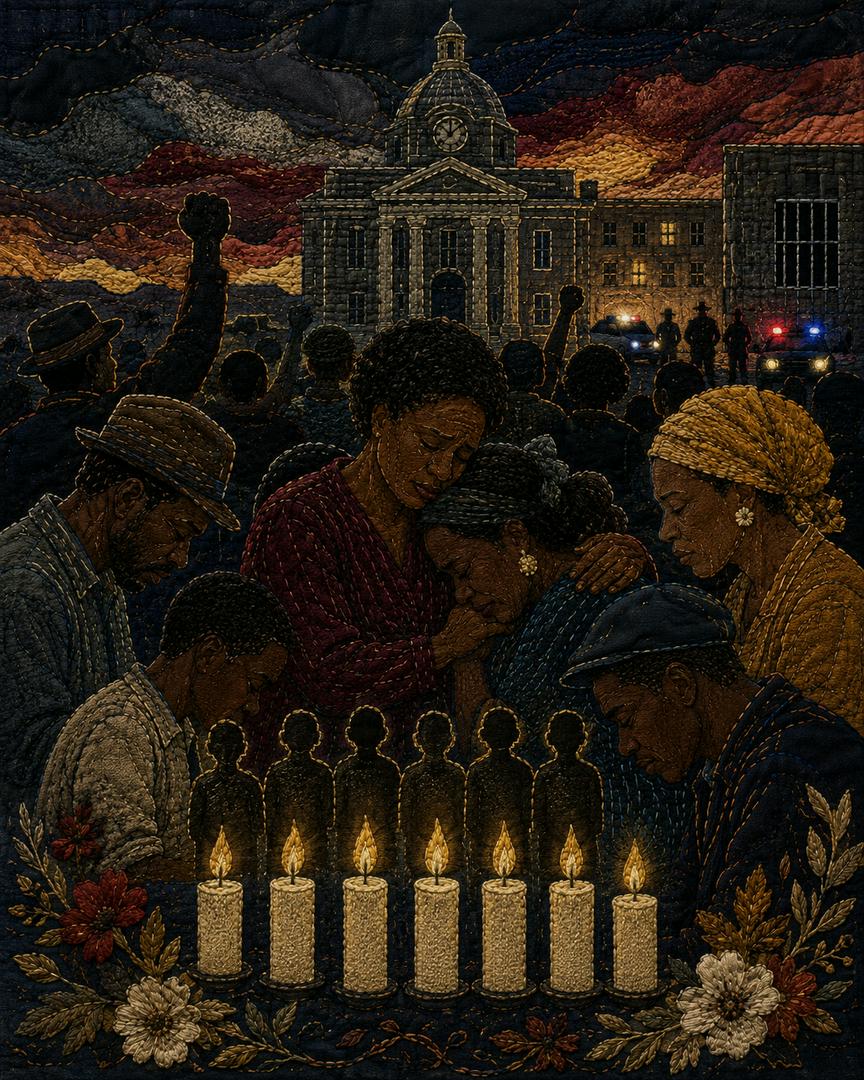
May 12, 1970… Augusta, Georgia was left carrying the weight of one of the most painful uprisings of the civil rights era. The anger began after the death of 16-year-old Charles Oatman, a Black teenager who died while being held in the Richmond County Jail. His death shook Augusta’s Black community because people were not just grieving, they were demanding answers. By May 11, hundreds gathered outside the Municipal Building calling for a real investigation. What followed was unrest across the city, but the aftermath exposed something even deeper than property damage. It exposed the force used against Black residents when grief turned into protest. Six Black men were killed: Charlie Mack Murphy, William Wright Jr., Sammie McCullough, John Stokes, John Bennett, and Mack Wilson. According to historical accounts, all six were unarmed and shot in the back. At least 60 others were wounded by police, and about 300 Black residents were arrested. That detail matters because stories like this are often reduced to the word “riot,” as if that one word explains everything. It does not explain Charles Oatman’s death. It does not explain why the community felt ignored. It does not explain why six men ended up dead. And it does not explain why accountability remained so hard to find. The Augusta uprising was not just about one night of chaos. It was about years of pressure, pain, mistreatment, and silence reaching a breaking point. When people say history repeats itself, this is the kind of history they mean. Some stories are uncomfortable to tell, but burying them only protects the wrong people. Remember Charles Oatman. Remember the Augusta Six. Remember what happened in Georgia. #BlackHistory #AugustaGeorgia #CharlesOatman #TheAugustaSix #CivilRightsHistory #GeorgiaHistory #HiddenHistory

LataraSpeaksTruth

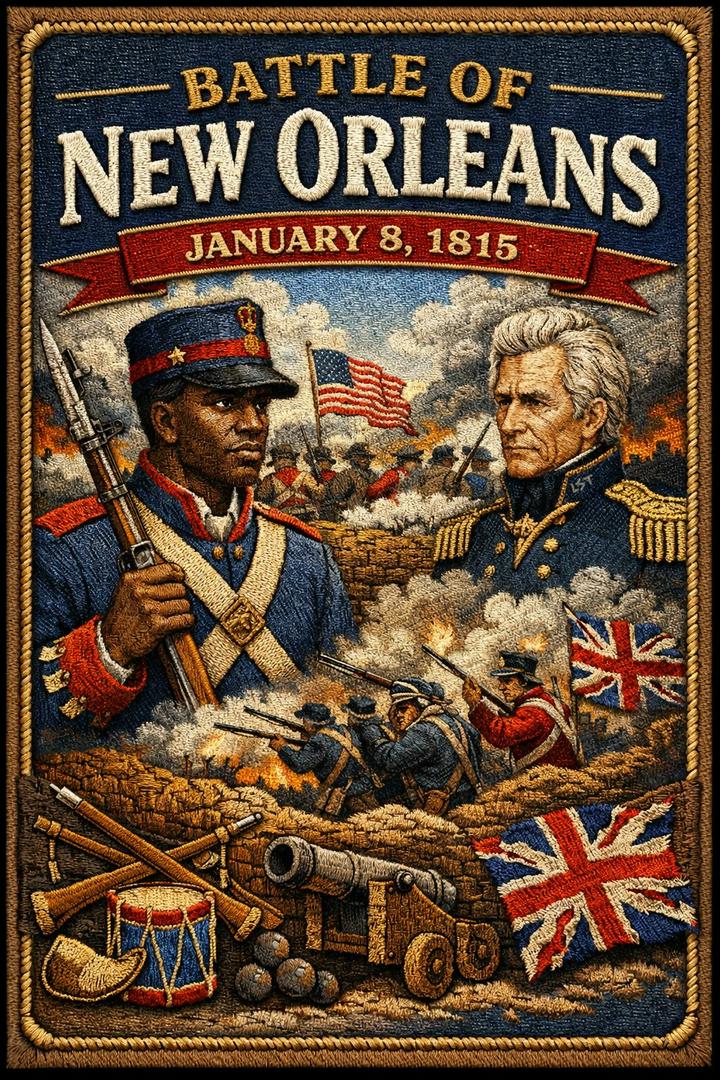
January 8, 1815. The Battle of New Orleans. The War of 1812 was technically over. The Treaty of Ghent had been signed, but word had not crossed the Atlantic yet. Slow communication changed everything. British forces attacked New Orleans anyway and were met by an American force led by Andrew Jackson. His army was not a traditional one. It included U.S. regulars, state militias, Native allies, free Black soldiers, local Creoles, and even pirates under Jean Lafitte. The result was one of the most lopsided victories in U.S. military history. Over 2,000 British casualties compared to roughly 70 American losses. The battle did not change the treaty, but it reshaped American identity. It boosted national confidence, made Jackson a national hero, and proved that the United States could stand up to the world’s most powerful empire. Free Black soldiers played a critical role in defending the city. Their bravery was undeniable. Their recognition afterward was not. This victory was not simple, clean, or fair. It was complex, coalition-driven, and built by people history often sidelines. #January8 #BattleOfNewOrleans #WarOf1812 #AmericanHistory #USHistory #MilitaryHistory #BlackHistory #HiddenHistory

LataraSpeaksTruth

Clara Brown: The Woman Who Built Wealth Out West Clara Brown’s story belongs in the history of the American West because she was not only surviving. She was building. Born into slavery in Virginia around 1800, Brown was later taken to Kentucky. She married and had children, but in 1835 she was sold at auction and separated from most of her family. That loss shaped her search to find her children. Brown gained her freedom in 1859. That same year, during the Colorado Gold Rush, she traveled west by working as a cook on a wagon train. She reached Colorado and settled in Central City, a mining town west of Denver. There, Brown built a business. She opened what is widely described as Colorado’s first commercial laundry business and sold meals to miners and settlers. While many people went west chasing gold, Brown built wealth through labor, planning, and service. By the end of the Civil War, Brown had reportedly saved more than $10,000. She invested in real estate and mining interests, becoming one of the early Black women entrepreneurs in the American West. But Brown’s legacy was never only about money. She used her success to help others. Brown assisted formerly enslaved people who relocated to Colorado and helped them find work. Her home became known as a refuge. She supported the sick, the poor, newcomers, churches, and community institutions. Because of her generosity, she became known as “Aunt” Clara Brown and the “Angel of the Rockies.” Brown spent years searching for the family she had been forced to lose. She was eventually reunited with her daughter Eliza Jane and a granddaughter before her death in Denver in 1885. Clara Brown’s life shows a bigger truth about the West. It was not built only by cowboys, miners, and railroad men. It was also shaped by Black women who cooked, cleaned, invested, organized, sheltered people, and built community. Clara Brown did not just go west. She helped make the West. #ClaraBrown #History #AmericanWest #HiddenHistory

LataraSpeaksTruth

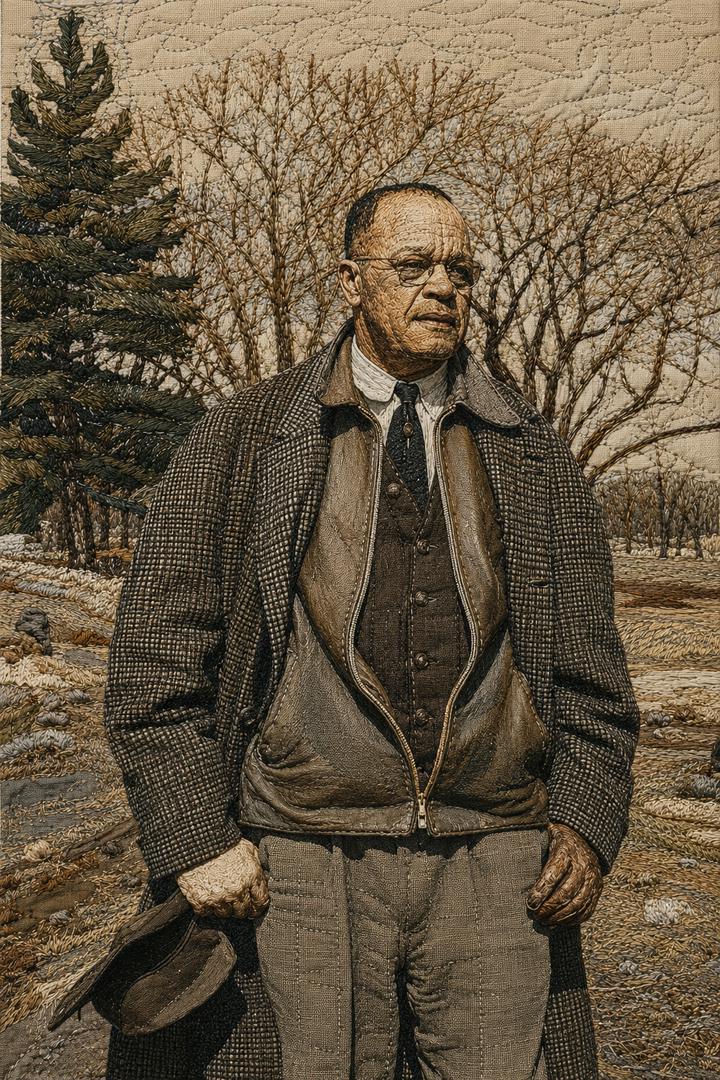
On May 14, 1888, Archie Alphonso Alexander was born in Ottumwa, Iowa. His name may not be repeated as often as it should be, but his life belongs in the record. Alexander became an engineer, architect, mathematician, businessman, and public servant at a time when doors were not simply closed to Black achievement, they were often locked, guarded, and denied. Alexander attended the University of Iowa and made history as the first African American to graduate from its College of Engineering. He graduated in 1912 with a BA in Civil Engineering, stepping into a field where few Black men were given room to stand, let alone lead. But Alexander did not stop at being first. He went on to build a career in engineering and construction, eventually forming Alexander & Repass with Maurice A. Repass. Their firm became known for major public works, including roads, bridges, and construction projects across the country. His work helped prove that Black excellence was not new, rare, or accidental. It was present even when history tried to look away. Alexander also served as governor of the U.S. Virgin Islands under President Dwight D. Eisenhower, adding another chapter to a life already filled with accomplishment. His story matters because he represents the builders who shaped America with their minds, hands, and vision while fighting against the limits placed on them. He did not just cross a barrier. He built beyond it. On his birthday, Archie Alphonso Alexander deserves to be remembered not only as a first, but as a foundation. #BlackHistory #ArchieAlexander #HiddenHistory #EngineeringHistory #AmericanHistory

Brandon_Lee

The tragedy at Ebenezer Creek remains one of the most devastating and overlookeo moments of the Civil War. As Union troops advanced toward Savannah during Sherman's March to the Sea. hundreds of freedom seekers followed behind them believing the army represented safety and a chance at a future bevond bondage. They walked for davs beside the soldiers carrying children, bundles, and the weight of generations. When they reached the cold waters of Ebenezer Creek, Union General Jefferson C Davis ordered his men to cross first on a pontoon bridge. Once the troops were safely over, the bridge was pulled up without warning, leaving the refugees stranded as Confederate forces closed in. Panic spread as families realized thev were trapped with nowhere to run. People leapt into the water clinging to anything that might float, pieces of wood, clothing, each otherMany drowned trying to reach the other side. Others were captured. A moment that should have been a step toward freedom turned into a niaht of terror and loss. The massacre at Ebenezer Creek exposed a harsh truth of that era... even in a war fought over slavery, the safety of Black refugees was treated as negotiable. Their trust was betrayed, their lives dismissed, and their suffering pushed to the margins of history. And before anyone shows up with the tirec "move on, this is old news, get over the past" routine, let me help vou out... how about you move on? I'm from Georgia and in all my years in this state I never once heard about this. I'm learning it right alongside everyone else. This is exactly why these stories matter. History doesn't disappear just because it makes people uncomfortable. We deserve to know what happened on the soil we stand on #LataraSpeaks Truth #BlackHistory #AmericanHistory #HiddenHistory #Under2000Characters

LataraSpeaksTruth

Benjamin Boardley…not Bradley…was born enslaved in Anne Arundel County Maryland around 1830, and his story is one of those “how did we not learn this in school” moments. The “Bradley” spelling spread because of an old print mistake, and it stuck so hard that people still repeat it today…so yeah, saying his real name matters. As a teenager, Boardley showed serious mechanical genius. Accounts describe him building a working steam engine using scrap materials, including parts like a gun barrel, metal pieces, and whatever he could get his hands on. While still enslaved, he was connected to work around the U.S. Naval Academy in Annapolis, where his skill didn’t just impress people…it forced them to admit what they were looking at. Talent. Precision. Engineering mind. Here’s the part that hits the hardest. He couldn’t legally patent what he built because he was enslaved…yet he could still create something valuable enough to sell. He earned money from his work, received support from others who believed in what he could do, and used that combined funding to purchase his freedom. His manumission was recorded on September 30, 1859…a receipt of freedom bought with invention. Not luck…not charity…work. Igbo Landing shows refusal in the water. Benjamin Boardley shows refusal in iron and fire. Different kind of resistance…same message. You don’t get to decide what we are capable of. #BenjaminBoardley #BlackInventors #HiddenHistory #AmericanHistory #MarylandHistory #NavalAcademy #BlackExcellence #UntoldStories #HistoryMatters #STEMHistory