Tag Page GutHealth

#GutHealth
Lucas Mendez

Digestive Surprises in Midlife Women

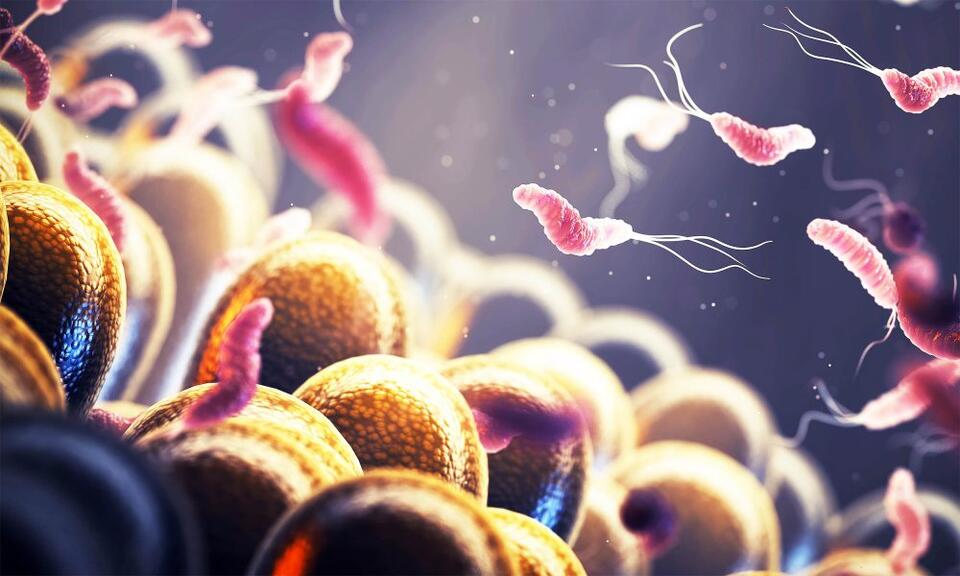
Many midlife women notice sudden digestive changes — bloating, acid reflux, or irregular bowel movements. Research shows that perimenopause and early menopause affect gut motility and microbiome diversity, contributing to these symptoms. Even foods that were previously harmless can trigger discomfort. The cause is hormonal: estrogen and progesterone influence gut enzyme production and gut flora balance. The result is slower digestion, gas, or food intolerance. Management strategies: mindful eating, reducing high-fat processed foods, probiotic-rich meals, walking after meals, and occasionally testing for food sensitivities. Small, consistent interventions restore comfort and nutrient absorption. Your gut is not “rebelling” — it’s adapting to a new hormonal environment. Listening to it prevents long-term issues. #Health#WomensHealth #GutHealth

Digestive Surprises in Midlife Women
Lucas Mendez

Midlife Gut Changes That Make You Feel Sluggish

Many women in their 40s and 50s notice bloating, constipation, or sudden digestive sensitivity. It’s easy to blame diet or stress, but science shows a more complex picture. Studies indicate that gut microbiome diversity declines by nearly 25% in women during perimenopause, affecting nutrient absorption, energy levels, and even mood. This is why the same foods you’ve always eaten suddenly trigger bloating or fatigue. The body’s ability to process fiber, fats, and sugar changes with hormones. The result? Feeling heavier, sluggish, and frustrated, even if you haven’t changed your lifestyle. Practical steps that help: introducing fermented foods to restore gut flora, adjusting fiber intake, staying hydrated, walking after meals, and considering probiotics backed by clinical trials. These interventions alone improve digestion and energy for most women. You’re not imagining it. Your body is recalibrating, and understanding these changes is the first step toward feeling vibrant again. #Health#WomensHealth #GutHealth

Midlife Gut Changes That Make You Feel Sluggish
Lucas Mendez

Why No One Talks About Midlife Digestive Problems

But 61% of Women Have Them Bloating. Sudden food sensitivities. Constipation that appears out of nowhere. Doctors often hand-wave: “Eat fiber,” “Stress less,” “You’re getting older.” But the truth? Hormonal fluctuation directly impacts gut motility, enzyme production, and gut-brain signaling. A 2022 study from the American Gastroenterological Association found: 61% of midlife women experience new digestive symptoms 42% develop increased IBS-like symptoms during perimenopause 30% report food intolerances they never had before This is real physiology — not “being sensitive.” What actually helps, according to data: Women increasing soluble fiber by just 5g/day see 20% reduction in bloating. Probiotics containing Bifidobacterium lactis reduce constipation frequency by up to 57%. Eating the largest meal earlier in the day improves digestion and reduces nighttime reflux. Your gut is not failing you — it’s recalibrating. Your discomfort deserves to be seen, not dismissed. Tags: #Health #GutHealth

Why No One Talks About Midlife Digestive Problems
Lucas Mendez

The Digestive Shift You Didn’t Expect in Midlife

Bloating, constipation, or sudden food intolerance is not “just getting older.” Studies show that gut microbiome diversity decreases by 20–30% during perimenopause, making digestion less efficient and immune response more reactive. This shift can lead to: Bloating and gas Irregular bowel movements Increased inflammation Food sensitivities What helps: Probiotics and fermented foods restore microbiome diversity. High-fiber diet improves stool regularity and reduces inflammation. Regular exercise supports gut motility. Stress reduction — mindfulness or yoga — lowers cortisol, protecting gut lining. You’re not failing your body — it’s adapting to a new hormonal landscape. Supporting your gut is a powerful way to reclaim comfort and energy. #GutHealth #WomensHealth #MidlifeNutrition

The Digestive Shift You Didn’t Expect in Midlife
Lucas Mendez

Why So Many Midlife Women Develop Gut Issues Out of Nowhere

Bloating after every meal. Random nausea. Constipation that comes and goes in waves. A lot of women start experiencing this in their 40s and think it’s food sensitivity. In reality, estrogen and progesterone directly affect gut motility—this is why GI issues spike during perimenopause. One study found 47% of midlife women report new digestive symptoms even with no diet changes. Here’s the deeper layer: Low estrogen reduces bile acids → harder to digest fats High stress raises cortisol → slows digestion Lower muscle mass → weaker abdominal support What helps: – Add soluble fiber (psyllium) – Eat cooked vegetables instead of raw – Avoid eating late—it worsens reflux – Strength training improves gut motility more than walking You’re not “suddenly sensitive.” Your gut is reacting to hormonal tectonic shifts. Tags: #GutHealth #WomensHealth

Why So Many Midlife Women Develop Gut Issues Out of Nowhere
Lucas Mendez

Why Midlife Bloating Feels Different—and Why It Scares Women

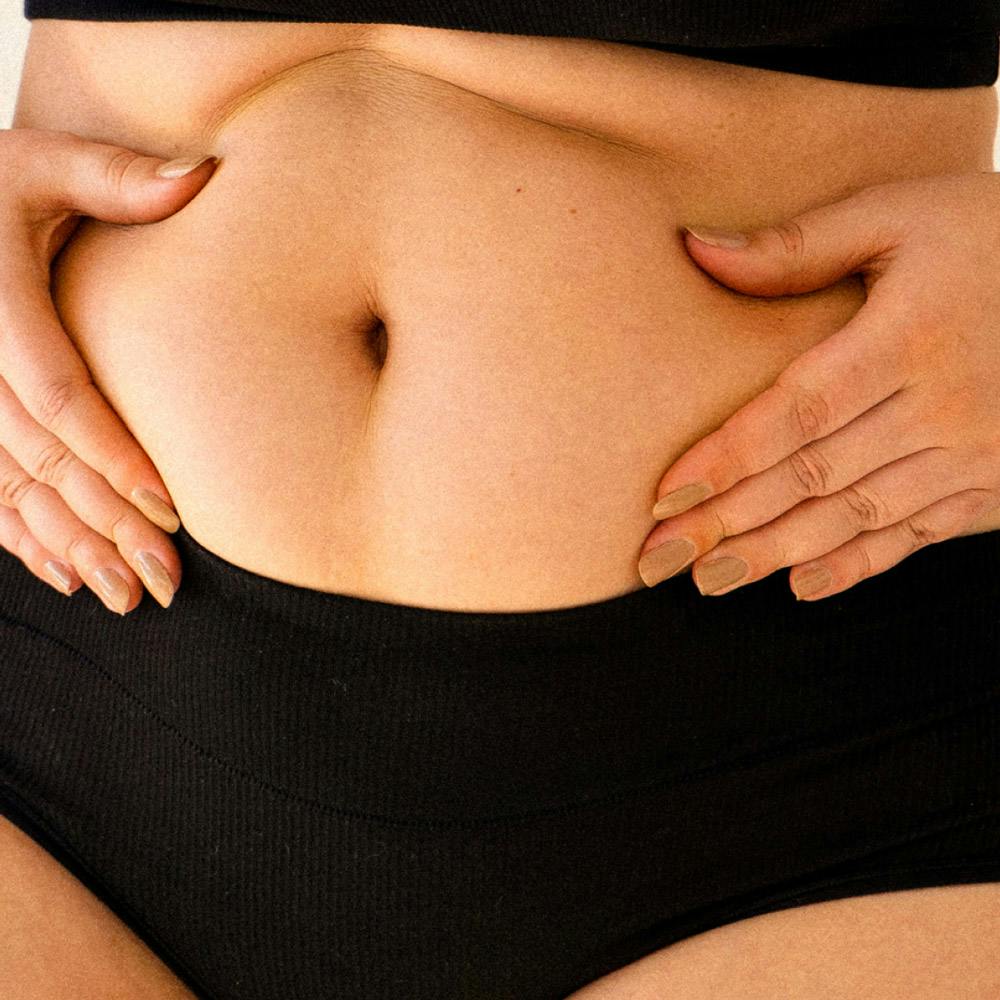
(Gut motility slowdown, microbiome shifts, stress digestion) Many women panic when bloating suddenly becomes a daily issue in their 40s. Not the “I ate too much salt” kind, but the tight, painful, unpredictable swelling that makes jeans impossible and anxiety unavoidable. Most don’t know this is tied to gut motility changes driven by declining estrogen, which slows digestion and alters the microbiome. Add stress, sitting more at work, and inconsistent meals, and the gut becomes hypersensitive. A 2024 gastrointestinal study reported that midlife women experience a 40% decrease in digestive speed compared to their 20s. The good news: the gut is highly trainable. – 20–30g of fiber per day, but increased gradually – A 10-minute “post-meal walk” dramatically improves motility – Reduce “gut-stiffening” behaviors: skipping meals, eating in a rush, long sitting – Probiotics only help when paired with regular meal timing Bloating doesn’t mean something is wrong with you—it means your body needs a rhythm again. Tags: #GutHealth #WomensHealth #HealthHacks

Why Midlife Bloating Feels Different—and Why It Scares Women