Tag Page FreedomStories

#FreedomStories
LataraSpeaksTruth

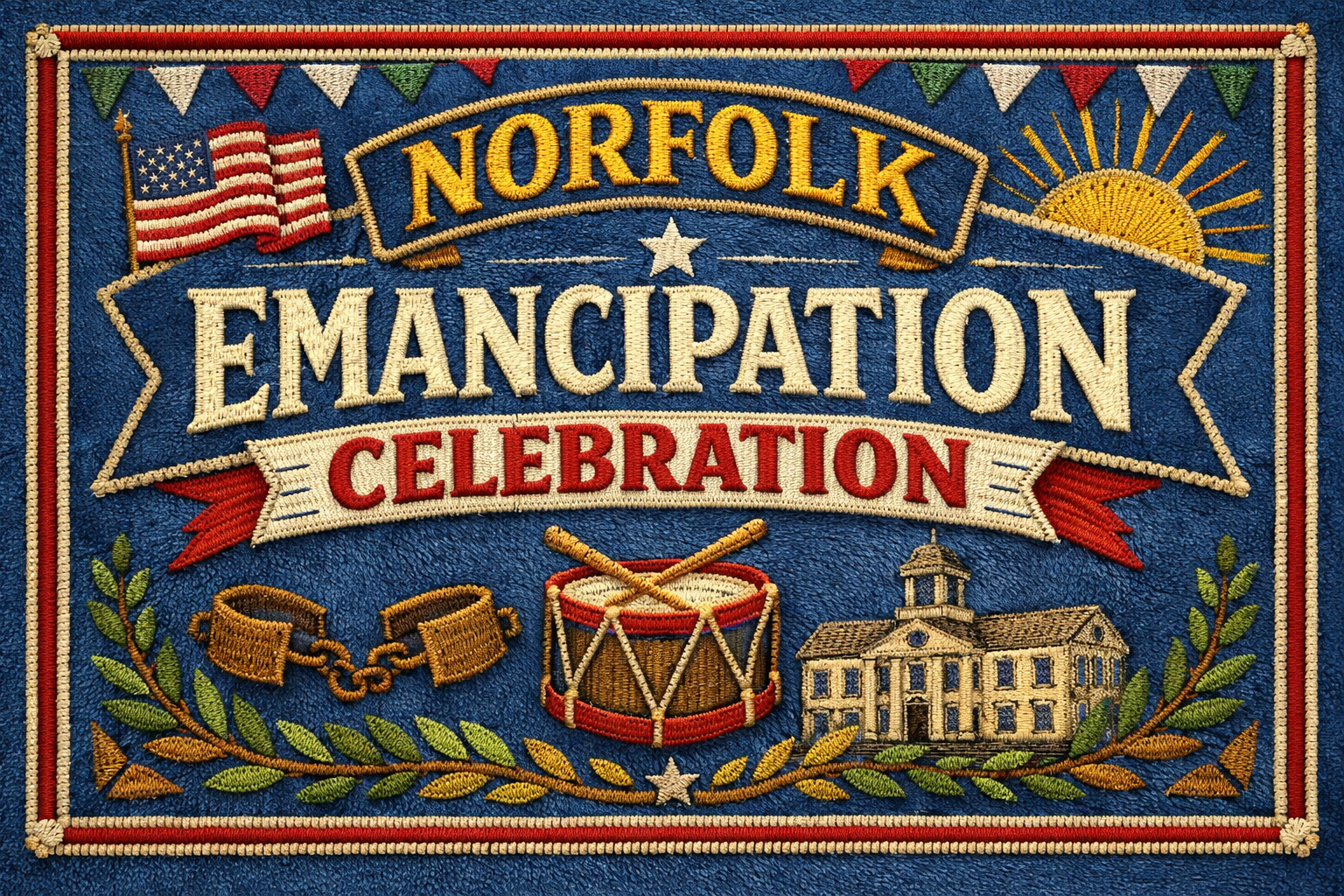
On January 4, 1863, just days after the Emancipation Proclamation took effect, Black residents of Norfolk, Virginia held one of the earliest documented public celebrations of emancipation in the United States. Norfolk had been under Union control since 1862, making it one of the few Southern cities where such a gathering was possible at the time. A contemporary newspaper dispatch dated January 4, 1863, later reproduced by Encyclopedia Virginia, described a procession of at least 4,000 Black men, women, and children moving through the city. The report noted organized marching, music, banners, and speeches, reflecting both celebration and political awareness. This was not a spontaneous gathering. It was a coordinated public declaration of freedom by people who understood the historical weight of the moment. The Emancipation Proclamation did not immediately free all enslaved people, nor did it end slavery everywhere. Its reach depended heavily on Union military presence. Norfolk’s status as an occupied city created conditions where freedom could be openly acknowledged and collectively celebrated, even while much of the Confederacy remained untouched by the proclamation’s enforcement. This January 4 procession stands as an early example of what emancipation looked like in practice rather than on paper. It shows Black communities asserting visibility, dignity, and collective memory at the very start of freedom’s uncertain road. Long before emancipation celebrations became annual traditions, Norfolk’s Black residents marked the moment themselves, in public, and on record. #January4 #BlackHistory #Emancipation #NorfolkVirginia #ReconstructionEra #CivilWarHistory #AfricanAmericanHistory #USHistory #FreedomStories

LataraSpeaksTruth

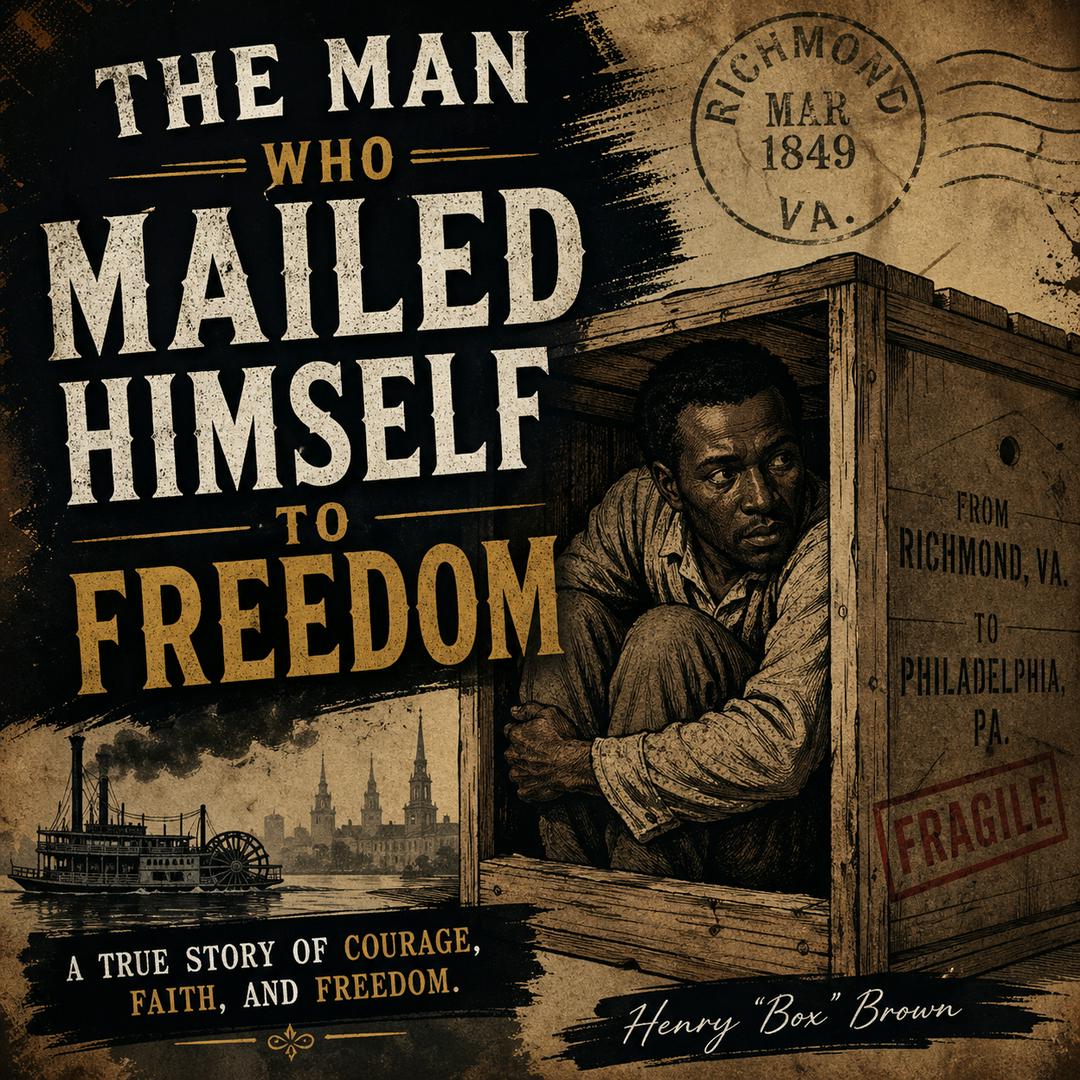
Henry “Box” Brown did not just escape slavery. He mailed himself to freedom. In March 1849, Brown was enslaved in Richmond, Virginia, where he worked in a tobacco factory. His life had already been shattered when his wife, Nancy, and their children were sold away from him. That loss pushed Brown toward one of the boldest escape plans in American history. With help from James C. A. Smith, a free Black man, and Samuel A. Smith, a white shoemaker, Brown arranged to be sealed inside a wooden crate and shipped as freight from Richmond to Philadelphia. The box measured about 3 feet long, 2 and a half feet deep, and 2 feet wide. Brown carried a little water and a few biscuits. There was a small air hole, but almost no room to move. For about 27 hours, he traveled by wagon, railroad, steamboat, and delivery wagon, folded inside a crate marked as goods. At one point, the box was reportedly placed upside down, leaving him in terrible pain. Still, he stayed silent. One sound could have ended everything. When the crate finally reached Philadelphia, abolitionists opened it. Brown stepped out alive. From that day forward, he became known as Henry “Box” Brown. His story sounds almost impossible, but that is why it matters. It shows the brutal reality of slavery, where a man had to risk suffocation, injury, and death just to claim the freedom that should have already been his. Henry Brown did not escape by chance. He escaped through planning, courage, faith, and a determination no wooden crate could hold. #HiddenHistory #AmericanHistory #HenryBoxBrown #BlackHistory #FreedomStories

You've reached the end!