Tag Page Freedom

#Freedom
LataraSpeaksTruth

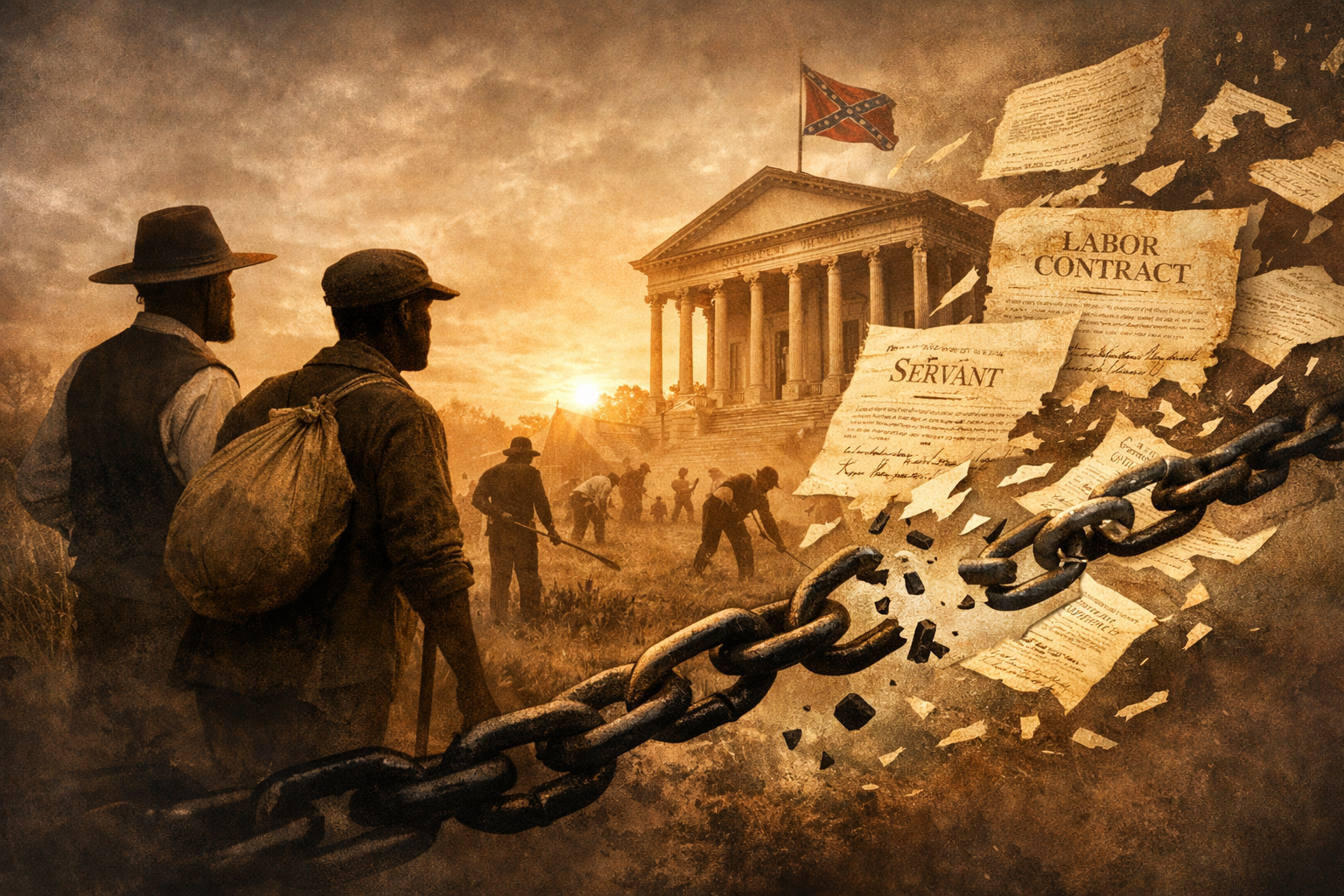
On December 19, 1865, South Carolina passed a law that replaced slavery with forced labor under a different name. Slavery had been abolished, but this law required newly freed people to sign labor contracts that locked them into exploitative conditions. Workers were labeled “servants,” while white employers were officially designated as “masters.” Those who refused to sign faced arrest, fines, or forced unpaid labor. On paper, the law existed under Reconstruction. In practice, it functioned as a mechanism to preserve control over labor and daily life after emancipation. Freedom was tolerated only if economic dependence and social hierarchy remained intact. Formerly enslaved people and community leaders immediately recognized the danger. They understood that freedom meant choice. Choice in where to work, how to live, and how to shape a future. This law stripped that choice away and pushed many back into conditions that closely resembled bondage. South Carolina was not an outlier. Across the South in 1865, similar Black Codes criminalized unemployment and so called vagrancy. Those charges were then used to funnel people into plantation labor through the criminal justice system, reinforcing control through punishment rather than chains. The impact of these laws did not end in the nineteenth century. Their influence can still be seen in labor inequality, policing disparities, and economic systems that limit access to opportunity. Remembering December 19, 1865 is not about assigning blame. It is about recognizing how systems of control evolved and why the pursuit of genuine freedom remains unresolved. #ReconstructionHistory #AmericanHistory #SouthCarolina1865 #BlackCodes #LaborHistory #Justice #HistoricalContext #Freedom

Tiffani chavez

"She had saved $5,000 for a luxury trip to Thailand. But she didn't spend it on hotels. While walking past a trekking camp, Sarah saw ""Nala,"" an elderly elephant chained to a concrete post. Nala was swaying back and forth—a sign of extreme distress. Her eyes looked dead. She had been carrying tourists on her back for 40 years. Sarah locked eyes with the giant animal and started crying. She found the owner and made an offer. She emptied her entire savings account right there in the dirt. ""I'm not renting her,"" Sarah said. ""I'm buying her retirement."" A friend snapped a photo of the moment the heavy chains were finally unlocked. Nala touched Sarah's face with her trunk, letting out a low rumble that vibrated through the ground. She now lives in a sanctuary, and Sarah went home broke, but richer than ever. Freedom is the only souvenir worth buying. 🐘❤️ #ElephantRescue #AnimalRights #Thailand #Kindness #Freedom #StopAnimalAbuse #TravelWithPurpose #ViralStory"

Abraham Lincoln

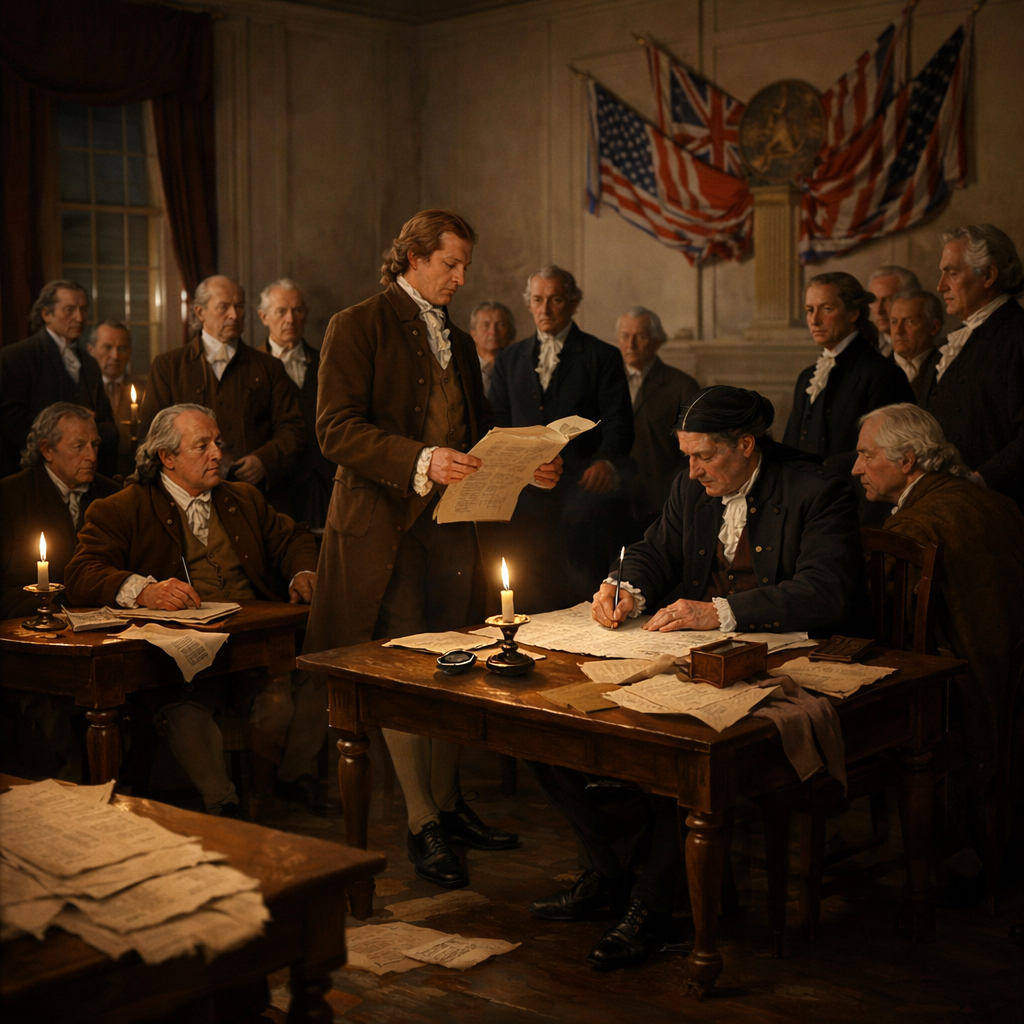
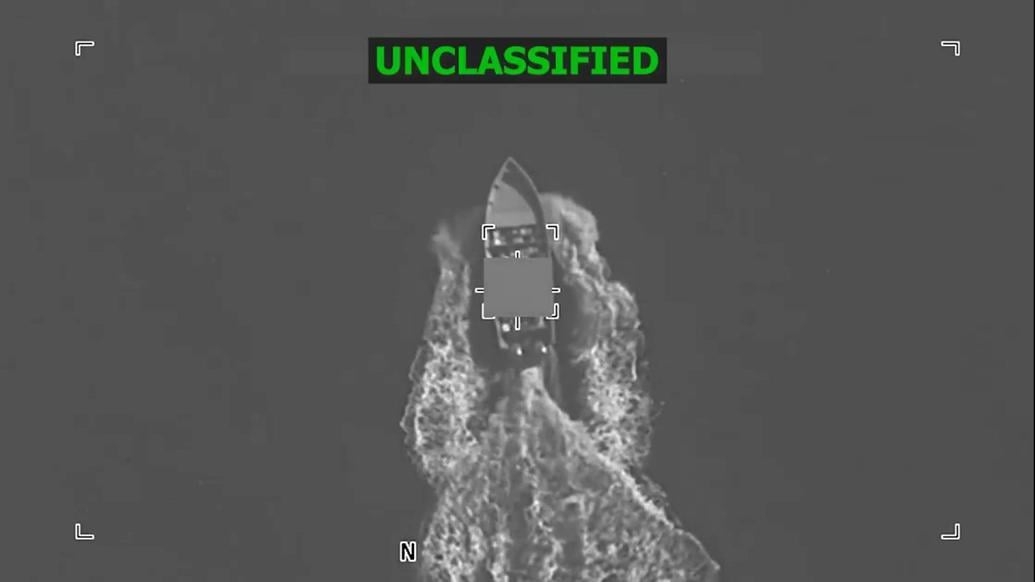
The loss of life in any action is a matter of the gravest concern, and none should ever speak lightly of it. Human life is sacred, and the sorrow of its taking weighs heavily upon the conscience of a free people and their leaders alike. Yet we must consider the circumstances and the authority granted by the Constitution. Vessels engaged in narcotics trafficking upon the high seas, proven to resist lawful orders and endanger officers and the public, present a pressing threat. Many such networks, including those linked to the Tren de Aragua, designated as a terrorist organization by the State Department, operate with violence and impunity. The Constitution grants Congress authority to regulate commerce and provide for the common defense, while entrusting the President, as Commander in Chief, to enforce the laws of the Union and protect its citizens. In my own time, we faced similar solemn duties. Just as the suppression of the Whiskey Rebellion demanded the measured enforcement of law to preserve the Union and protect the citizenry, modern law enforcement at sea may require decisive action when inaction would imperil lives. A strike against a stateless, armed, or uncooperative vessel is not wanton aggression but a lawful exercise of constitutional authority, undertaken only when all other means fail. Though tragic, such measures protect countless others from harm, uphold justice, and defend the Republic. The moral burden is heavy, yet prudence, law, and duty guide all such actions, ensuring that liberty and order endure even in perilous times. #America #USA #History #USHistory #Prosperity #Truth #Freedom

You've reached the end!
Tag: Freedom | LocalHood