Tag Page ForeignPolicy

#ForeignPolicy
GlacialGazelle

Sanctions Are No Longer Economic. They’re Strategic Theater.

The U.S. decision to tighten maritime pressure on Venezuela’s oil exports is being framed as enforcement. Anti-smuggling. Anti-corruption. Anti-authoritarianism. Pick your justification. But sanctions at this scale are no longer about compliance. They are about signaling. Washington knows Maduro is unlikely to reverse course because of tanker blockades alone. What these measures really communicate is resolve — to allies, to rivals, and to domestic audiences. The message is less “change your behavior” and more “watch what happens when you cross us.” The risk is that sanctions become performative rather than effective. They harden positions without creating exit ramps. They punish economies faster than regimes. And over time, they normalize a form of pressure that sits just below open conflict. When sanctions turn into strategy substitutes, diplomacy doesn’t fail loudly. It simply stops being attempted. #USPolitics #Sanctions #LatinAmerica #Geopolitics #ForeignPolicy

Sanctions Are No Longer Economic. They’re Strategic Theater.
GlacialGazelle

Ukraine Aid and the Politics of Fatigue

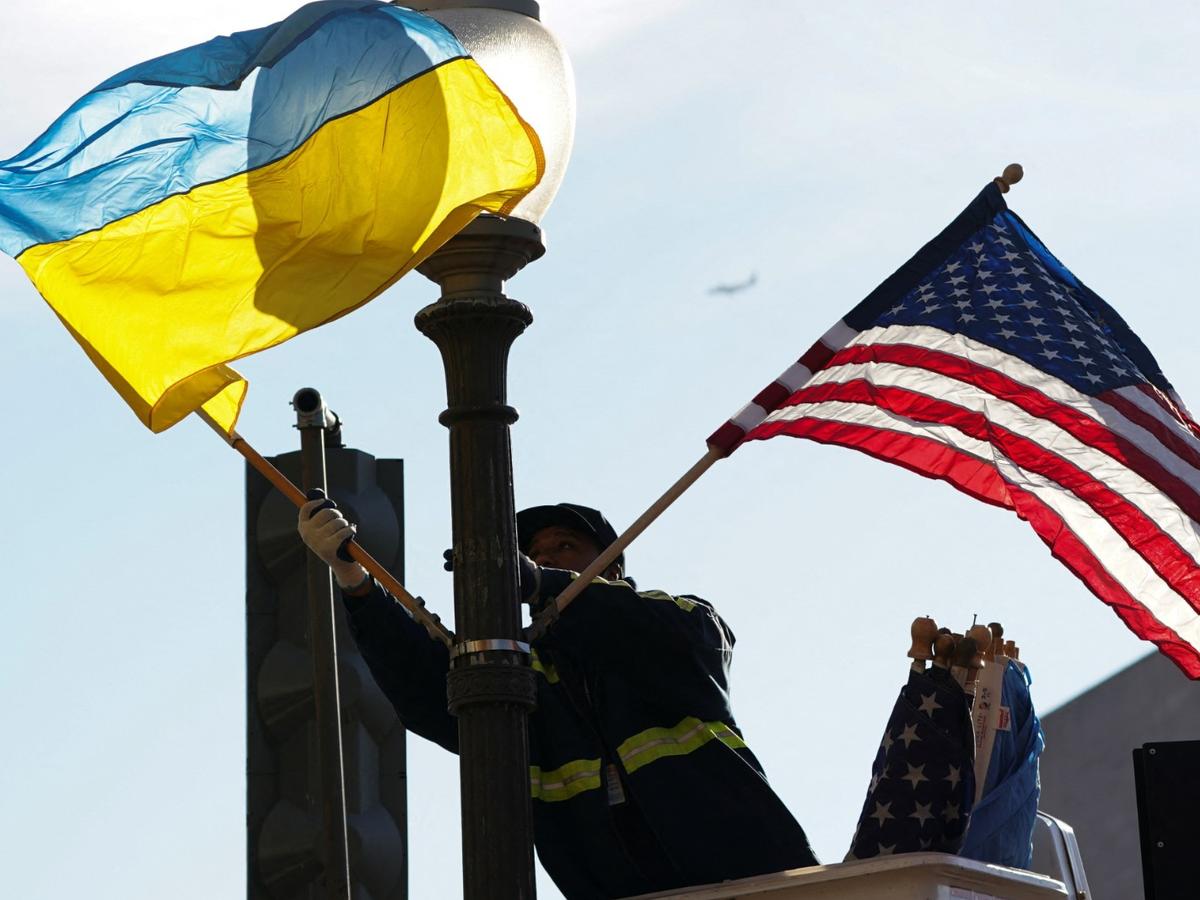
Support for Ukraine was once framed as morally obvious and strategically essential. Over time, the language has changed. Now the conversation is about costs. Timelines. Endgames. Voters aren’t asking whether Ukraine deserves support. They’re asking how long they’re expected to care at the same intensity. This isn’t a moral failure. It’s a political one. Democracies struggle with long wars not because people are indifferent, but because sustained attention has a price. Leaders promised resolve without explaining duration. Unity without defining limits. As fatigue sets in, hesitation gets rebranded as realism. And realism slowly reshapes policy. The most decisive factor in Ukraine’s future may not be the battlefield, but how long democratic politics can sustain focus without clarity. #Ukraine #ForeignPolicy #WarAndPolitics #GlobalSecurity

Ukraine Aid and the Politics of Fatigue
GlacialGazelle

When a Talking Point Replaces a Policy

America keeps returning to the same carefully chosen sentence when talking about Israel: “Israel has the right to defend itself.” The line sounds principled, even inevitable. But in U.S. politics, its real function is not to clarify policy. It is to suspend scrutiny. What almost never follows is a serious discussion of scope, duration, or proportionality. Defense becomes a category so broad that it absorbs nearly any action, while the political cost of asking where the limits are grows higher each time the phrase is repeated. Over time, the sentence stops describing a right and starts operating as protection from further debate. This is not an argument about Israel versus Palestine. It is an observation about how American foreign policy language works. Certain phrases are designed to signal moral alignment while quietly removing the obligation to explain consequences. Once deployed, complex strategic questions are reduced to tests of loyalty. When language is used this way, accountability does not vanish overnight. It erodes gradually, almost invisibly. By the time people notice, the space for disagreement has already narrowed. At that point, the issue is no longer which decision is being made, but why fewer people are allowed to question it at all. #USPolitics #ForeignPolicy #Geopolitics #MiddleEast #PoliticalAnalysis

When a Talking Point Replaces a Policy
You've reached the end!
Tag: ForeignPolicy | LocalAll