Tag Page EntertainmentHistory

#EntertainmentHistory
LataraSpeaksTruth

May 19, 2021, Paul Mooney died at age 79 at his home in Oakland, California. He was a comedian, actor, writer, and cultural critic whose work helped shape generations of comedy. Mooney is often remembered for his close creative connection to Richard Pryor. He wrote for Pryor, worked on The Richard Pryor Show, and helped sharpen a style of comedy that did not soften its words to make people comfortable. He also wrote for shows like Sanford and Son, Good Times, and In Living Color. Years later, younger audiences came to know him through Chappelle’s Show, especially through his memorable “Negrodamus” appearances. But Paul Mooney’s legacy does not come without a shadow. In 2019, Richard Pryor’s former bodyguard, Rashon Khan, publicly claimed that Mooney had sexually abused Richard Pryor Jr. when Pryor Jr. was young. Richard Pryor Jr. later spoke about being too young to consent, though public reports were careful about what was directly stated and by whom. Mooney denied the allegations, and his sons also publicly defended him. That is the complicated part of his story. Some people remember Paul Mooney as a fearless truth-teller who used comedy to expose race, hypocrisy, and American discomfort. Others cannot separate his legacy from the allegations that followed him near the end of his life. Both realities are now part of the public conversation. Paul Mooney’s comedy helped change how people heard Black anger, Black wit, and Black observation. He was sharp, uncomfortable, direct, and often ahead of the room. But like many public figures, his story is not simple. It carries influence, brilliance, controversy, denial, and questions that people still debate. And maybe that is the most honest way to tell it. Not cleaned up. Not erased. Just told with the whole shadow in the room. #PaulMooney #BlackComedy #ComedyHistory #RichardPryor #ChappellesShow #EntertainmentHistory #ComedyLegacy

LataraSpeaksTruth

January 27, 1984 is one of those dates that doesn’t get enough weight, but it should. On this day, Michael Jackson was seriously injured while filming a commercial that was meant to celebrate his superstardom, not endanger his life. During a Pepsi commercial shoot, pyrotechnics misfired and ignited his hair, setting his scalp on fire in front of a live audience and crew. What should have been a routine take turned into a medical emergency in seconds. Michael suffered second and third degree burns to his scalp and was rushed to the hospital. The physical injuries were severe, but the aftermath mattered just as much. This incident marked a turning point in his health, introducing chronic pain and medical treatments that would follow him for the rest of his life. It’s often discussed in passing, but rarely examined for what it truly was…a traumatic event that happened at the height of his pressure, fame, and isolation. At the time, Michael was not just an artist. He was the face of global pop culture, carrying expectations that never paused, even after he was burned. The show went on publicly, but privately, this incident cracked something open. Pain management, stress, and relentless scrutiny became part of the story from that point forward. January 27 isn’t about spectacle. It’s about remembering that even icons bleed, burn, and suffer consequences long after the cameras stop rolling. This wasn’t a footnote. It was a moment that altered the trajectory of a life the world felt entitled to consume without limits. History isn’t just what we celebrate…it’s also what we overlook. #OnThisDay #January27 #MichaelJackson #MusicHistory #PopCultureHistory #EntertainmentHistory #UntoldMoments #BehindTheScenes #CulturalHistory #HistoryMatters

LataraSpeaksTruth

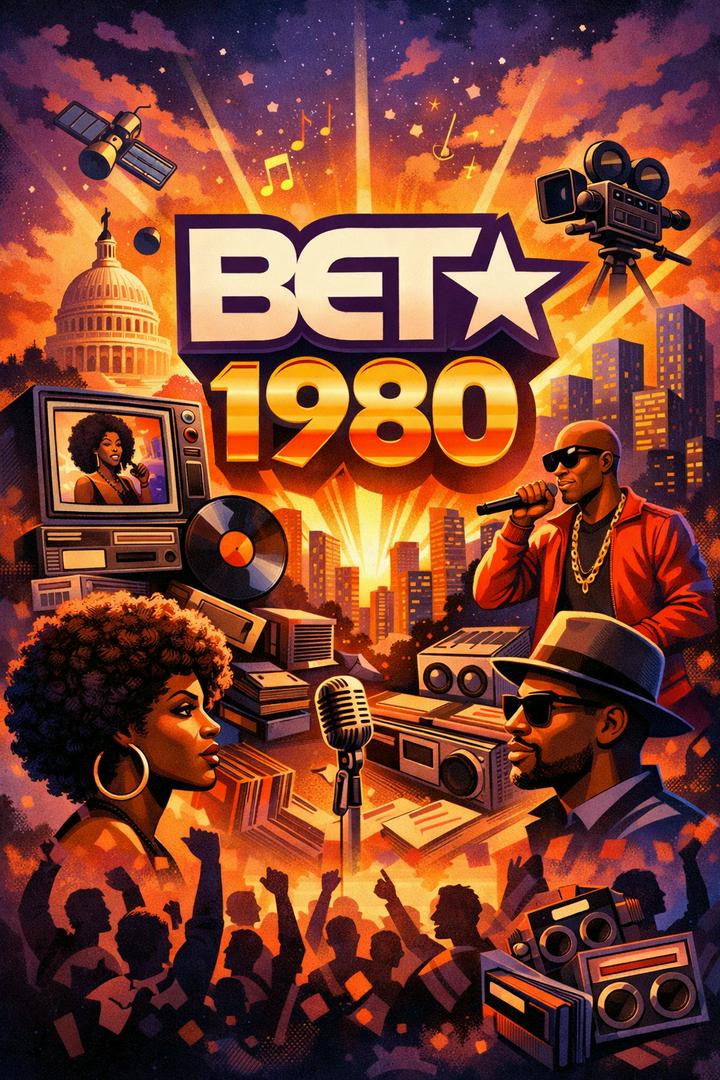
January 25, 1980 marks the launch of Black Entertainment Television, better known as BET. What began as a small cable experiment would grow into one of the most influential media platforms in American cultural history. BET was founded by Robert L. Johnson at a time when cable television was expanding, yet representation was scarce and often filtered through networks that were not built with Black audiences in mind. The channel initially aired just a few hours of programming per day, relying heavily on music videos, reruns, and public affairs content. It was modest by design, but intentional in purpose. The significance of BET’s launch was not about scale. It was about access. For the first time, a cable network centered Black voices, Black music, Black interviews, and Black stories as its core audience rather than an afterthought. It created a national platform for artists, journalists, comedians, and public figures who otherwise struggled for consistent visibility on mainstream television. Over time, BET evolved into a cultural gatekeeper. Shows like Video Soul, BET News, Rap City, and later award programs became reference points for generations. The network documented shifting musical eras, political conversations, fashion trends, and social debates as they unfolded in real time. BET did not just reflect culture…it archived it. While the network has faced criticism and controversy across different eras, its existence changed the media landscape permanently. BET proved that Black-centered programming was not niche, not temporary, and not optional. It was viable, influential, and deserving of space. January 25, 1980 stands as more than a launch date. It marks a moment when representation moved from limited windows to a dedicated channel, setting a precedent that reshaped cable television and cultural storytelling for decades to come. #OnThisDay #January25 #BET #MediaHistory #TelevisionHistory #CulturalHistory #BlackMedia #EntertainmentHistory #AmericanHistory

LataraSpeaksTruth

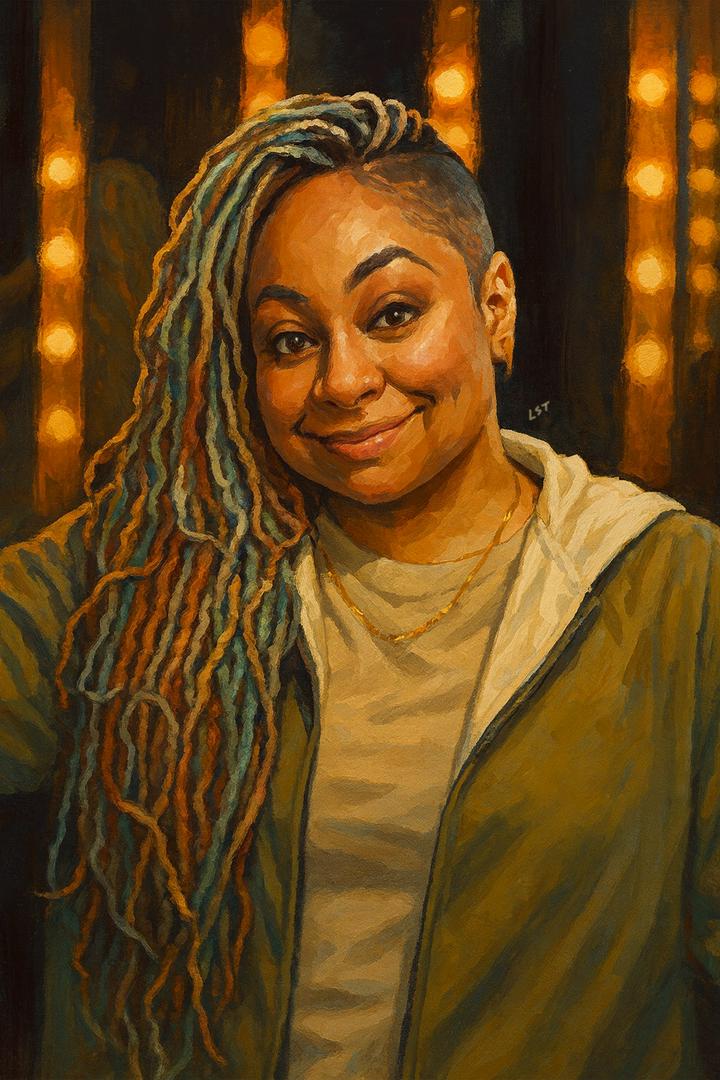
On December 10, 1985, Raven-Symoné entered the world, and television quietly braced itself. By three years old she was lighting up The Cosby Show. She delivered punchlines like she had an ancient comedian whispering in her ear. No caricature, no shrinking. She was simply a little Black girl taking the room by storm at a time when the industry barely imagined such brilliance without a box waiting for it. As she grew, the spark only sharpened. The early 2000s crowned her with That’s So Raven, a show that did more than entertain. It shifted something. Loud, joyful, unpredictable, and deeply real, it let a Black teenage girl be the sun of her own solar system. She was messy, magical, dramatic, creative, and human in ways young Black girls were rarely allowed to be on screen. For countless kids watching after school, she was not just a character. She was a blueprint. A permission slip. A sign that they could take up space without apology. Her career stretched easily across sitcoms, music, voice work, hosting, and producing. She showed that a child star could grow without burning out. She chose intention over frenzy. She chose longevity over noise. That steady clarity is part of why her presence still feels solid decades later. Her impact runs deeper than performance. Representation is not a trend. It is a mirror. Raven-Symoné offered a generation a reflection they had been denied for too long. She centered young Black girls in a world that often forgot them. She stood fully in her light and quietly said: See yourself. You belong here. As she celebrates another year of life, her legacy continues to echo. From scene-stealing child to industry veteran, she helped widen the doorway. The kids who once looked up to her now walk through it with a little more confidence in their stride. #RavenSymone #ThisDayInHistory #EntertainmentHistory #RepresentationMatters #NewsBreakCommunity #CultureAndLegacy

LataraSpeaksTruth

Obba Babatundé Born on This Day in 1951

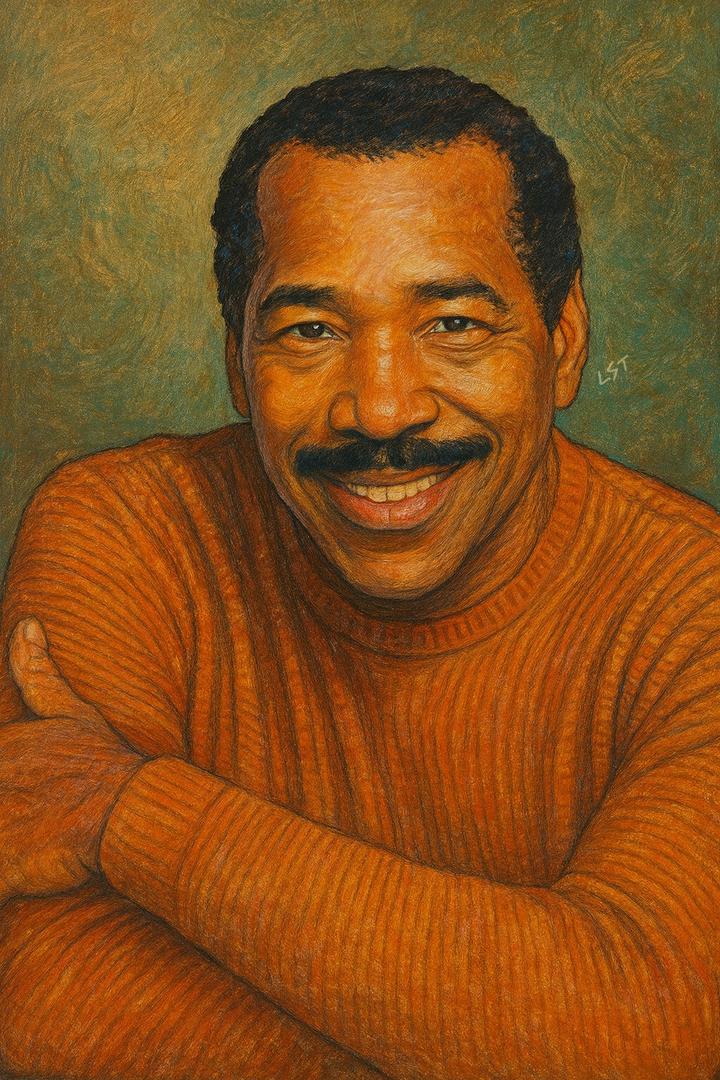
From Broadway stages to classic films, he built a career defined by range and longevity. On December 1, 1951, Obba Babatundé was born in Queens, New York. His path from a kid with talent to a nationally respected actor shows what happens when discipline and versatility work hand in hand. He began in local performances and quickly stood out as someone who could master any role placed in front of him. Audiences on Broadway watched him rise in the original production of Dreamgirls where he played C. C. White. The role earned him a Tony Award nomination and made it clear that he belonged in the ranks of top stage performers. His work reached well beyond the theater. Babatundé became a recognizable force in film and television, taking on roles that required both emotional depth and sharp comedic timing. One of his most memorable pop culture appearances came in the movie How High where he played Dean Cain, the stressed and uptight administrator shocked by the chaos unfolding around him. It was a small role but the impact was immediate. His delivery, presence, and comedic control added another layer to the film and showed how effortlessly he could shift from drama to humor. Babatundé built a career rooted in dedication, heritage, and range. His birthday marks the rise of a performer who continues to influence stages, screens, and generations of actors who follow after him. #ObbaBabatunde #OnThisDay #BlackHistory #EntertainmentHistory #Dreamgirls #HowHigh #FilmAndStage #ActingLegend #NewsBreakCommunity

Obba Babatundé Born on This Day in 1951
LataraSpeaksTruth

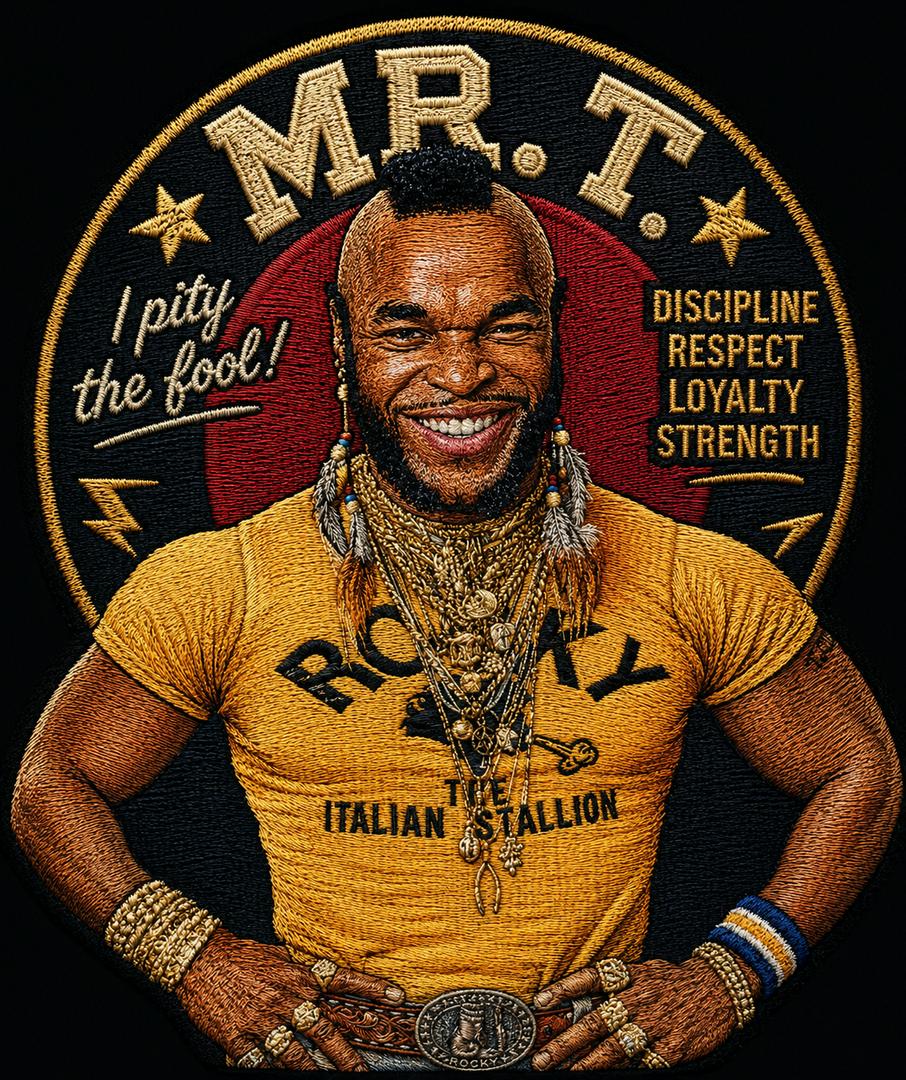
Born May 21, 1952, Mr. T became more than a catchphrase. Before the gold chains, the mohawk, and “I pity the fool,” he was Laurence Tureaud from Chicago’s South Side. Born into a family of 12 children, he grew up in the Robert Taylor Homes and became known early for discipline, toughness, and athletic ability. He attended Dunbar Vocational High School, where he played football, wrestled, and studied martial arts. That foundation helped shape the larger-than-life figure America would later recognize. Before Hollywood, he served in the U.S. Army, worked as a bouncer, and became a bodyguard for major names including Muhammad Ali and Michael Jackson. His bold image was not random. The gold chains became part of his look during his bouncer years, while his hairstyle was inspired by Mandinka warriors. His name, his image, and his presence were tied to respect, identity, and being seen as a man in a world that often denied Black men that basic dignity. His breakout moment came when Sylvester Stallone cast him as Clubber Lang in Rocky III. From there, Mr. T became a household name. His role as B.A. Baracus on The A-Team turned him into one of the most recognizable stars of the 1980s. But behind the tough-guy image was also someone who became a role model for children, using television, music, and public appearances to promote discipline, confidence, and staying away from trouble. Mr. T’s story is not just about fame. It is about a man who built an identity so strong that the world had no choice but to remember it. From Laurence Tureaud to Mr. T, he turned survival, style, and self-respect into a cultural legacy. #MrT #BlackHistory #OnThisDay #EntertainmentHistory #ChicagoHistory #TheATeam #RockyIII #BlackExcellence #PopCultureHistory

You've reached the end!
Tag: EntertainmentHistory | LocalAll