Tag Page DidYouKnow

#DidYouKnow
DidYouKnow

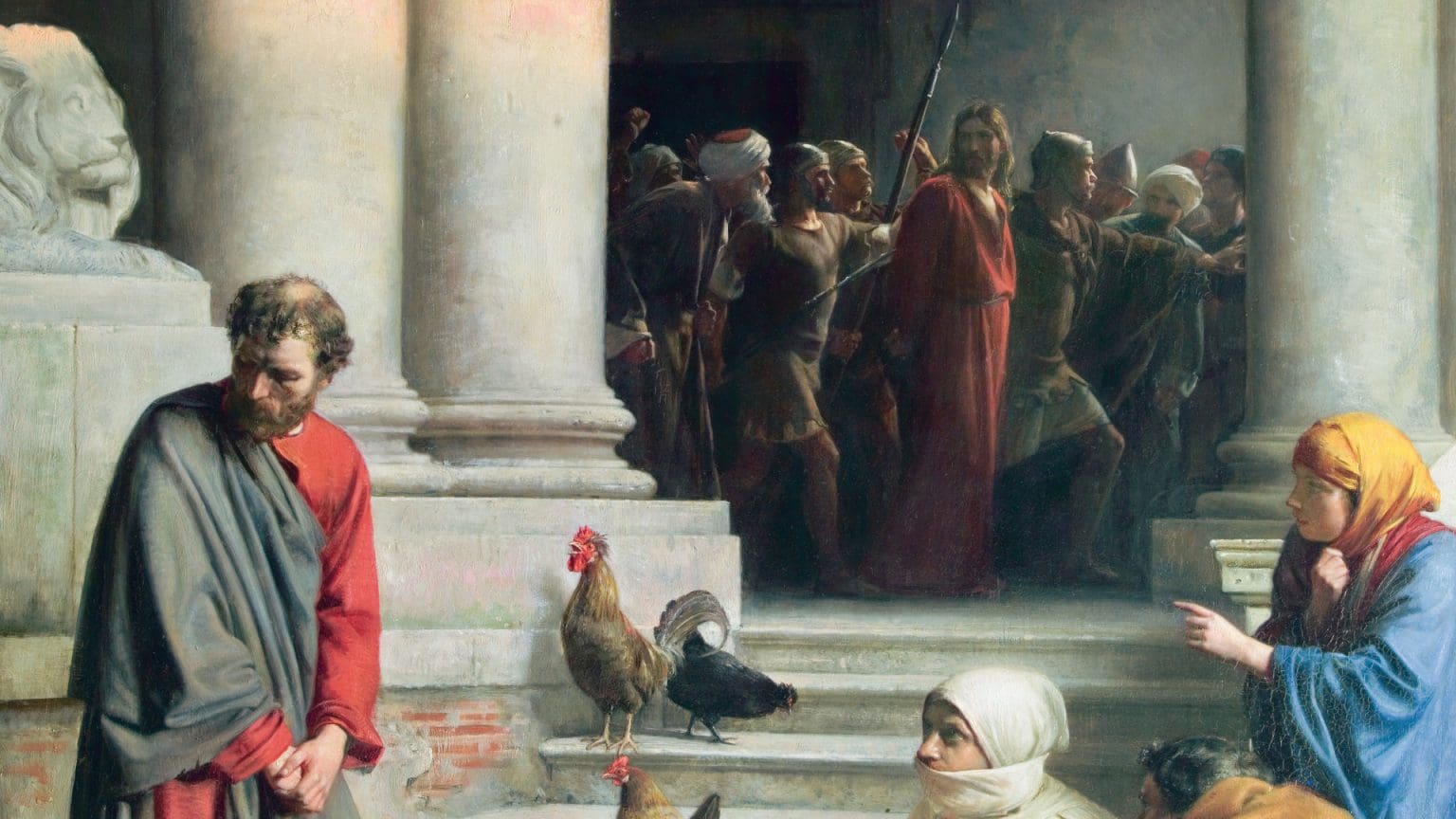
“God works in mysterious ways” is not in the Bible.

This phrase is quoted constantly—especially when answers are missing. Most people assume it comes straight from Scripture. It does not. The Bible does say God’s ways are higher. But it never uses this sentence. That matters, because the phrase often shuts down pain. It ends conversations instead of opening them. Scripture does not use mystery as a dismissal. It uses it as an invitation to humility, not silence. Many older believers search this phrase when they feel unheard. When grief or confusion never resolved. The Bible does not tell them to stop asking. It records the questions. If you were told to accept mystery instead of being understood, that was not the Bible speaking. It was culture filling the silence. #BibleMisconceptions #MandelaEffect #FaithQuestions #ChristianReflection #DidYouKnow

“God works in mysterious ways” is not in the Bible.
DidYouKnow

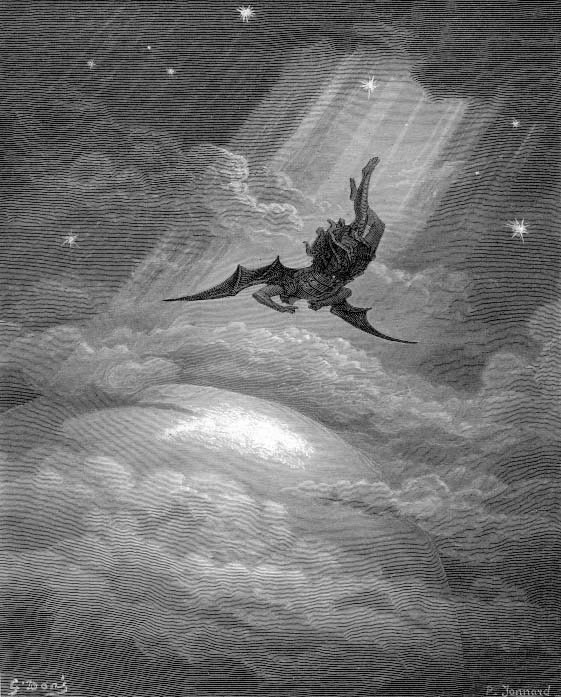
The Bible never says Satan was a fallen angel.

Most people are sure of this. Satan was an angel. He rebelled. He fell from heaven. But the Bible never clearly says that. The idea comes from later interpretations, not a single explicit verse. Isaiah’s “morning star” passage is about a human king, not Satan. Revelation uses symbolic imagery, not a biography. That matters, because many believers imagine evil as a tragic fall from light. A cosmic backstory that explains everything neatly. But Scripture presents Satan less as a fallen hero, and more as an accuser. A disruptor. A tester. This changes how temptation feels. Less dramatic. More subtle. More ordinary. If evil in your life never looked grand or obvious, that does not mean you missed something. It may mean the Bible never described it the way we remember. #BibleMisconceptions #MandelaEffect #SpiritualWarfare #BiblicalTruth #DidYouKnow

The Bible never says Satan was a fallen angel.
DidYouKnow

“Where two or three are gathered” was not about church attendance.

This verse is quoted constantly to comfort low turnout. As if Jesus was saying small services still “count.” But that is not the context. Jesus is speaking about conflict resolution and accountability. The phrase refers to difficult conversations, not worship size. That matters, because many believers search this verse when they feel lonely in church. When community shrinks. When numbers decline. But Jesus was not lowering expectations. He was emphasizing responsibility and presence in hard moments. God’s presence was never a consolation prize for low attendance. It was a promise to those doing difficult relational work. If church has felt smaller but heavier, that does not mean God is less present. It may mean the work has become more real. #BibleMisconceptions #MandelaEffect #ChurchLife #BiblicalTruth #DidYouKnow

“Where two or three are gathered” was not about church attendance.
DidYouKnow

“Judge not” does not mean “never make moral judgments.”

This is one of the most searched Bible phrases online. Usually used to shut down conversation. But Jesus’ words are far more specific. In Matthew 7, “judge not” refers to hypocritical judgment— condemning others while refusing self-examination. Jesus does not forbid discernment. He forbids moral superiority. That matters, because many believers feel confused. They are told silence equals love, and conviction equals cruelty. But Scripture does not ask you to abandon wisdom. It asks you to abandon arrogance. If you struggled to speak truth without sounding harsh, that tension is biblical—not sinful. The Bible never erased moral clarity. It corrected the posture behind it. #BibleMisconceptions #MandelaEffect #BiblicalContext #ChristianWisdom #DidYouKnow

“Judge not” does not mean “never make moral judgments.”
DidYouKnow

Jesus never said “Hate the sin, love the sinner.”

This phrase is quoted constantly in moral discussions. Many assume it comes directly from Jesus. It does not. Jesus never separates people into “sinner” and “acceptable object of love.” He eats with them. Touches them. Defends them. The phrase comes from much later theological language, not the Gospels. That matters, because this line is often searched by believers trying to justify emotional distance. They want to feel loving without being close. But Jesus’ pattern is relational, not theoretical. He engages people before correcting anything. If you have felt wounded by how this phrase was used on you, Scripture does not require you to accept that framing. The Bible never taught love from a distance. It taught love with risk. #BibleMisconceptions #MandelaEffect #JesusTeachings #ChristianLife #DidYouKnow

Jesus never said “Hate the sin, love the sinner.”
DidYouKnow

“This too shall pass” is not in the Bible.

People quote this line constantly—especially in grief, illness, and anxiety. It sounds ancient. Wise. Biblical. But it is not Scripture. The phrase comes from later folklore, not the Bible. And that distinction matters. Because “this will pass” suggests relief is guaranteed. That pain is temporary by design. But the Bible is more honest than that. Some losses do not pass. Some scars remain. Scripture does not promise that everything ends quickly. It promises God remains present faithfully. Many older believers search this phrase late at night, wondering why something never passed for them. The Bible never tells them they misunderstood healing. It tells them endurance counts even when relief does not come. If something in your life never passed, that does not mean you lacked faith. It means you lived inside reality—not slogans. #BibleMisconceptions #MandelaEffect #ChristianGrief #FaithAndSuffering #DidYouKnow

“This too shall pass” is not in the Bible.
DidYouKnow

The Bible never says “The lion will lie down with the lamb.”

Most people are sure this image is biblical. It’s everywhere—sermons, paintings, children’s books, even Christmas cards. But that line is not in the Bible. Isaiah actually says the wolf will dwell with the lamb. Not the lion. That difference matters more than it sounds. Lions symbolize power. Wolves symbolize threat. We turned a dangerous image into a gentle one. And in doing so, we softened the vision. Isaiah was not describing a world where strength becomes cute. He was describing a world where violence is restrained. Many believers search for this verse when they are tired of conflict— in families, politics, churches. They want reassurance that everything will become harmless. But the Bible does not promise harmlessness. It promises restraint, justice, and transformation under God’s rule. If peace still feels fragile and incomplete, that does not mean prophecy failed. It may mean we remembered it wrong. #BibleMisconceptions #MandelaEffect #BiblicalProphecy #Isaiah #DidYouKnow

The Bible never says “The lion will lie down with the lamb.”
Hatter Gone Mad

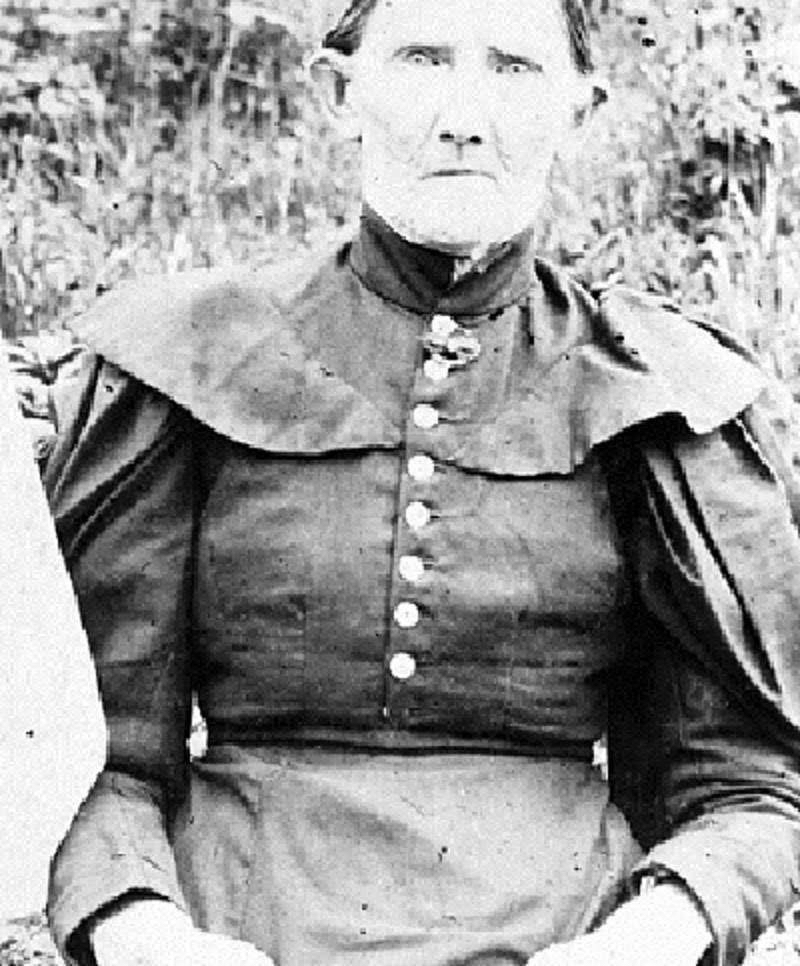
She buried twenty-four babies of her own, one small grave at a time, in the rocky soil of the Blue Ridge Mountains. Born around 1844 in North Carolina, Orlean Hawks Puckett married at sixteen and built a hard, isolated life near Groundhog Mountain, Virginia. In 1862 she gave birth to her first child, Julia Ann, and for seven months she knew joy—until diphtheria took her baby. Then it happened again. And again. Some babies lived hours. Some days. Some never breathed at all. None survived long enough to call her Mama. In an era with no answers, no medicine, and no mercy, Orlean carried a grief most people would not survive. Today we believe Rh disease caused the losses, but she could only bury her children and keep going. And then, around age fifty, when a neighbor went into labor and no one else could help, Orlean stepped forward. In that moment, she turned unimaginable loss into purpose. For the next fifty years, she walked miles through mountains and storms, never charging a penny, delivering babies in dirt-floor cabins with only her hands, her knowledge, and fierce determination. She delivered more than one thousand babies. She never lost a single mother. She never lost a single child. The woman who lost everything made sure no other mother had to. That is not just survival. That is transformation. That is choosing love after devastation, again and again, for a lifetime. #WomensHistory #fyp #courageous #didyouknow #AppalachianWomen #MidwifeLegacy