Dawn Smith+FollowGoogle vs. Proxy Networks: Who Wins?Google just took down millions of devices from a massive residential proxy network, IPIDEA, aiming to shield users from cybercriminals and state-backed hackers. While this is a big win for device security, it raises a hot debate: Are these crackdowns enough to keep our connected lives safe, or are hackers always one step ahead? What’s your take on the ongoing cat-and-mouse game between tech giants and cyber threats? #Tech #CyberSecurity #Google00Share
Paul Hall+FollowOffice Security Alert: Update or Risk It?Microsoft just dropped a critical patch for Office 2016 and 2019, and it’s not just another routine update. This one closes a major vulnerability that could let hackers in with a single malicious file. If you’re still running these versions offline, don’t sleep on this—get the patch now. Is it time to rethink how we handle legacy software, or is this just the cost of using older tech? #Tech #MicrosoftOffice #Cybersecurity00Share
chenmichele+FollowMicrosoft Office Patch: Security Wake-Up Call?Microsoft just dropped an emergency fix for a critical Office vulnerability that lets attackers sneak past built-in protections if you open a malicious file. This exploit leverages weaknesses in how Office handles embedded objects, turning trusted formats into a hacker’s playground. With phishing still the go-to attack vector, is patching enough, or do we need a total rethink of document security? Let’s debate: Are we patching symptoms or the root cause? #Tech #MicrosoftOffice #Cybersecurity00Share
Stephen Johnson+FollowIs Microsoft Office Still Safe for Work?Microsoft just dropped an emergency patch for a major Office vulnerability that let hackers bypass security checks and run malware. The fix is rolling out, but it raises a big question: with attackers actively exploiting flaws before patches land, is it time to rethink how we trust productivity suites? Would you switch to another platform, or do you trust Microsoft’s rapid response? Let’s debate. #Tech #MicrosoftOffice #Cybersecurity00Share
Kara Rosario+FollowMicrosoft Office Patch: Real Security Fix?Microsoft just dropped an emergency update for Office after hackers started exploiting a flaw that lets them bypass key security features. The catch? The patch is rolling out automatically for newer versions, but if you’re on Office 2016 or 2019, you’ll need to tweak your registry to stay safe. Does this highlight a bigger issue with how legacy software is supported, or is Microsoft doing enough? Sound off below! #Tech #Microsoft365 #Cybersecurity00Share
Barbara Valentine+FollowChrome Extensions: Friend or Foe?Just when we thought browser extensions were all about boosting productivity, researchers found several Chrome add-ons quietly hijacking business accounts. These tools looked polished and promised convenience, but instead, they stole login data and blocked security features. It’s a wake-up call: How do you balance the need for seamless workflows with real browser security? Are you regularly auditing your extensions, or trusting the Chrome Web Store too much? Let’s debate: Is convenience worth the risk? #Tech #Cybersecurity #BrowserSecurity10Share
Paul Hall+FollowAre Your Browser Extensions Spying on You?Ever thought your favorite browser extension could be a trojan horse? Over 800,000 users unknowingly installed malicious add-ons that hijacked web security, tracked clicks, and even solved CAPTCHAs to enable fraud. The kicker? Some were hiding in plain sight for years. With steganography and delayed execution, these extensions blurred the line between convenience and risk. Is it time for a browser extension detox, or are we overreacting to the threat? #Tech #cybersecurity #browserextensions00Share
Brooke Silva+FollowCan Gamers Accidentally Leak Military Secrets?Who knew Crusader Kings 3 could spark a real-world security debate? A Reddit post from a supposed submarine crew member may have revealed more than just their gaming setup—potentially exposing classified location data. With the metadata debate raging, do you think tech-savvy gamers pose a genuine risk to military secrecy, or is this just internet paranoia? Let’s talk digital footprints and operational security in the age of always-on connectivity. #Games #VideoGames #CyberSecurity30Share
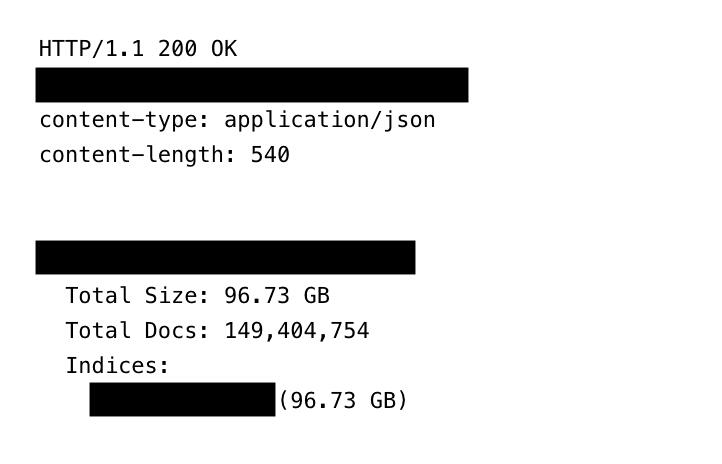
Glen Bryant+FollowWould You Trust Your Data After This Leak?149 million logins—Gmail, Facebook, even government accounts—were left wide open in a massive, unencrypted database. The culprit? Infostealer malware that scoops up credentials and organizes them for hackers. As someone who follows security closely, I’m floored by the scale and the fact that new data kept pouring in as experts tried to shut it down. Are we underestimating the industrial power of credential theft? What’s your move: password manager, two-factor authentication, or something else? #Tech #databreach #cybersecurity00Share
Melissa Suarez+Follow149 Million Passwords: How Safe Are We?Just when you think your logins are safe, a researcher finds a database with 149 million stolen credentials—no password, no encryption, just sitting online. This stash included everything from social media to banking logins, and even government accounts. If malware can silently harvest this much data, are we underestimating the real-world impact of credential leaks? What’s your take on the next step for digital self-defense? #Tech #Cybersecurity #DataBreach10Share