Tag Page CulturalSurvival

#CulturalSurvival
LataraSpeaksTruth

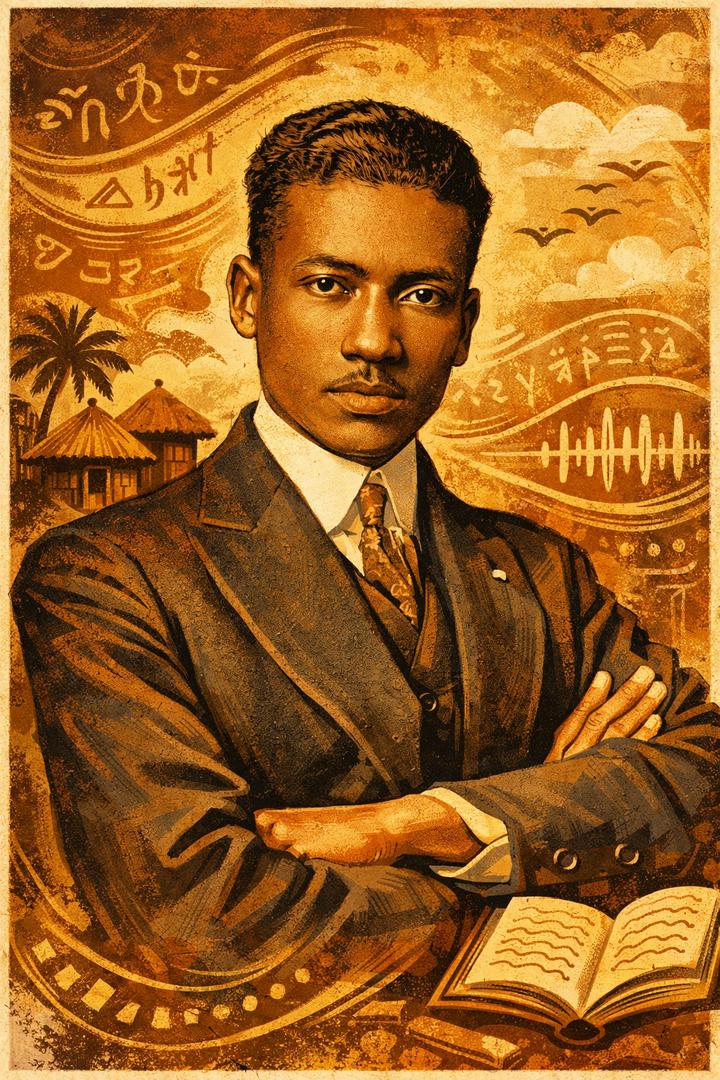
Lorenzo Dow Turner didn’t just study language…he rescued it from erasure. At a time when mainstream scholarship insisted that the descendants of enslaved Africans had lost their original languages and intellectual systems, Turner did the unthinkable…he listened. And what he heard shattered a lie that had been protected for generations. Through years of meticulous research, field recordings, and direct engagement with Gullah Geechee communities, Lorenzo Dow Turner proved that Gullah Geechee speech was not broken English or linguistic decay. It was retention. African grammar, vocabulary, tonal patterns, and structure had survived the Middle Passage and centuries of forced assimilation. Languages like Wolof, Mende, Yoruba, and others were still echoing in everyday speech along the Sea Islands of the American South. This was more than linguistics. It was evidence of memory. Of continuity. Of intelligence that refused to die quietly. Turner showed that culture didn’t disappear under bondage…it adapted, disguised itself, and passed from mouth to ear when books were forbidden and history was denied. Why does this matter now. Because language is proof of humanity. If language survived, then so did knowledge systems, values, and ways of understanding the world. Turner’s work dismantled the myth that enslavement erased African identity. It didn’t. It challenged the idea that survival must look pristine to be legitimate. Sometimes survival sounds like a cadence. A rhythm. A way of speaking that carries centuries inside it. Lorenzo Dow Turner didn’t just document a people. He restored truth to the record. #LorenzoDowTurner #GullahGeechee #LanguageIsMemory #CulturalSurvival #HiddenHistory #AfricanDiaspora #AmericanHistory #Linguistics #WeRemember

LataraSpeaksTruth

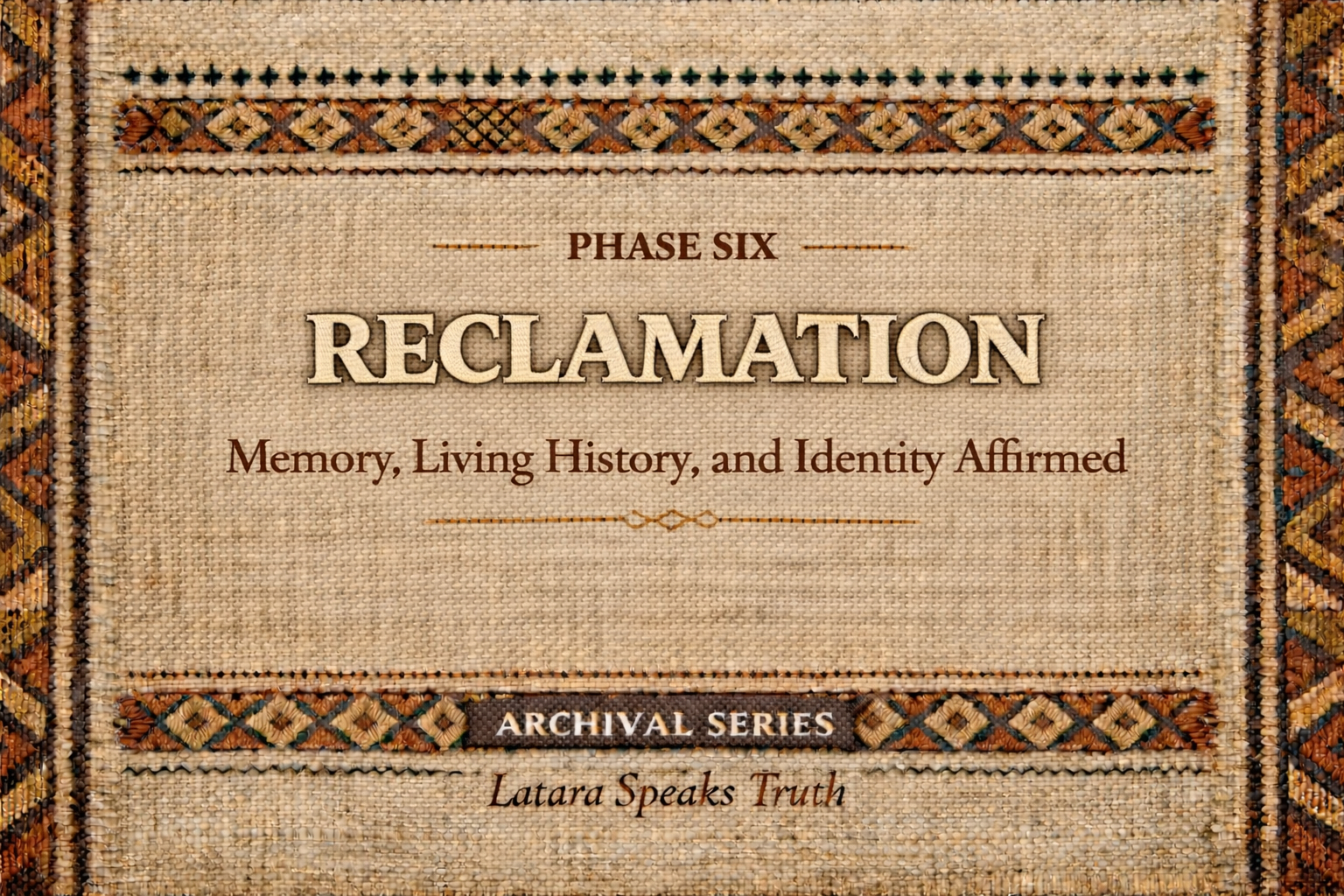
Phase Six. Reclamation. After decades of dispute, exclusion, and denial, descendants began reclaiming identity beyond federal approval. When records failed to recognize them, families turned to memory, oral history, church records, land deeds, cemeteries, and kinship networks to reconstruct what paperwork had erased. Reclamation did not begin with permission. It began with research. Descendants traced lineages through fragmented archives, comparing census data, treaty language, enrollment records, and family testimony. What emerged was continuity where the record claimed absence. Communities that had survived entanglement and erasure refused disappearance. For many Black American Indians and Freedmen descendants, reclamation meant asserting identity without enrollment, recognition without validation, and belonging without institutional approval. Cultural practice, storytelling, and community became acts of resistance. Identity was no longer something granted. It was something affirmed. This phase does not suggest resolution. Legal battles continue. Enrollment disputes persist. Recognition remains uneven. But reclamation represents a shift in power. The narrative is no longer controlled solely by the same systems that produced erasure. Memory challenges record. Lived history confronts official silence. Reclamation is not about restoring the past exactly as it was. It is about refusing the lie that it never existed. It marks the continuation of identity beyond removal, classification, and denial. What survived entanglement, enumeration, erasure, and dispute did not vanish. It adapted. The archive does not end here. It speaks forward. #Reclamation #BlackAmericanIndian #ArchivalSeries #HistoricalRecord #CulturalSurvival #IdentityAsserted #LivingHistory #LataraSpeaksTruth
You've reached the end!