Tag Page CostOfLiving

#CostOfLiving
TrueNorthMedia

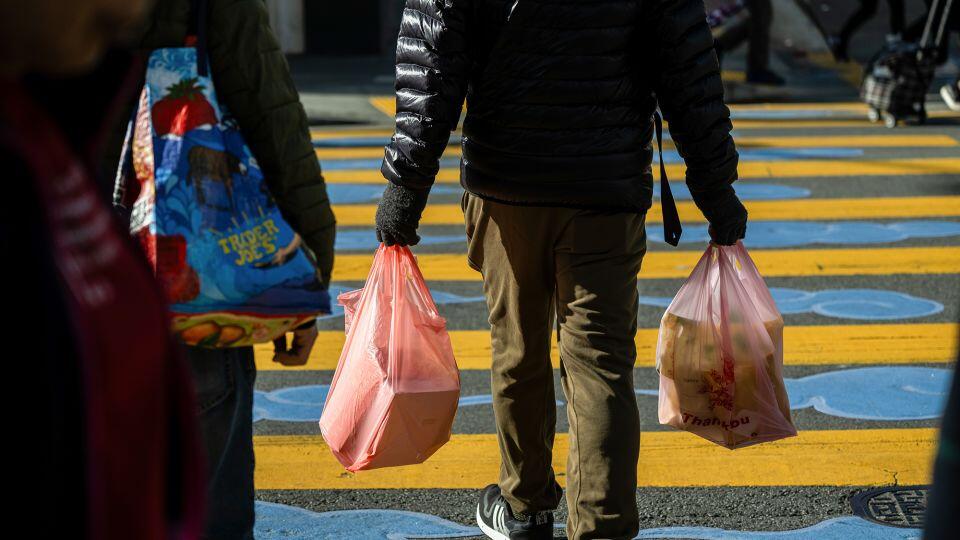
Why $15–$25 an Hour Doesn’t Work Anymore — The Grocery Shock No One Explained Millions of Americans are wondering why a family grocery trip that used to cost $120 now hits $250–$350. People blame budgeting, politics, or “overspending,” but the truth is bigger: the global food system cracked, and U.S. families are paying the price. When Russia invaded Ukraine in 2022, it didn’t just start a war. It disrupted one of the world’s biggest food suppliers overnight. Ukraine used to feed over 400 million people. When ports shut down and fields were destroyed, wheat, corn, and sunflower oil vanished from the global market—and global food prices exploded. That shock hit U.S. grocery shelves instantly. Then fertilizer costs tripled. Russia and Belarus produce major fertilizer ingredients. Sanctions and shipping breakdowns made fertilizer hard to get worldwide. Farmers everywhere grew less. Smaller harvests meant higher prices for American meat, dairy, produce, and bread. Fuel and shipping spiked next. Every truck bringing your groceries, diapers, and household essentials cost more to operate. Those increases landed directly on U.S. families already stretched thin. People ask: “Why do we care about a war overseas when Americans can’t afford groceries?” Because if Ukraine collapses, Russia gains control over massive grain routes, fertilizer supplies, and Black Sea shipping lanes—driving even more instability and higher prices. The truth is harsh but simple: Your paycheck didn’t shrink. The world changed. And $15–$25 an hour can’t hold up a family against global shocks this large. #InflationCrisis #GroceryPrices #CostOfLiving #FamilyStruggle #WorkingClass #Economy2025 #GlobalEconomy #UkraineWarImpact #FoodPrices #AmericanFamilies #MinimumWage #EconomicReality #TrueNorthMedia

TrueNorthMedia

SNAP Benefits Pause May Hit Grocery Industry Harder Than Expected!

Government Shutdown Threatens Ripple Effect on Grocery Industry if SNAP Payments Halt With a possible government shutdown expected to halt SNAP (Supplemental Nutrition Assistance Program) payments on November 1, much of the national focus has been on the millions of families who rely on the program to buy food. However, economists warn that the impact could extend far beyond households — potentially affecting grocery stores, food producers, and retail workers across the country. Major retailers such as Walmart and grocery chains nationwide receive billions of dollars each year through SNAP purchases. According to the U.S. Department of Agriculture, every $1 in SNAP spending generates an estimated $1.50 to $1.80 in economic activity. That means a disruption in benefits could lead to lower sales, reduced store hours, and potential layoffs, especially in lower-income communities. Industry analysts note that smaller grocery stores and local markets could be hit hardest, as many rely on SNAP customers for a significant portion of their revenue. If benefits stop, stores may face overstocked shelves, increased food waste, and financial losses. At the same time, workers in the grocery and retail sectors — many of whom earn low wages and depend on public assistance themselves — could also be directly affected. Experts say the situation highlights the interconnected nature of the U.S. food economy: when SNAP spending stops, it doesn’t just impact families in need — it can disrupt the entire supply chain from farms to checkout lines. #GovernmentShutdown #workingpoor #AffordableCareAct #ACA #GovernmentShutdown #SNAPBenefits #FoodAssistance #EconomicImpact #PublicAssistance #WorkingPoor #LowWageWorkers #CostOfLiving #FoodSecurity #PovertyInAmerica #SocialSafetyNet #SNAPBenefits #SNAPLife #SNAPTalk

SNAP Benefits Pause May Hit Grocery Industry Harder Than Expected!
Tag: CostOfLiving - Page 2 | LocalAll