Zachary Gutierrez+FollowRare Fish Makes a Comeback After 100 YearsImagine thinking a fish was extinct for almost a century, only for an 18-year-old to snap a pic of it in a Thai canal! The pla bu sua, a freshwater goby, just made a wild comeback after 94 years missing. Experts are calling it 'historic.' Turns out, some locals may have been eating this 'extinct' fish all along. This rediscovery is a big win for conservation and proof that nature can surprise us! Would you eat a fish if you thought it was extinct? #Science #WildlifeWin #Conservation374Share
Tamara Jones+FollowRare Eagle Sighting in Saudi Arabia!White-tailed eagle alert! This majestic bird, a cousin to the bald eagle, just made its first appearance in Saudi Arabia in 20 years. Experts are freaking out (in a good way) because it means the local wetlands are thriving again. The eagle’s comeback could signal a big win for conservation efforts and biodiversity. Would you have believed your eyes if you saw it? #Science #WildlifeWin #Conservation10Share
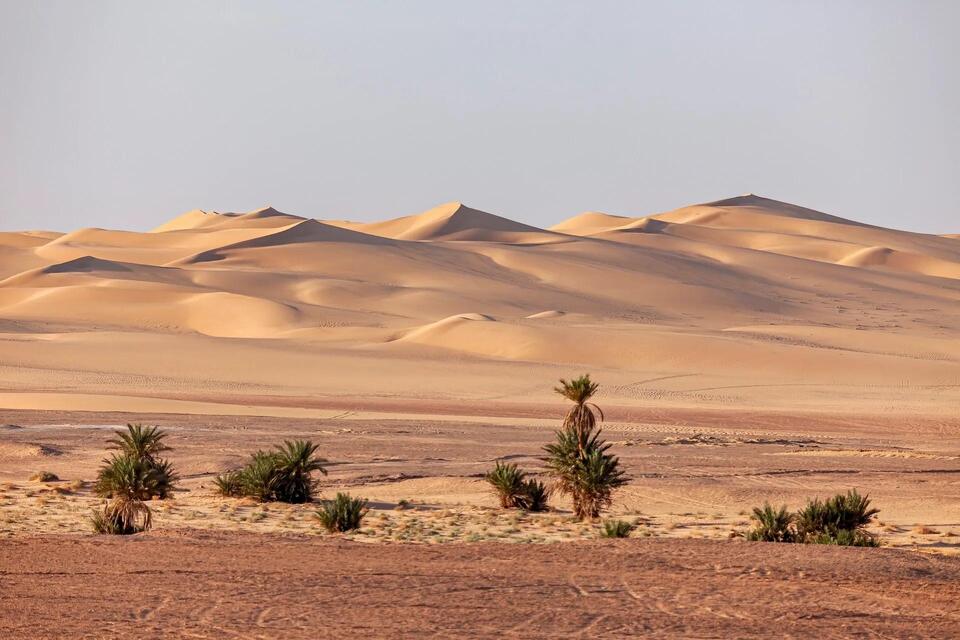
James Brady+FollowDesert Comeback: Oryx Are Back!Remember the scimitar-horned oryx? Thought to be extinct in the wild for nearly 50 years, these desert legends are making a wild comeback! Thanks to some epic international teamwork and captive breeding, they’re back roaming the Sahara. These oryx are total survivors—no water for years, crazy heat tolerance, and they even help fight desert expansion by spreading seeds. It’s not a total fix for the Sahara’s growth, but it’s a seriously hopeful start! #Science #rewilding #conservation40Share
Patrick Simmons+FollowRats vs Bats: The Invasion Nobody Saw ComingWild new footage out of Germany shows brown rats literally ambushing bats in their winter hideouts—dragging them into crevices and everything. Conservationists are freaking out because bats are already struggling with habitat loss and light pollution, and now these invasive rats are making things worse. Bats eat tons of bugs that mess with crops, so fewer bats could mean pricier groceries for us. Should we be doing more to protect endangered animals? Sound off below! #Science #wildlife #conservation10Share
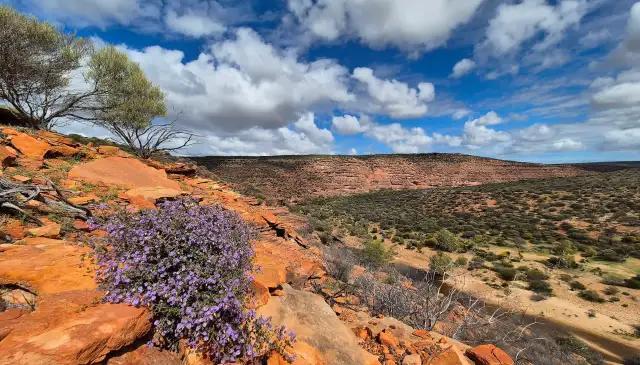
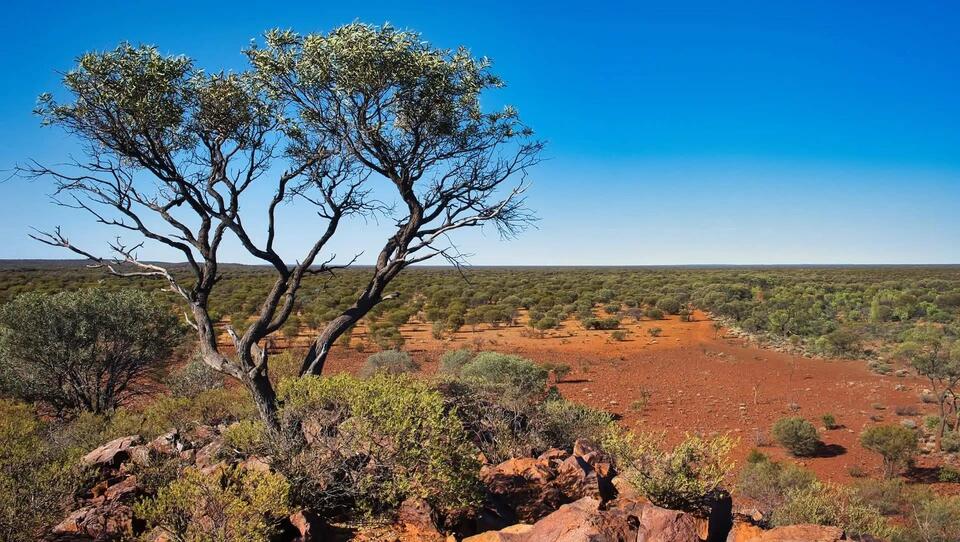
davisjames+FollowMeet the four-legged heroes saving WA's bushMilo and Kelly, two English springer spaniels, are now on the front lines protecting Western Australia’s unique plant life. These clever pups are trained to sniff out dieback, a nasty pathogen that can wipe out entire forests by attacking plant roots. Unlike slow lab tests, the dogs can quickly and accurately detect even tiny traces of the disease, helping experts map outbreaks and respond faster. Their work is crucial as climate change and wildfires make plant health harder to monitor. Plus, their wagging tails are inspiring locals to pitch in—just cleaning your boots can help protect the bush! #Pets #WesternAustralia #Conservation140Share
Melvin Mosley+FollowAustralia’s Wildlife Is Vanishing FastAustralia just lost another native mammal—the Christmas Island shrew—and it’s a wake-up call. The country leads the world in mammal extinctions, but the government’s conservation funding is way too low. Scientists say we need over $1 billion a year to save threatened species, but only a fraction is being spent. Meanwhile, there’s plenty of cash for submarines. If you care about koalas, kangaroos, and all our unique wildlife, it’s time to demand real action. Sign the petition for full conservation funding! #Science #Australia #Conservation01Share
Patrick Simmons+FollowTurtle Comeback: Nature’s Plot TwistThought extinct, the northern river terrapin is making a wild comeback in Bangladesh! From just 8 turtles found in 2008, conservationists have now hatched over 400 babies and released more than 100 into the wild. Locals are pumped, researchers are tracking them with satellites, and new nesting beaches are popping up. Proof that when people and science team up, even the rarest creatures can bounce back. Turtle power is real! #Science #WildlifeWin #Conservation20Share
James Brady+FollowRare Spotted Cat Makes a Wild Comeback!Trail cameras in Western Australia just snapped pics of a chuditch (aka western quoll) for the first time in years! This adorable, spotty marsupial was thought to be locally extinct, but thanks to major conservation efforts—like restoring habitats and keeping out predators—at least five have been spotted in 2025. Experts are buzzing, calling it a huge win for wildlife. Proof that when we protect nature, it bounces back! #Science #WildlifeWin #Conservation140Share
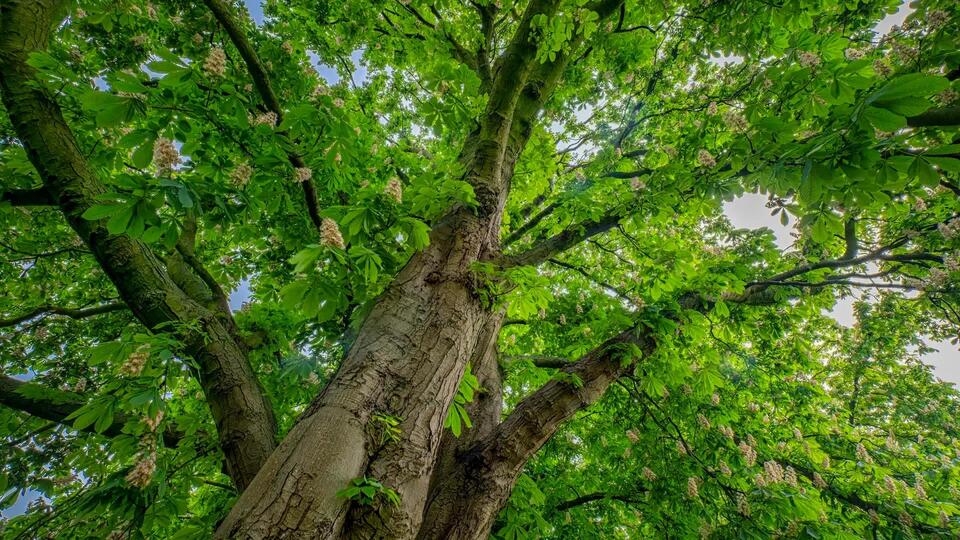
martinezlaura+FollowAmerican chestnut trees make a comebackSeeing American chestnut trees thriving again in Virginia’s Lesesne State Forest is a game-changer for anyone who cares about our forests. These trees once shaped entire ecosystems and local economies, but a devastating blight nearly wiped them out a century ago. Now, thanks to decades of conservation work, the largest and oldest orchard of American chestnuts in the U.S. is showing real signs of recovery. It’s a powerful reminder that restoring lost species can help rebuild healthy forests and fight climate change. What do you think—are we doing enough to protect our natural heritage? #Science #Conservation #Virginia403Share
Wesley Romero+FollowForest Elephants: Surprise Population Boost!Turns out there might be 10,000 more African forest elephants than we thought! New DNA-based counting methods show their numbers could be as high as 145,000. It’s a rare bit of good news for these super shy, critically endangered animals. But don’t get too comfy—poaching and habitat loss are still huge threats. Conservation is working, but these gentle giants need all the help they can get to bounce back! #Pets #elephants #conservation671Share