Cassandra Snyder+FollowRare Creatures Spotted in Thailand!Wildlife win! Park rangers in Thailand just spotted some super elusive serows—think goat-antelope hybrids—roaming free in Khao Sam Roi Yot National Park. These rare animals are usually camera-shy and are considered vulnerable, so this sighting is a huge deal for conservation. Experts are pumped, saying it means the park’s ecosystem is thriving. Proof that protecting habitats really works! Would you love to see one in the wild? #Pets #WildlifeWin #Conservation30Share
James Brady+FollowAncient Trees vs. Goats: Who Wins?Imagine an island where trees bleed red and goats are the villains. Socotra’s legendary dragon’s blood trees and other ancient species are barely hanging on—thanks to climate change and hungry goats. Conservationists (with major local help) are racing to save these one-of-a-kind plants, but it’s a wild balancing act between tradition and survival. Can restoration projects and community teamwork pull these magical forests back from the brink? Drop your wildest ideas for saving Socotra below! #Science #Socotra #Conservation30Share
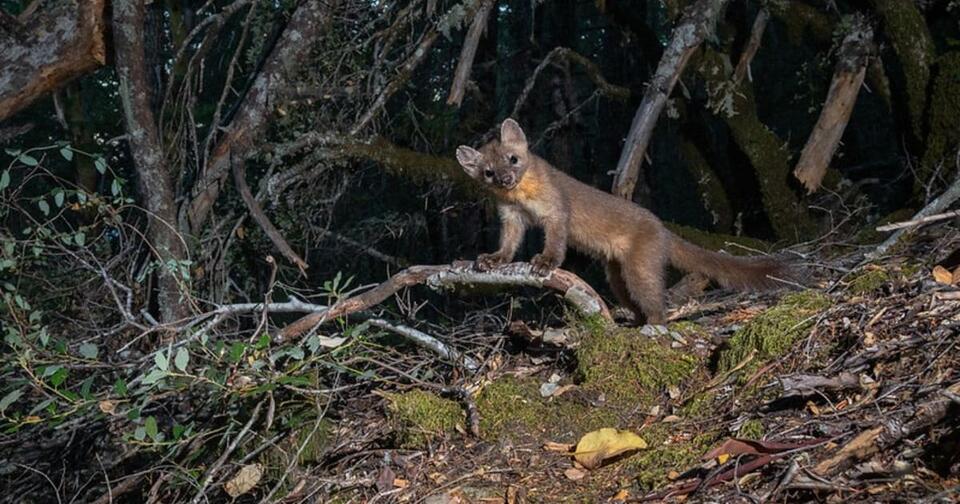
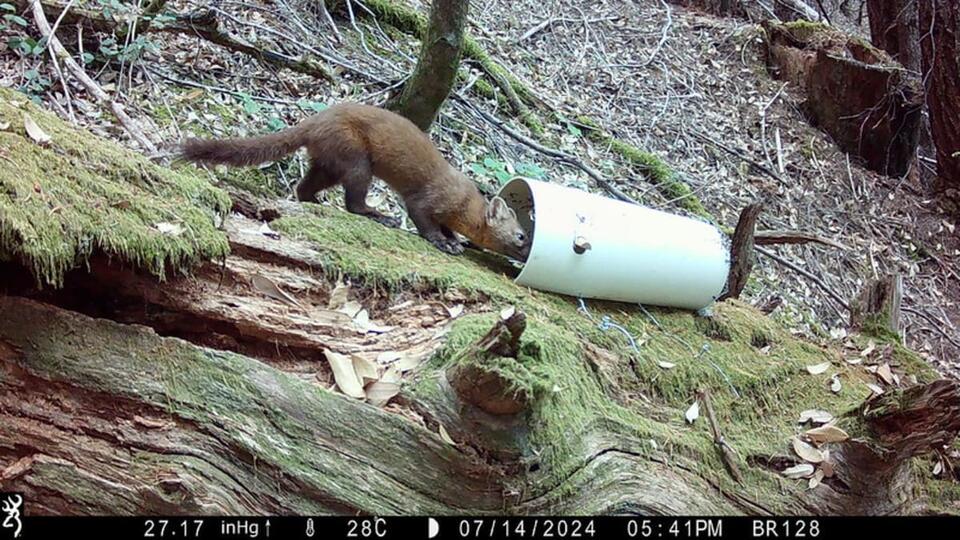
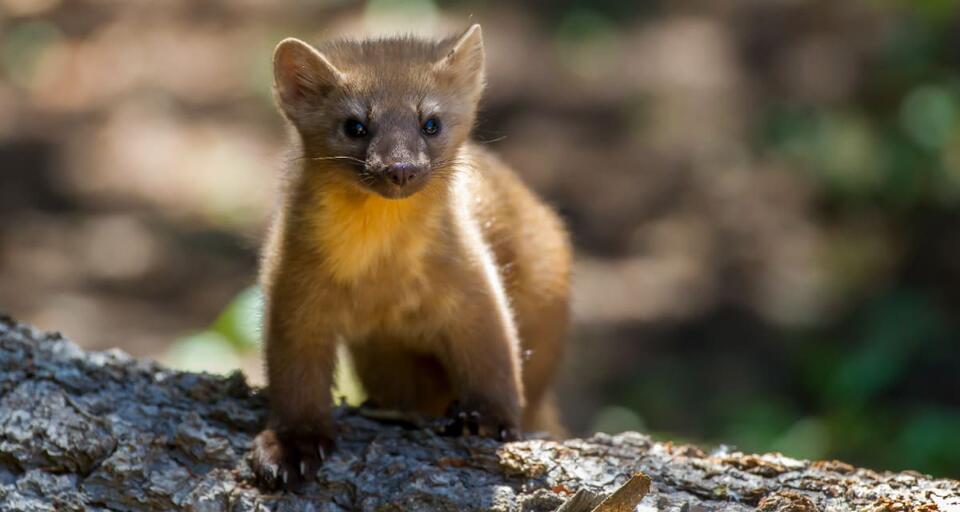
Melvin Mosley+FollowCoastal martens: Adorable survivors in our forestsA rare, ferret-sized predator once thought extinct is making a quiet comeback in the forests of northern California and southern Oregon. Hidden cameras recently captured coastal martens—tiny, playful carnivores—thriving in snowy ridgetops and lush ravines. Their rediscovery is a huge win for conservation, but their future is still uncertain, with threats like climate change and habitat loss looming. It’s wild to think these cute creatures were nearly wiped out by hunting, and now every sighting helps shape how we protect our forests. How do you feel about balancing land use with saving rare wildlife like the marten? #Science #Conservation #Wildlife00Share
Michael Flores+FollowLost Tree Found After 200 Years!A tree species thought to be extinct for nearly two centuries just popped up in a Brazilian city! Scientists spent six days searching and finally spotted the Pernambuco holly’s tiny white flowers—right in the middle of urban sprawl. It’s like finding a long-lost relative you only knew from old photos. This rare rediscovery is a big win for conservation and a reminder that nature still has surprises up its sleeve! #Science #NatureWin #Conservation330Share
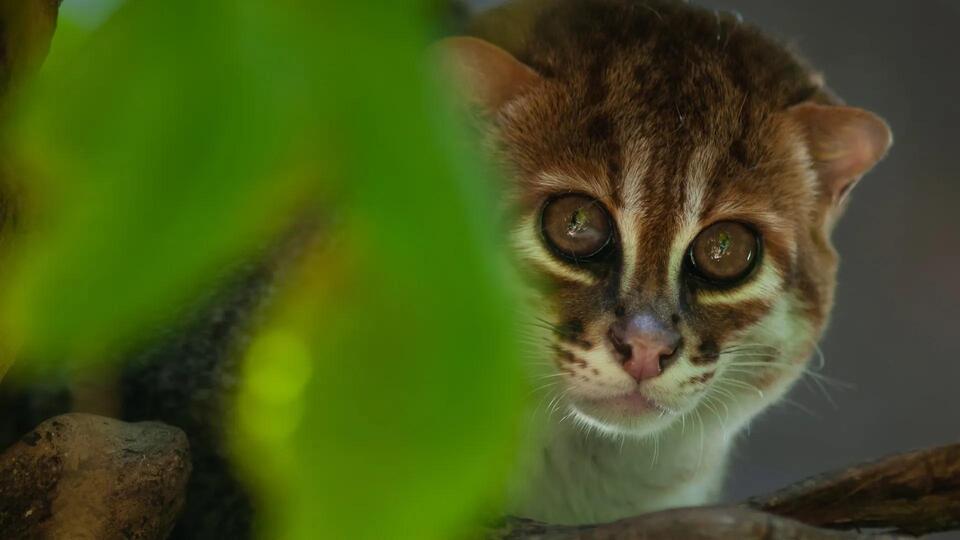
Zachary Gutierrez+FollowWild Cat Makes a Comeback!Imagine thinking a species was gone for good, then boom—trail cams in Thailand snap pics of the ultra-rare flat-headed cat for the first time in almost 30 years! Not only did researchers spot one, but they also caught a mama cat and her cub, proving the species is still kicking. It’s a huge win for conservation and a reminder that protecting habitats really works. Who else is rooting for more wildlife comebacks like this? #Science #WildlifeWin #Conservation420Share
William Mckinney+FollowZoos Facing a Wild DilemmaTurns out, zoos have a major problem: too many old animals and not enough space for the next generation. A new study says targeted culls (yep, selective euthanasia) might be the only way to keep endangered species going. The average age of zoo animals is rising, and with limited enclosures, there’s just no room for babies. It’s controversial, but experts say it’s necessary to avoid population crashes and keep species alive. Would you support this tough call? #Pets #zoos #conservation60Share
Zachary Gutierrez+FollowIguana Island Rescue Mission Is Working!Imagine moving just 10 rare iguanas to a deserted Caribbean island and watching them multiply to over 300! That’s exactly what scientists did to save the Lesser Antillean iguana from extinction. By giving these lizards a safe, rival-free home, they’ve created a wildlife comeback story that’s giving major hope vibes. Shows what can happen when we let nature do its thing! Would you visit an island just for the wildlife? #Science #WildlifeWin #Conservation30Share
martinezlaura+FollowTrail Cam Catches Rare Aussie Critter!A single trail camera in a remote Aussie sanctuary just snapped a northern quoll—the first sighting there in over 80 years! Scientists thought these adorable marsupials were long gone from the area, thanks to invasive cane toads and habitat loss. But this surprise cameo has everyone buzzing and proves that conservation efforts (and a little luck) can pay off. Who knew one camera could make such a big discovery? #Science #WildlifeWin #Conservation20Share
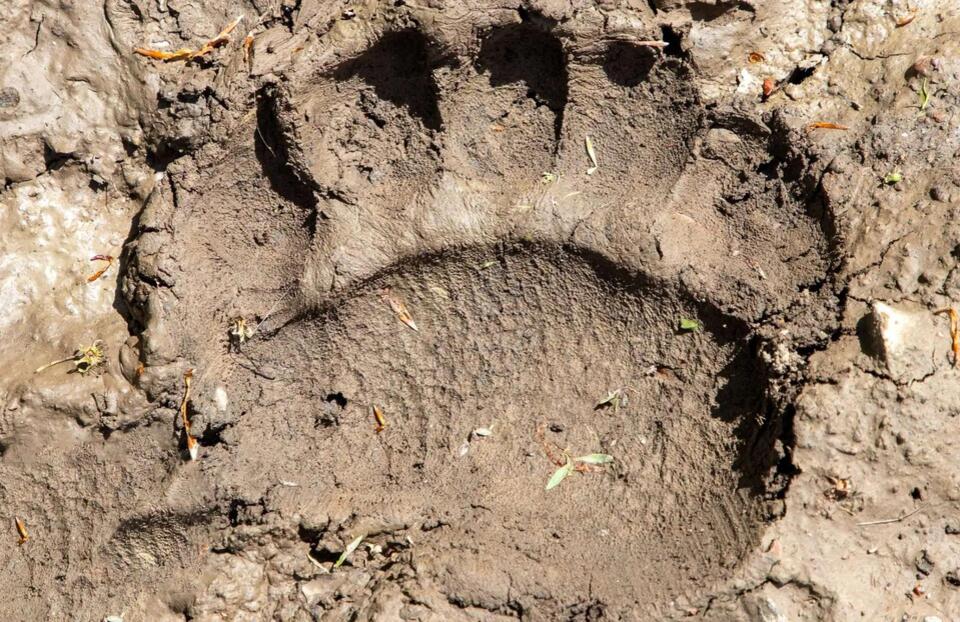
Zachary Gutierrez+FollowBears Are Shrinking—Here’s Why It’s WorryingWild: Bears in Italy are getting smaller and less aggressive because they’ve lived near humans for ages. Sounds safer for us, but experts say it’s bad news for the bears—less genetic diversity means they’re more at risk from disease and climate change. Human activity is literally changing how these animals evolve! Want to help? Switch to greener energy and support wildlife orgs. It’s not just about bears—protecting nature protects us, too. #Science #wildlife #conservation20Share
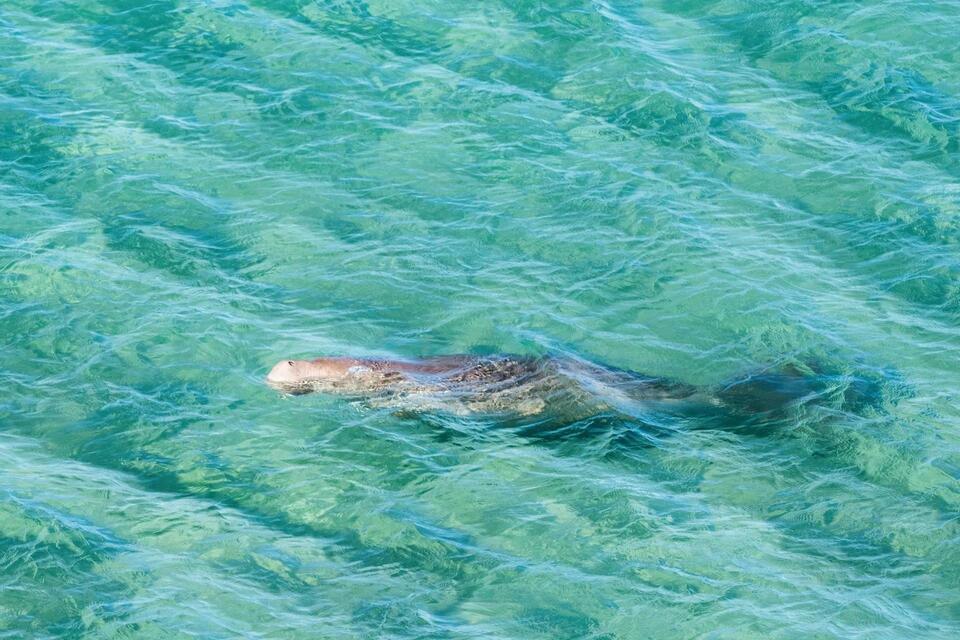
megangibson+FollowDugong Duo Spotted—Proof Conservation Works!Conservationists in Thailand just caught rare footage of a dugong mom and her calf chilling in the wild, and it’s a huge win for marine life! These endangered “sea cows” were seen munching on healthy seagrass, showing that all those protection efforts are finally paying off. The best part? Cameras are letting experts keep tabs without scaring the animals. Officials are even adding speed buoys to keep them safe. Nature comeback stories like this give me hope! #Science #WildlifeWin #Conservation100Share