Tag Page Congress

#Congress
1776 Patriot

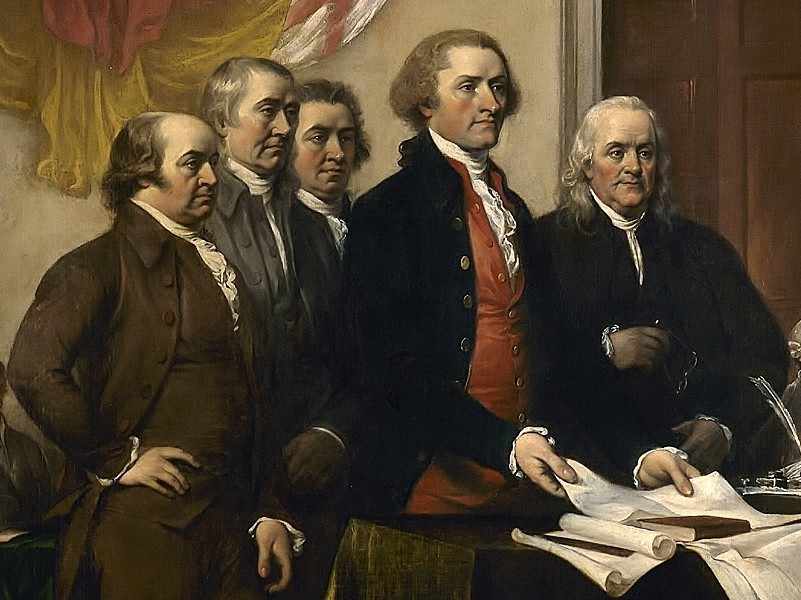
Founding Father Sherman’s Art of the Deal: Saving America in 1787 At the Constitutional Convention, 55 delegates from 12 states met from May to September 1787 in near-total secrecy. Rhode Island refused to attend. Windows were closed against the summer heat, and notes were forbidden to leave the room. The nation hung in the balance. Large states backed the Virginia Plan, demanding representation by population. Small states backed the New Jersey Plan, insisting on equal votes. Virginia had over 500,000 residents; Delaware had fewer than 60,000. Delegates warned that without agreement, the union could fracture before it began. Roger Sherman, a Connecticut shoemaker turned statesman, and Oliver Ellsworth proposed the Connecticut Compromise, the first national legislature to combine proportional representation in one chamber with equal state representation in another in a federal system. The House would be apportioned by population; the Senate would give two votes per state. Revenue bills would originate in the House, while all legislation required Senate approval. The plan passed a 5-to-4 committee vote before adoption by the full Convention, breaking the deadlock and keeping smaller states at the table. The compromise was revolutionary. It forced rival states into a single functional system. It embedded conflict within a durable framework that allowed debate without collapse. Large and small states were bound together in a union that would endure. Congress still operates under this structure. More than 70 countries today use bicameral legislatures, including Germany, Australia, and India. Without Sherman and Ellsworth’s daring compromise, the American experiment in self-government might never have survived. #History #USHistory #America #USA #Constitution101 #Politics #Congress

Stateless in Paradise

Recently, while reading the news and scrolling through public comments, I was struck by how quickly misinformation turns into moral judgment—especially when the target is a woman of color and an immigrant. Congresswoman Ilhan Omar has once again been subjected to recycled allegations and rumors about her personal life, amplified by political figures and online commentators. These claims—many of which have circulated for years and have been addressed or investigated—resurface conveniently during moments of political pressure elsewhere. This is not accidental. It is a familiar tactic: distract, deflect, and inflame. What is most disturbing is not only the rumor-mongering itself, but how eagerly some people accept it without evidence. Facts are optional; prejudice is not. The rush to judgment reveals less about Representative Omar and far more about those making the accusations. In the comment sections beneath these stories, I repeatedly saw one argument used as a blunt weapon: that only people born in the United States should be allowed to hold public office. The implication is clear—immigrants, especially immigrants of color, are forever suspect, forever foreign, and forever unworthy of trust. #Politics #Government #ilhanomar #prejudice #American #Congress

TrueNorthMedia

“The Hidden Medicaid Rule Behind the Shutdown: What Section 2141 Really Means for Legal Immigrants”

#SNAPBenefits #SNAPLife #SNAPTalkGovernment #GovernmentShutdown #Medicaid #ImmigrationPolicy #Section2141 #HealthcareDebate #NewsUpdate #Congress #PublicHealth #AffordableCareShutdown Debate Centers on Section 2141 — The Hidden Medicaid Rule Affecting Legal Immigrants As the government shutdown continues, one small section of a large funding bill is getting big attention — Section 2141. This part of the bill deals with Medicaid access for legal immigrants, and it’s become a major sticking point in negotiations between Democrats and Republicans. Section 2141 would restore Medicaid coverage for lawfully present immigrants who lost access years ago. It would also bring back funding for Emergency Medicaid, which helps hospitals care for uninsured patients, including some immigrants in life-or-death situations. Some critics have claimed the proposal gives free health care to undocumented immigrants, but that’s not true. Current law still blocks undocumented immigrants from enrolling in Medicaid or receiving ACA health subsidies. This rule only affects immigrants who are in the U.S. legally and meet federal residency requirements. Democrats say the change is needed to keep hospitals financially stable and make sure families with legal status don’t lose access to basic care. Republicans argue it would raise government costs and open the door to more federal spending on immigrants. The dispute over Section 2141 shows how one small policy detail can play a huge role in a national standoff. With no resolution in sight, millions of Americans are watching to see whether lawmakers can agree on a plan that keeps the government open — and decide what health care access should look like for those who are here legally but not yet citizens.

“The Hidden Medicaid Rule Behind the Shutdown: What Section 2141 Really Means for Legal Immigrants”
You've reached the end!