Tag Page CivilWarHistory

#CivilWarHistory
LataraSpeaksTruth

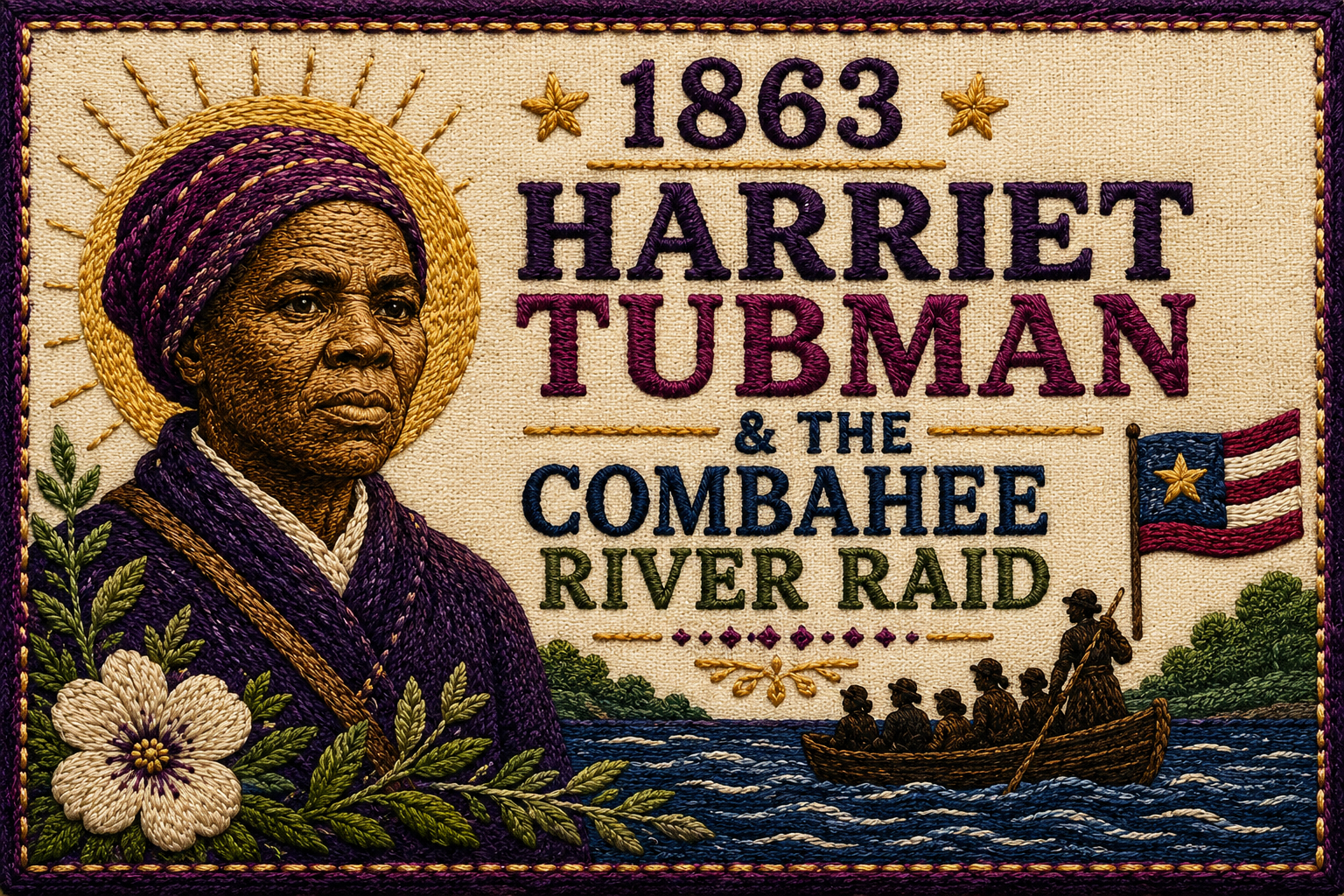
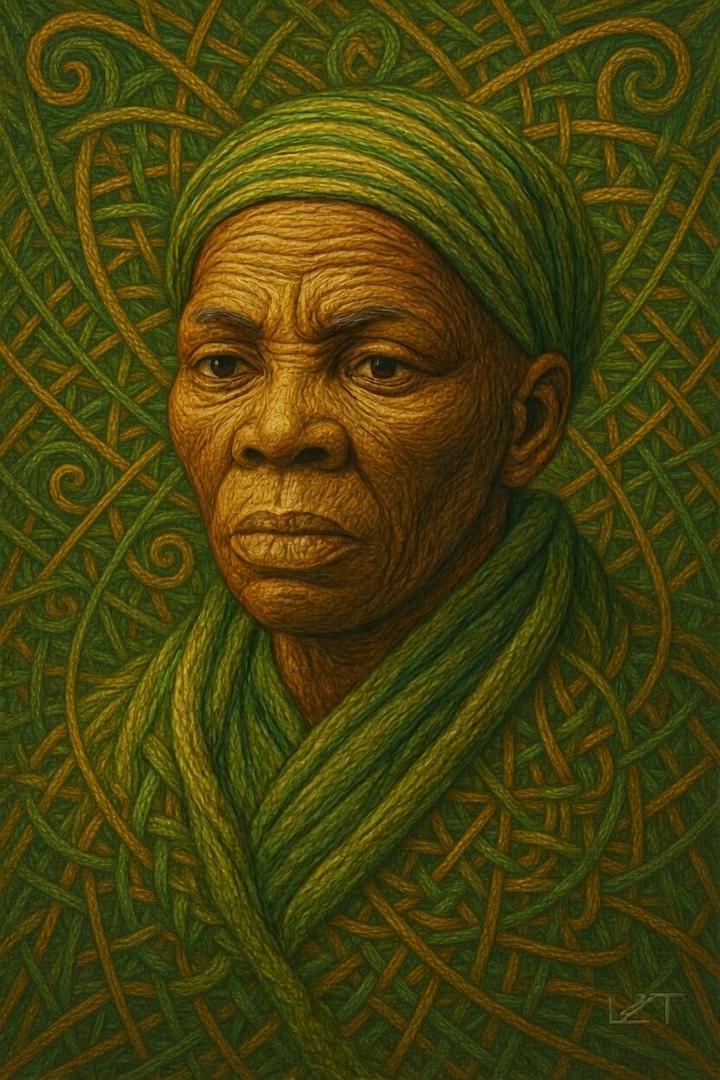
On June 2, 1863, Harriet Tubman played a pivotal role in one of the most remarkable freedom missions of the Civil War. Known by many for her work on the Underground Railroad, Tubman’s service did not end there. During the war, she worked for the Union Army as a scout, spy, nurse, and guide. In South Carolina, Tubman helped gather intelligence, plan, and guide the Combahee River Raid. Working alongside Union Colonel James Montgomery and Black Union soldiers of the 2nd South Carolina Volunteers, she helped lead Union forces up the Combahee River, where enslaved men, women, and children were waiting for an opportunity to escape bondage. As Union gunboats moved along the river, hundreds of enslaved people rushed from nearby plantations toward the sound of freedom. Families climbed aboard the vessels, leaving behind the fields, homes, and system that had held them captive. More than 700 enslaved people gained their freedom during the raid. The mission also disrupted Confederate operations by destroying supplies, transportation routes, and plantation resources along the river. It was both a military strike and a freedom mission. (National Park Service) This moment matters because it reveals Harriet Tubman as far more than a conductor on the Underground Railroad. She was a strategist. She gathered intelligence. She understood the terrain, the people, and the risks involved. She was not simply waiting for history to change. She helped make it happen. Harriet Tubman’s courage has been celebrated for generations, but the Combahee River Raid reminds us just how significant her contributions were during the Civil War. Her work helped make possible one of the largest liberation missions of the war and brought freedom to hundreds of people seeking a new life. (Black Past) That is not just history. That is legacy. #HarrietTubman #BlackHistory #OnThisDay #CivilWarHistory #LataraSpeaksTruth
LataraSpeaksTruth

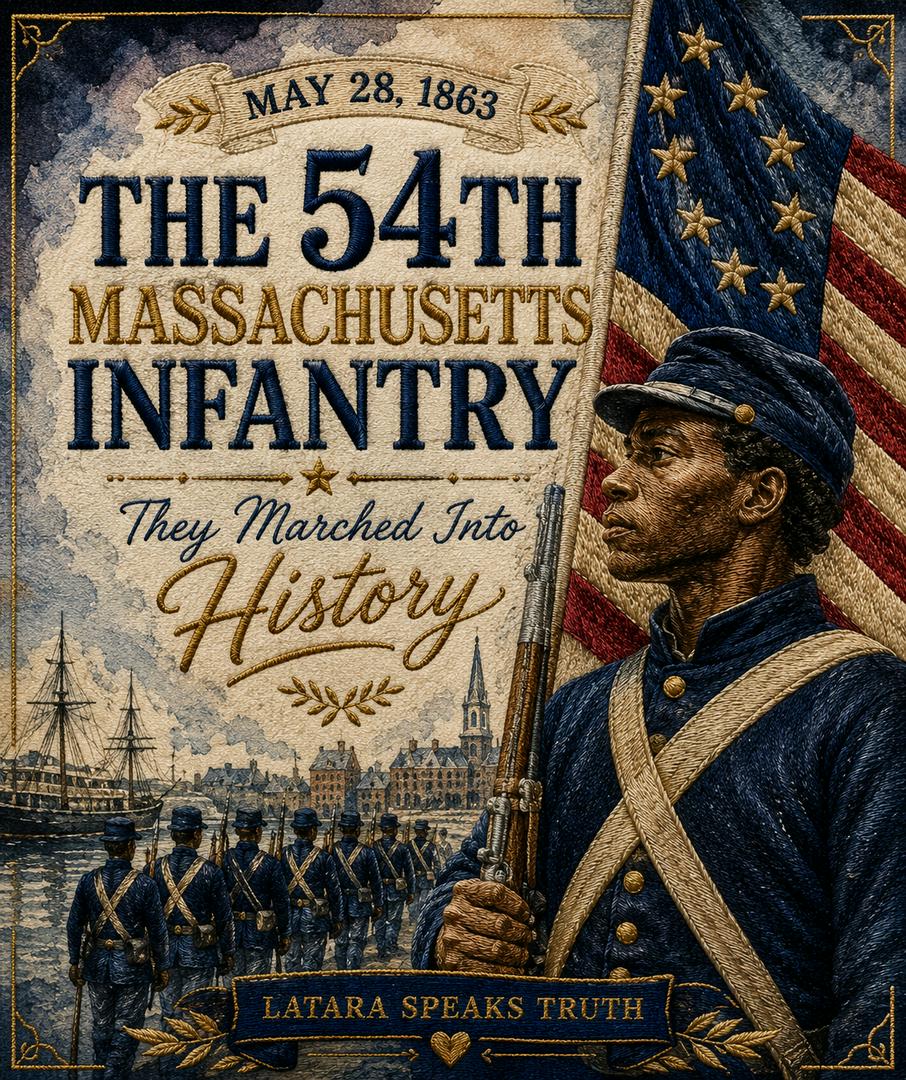
On May 28, 1863, the 54th Massachusetts Infantry left Boston to fight in the Civil War. The regiment became one of the most recognized Black military units in American history. Many of the men were free Black volunteers who chose to serve the Union at a time when racism followed them even in uniform. They did not march into equality. They marched into discrimination, unequal pay, and the threat of brutal treatment if captured by Confederate forces. Still, they stepped forward. Their service challenged the false belief that Black men lacked the courage, discipline, or loyalty to serve as soldiers. The 54th Massachusetts later became known for its assault on Fort Wagner in South Carolina, where its bravery gained national attention. Their story would later inspire the film Glory, but the real history carries even more weight. These men were not just fighting for the Union. They were fighting for dignity, freedom, and the right to be seen as men in a country that still tried to deny their humanity. The 54th Massachusetts marched out of Boston and into history. #BlackHistory #CivilWarHistory #LataraSpeaksTruth
LataraSpeaksTruth

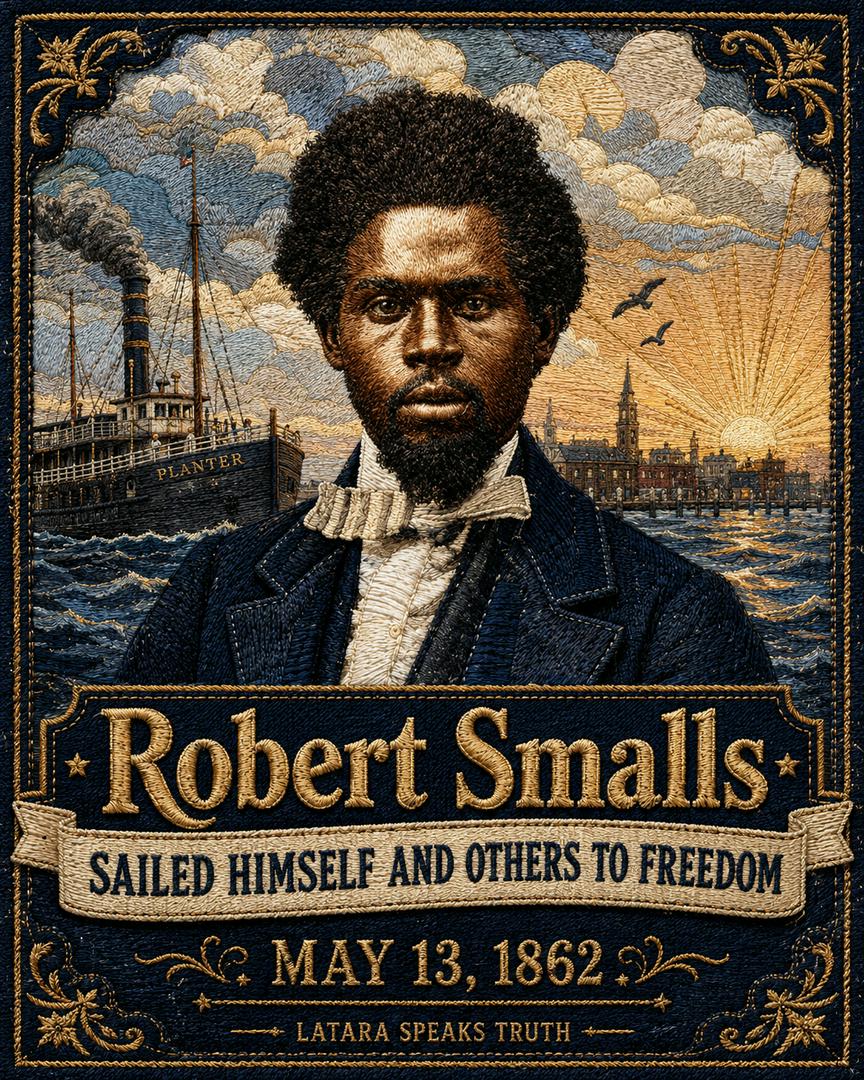
May 13, 1862… Robert Smalls turned a Confederate ship into a vessel of freedom. Robert Smalls was enslaved in Charleston, South Carolina, but he was no ordinary passenger in history. He worked as a skilled pilot aboard the Confederate steamer Planter, learning the waters, signals, routes, and habits of the men who thought they controlled him. In the early morning hours of May 13, Smalls and other enslaved crew members made a bold move. While the white officers were away from the ship, they took control of the Planter. Smalls used his knowledge of Confederate routines to guide the vessel through Charleston Harbor, passing checkpoints and heavily armed defenses. This was not just an escape. It was strategy. It was courage under pressure. It was a man using every skill he had been forced to learn and turning it into a path toward freedom. The Planter carried more than the men who worked aboard it. It carried families, including women and children, all risking death for a chance to live free. The group made it through Confederate waters and reached the Union blockade that morning. According to the National Park Service, about sixteen freedom seekers escaped aboard the ship. Smalls did not only free himself. He helped free others. He also delivered the Planter and valuable Confederate materials to Union forces, proving that Black courage and intelligence were already shaping the war long before the nation was ready to fully admit it. His story did not end on the water. Robert Smalls later became a Civil War hero, a public servant, and a Reconstruction-era political leader. He served in Congress and became one of the most important figures to rise from slavery into national leadership. May 13 matters because Robert Smalls showed what freedom looked like before it was handed down on paper. He did not wait for someone to write his future. He sailed straight into it. #RobertSmalls #BlackHistory #CivilWarHistory #FreedomStory

LataraSpeaksTruth

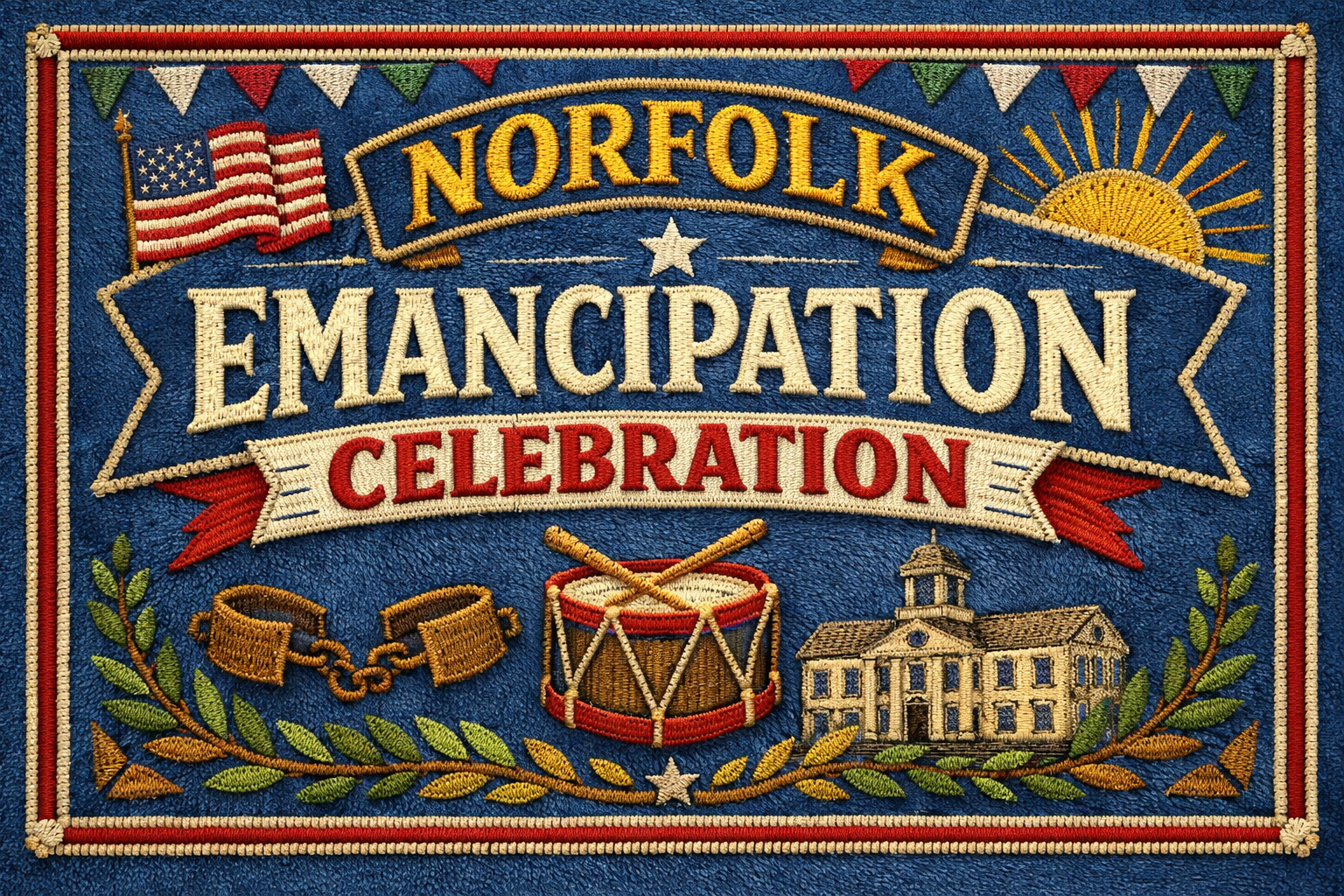
On January 4, 1863, just days after the Emancipation Proclamation took effect, Black residents of Norfolk, Virginia held one of the earliest documented public celebrations of emancipation in the United States. Norfolk had been under Union control since 1862, making it one of the few Southern cities where such a gathering was possible at the time. A contemporary newspaper dispatch dated January 4, 1863, later reproduced by Encyclopedia Virginia, described a procession of at least 4,000 Black men, women, and children moving through the city. The report noted organized marching, music, banners, and speeches, reflecting both celebration and political awareness. This was not a spontaneous gathering. It was a coordinated public declaration of freedom by people who understood the historical weight of the moment. The Emancipation Proclamation did not immediately free all enslaved people, nor did it end slavery everywhere. Its reach depended heavily on Union military presence. Norfolk’s status as an occupied city created conditions where freedom could be openly acknowledged and collectively celebrated, even while much of the Confederacy remained untouched by the proclamation’s enforcement. This January 4 procession stands as an early example of what emancipation looked like in practice rather than on paper. It shows Black communities asserting visibility, dignity, and collective memory at the very start of freedom’s uncertain road. Long before emancipation celebrations became annual traditions, Norfolk’s Black residents marked the moment themselves, in public, and on record. #January4 #BlackHistory #Emancipation #NorfolkVirginia #ReconstructionEra #CivilWarHistory #AfricanAmericanHistory #USHistory #FreedomStories

LataraSpeaksTruth

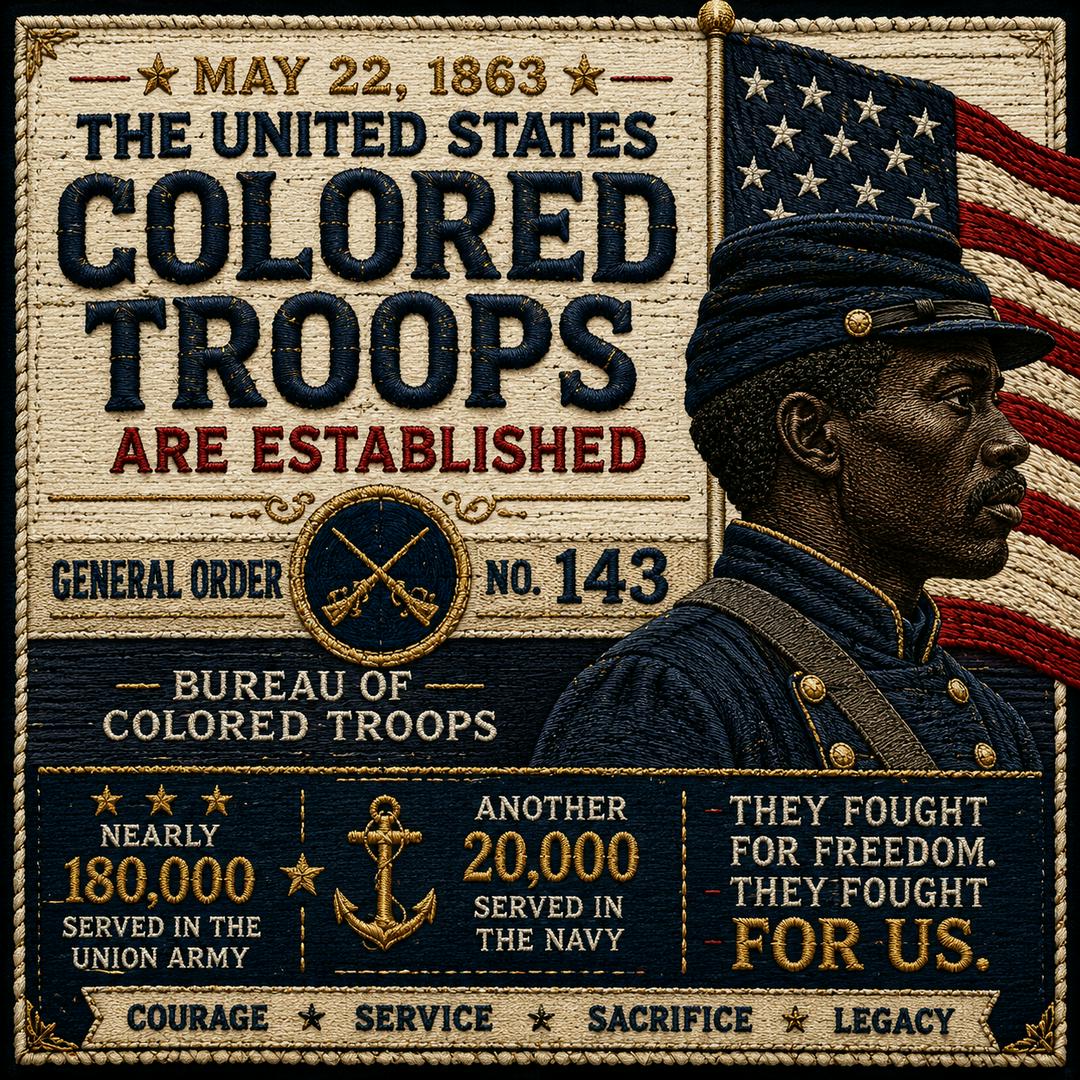
1863: The United States Colored Troops Are Established On May 22, 1863, the War Department issued General Order No. 143, creating the Bureau of Colored Troops. That order officially opened the door for Black men to serve in organized units during the Civil War. By the end of the war, roughly 179,000 Black soldiers had served in the Union Army, with about 19,000 more serving in the Navy. But they were not just fighting battles. They were fighting for freedom, citizenship, dignity, and the right to be seen as men in a nation that had denied their humanity. Many had escaped slavery. Others were free Black men who understood that the outcome of the war would shape the future of their people. Black Union troops and USCT soldiers faced racism, unequal pay, harsher treatment if captured, and doubts from those who questioned their ability to fight. Still, they showed up. They fought in major campaigns and battles including Milliken’s Bend, Petersburg, and New Market Heights. Their courage became part of the record. Their service made one thing impossible to deny… Black men had not waited for freedom to be handed to them. They fought for it. The creation of the United States Colored Troops was more than a military decision. It was a turning point in American history. They wore the uniform of a country that had not fully accepted them, and still helped save it. #BlackHistory #AmericanHistory #CivilWarHistory #USCT #OnThisDay #HistoryMatters #FreedomFighters #LataraSpeaksTruth

LataraSpeaksTruth

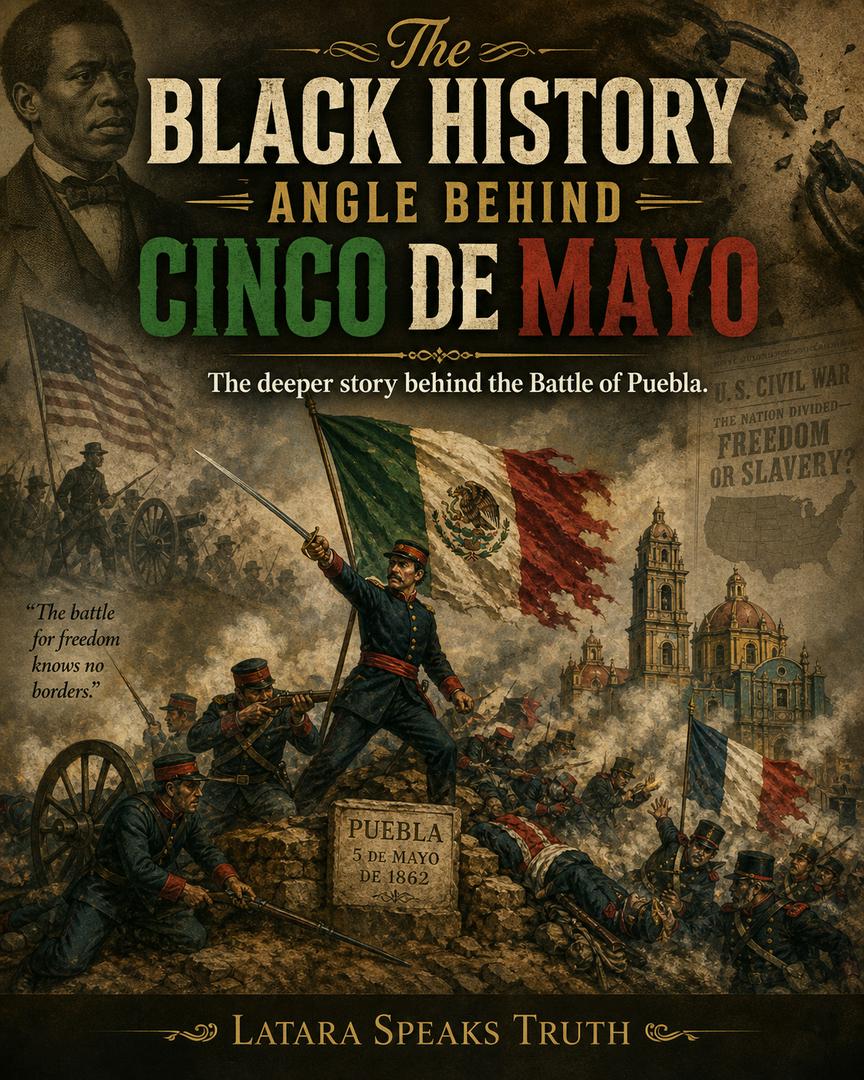
Cinco de Mayo is often treated like a party day, but the real history goes much deeper. The date marks the Battle of Puebla on May 5, 1862, when Mexican forces defeated French troops despite being heavily outnumbered. It is often mistaken for Mexican Independence Day, but that is not what it represents. Cinco de Mayo remembers a specific military victory against French invasion. The Black history angle comes from what was happening around that battle. In 1862, the United States was in the middle of the Civil War. The Confederacy was fighting to preserve slavery, while France under Napoleon III was trying to expand power in Mexico. France wanted to establish a monarchy under Maximilian of Austria and weaken U.S. influence in North America. That made Mexico’s resistance important beyond Mexico. At the same time, the Confederacy had pushed into New Mexico and Arizona and hoped to expand farther west. Some California Latinos supported the Union and saw the fight against French intervention in Mexico and the fight against the Confederacy as connected. That does not mean Cinco de Mayo ended slavery. It did not. But it does mean the Battle of Puebla happened inside a much larger struggle over slavery, empire, democracy, and power in North America. For some communities in California, Mexico’s victory became a symbol that freedom could stand against forces tied to slavery, monarchy, and domination. That is the part many people miss. Cinco de Mayo is not just food, drinks, and decorations. Its history reaches into war, resistance, and the politics of freedom during one of the most dangerous periods in North American history. The story is deeper than the celebration. #BlackHistory #CincoDeMayo #BattleOfPuebla #CivilWarHistory #HiddenHistory

LataraSpeaksTruth

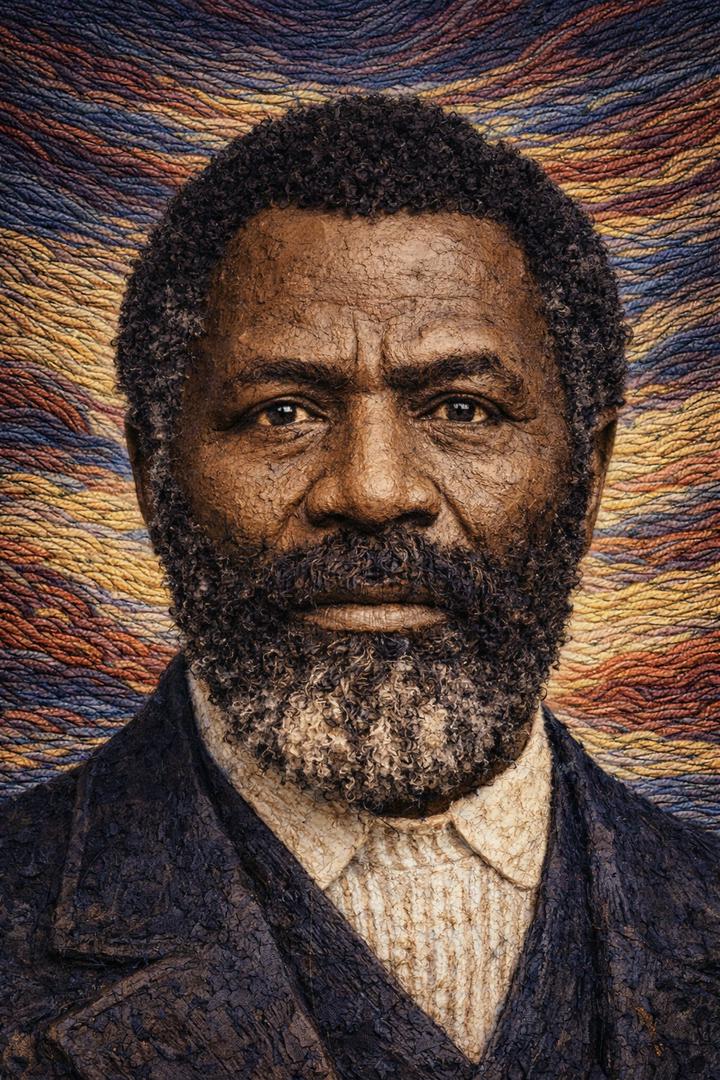
Hiram Ford Douglass did not spend his life waiting for freedom to be handed to him. Born around July 26, 1831, in Virginia, he escaped slavery and made his way north. But he did not disappear quietly into private life. He became a writer, speaker, and editor who used his voice to challenge the country during one of its most violent and divided eras. By the 1850s, Douglass was already pushing arguments that went beyond simply ending slavery. He spoke about citizenship, political power, and the full place Black Americans should hold in public life. That made him more than an abolitionist. It made him part of a harder conversation many people were still avoiding. When the Civil War began, Douglass saw it as more than a fight to preserve the Union. He believed it had to become a fight that changed the condition of Black people in this country. He later became a commissioned officer in the Union Army, a rare position for a Black man in that period. That alone made his presence historic. But what stands out even more is that he was pushing these ideas before the nation was ready to fully hear them. He was not asking for sympathy. He was arguing for recognition, leadership, and rights. Hiram Ford Douglass died in 1868 at just 37 years old. His name is not as widely known as others from that era, but his work belongs in the record. He was one of the voices pressing this country to face what freedom was supposed to mean. Some people are remembered as symbols. Others helped shape the argument itself. Hiram Ford Douglass was one of them. #OurHistory #HFordDouglass #CivilWarHistory #AbolitionistHistory

LataraSpeaksTruth

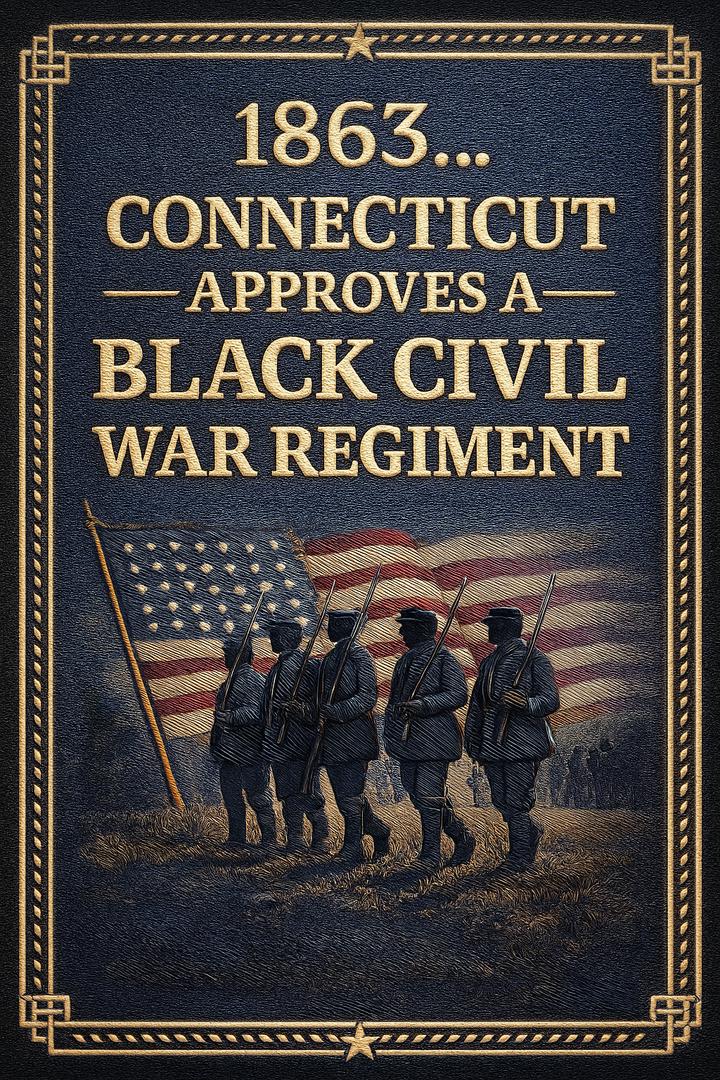
1863… Connecticut Approves a Black Civil War Regiment

On this day in 1863, the Connecticut General Assembly met in a special session to decide whether Black men could serve as front line soldiers in the Union Army. After a day of debate, lawmakers approved the measure, and Governor William Buckingham signed it into law on November 23. This decision opened the door for Black residents in Connecticut to enlist in a state infantry regiment for the first time. Recruiters began organizing almost immediately, and more than one thousand Black volunteers stepped forward in the following months. Their participation formed the 29th Connecticut Colored Infantry Regiment and helped begin a second unit, the 30th Connecticut. The 29th Connecticut mustered into service in early 1864 and later fought in major campaigns near Petersburg and Richmond. They were also among the first Union troops to enter Richmond when the city fell in April 1865. The decision made on November 23, 1863 marked a turning point in Connecticut’s military history and highlighted the essential role Black soldiers played in the Union’s efforts during the Civil War. #BlackHistory #TodayInHistory #CivilWarHistory #ConnecticutHistory #UnionArmy #29thConnecticut #HistoricalFacts #AmericanHistory #OnThisDay #HistoryMatters

1863… Connecticut Approves a Black Civil War Regiment
Guess_str

On March 10. 1913. Harriet Tubman died in Auburn, New York, closing the life of one of the boldest freedom fighters this country has ever known. Born into slavery in Maryland around 1822, Tubman escaped bondage, then risked her life again and again by returning south to help others flee to freedom in the North and Canada. She became the most famous conductor of the Underground Railroad, quiding enslaved people toward freedom when capture could have meant torture or death. Her courage was not symbolic. It was lived. It was tested. And it never backed down. Tubman's work did not stop with escape During the Civil War, she served the Union cause as a nurse, scout, and spy, proving again that Black women were doing essential work for a nation that still denied them full recognition. In her later years, she continued serving her community in Auburn where she helped establish a home forelderly and poor Black people in need. Even near the end of her life. Harriet Tubman was still doing what she had always done, showing up for her people March 10 is not iust the date of her passing It is a date to remember what real sacrifice ooks like. Harriet Tubman did not wait for permission to do what was riqht. She moved with faith, with nerve, and with a kind of strength history still struggles ta measure. #HarrietTubman #BlackHistory #OnThisDay #WomensHistory #UnderaroundRailroad #CivilWarHistory #AmericanHistory #BlackWomenInHistory #FreedomFighter #NewsBreakHistory

LataraSpeaksTruth

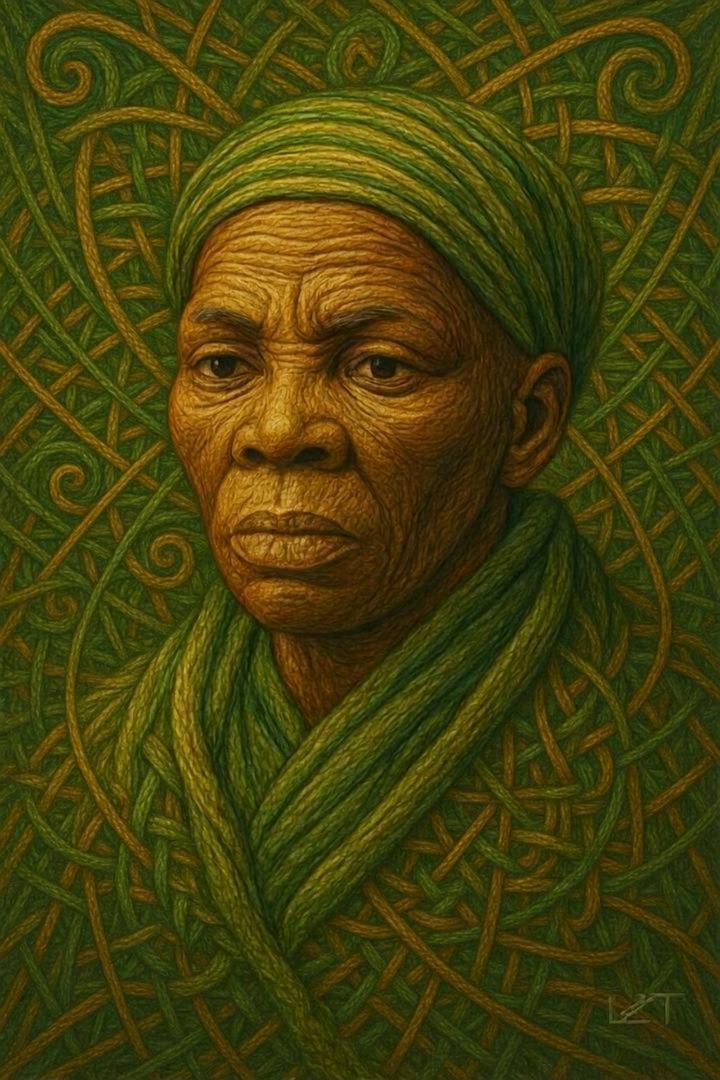
On March 10, 1913, Harriet Tubman died in Auburn, New York, closing the life of one of the boldest freedom fighters this country has ever known. Born into slavery in Maryland around 1822, Tubman escaped bondage, then risked her life again and again by returning south to help others flee to freedom in the North and Canada. She became the most famous conductor of the Underground Railroad, guiding enslaved people toward freedom when capture could have meant torture or death. Her courage was not symbolic. It was lived. It was tested. And it never backed down. Tubman’s work did not stop with escape. During the Civil War, she served the Union cause as a nurse, scout, and spy, proving again that Black women were doing essential work for a nation that still denied them full recognition. In her later years, she continued serving her community in Auburn, where she helped establish a home for elderly and poor Black people in need. Even near the end of her life, Harriet Tubman was still doing what she had always done, showing up for her people. March 10 is not just the date of her passing. It is a date to remember what real sacrifice looks like. Harriet Tubman did not wait for permission to do what was right. She moved with faith, with nerve, and with a kind of strength history still struggles to measure. #HarrietTubman #BlackHistory #OnThisDay #WomensHistory #UndergroundRailroad #CivilWarHistory #AmericanHistory #BlackWomenInHistory #FreedomFighter #NewsBreakHistory