Tag Page CivilRightsHistory

#CivilRightsHistory
Rachel Marie

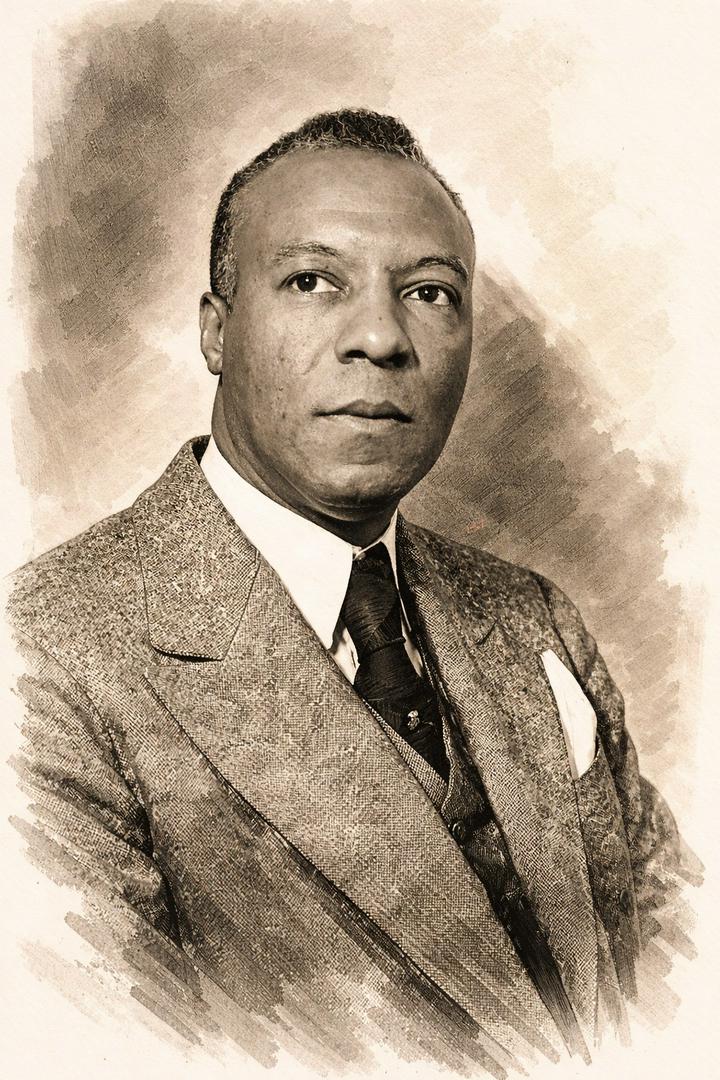
On April 28, 1941, the U.S. Supreme Court handed down a decision that pushed back against racial discrimination in interstate travel. The case centered on Arthur W. Mitchell. a U.S. representative from Illinois and the only Black member of Congress at the time. In April 1937, Mitchell purchased a first-class railroad ticket from Chicago to Hot Springs Arkansas. But after the train crossed into Arkansas, he was ordered out of the Pullman car because he was Black Mitchell had paid for first-class travel and offered to pay for the available Pullman seat. Instead. he was forced into a segregated car under threat of arrest Rather than let the insult disappear into historv, Mitchell challenged the treatment through the Interstate Commerce Commission and then the courtsIn Mitchell v. United States, the Supreme Court ruled that the discrimination was unlawful under the Interstate Commerce Act. The Court said Black passengers who purchased first-class tickets were entitled to accommodations equal in comfort and convenience to those provided to white passengers. The ruling did not end segregation in America, but it mattered. It came years before Brown v. Board of Education, the Montgomery Bus Boycott, and the Civi Rights Act. Mitchell's stand helped expose the cruelty and contradiction of Jim Crow in nterstate travel. One man bought a ticket. The railroad tried to deny his dignity. The Supreme Court said the law could not excuse that unequa treatment. #BlackHistory #CivilRightsHistory #OnThicDov #Cu nramaLourt

LataraSpeaksTruth

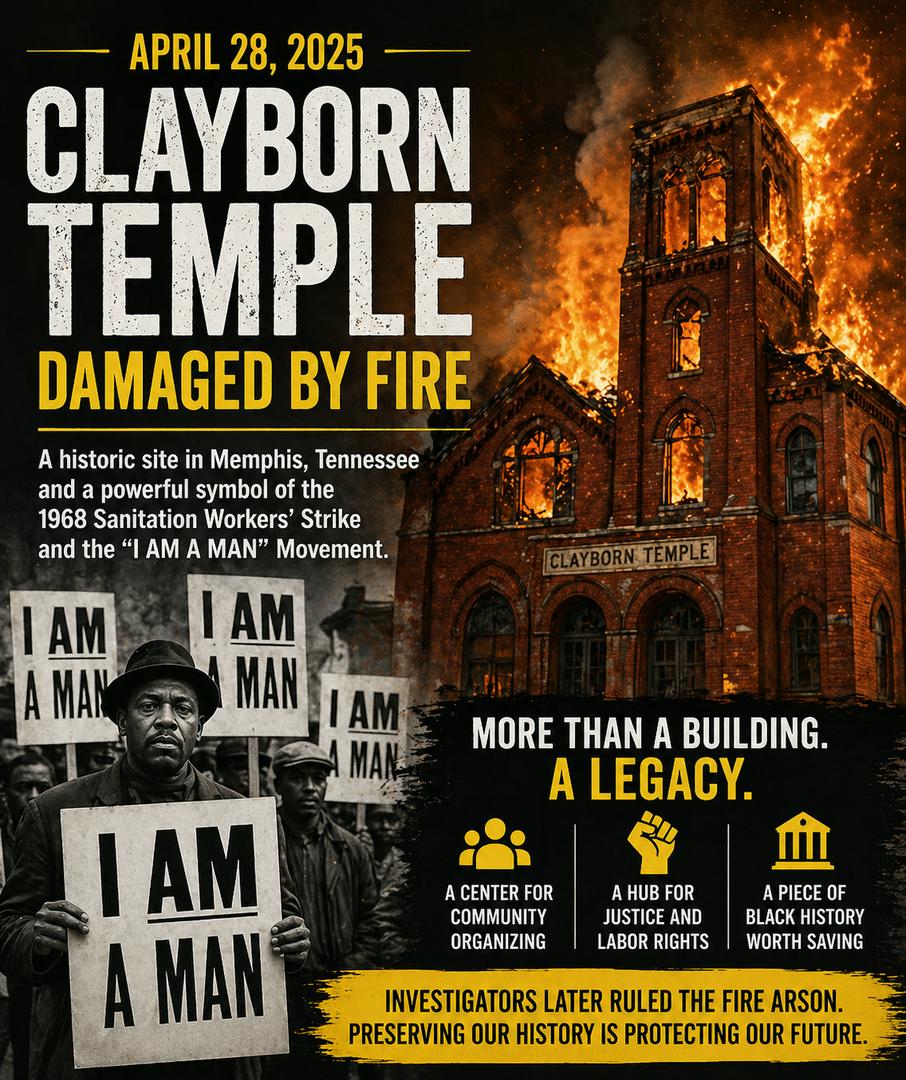
A historic Memphis landmark tied to one of America’s most powerful labor and civil rights movements was badly damaged by fire on April 28, 2025 — and investigators later determined it was arson. Clayborn Temple, located at 294 Hernando Street in downtown Memphis, was a key organizing site during the 1968 Memphis sanitation workers’ strike. That strike began after two Black sanitation workers, Echol Cole and Robert Walker, were crushed to death in a malfunctioning garbage truck. More than 1,000 workers walked off the job, demanding safer working conditions, fair pay, union recognition and basic human dignity. Clayborn Temple became a headquarters for the movement. Workers and supporters gathered there before marching to City Hall with the now-iconic “I AM A MAN” signs. The church also hosted nightly meetings that brought together labor leaders, ministers, civil rights organizers and families fighting for justice. Dr. Martin Luther King Jr. came to Memphis in support of the workers and was assassinated at the Lorraine Motel on April 4, 1968. The fire was reported early in the morning and left severe damage to the historic structure, which was already undergoing restoration. Officials later said the blaze was intentionally set. The Bureau of Alcohol, Tobacco, Firearms and Explosives and local investigators released images of a person of interest as the investigation continued. Clayborn Temple was built in the 1890s as Second Presbyterian Church and later became an African Methodist Episcopal church. It was listed on the National Register of Historic Places in 1979 and remains a symbol of Black labor power, faith-based organizing and the fight to preserve historic Black spaces. This story is bigger than bricks and stained glass. It is about memory, justice and whether communities can protect the places where ordinary people once stood up and changed the nation. #ClaybornTemple #MemphisHistory #CivilRightsHistory #IAMAMAN #BlackHistory

LataraSpeaksTruth

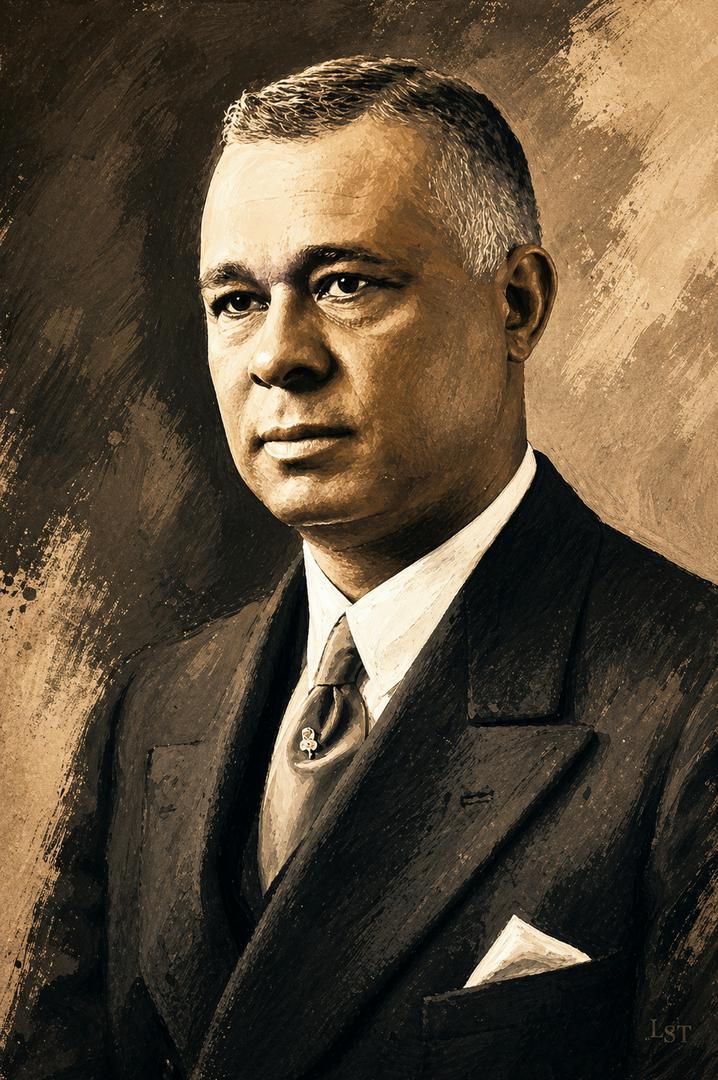
On April 28, 1941, the U.S. Supreme Court handed down a decision that pushed back against racial discrimination in interstate travel. The case centered on Arthur W. Mitchell, a U.S. representative from Illinois and the only Black member of Congress at the time. In April 1937, Mitchell purchased a first-class railroad ticket from Chicago to Hot Springs, Arkansas. But after the train crossed into Arkansas, he was ordered out of the Pullman car because he was Black. Mitchell had paid for first-class travel and offered to pay for the available Pullman seat. Instead, he was forced into a segregated car under threat of arrest. Rather than let the insult disappear into history, Mitchell challenged the treatment through the Interstate Commerce Commission and then the courts. In Mitchell v. United States, the Supreme Court ruled that the discrimination was unlawful under the Interstate Commerce Act. The Court said Black passengers who purchased first-class tickets were entitled to accommodations equal in comfort and convenience to those provided to white passengers. The ruling did not end segregation in America, but it mattered. It came years before Brown v. Board of Education, the Montgomery Bus Boycott, and the Civil Rights Act. Mitchell’s stand helped expose the cruelty and contradiction of Jim Crow in interstate travel. One man bought a ticket. The railroad tried to deny his dignity. The Supreme Court said the law could not excuse that unequal treatment. #BlackHistory #CivilRightsHistory #OnThisDay #SupremeCourt #ArthurMitchell

Cuz=Preze

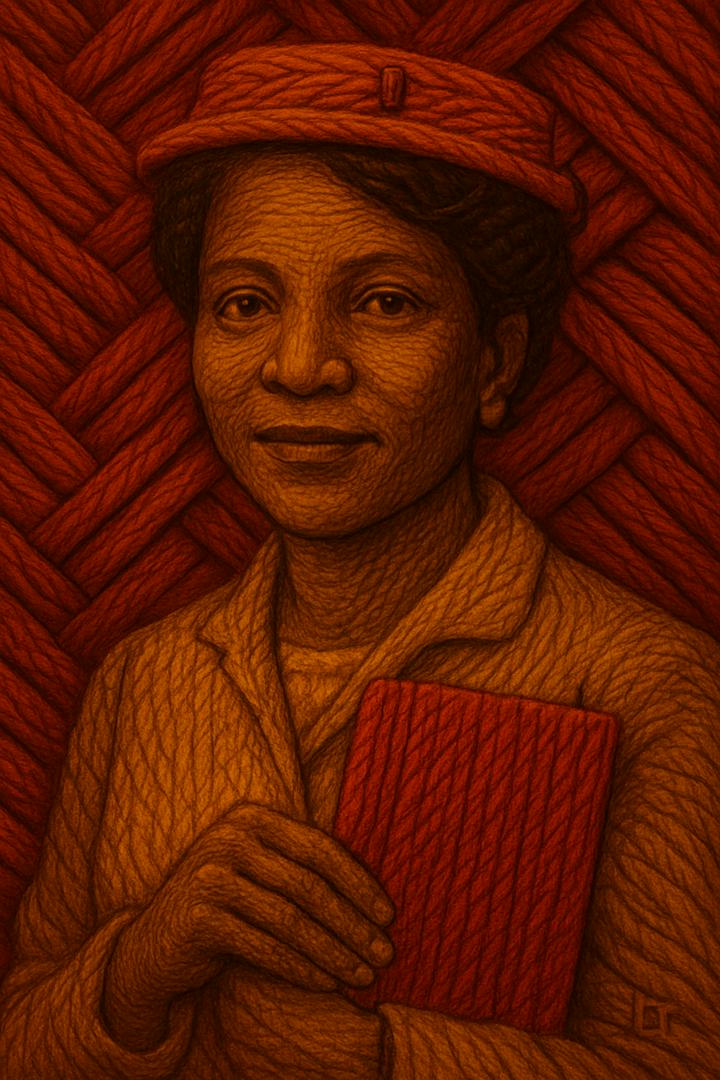
Viola Liuzzo was not born into fame, but she ived with the kind of conscience that makes history stop and remember. A 39 year olo mother of five from Detroit, she was deeply disturbed by the violence she saw during the voting rights struggle in Selma. Instead of turning away, she answered it with action She traveled south to help because she believed human dignity was not optiona and that voting rights were worth standing up for, even when doing so came with danger. oJ That is what made Viola Liuzzo such a remarkable woman. She was not chasing attention. She was not trying to become a symbol. She was a person with compassion courage, and a moral backbone strond enough to move when others staved still Historical sources describe her as committed to education, economic justice and civil rights. She saw wrong and refused to make peace with it. In a world where toomany people wait for someone else to act Viola stepped forward herself. o After the Selma to Montgomery march Liuzzo was helping transport fellow activists when she was murdered by members of the Ku Klux Klan on March 25, 1965. Her death became one of the painful sacrifices tied to the fight for votina rights, but her life remains bigger than the hatred that ended it. She is remembered today not only as a martyr, but as a woman whose compassion crossed lines of race, fear, and comfort. Viola Liuzzo showed what it looks like when love is not ust spoken, but lived. She left behind more than grief...she left behind an example. Her name deserves to be honored with tenderness, respect, and truth, because wonderful people are not always the loudest in the room. Sometimes they are the ones who quietly choose what is right...and pay dearly for it#ViolaLiuzzo #WomensHistory #VotingRights #CivilRightsHistory #Selma Sources: National Park Service...Detroit Historical Societv...Encvclopedia of Alabama

LataraSpeaksTruth

In February 1956, Autherine Lucy became the first Black student to enroll at the University of Alabama. Her admission came only after a federal court ordered the school to accept her, not because the institution was ready to change. What followed exposed exactly how fragile that so-called order was. Almost immediately, hostile crowds formed on campus. White students and outsiders hurled insults, threats, and objects. Classes were disrupted. The environment became dangerous. Yet instead of stopping the violence or holding attackers accountable, university officials made a different choice. They suspended Lucy. The reason given was “for her own safety.” In reality, the school removed the person being targeted while allowing the chaos around her to continue. She had broken no rules. She had not provoked unrest. Her only offense was entering a space that was determined to remain unchanged. The suspension came within weeks of her arrival, followed by her eventual expulsion. The message was clear. Integration would be treated as the problem, not the resistance to it. That moment became a pattern repeated across the country. Progress was framed as disruption. Courage was labeled disorder. Institutions protected themselves first, even when the law demanded otherwise. Decades later, the University of Alabama quietly reversed course. Lucy’s expulsion was annulled. She was invited back. She later received an honorary doctorate. History moved forward, but not without first trying to erase her. Hurricane Lucy wasn’t destruction. It was pressure meeting truth. The storm wasn’t her presence. It was the reaction to it. #BlackHistory #OnThisDay #CivilRightsHistory #HiddenHistory #EducationHistory #HistoryMatters #WomenInHistory

LataraSpeaksTruth

On January 6, 1941, A. Philip Randolph made a move that rarely gets credited the way it should. He formally escalated plans for what became the March on Washington Movement, not as a ceremony, not as a speech tour, but as a direct threat. One hundred thousand Black workers would descend on Washington, D.C., during wartime, to expose racial discrimination inside the very defense industries claiming to protect democracy. This was not a symbolic march. It was an economic pressure campaign. Randolph understood leverage. Defense factories were booming as the U.S. prepared for World War II, yet Black workers were routinely excluded from skilled positions and union membership. Randolph made it clear that the government could not preach freedom abroad while enforcing exclusion at home. The threat worked. Faced with the possibility of a mass protest that would embarrass the administration on a global stage, President Franklin D. Roosevelt acted. Later that year, he issued Executive Order 8802, banning racial discrimination in defense industries and federal contracts and establishing the Fair Employment Practices Committee to enforce it. There was no televised showdown. No viral slogan. No sudden moral awakening. This change happened because Randolph was willing to apply pressure where it hurt…labor, production, and international reputation. The march itself was ultimately called off, but the goal had already been achieved. This is one of those moments in history that later gets softened. The policy change is remembered. The discomfort that forced it is not. But make no mistake, this didn’t “just happen.” It happened because Randolph was prepared to embarrass the federal government during wartime and understood that quiet leverage often moves the needle faster than loud applause. That is how power actually shifts. #BlackHistory #January6 #APhilipRandolph #MarchOnWashingtonMovement #LaborHistory #AmericanHistory #HiddenHistory #CivilRightsHistory #EconomicPressure

LataraSpeaksTruth

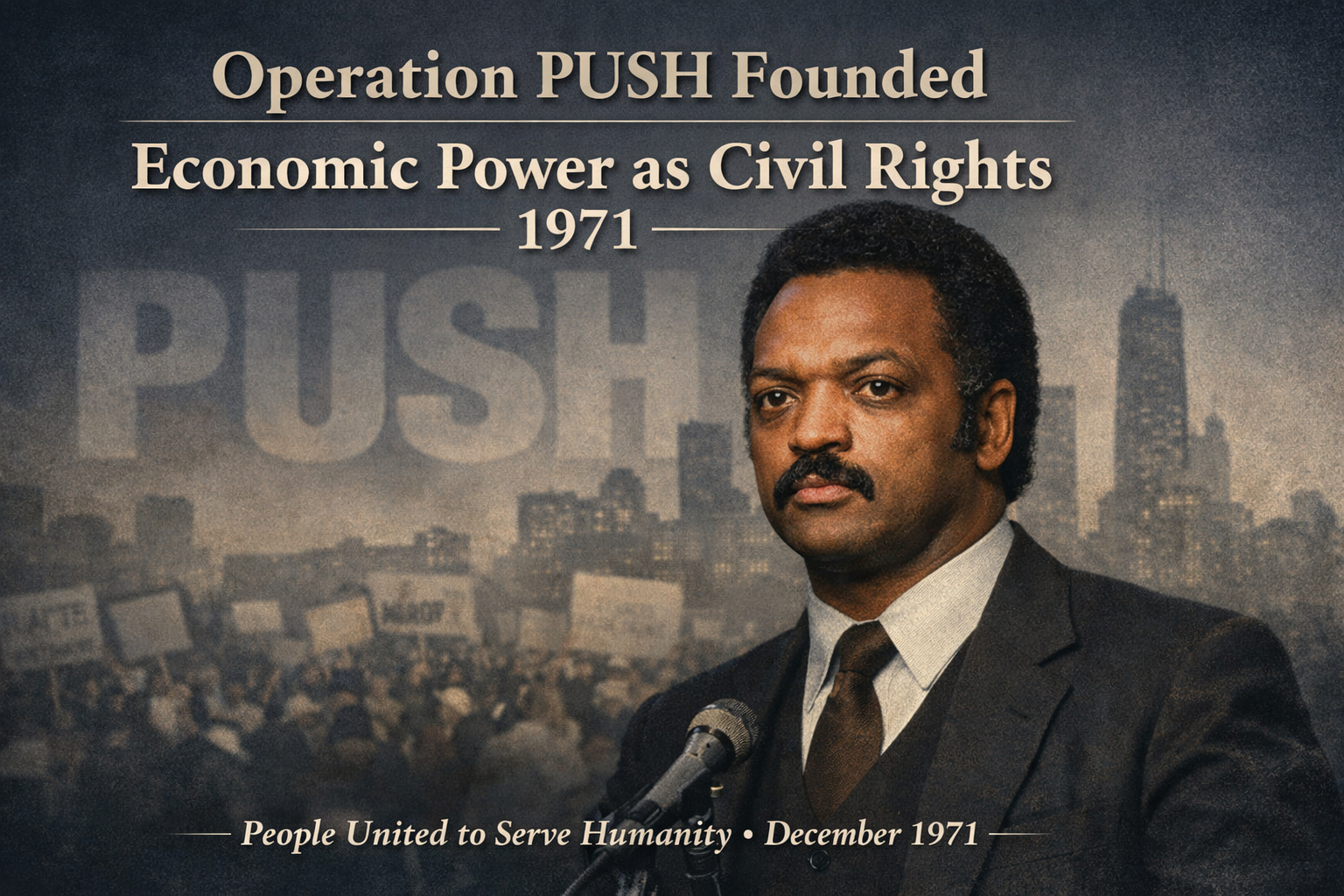
In December 1971, Rev. Jesse Jackson founded Operation PUSH (People United to Save Humanity), an organization that became a major force in promoting economic empowerment and corporate accountability in Black communities across the United States. The name later evolved to People United to Serve Humanity, reflecting a broader mission of long-term social and economic advancement. Operation PUSH was established after Jackson departed from Operation Breadbasket, the economic development arm of the Southern Christian Leadership Conference. While Breadbasket focused on negotiating fair hiring practices with major corporations, disagreements over leadership structure and direction led Jackson to pursue an independent path. This move marked a significant shift in post–civil rights era organizing, placing economic power and access at the center of the movement. Based in Chicago, Operation PUSH concentrated on expanding employment opportunities, increasing minority participation in corporate contracts, and strengthening Black-owned businesses. The organization used negotiations, boycotts, and public pressure campaigns to push companies toward more inclusive hiring and investment practices, producing measurable changes in several major industries. Operation PUSH also emphasized education as a pathway to economic progress. In later years, programs such as PUSH Excel supported student achievement and encouraged long-term success beyond high school. The founding of Operation PUSH reflected a broader transition in the civil rights movement during the early 1970s, as activists increasingly focused on economic equity and structural opportunity. In 1996, Operation PUSH merged with the Rainbow Coalition to form the Rainbow PUSH Coalition, which continues its work today. #OperationPUSH #JesseJackson #EconomicJustice #CivilRightsHistory #BlackEconomicPower #ChicagoHistory #SocialChange #HistoryMatters

LataraSpeaksTruth

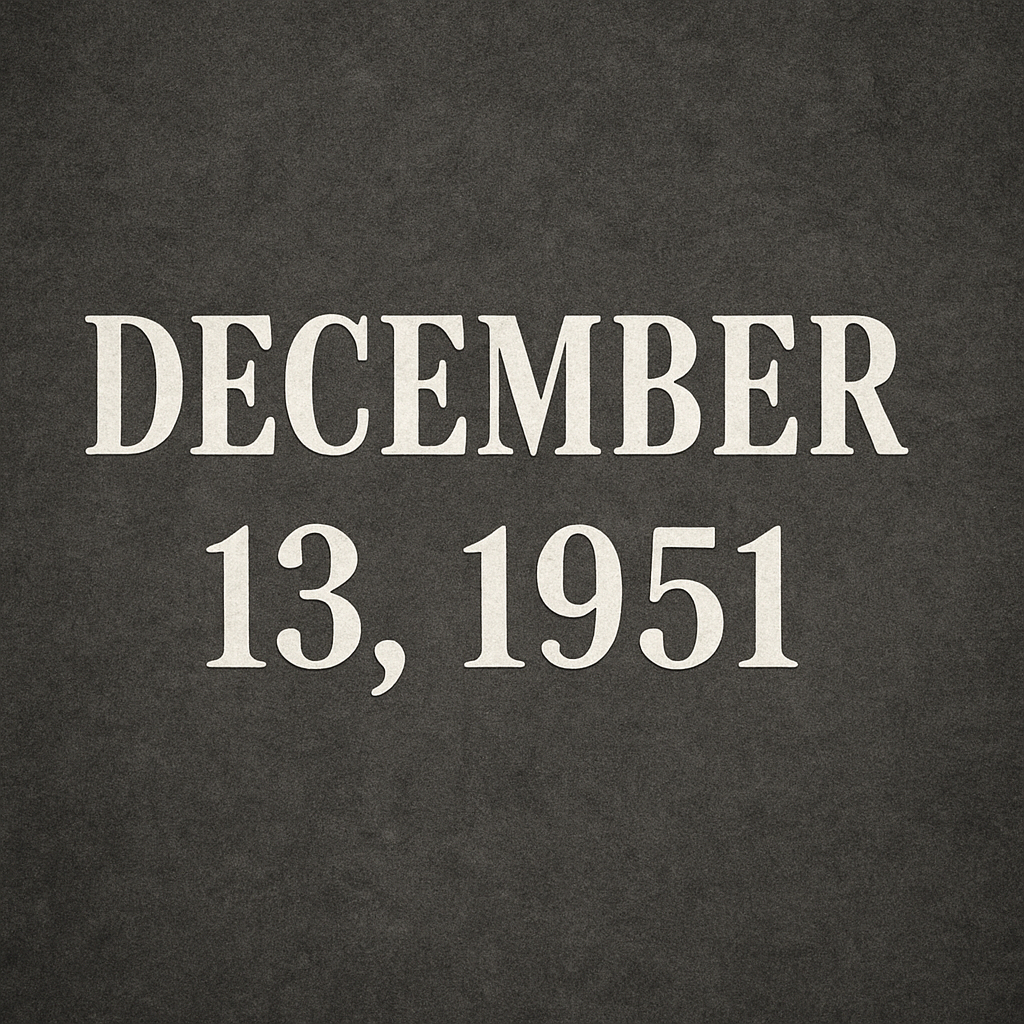
December 13, 1951 sits right in the middle of a quiet but dangerous shift in American history. During the early Cold War, civil rights organizations, including the NAACP, came under intensified federal scrutiny and state level attack. Under the banner of fighting communism, activism for equal rights began to be framed as a national security threat rather than a constitutional right. By this period, the NAACP was facing loyalty investigations, demands for membership lists, and legal pressure in multiple states. Southern legislatures moved to restrict or ban its operations outright, arguing that civil rights organizing was “subversive” or foreign influenced. These accusations were not supported by evidence, but they were effective. They chilled participation, endangered members, and slowed organizing efforts through fear and intimidation. This moment matters because it helped normalize surveillance as a tool against Black political organizing. The logic was simple and deeply flawed. If you challenge inequality, you must be dangerous. That mindset did not end in the 1950s. It laid groundwork for later monitoring of activists, community leaders, and movements well into the late twentieth century and beyond. December 1951 is not remembered for a single headline grabbing event, but for a pattern taking shape. Civil rights work was being recast as suspicious, unpatriotic, and worthy of government oversight. That reframing shaped how activism would be treated for generations and explains why many organizers learned to move carefully, document everything, and expect resistance not just from mobs, but from institutions. History is not only about what happened loudly. Sometimes the most lasting damage is done quietly, through paperwork, court orders, and labels that follow people long after the moment has passed. #HistoryMatters #ColdWarEra #CivilRightsHistory #NAACP #AmericanHistory #HiddenHistory #GovernmentSurveillance #BlackHistory

LataraSpeaksTruth

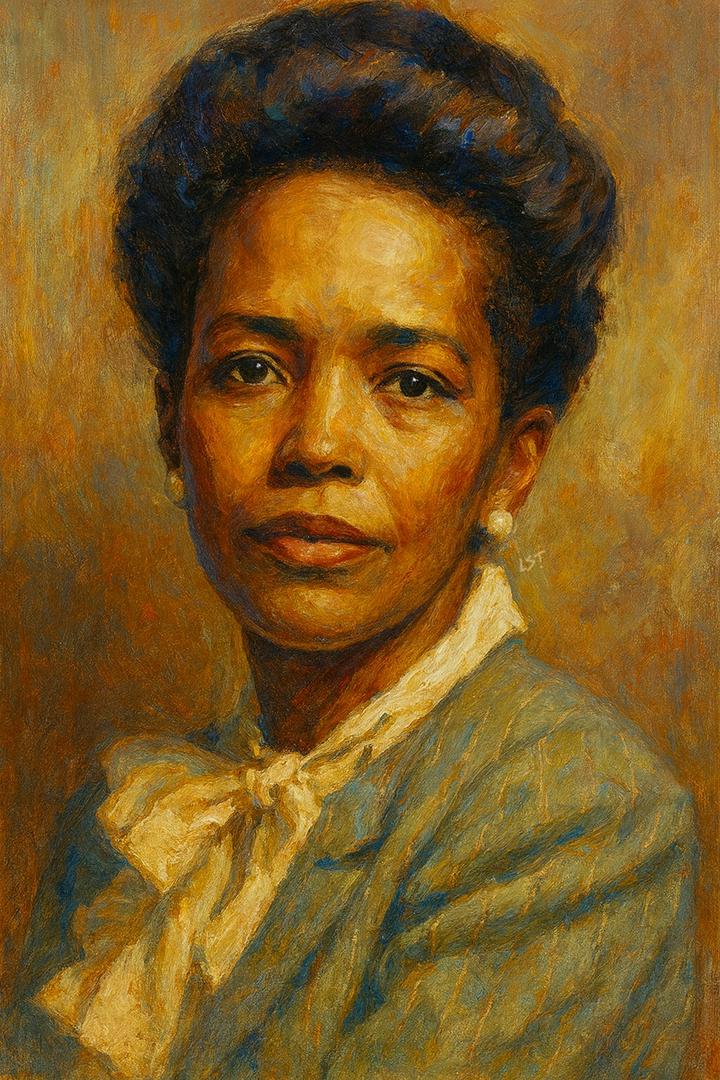
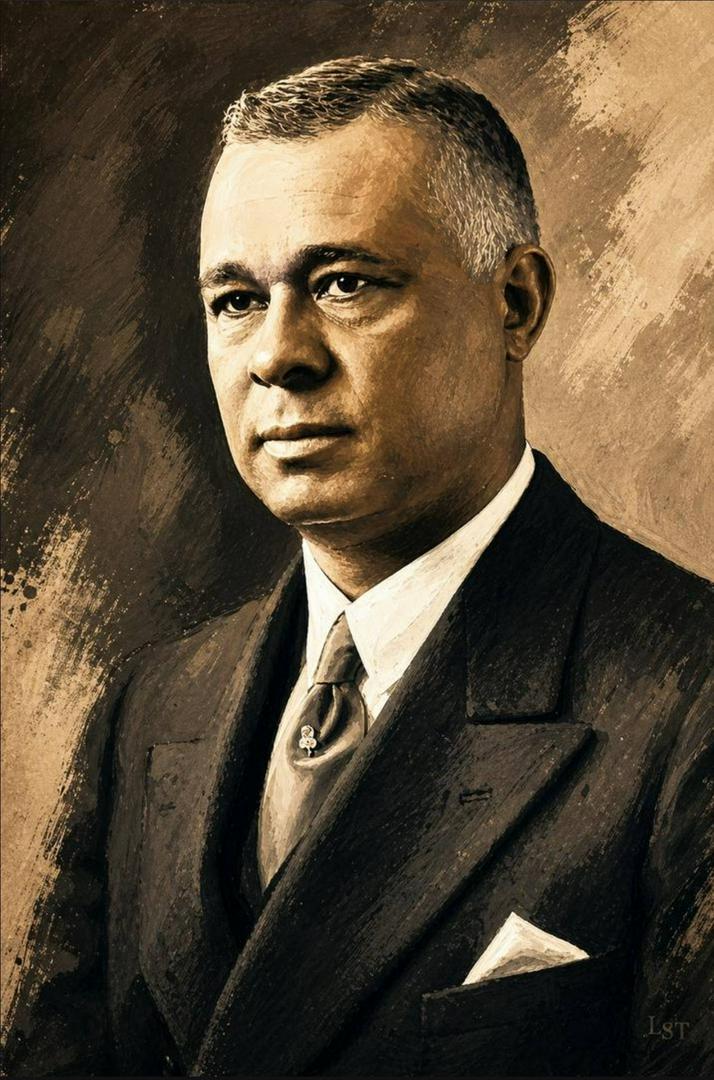
Ella Baker was born on December 13, 1903, and she died on December 13, 1986. Eighty three years, same date. That alone tells you this is someone worth pausing for. But her real legacy is not about dates. It is about how movements are built, and who actually holds them up. Ella Baker was a strategist, organizer, and political thinker who believed real change comes from ordinary people, not charismatic figureheads. She worked with the NAACP, helped launch the Southern Christian Leadership Conference, and later played a critical role in the formation of the Student Nonviolent Coordinating Committee. While others gave speeches, she built systems. While others stood at podiums, she stood in community meetings, kitchens, and church basements. She openly challenged the idea that movements need a single leader. Her philosophy was simple but radical. Strong people do not need strong leaders. They need tools, knowledge, and space to organize themselves. That belief shaped student activism across the South and helped fuel voter registration drives, grassroots education, and long term organizing that rarely made headlines but changed lives. Ella Baker was not interested in fame. She was interested in results. She pushed back when voices were ignored. She insisted women be taken seriously in organizing spaces. She believed young people were not the future of movements but the present. Many of the freedoms later generations benefited from were protected and expanded by work she helped guide, often without credit. Her story reminds us that history is not only made by the loudest voice in the room. Sometimes it is made by the one making sure everyone else is heard. December 13 is her day. And remembering her means remembering how change actually happens. #EllaBaker #OnThisDay #December13 #HiddenFigures #HistoryMatters #GrassrootsOrganizing #SNCC #NAACP #CivilRightsHistory #Leadership #WomenInHistory #OurHistory

LataraSpeaksTruth

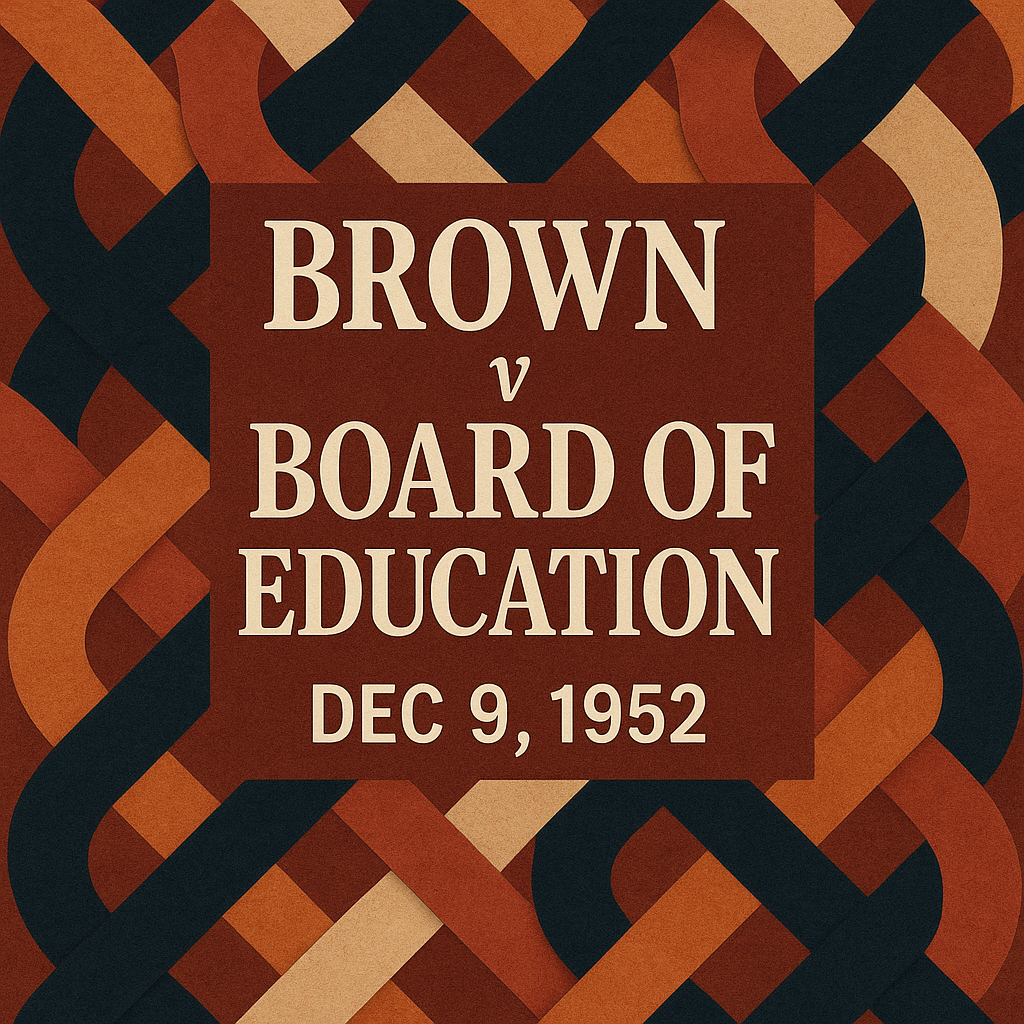
December 9, 1952 marked a turning point in American history, even though most people at the time didn’t realize how much the moment would reshape the nation. On this day, the U.S. Supreme Court began hearing arguments in Brown v. Board of Education and several related cases challenging school segregation. Families from Kansas, South Carolina, Virginia, Delaware, and the District of Columbia all stepped forward, insisting that separate classrooms created unequal futures for their children. Their voices carried a message that had been ignored for decades, and this was the first time the highest court in the country had to confront it head-on. The arguments unfolded over several days, exposing a truth that had long been clear to the families living it. Segregated schools were not just separate, they were deeply unequal in funding, safety, resources, and opportunity. Attorneys including Thurgood Marshall pushed the Court to acknowledge the harm being done to children who were told, by law, that they were worth less. It challenged the very idea of fairness in public education and forced the nation to face its contradictions. Though the Court would not reach a final decision until 1954, December 9 was the spark that set everything in motion. The justices’ willingness to reopen arguments multiple times showed how heavy the moment truly was. They knew the outcome would transform every district, every classroom, and every child’s understanding of what equality should look like in America. The eventual ruling, declaring school segregation unconstitutional, did more than change policy, it changed the nation’s direction. And it all began with the courage of families who refused to let inequality be the last word. #LataraSpeaksTruth #NewsBreak #HistoryMatters #AskLemon8 #BlackHistory #AmericanHistory #BrownvBoard #OnThisDay #CivilRightsHistory