Did Christians Steal Yule? Let’s Talk About It
Part 3: Decorations, Greenery, and Assumptions
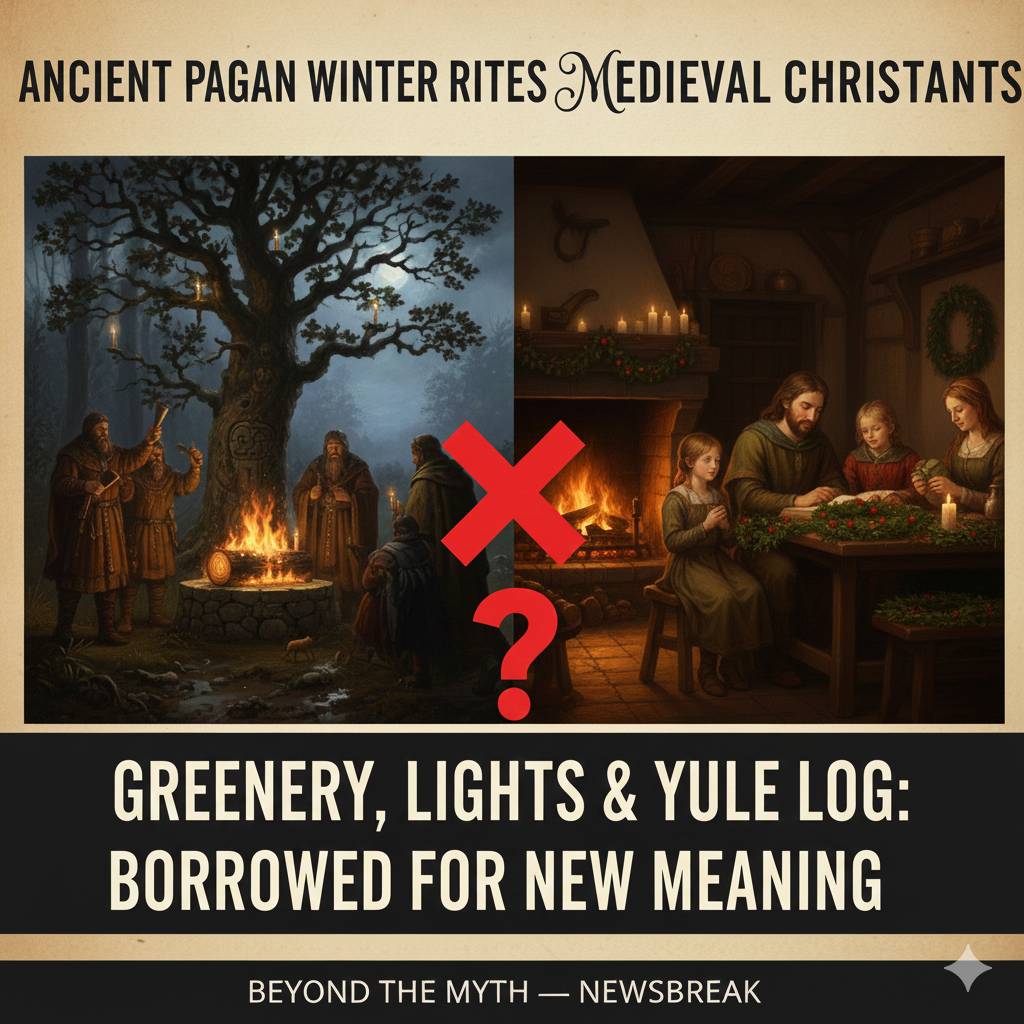
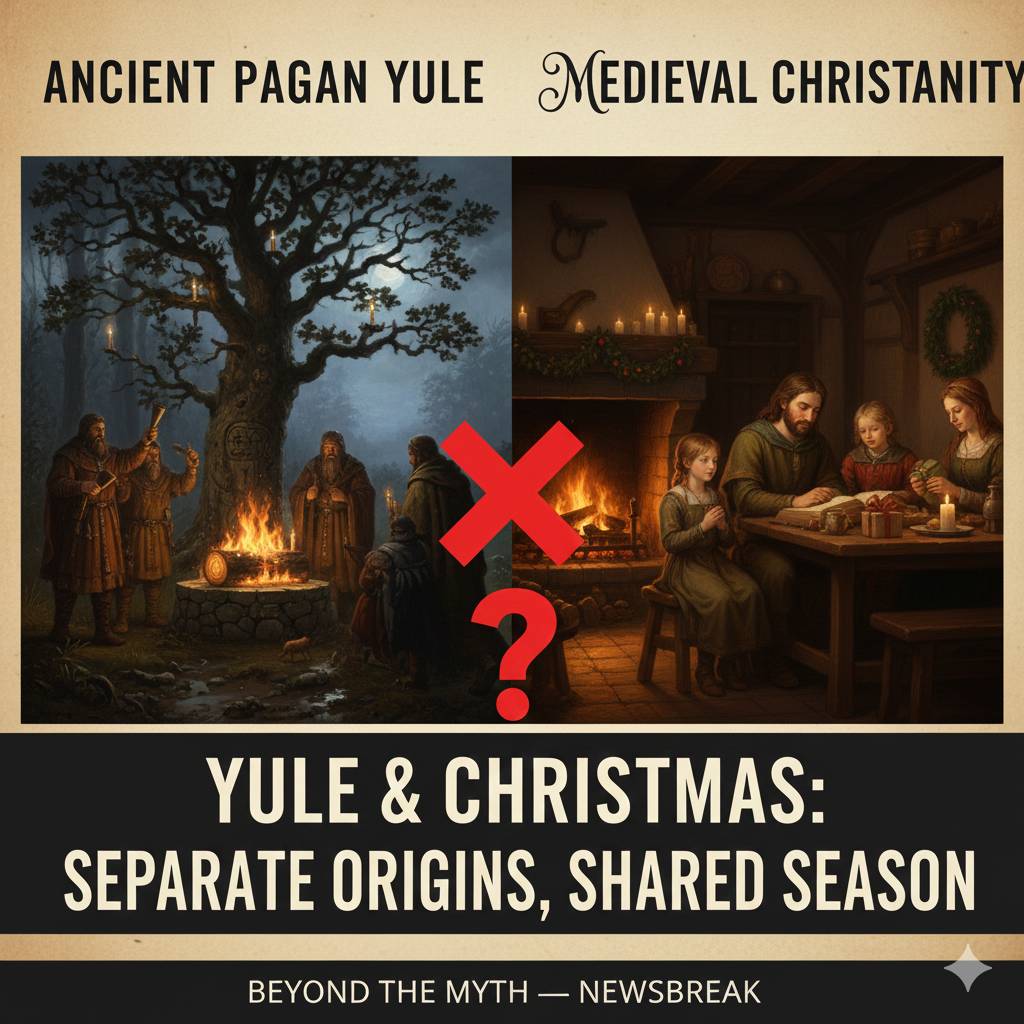
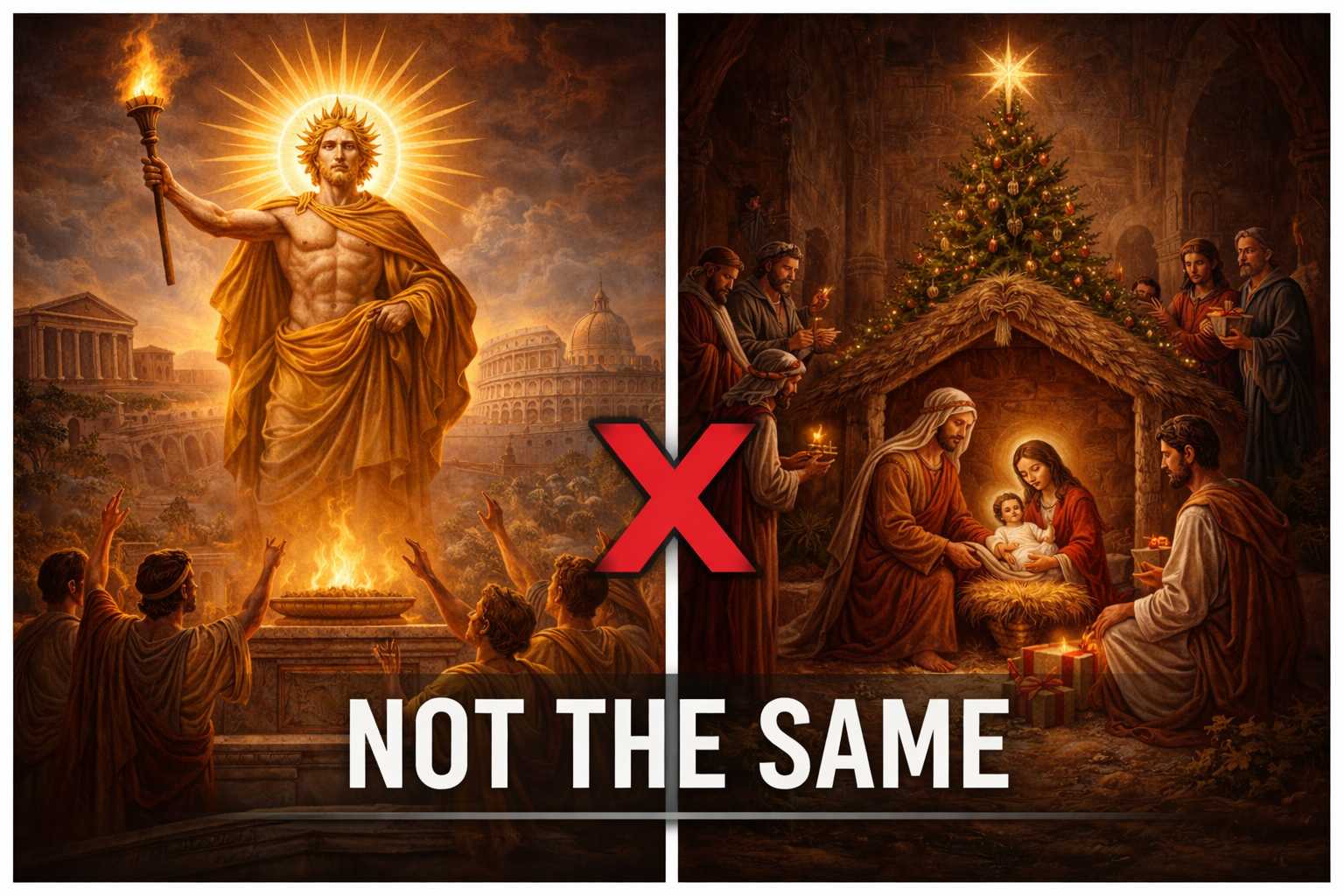
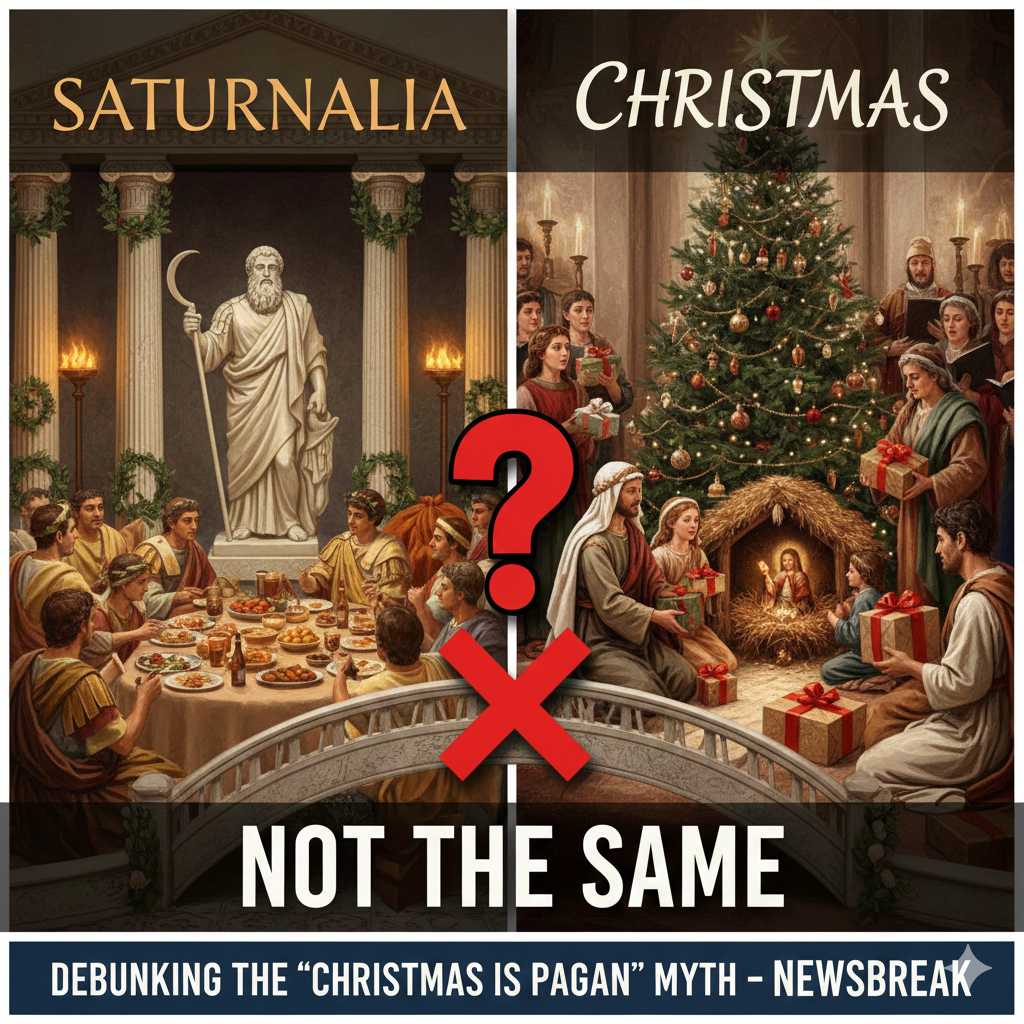
At this point, the argument often narrows to details. Evergreen branches, holly, wreaths, candles. These items existed in pre-Christian cultures, therefore Christmas must be pagan. This reasoning sounds persuasive, but it quietly skips a critical distinction.
Use does not equal worship.
Plants, fire, food, and light have been used by nearly every culture in every season. That does not make them religious by default. Meaning comes from intent, not material. A candle used for worship is not the same thing as a candle used for light or decoration.
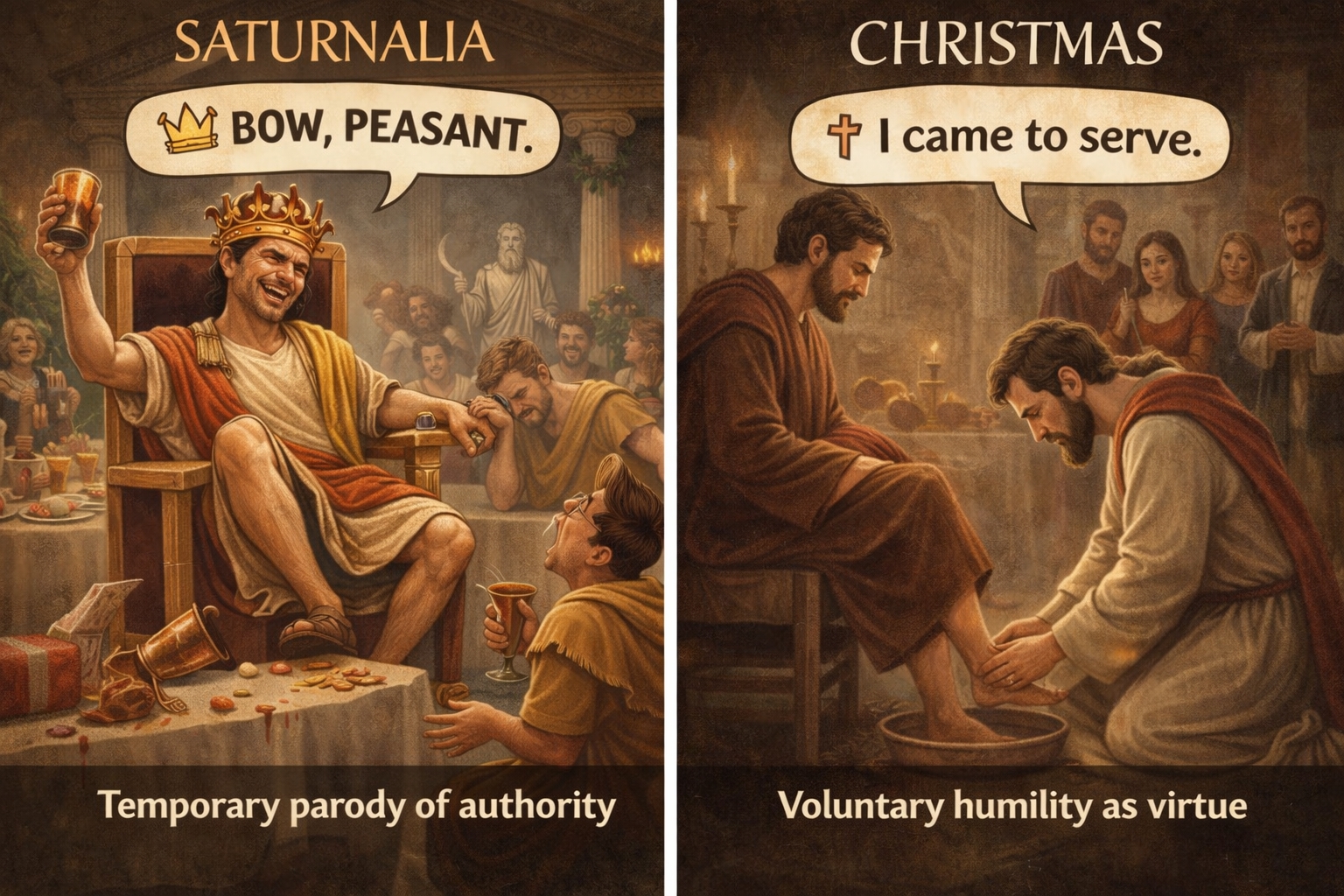
Christianity did not teach people to worship trees, plants, or seasons. In fact, it consistently warned against confusing created things with the Creator. Using greenery in winter did not smuggle pagan theology into Christian belief any more than using bread makes Christianity a grain cult.
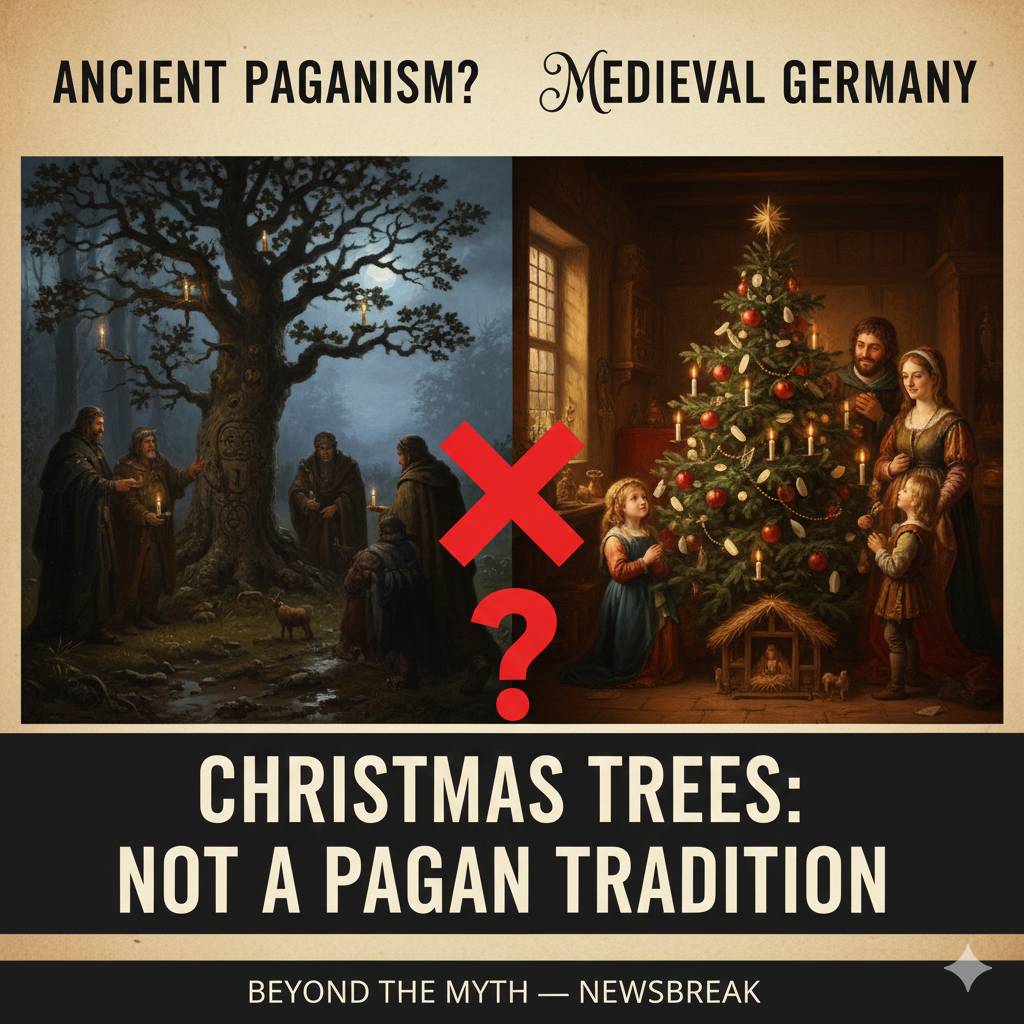
There is also a timing issue. Many of the decorative customs associated with Christmas developed gradually in medieval and early modern Europe. They were cultural expressions layered onto an already existing Christian celebration, not foundations of it.
The assumption underneath the argument is this:
If pagans ever used something first, no one else may ever use it without borrowing their religion.
That standard fails immediately. By that logic, language, music, calendars, clothing, and architecture would all be pagan forever.
The real historical picture is simpler.
Christian worship remained centered on Christ. Local cultures expressed celebration in familiar ways.
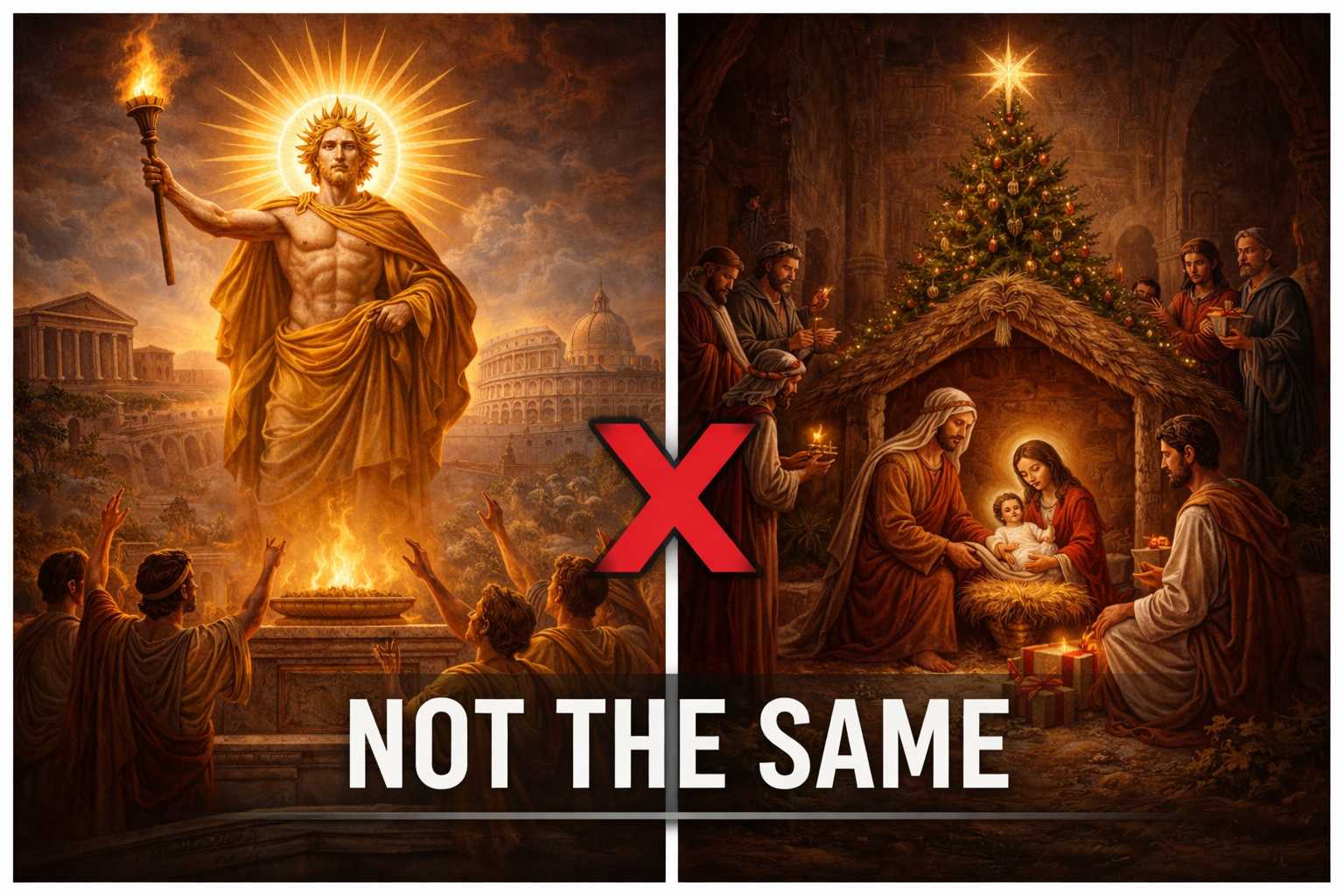
Shared objects did not mean shared gods.
So the better question is not whether pagans used greenery. They did.
The real question is whether Christians adopted pagan worship.
And there is no evidence that they did.
#HolidayTraditions #Christian #ChristmasDecor #PaganTraditions #Christmas2025