Tag Page BluesMusic

#BluesMusic
LataraSpeaksTruth

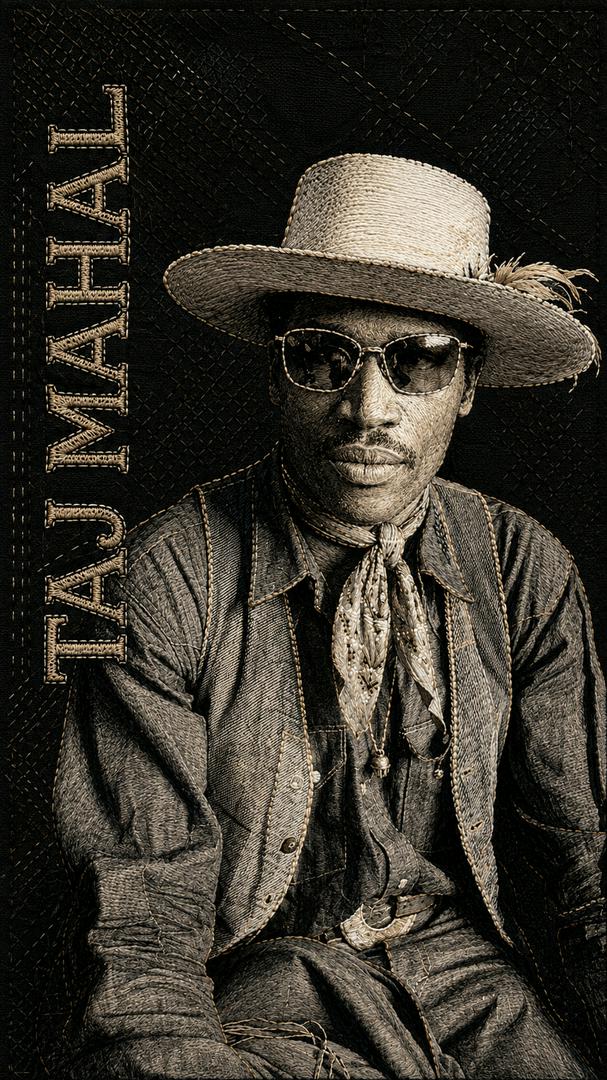
Born on May 17, 1942, in Harlem, New York, Taj Mahal entered the world as Henry St. Claire Fredericks Jr. and grew into one of the most adventurous voices in American blues. What made Taj Mahal different was that he never treated blues like a museum piece. He honored the roots, but he also opened the windows. His sound pulled from country blues, Caribbean rhythms, West African influence, folk, jazz, gospel, reggae, calypso, and other global traditions. Long before “world music” became a common label, Taj Mahal was already proving that the blues could travel without losing its soul. Britannica describes him as one of the pioneers of what came to be called world music, and that description fits. His music carried history, movement, and memory. It crossed oceans. It carried traces of the Caribbean, West Africa, the American South, and the long journey of Black music itself. Taj Mahal also challenged narrow ideas about what a blues musician was supposed to sound like. He could sing, write, and play guitar, banjo, harmonica, piano, and more. His work showed that blues was not limited to one region, one rhythm, or one tradition. It was a living sound. That is why his legacy matters. Taj Mahal did not just play the blues. He stretched it, protected it, studied it, and carried it into new places. His career reminds us that music is not frozen in time. It breathes. It travels. It remembers where it came from while still finding somewhere new to go. On his birthday, Taj Mahal deserves recognition not only as a blues legend, but as a bridge between traditions, cultures, and generations. #TajMahal #BluesMusic #MusicHistory #OnThisDay #LataraSpeaksTruth
LataraSpeaksTruth

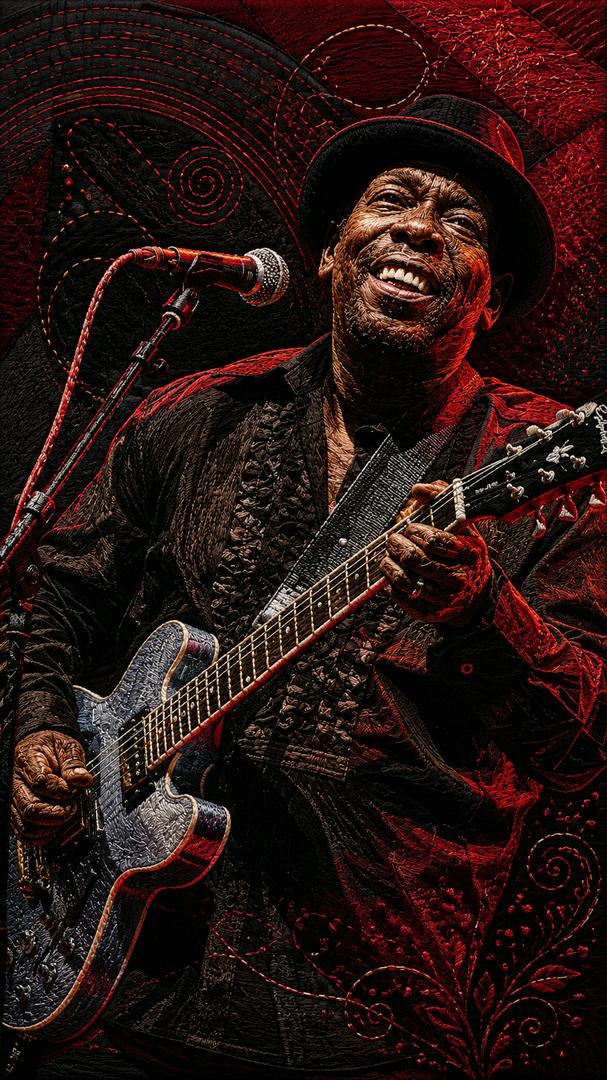
On May 17, 2020, the blues world lost one of its most gifted modern musicians when Lucky Peterson died in Dallas at only 55 years old. Born Judge Kenneth Peterson, he was not just another musician passing through the blues. He was one of those rare artists who seemed born inside the sound. He could sing, play guitar, work the keyboard, and bring the Hammond B3 organ to life with the kind of fire that made people stop talking and listen. Peterson’s story started early. He was performing as a child and became known as a prodigy, carrying a sound that mixed blues, gospel, soul, R&B, rock, and jazz. That blend helped him stand apart. He was not trapped in one lane. He could honor the old-school blues foundation while still making it feel alive for a new generation. By the time many people were still trying to find their purpose, Lucky Peterson had already built a lifetime in music. His career stretched across decades, stages, recordings, and audiences around the world. Whether he was seated at the organ or standing with a guitar in his hands, he performed with a spirit that felt both church-born and road-tested. His death was a painful loss because musicians like him do not come in bulk. He was part of a tradition where the blues was not just entertainment. It was memory. It was survival. It was testimony with rhythm attached. Lucky Peterson left behind more than songs. He left behind proof that the blues never died. It just kept finding new hands, new voices, and new souls willing to carry it forward. On this day, we remember Lucky Peterson, a musician whose name fit him in one way, but whose talent had nothing to do with luck. #LuckyPeterson #BluesMusic #MusicHistory #OnThisDay

LataraSpeaksTruth

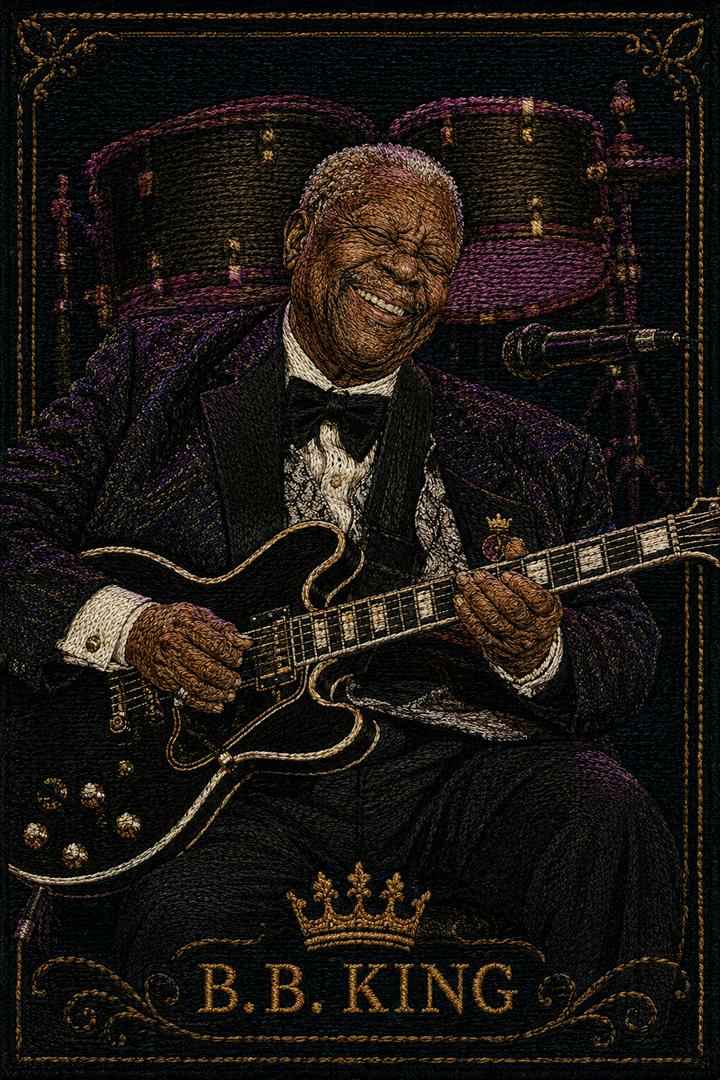
B.B. King died on May 14, 2015, at age 89, but calling that the end of his story would be wrong. His music is still here. His guitar is still speaking. His name still carries weight wherever the blues are respected. Born Riley B. King near Itta Bena, Mississippi, he came from the Delta, where struggle and sound often lived side by side. Before he became known around the world, he worked the land, sang gospel, played street corners, and followed the music that would eventually carry him far beyond Mississippi. In Memphis, his nickname began as Beale Street Blues Boy, later shortened to Blues Boy, then B.B. King. That name became one of the most important in American music. His guitar, Lucille, became almost as famous as he was. Together, they created a sound that did not need to be loud to be powerful. B.B. King could bend one note and make it feel like a whole story. His playing carried pain, love, patience, joy, and memory. Songs like “The Thrill Is Gone,” “Every Day I Have the Blues,” and “Sweet Little Angel” helped define his legacy, but his influence went far beyond one song or one stage. Blues musicians, rock guitarists, soul artists, and generations of performers learned from his tone, his timing, and his restraint. PBS called him the legendary blues guitarist and singer. TIME reported that after his death in Las Vegas, he was laid to rest in Indianola, Mississippi, where fans gathered to honor him. That final journey back to Mississippi mattered. The Delta helped shape B.B. King, and he gave the world a sound that still cannot be copied. On May 14, we remember more than a musician. We remember the King of the Blues…a man who turned life into music and made Lucille cry in a language everybody could understand. #BBKing #KingOfTheBlues #BluesMusic #MusicHistory #BlackMusicHistory #OnThisDay

You've reached the end!
Tag: BluesMusic | LocalAll