Tag Page BluesHistory

#BluesHistory
LataraSpeaksTruth

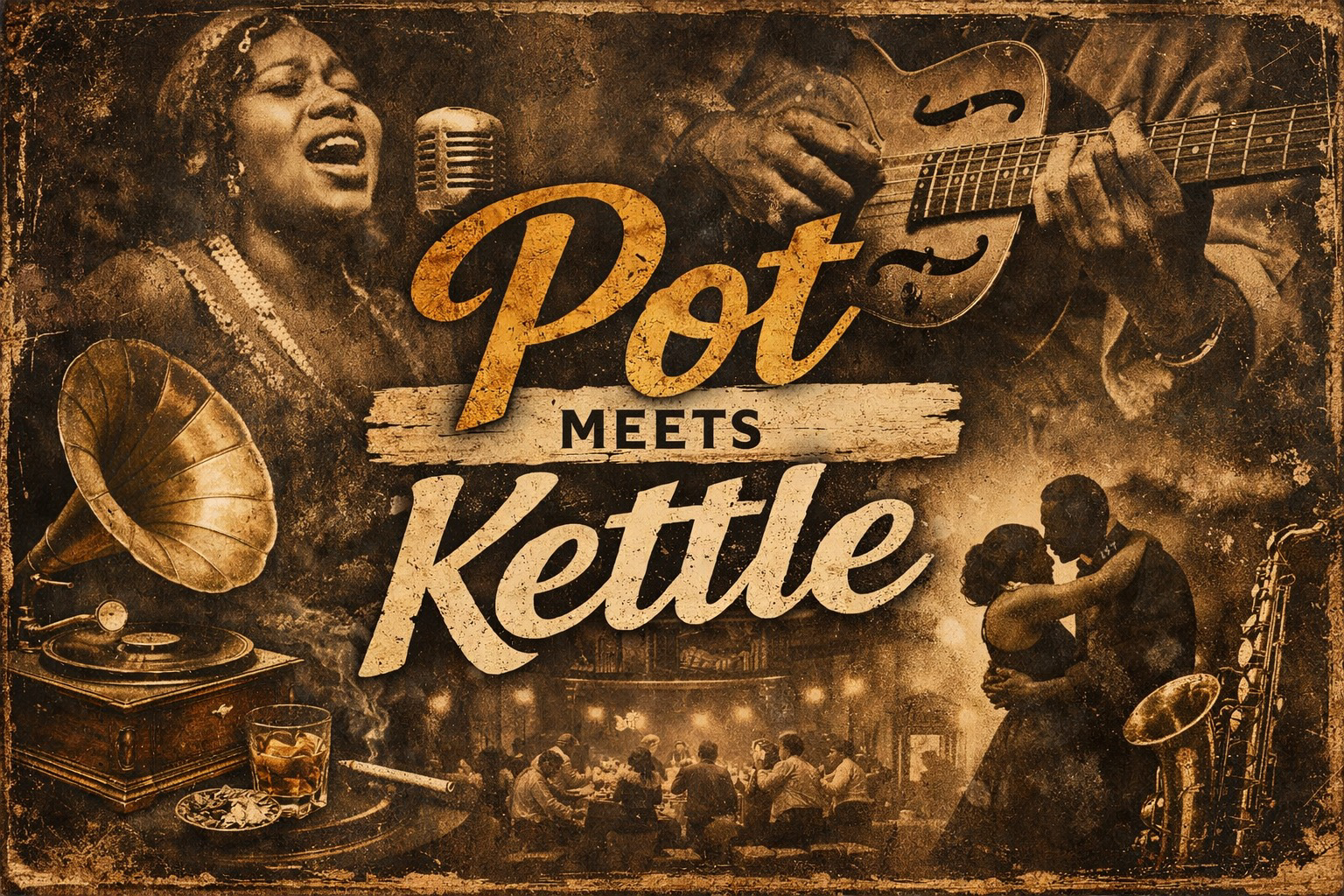
Every generation eventually has a problem with the music that comes after them. The complaints never change. Too sexual. Too explicit. Too much. Rap usually gets blamed, but this pattern existed long before hip hop. What changes is not the music. It is the listener. I know this because I see it happening to myself. I still listen to rap, but I am more selective now. There are songs I will not play anymore. Not because they should not exist, but because they do not fit where I am now. Sometimes I stop and think… wait a minute… I really used to listen to that? That is not moral judgment. That is aging. That is where the pot meets the kettle. Before parental advisory labels and warning stickers, there was the blues. And the blues was not innocent. Early blues music was adult music made for adult spaces. It was filled with coded language about sex, desire, cheating, bodies, power, and pleasure. The metaphors were not about modesty. They were about survival. Lucille Bogan recorded songs in the 1920s and 1930s that were openly sexual and unapologetic. Her lyrics described adult themes so clearly they would still make listeners uncomfortable today. Ma Rainey sang about sexual freedom and relationships society did not approve of, long before it was considered acceptable. These records played in juke joints and late night spaces where no one pretended the audience was innocent. This is not about defending every song in every era. It is about honesty. Taste changes. People grow. And history gets rewritten when we forget that we were young too. #PotMeetsKettle #MusicHistory #BluesHistory #RapConversation #GenerationalCycles #CulturalMemory

LataraSpeaksTruth

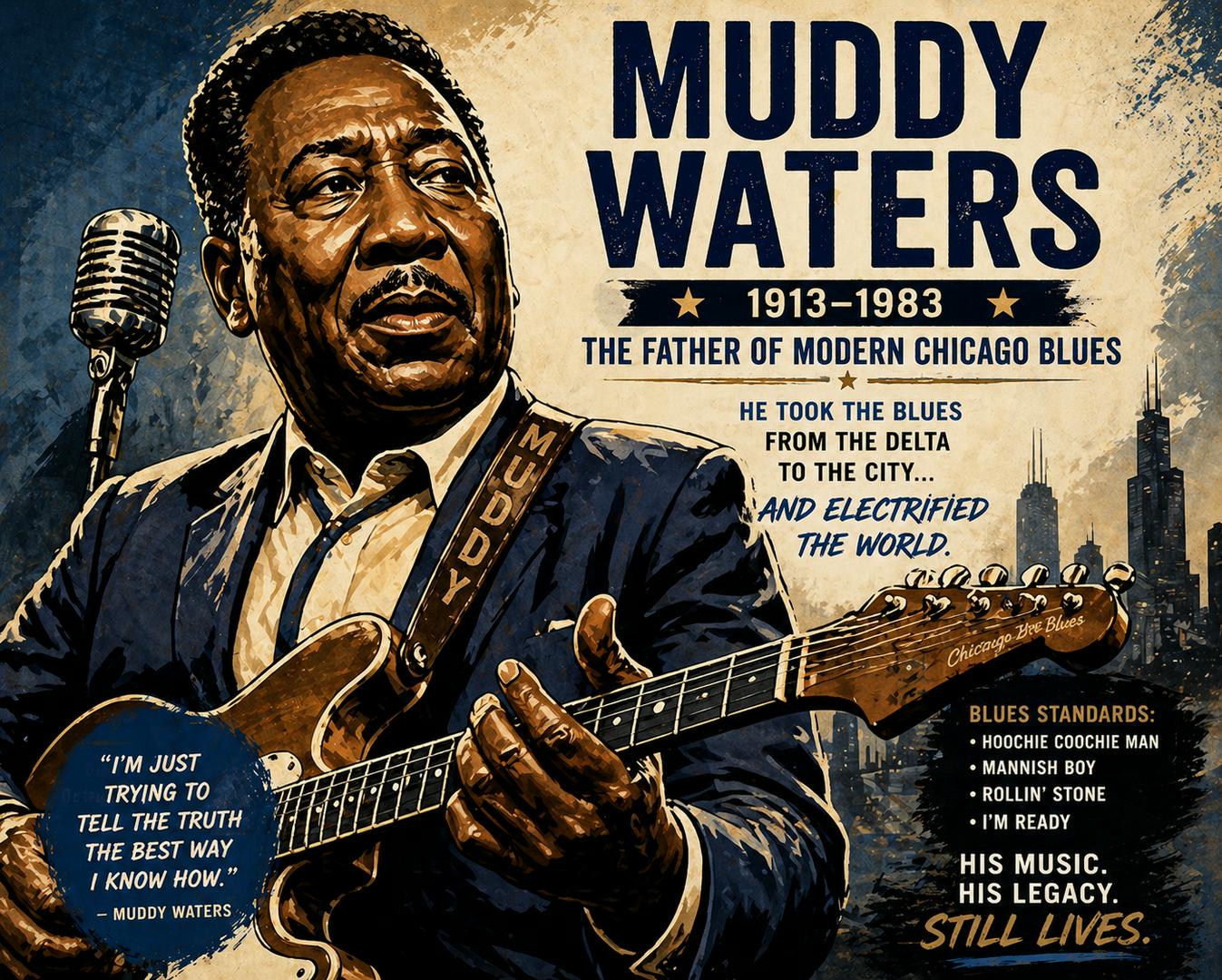
April 30, 1983: The blues lost one of its giants. Muddy Waters, born McKinley Morganfield, died at his home in Westmont, Illinois, at age 70. His death marked the end of a life that helped reshape American music from the ground up. Born in Mississippi in 1913, Waters grew up surrounded by the sounds of the Delta. He learned guitar and harmonica, drawing from the deep, raw style of country blues. But when he moved north to Chicago in the 1940s, he helped turn that sound electric. The city was louder, faster, and harder — and Muddy’s music rose to meet it. With his powerful voice, slide guitar, and commanding stage presence, he became the face of postwar Chicago blues. Songs like “Hoochie Coochie Man,” “Mannish Boy,” “Rollin’ Stone,” and “I’m Ready” became blues standards. His music carried the grit of the Delta into the modern city and gave Chicago blues its muscle. His influence did not stop with blues. Rock and roll owes him a heavy debt. The Rolling Stones took their name from his song “Rollin’ Stone.” Artists across blues, rock, soul, and popular music followed the road he helped pave. Without Muddy Waters, the sound of modern music would be missing one of its deepest roots. He was more than a performer. He was a bridge between old blues traditions and the electric future. That is why he is often called the father of modern Chicago blues — not as a slogan, but because the title fits. Muddy Waters died in 1983, but the sound he built still lives every time a guitar growls, a singer bends a note, or a band reaches back to the blues for truth. #MuddyWaters #BluesHistory #ChicagoBlues #MusicLegends #OnThisDay

LataraSpeaksTruth

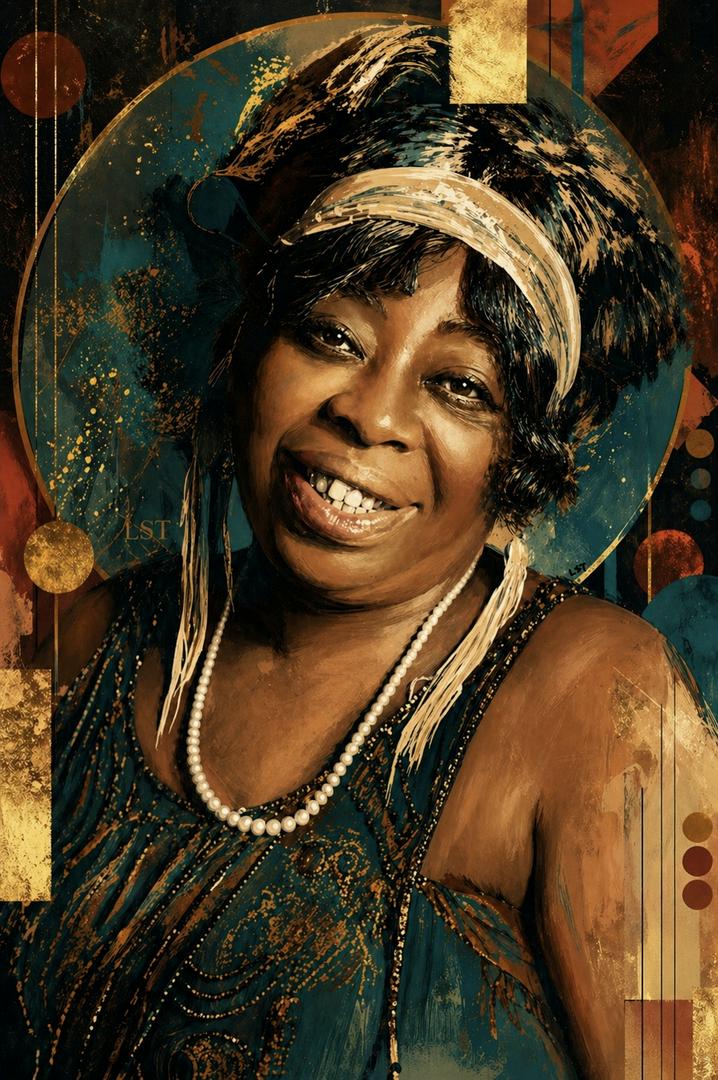
April 26, 1886… Ma Rainey was born. Gertrude “Ma” Rainey was born in Columbus, Georgia, and became one of the most important voices in early blues history. Known as the Mother of the Blues, Rainey helped bring blues music from Southern folk tradition into popular stage performance, where audiences could hear the pain, humor, boldness, and survival inside the sound. Before blues became a major recorded genre, Ma Rainey was already performing across the South in vaudeville, tent shows, and traveling productions. Her voice carried something that could not be polished away. It was deep, raw, commanding, and rooted in real life. She did not just sing the blues. She helped shape how the blues would be performed. Her music gave space to stories about love, heartbreak, independence, hardship, desire, and everyday life. At a time when many performers were expected to fit into narrow roles, Ma Rainey stood on stage with presence, confidence, and control. She was not background. She was the main event. Her influence reached far beyond her own recordings. She helped open doors for later blues women, helped define early Black entertainment, and left a mark on American music that can still be heard in blues, jazz, soul, rock, and hip-hop. Ma Rainey’s story matters because she represents more than music history. She represents Southern history, women’s history, stage history, and the long tradition of artists turning lived experience into sound. On April 26, we remember Ma Rainey not only as the Mother of the Blues, but as one of the women who helped give American music its backbone. #MaRainey #History #MusicHistory #BluesHistory #WomenInMusic
You've reached the end!