Tag Page BlackWomenInHistory

#BlackWomenInHistory
Guess_str

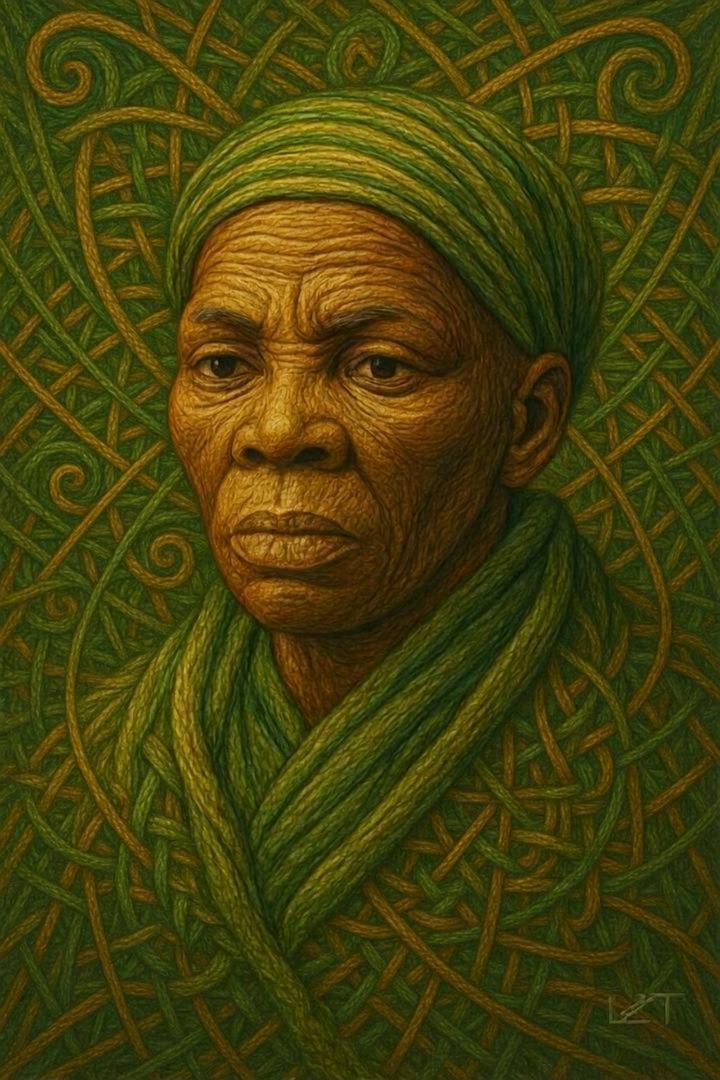
On March 10. 1913. Harriet Tubman died in Auburn, New York, closing the life of one of the boldest freedom fighters this country has ever known. Born into slavery in Maryland around 1822, Tubman escaped bondage, then risked her life again and again by returning south to help others flee to freedom in the North and Canada. She became the most famous conductor of the Underground Railroad, quiding enslaved people toward freedom when capture could have meant torture or death. Her courage was not symbolic. It was lived. It was tested. And it never backed down. Tubman's work did not stop with escape During the Civil War, she served the Union cause as a nurse, scout, and spy, proving again that Black women were doing essential work for a nation that still denied them full recognition. In her later years, she continued serving her community in Auburn where she helped establish a home forelderly and poor Black people in need. Even near the end of her life. Harriet Tubman was still doing what she had always done, showing up for her people March 10 is not iust the date of her passing It is a date to remember what real sacrifice ooks like. Harriet Tubman did not wait for permission to do what was riqht. She moved with faith, with nerve, and with a kind of strength history still struggles ta measure. #HarrietTubman #BlackHistory #OnThisDay #WomensHistory #UnderaroundRailroad #CivilWarHistory #AmericanHistory #BlackWomenInHistory #FreedomFighter #NewsBreakHistory

LataraSpeaksTruth

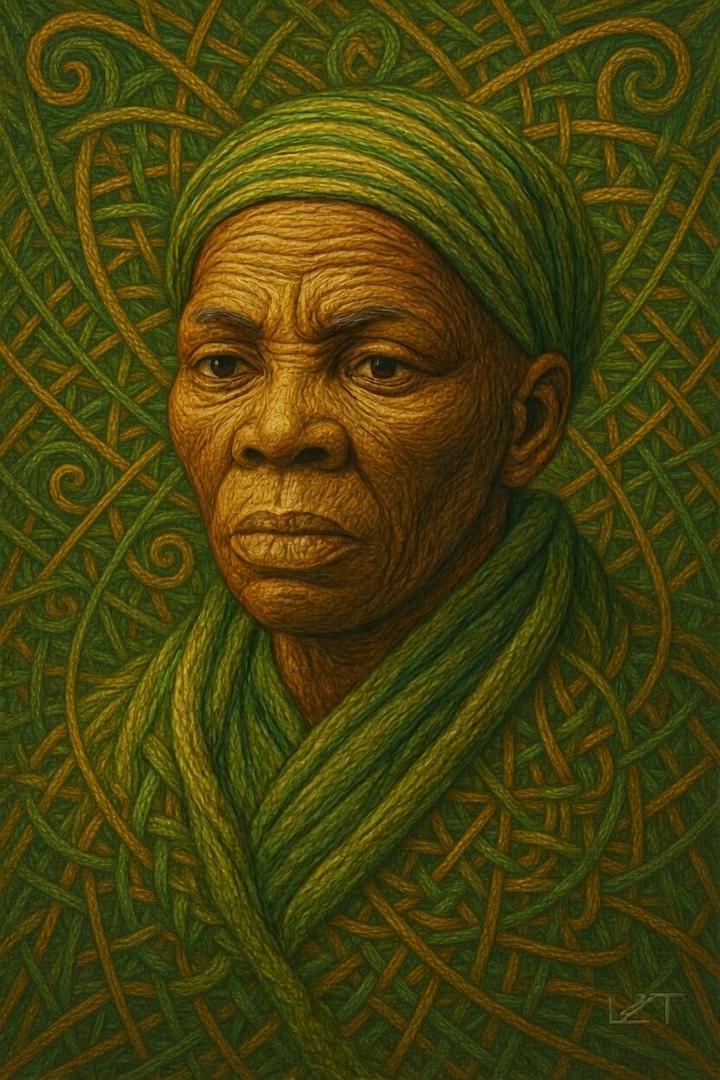
On March 10, 1913, Harriet Tubman died in Auburn, New York, closing the life of one of the boldest freedom fighters this country has ever known. Born into slavery in Maryland around 1822, Tubman escaped bondage, then risked her life again and again by returning south to help others flee to freedom in the North and Canada. She became the most famous conductor of the Underground Railroad, guiding enslaved people toward freedom when capture could have meant torture or death. Her courage was not symbolic. It was lived. It was tested. And it never backed down. Tubman’s work did not stop with escape. During the Civil War, she served the Union cause as a nurse, scout, and spy, proving again that Black women were doing essential work for a nation that still denied them full recognition. In her later years, she continued serving her community in Auburn, where she helped establish a home for elderly and poor Black people in need. Even near the end of her life, Harriet Tubman was still doing what she had always done, showing up for her people. March 10 is not just the date of her passing. It is a date to remember what real sacrifice looks like. Harriet Tubman did not wait for permission to do what was right. She moved with faith, with nerve, and with a kind of strength history still struggles to measure. #HarrietTubman #BlackHistory #OnThisDay #WomensHistory #UndergroundRailroad #CivilWarHistory #AmericanHistory #BlackWomenInHistory #FreedomFighter #NewsBreakHistory

LataraSpeaksTruth

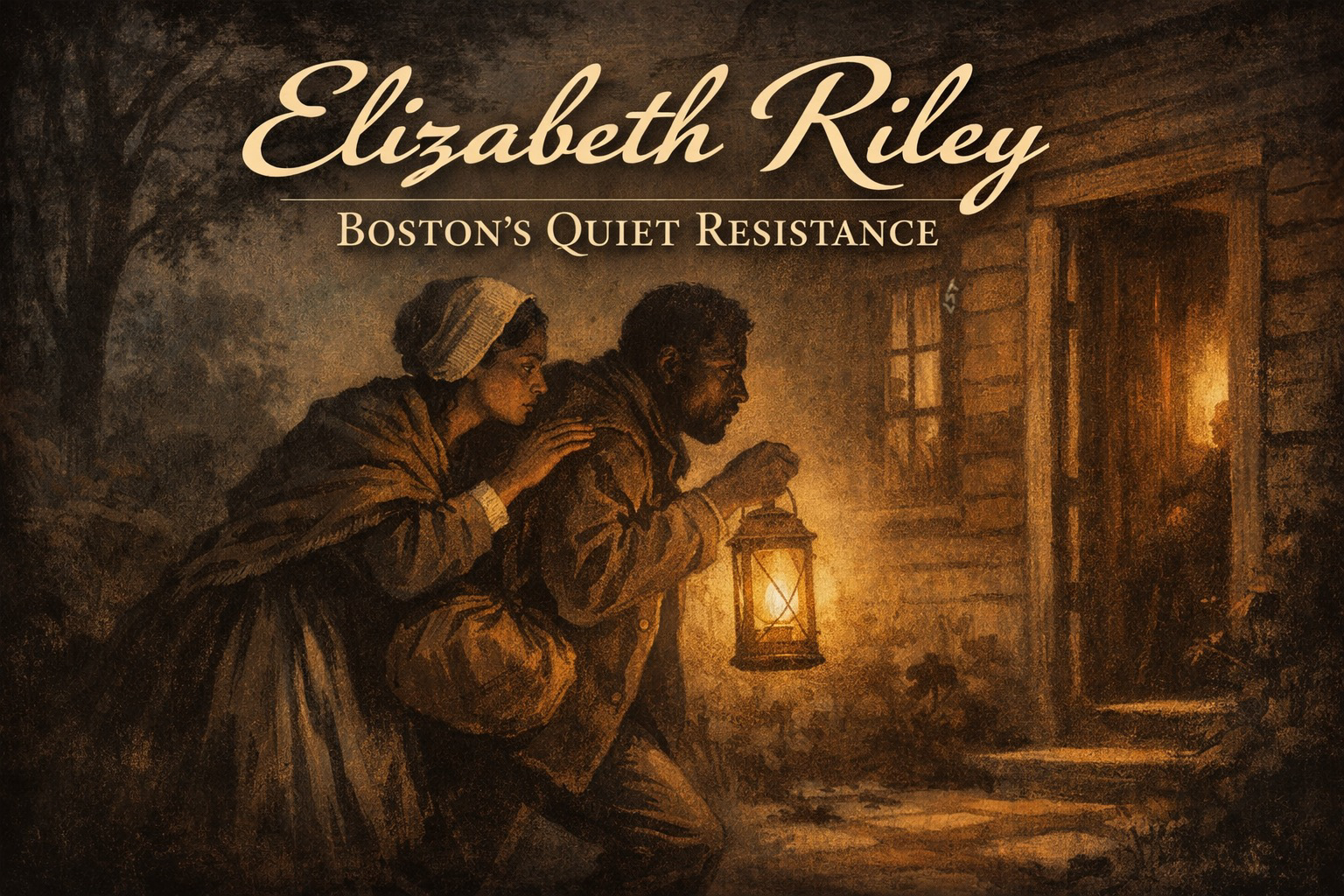
On January 23, 1855, Elizabeth Riley passed away in Boston, leaving behind a legacy that rarely makes textbooks but lived at the center of Black resistance during the abolition era. Riley was part of Boston’s free Black community at a time when freedom itself required constant defense. She was not famous in the way some abolitionists became, but her work was essential. She supported anti slavery organizing through Black women led societies and helped raise early funds for The Liberator, the newspaper that amplified abolitionist demands nationwide. Her courage went beyond meetings and donations. In 1851, after the dramatic rescue of Shadrach Minkins from federal custody under the Fugitive Slave Act, Riley hid him in her attic on what is now Phillips Street. That single act placed her home directly in the crosshairs of federal law, yet she chose protection over safety and humanity over compliance. Later in life, Riley worked as a nurse, caring for the sick and vulnerable in her community. This kind of labor rarely gets labeled as resistance, but it sustained Black life in an era built on erasure. Care work was survival work. Shelter was strategy. Elizabeth Riley’s life reminds us that abolition was not only speeches and protests. It was kitchens, bedrooms, attics, and hands willing to hold people up when the law would not. Her name deserves to be spoken alongside the movement she helped carry. #ElizabethRiley #AbolitionEra #BostonHistory #BlackWomenInHistory #UndergroundResistance

LataraSpeaksTruth

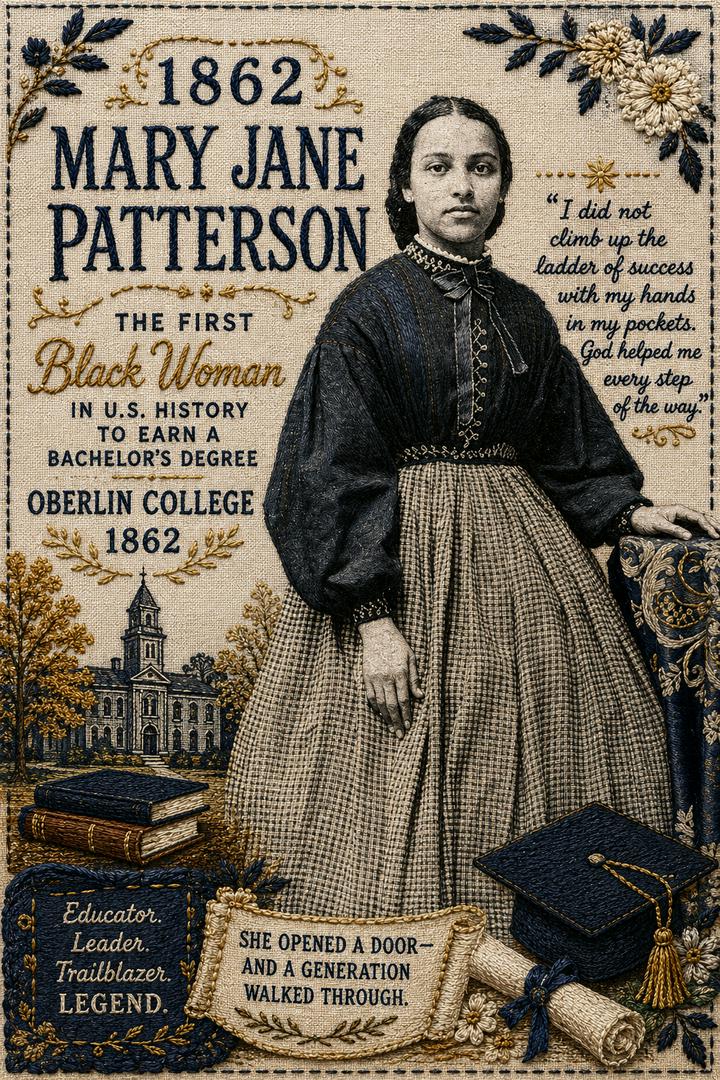
In 1862, Mary Jane Patterson made history when she graduated from Oberlin College, becoming the first Black woman in the United States widely recognized as earning a Bachelor of Arts degree. That achievement was powerful on its own, but the timing makes it even heavier. She graduated during the Civil War, while slavery was still legal in much of the country and most Black Americans were still fighting for freedom, safety, citizenship, and basic human recognition. Patterson did not take the easier path expected of women at the time. At Oberlin, she completed the rigorous classical course, often referred to as the “gentlemen’s course,” which included subjects such as Latin, Greek, and higher mathematics. She graduated with high honors. But Mary Jane Patterson was not just a “first.” She became an educator and leader who helped shape future generations. She taught at the Institute for Colored Youth in Philadelphia and later worked in Washington, D.C., at the Preparatory High School for Colored Youth, which became known as Dunbar High School. She eventually served as principal, helping raise the academic standards of one of the most important Black educational institutions of its era. Her story matters because she stepped into higher education when the country was still debating whether Black people should even be free. She pursued excellence in a world designed to deny her access. Mary Jane Patterson did not just earn a degree. She opened a door. And every Black woman who walked across a college stage after her carried part of that legacy forward. #MaryJanePatterson #BlackHistory #BlackWomenInHistory #OberlinCollege #EducationHistory #HiddenHistory

LataraSpeaksTruth

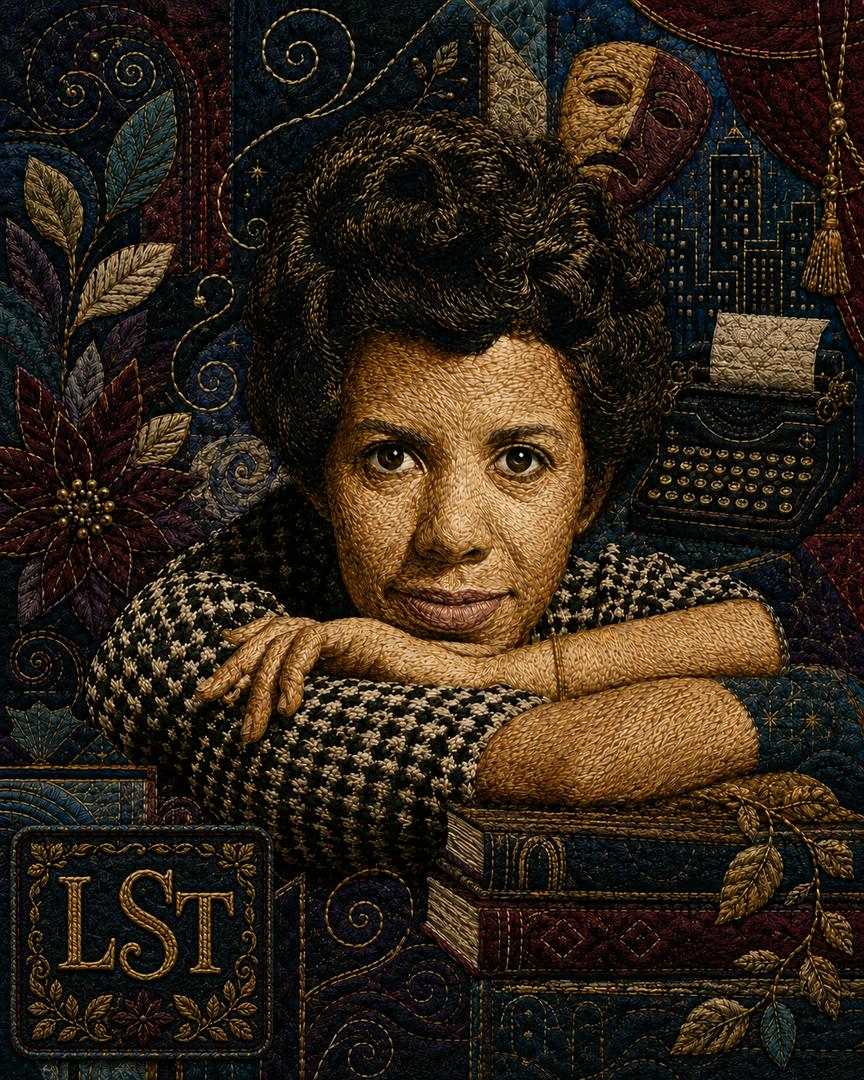
May 19, 1930, Lorraine Hansberry was born in Chicago, Illinois, and the world received a writer who would not just enter American theater…she would change it. Hansberry became best known for A Raisin in the Sun, a play centered on the Younger family, a Black working-class family in Chicago trying to hold on to dignity, dreams, and each other while facing money struggles, racism, housing discrimination, and the weight of being Black in a country that kept putting walls in front of them. When A Raisin in the Sun opened on Broadway in 1959, Lorraine Hansberry made history as the first Black woman playwright to have a play produced on Broadway. That was not a small “first.” That was a door being kicked open in a space that had not been built with Black women in mind. And she did it at only 29 years old. The title came from Langston Hughes’ poem Harlem, where he asked what happens to a dream deferred. Hansberry answered that question through a family that wanted more than survival. They wanted a home. They wanted respect. They wanted a future. That is why the play still matters. It was not just about one family in one apartment. It was about the dreams Black families were told to shrink, delay, or bury. It showed the beauty, frustration, pride, fear, humor, and pain inside Black life without flattening it for anybody’s comfort. Hansberry was also more than a playwright. She was a thinker, activist, and truth-teller who used her voice to speak on race, gender, class, and justice. Her life was short, but her impact was not. She died in 1965 at only 34 years old, but the work she left behind still walks into classrooms, theaters, conversations, and movements like it never left. Lorraine Hansberry did not just write a play. She wrote a reminder that Black dreams were never meant to dry up in silence. #LorraineHansberry #ARaisinInTheSun #BlackHistory #BlackWomenInHistory

You've reached the end!
Tag: BlackWomenInHistory | LocalAll