Tag Page BlackHistory

#BlackHistory
LataraSpeaksTruth

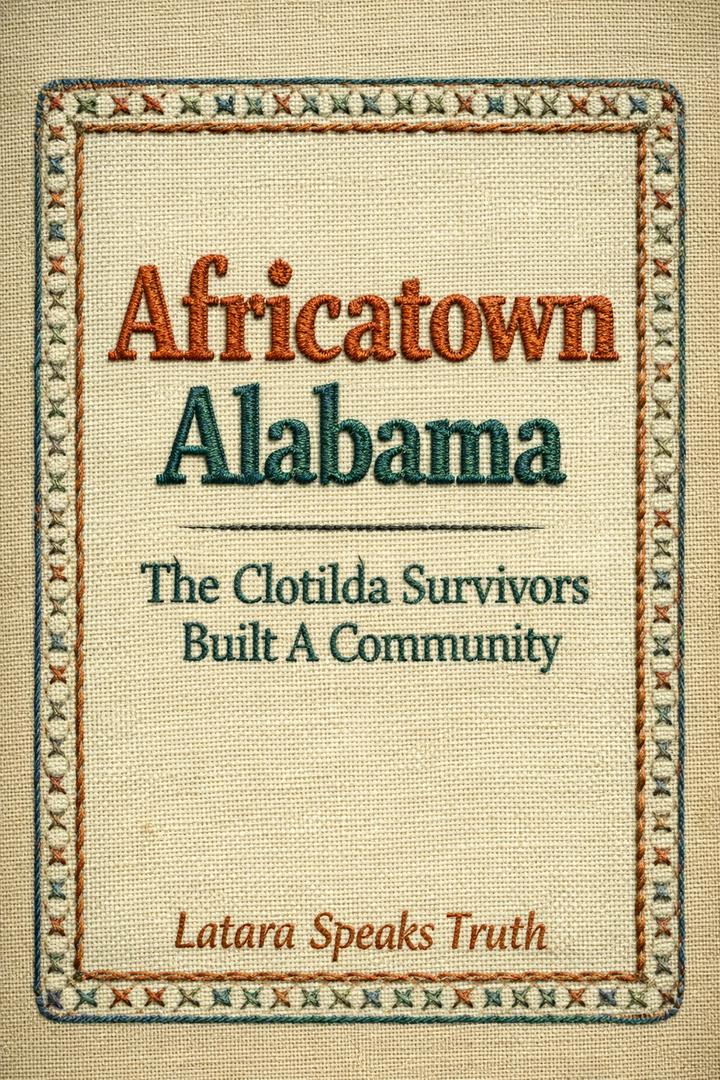
In 1860, long after the United States banned the international slave trade in 1808, a ship called the Clotilda was used to smuggle about 110 captive Africans into the Mobile area in Alabama. The people behind it knew it was illegal. After the captives were brought ashore, the crew burned the ship and sank it in the Mobile River delta to hide the evidence. After emancipation, many survivors wanted to return to West Africa, but they could not afford passage. So they did something powerful and practical. They pooled money, bought land north of Mobile, and built an independent community that became known as Africatown, often linked to its founding around 1866. It was not just a place to live. It was a decision to rebuild on their own terms with churches, a school, family networks, mutual aid, and cultural memory held tight. One of the most well known survivors was Oluale Kossola, often called Cudjo Lewis. He lived until 1935 and shared his story in detail, helping keep names, places, and experiences from being lost. For generations, outsiders doubted Africatown’s origin story. Then in May 2019, archaeologists and the Alabama Historical Commission confirmed a wreck as the Clotilda, backing up what descendants had been saying all along. They tried to erase the crime. Africatown refused to disappear. #Africatown #Clotilda #MobileAlabama #AlabamaHistory #BlackHistory #HiddenHistory #UntoldHistory #AmericanHistory #HistoryMatters #CudjoLewis

LataraSpeaksTruth

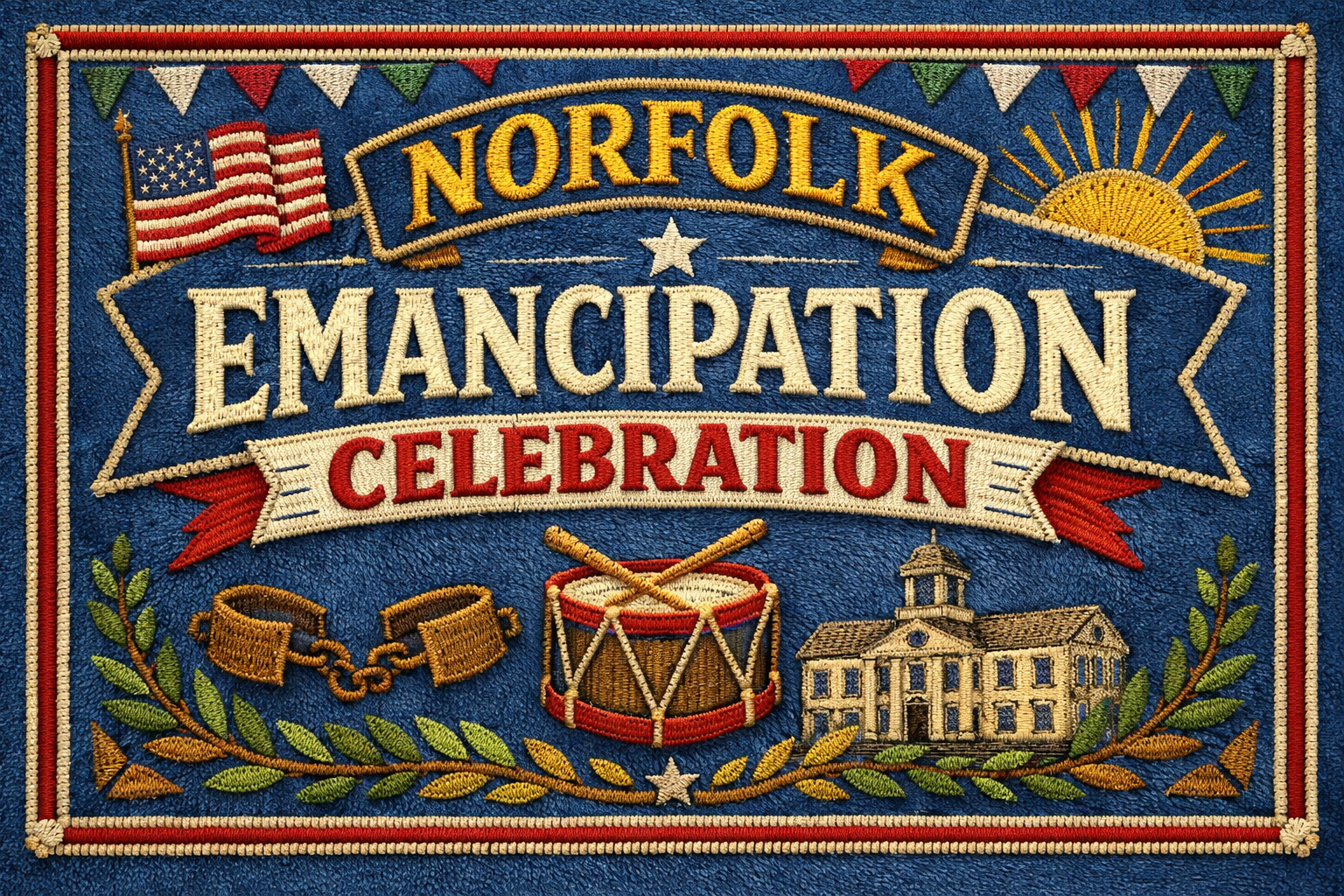
On January 4, 1863, just days after the Emancipation Proclamation took effect, Black residents of Norfolk, Virginia held one of the earliest documented public celebrations of emancipation in the United States. Norfolk had been under Union control since 1862, making it one of the few Southern cities where such a gathering was possible at the time. A contemporary newspaper dispatch dated January 4, 1863, later reproduced by Encyclopedia Virginia, described a procession of at least 4,000 Black men, women, and children moving through the city. The report noted organized marching, music, banners, and speeches, reflecting both celebration and political awareness. This was not a spontaneous gathering. It was a coordinated public declaration of freedom by people who understood the historical weight of the moment. The Emancipation Proclamation did not immediately free all enslaved people, nor did it end slavery everywhere. Its reach depended heavily on Union military presence. Norfolk’s status as an occupied city created conditions where freedom could be openly acknowledged and collectively celebrated, even while much of the Confederacy remained untouched by the proclamation’s enforcement. This January 4 procession stands as an early example of what emancipation looked like in practice rather than on paper. It shows Black communities asserting visibility, dignity, and collective memory at the very start of freedom’s uncertain road. Long before emancipation celebrations became annual traditions, Norfolk’s Black residents marked the moment themselves, in public, and on record. #January4 #BlackHistory #Emancipation #NorfolkVirginia #ReconstructionEra #CivilWarHistory #AfricanAmericanHistory #USHistory #FreedomStories

LataraSpeaksTruth

A man could escape slavery, build a life, find work, and still not be safe. That was the reality Charles Nalle faced in 1860. He had escaped slavery in Virginia and made his way to Troy, New York, but the Fugitive Slave Act meant that even in the North, freedom could still be challenged by law. When Nalle was arrested in Troy on April 27, 1860, his capture did not go unanswered. Word spread quickly, and a crowd gathered. Harriet Tubman, who was in Troy at the time, joined local abolitionists and community members who fought to stop Nalle from being forced back into slavery. The rescue became one of the boldest public freedom actions before the Civil War. It was not quiet. It was not symbolic. It was people putting their bodies between one man and a system determined to claim him. Charles Nalle’s story matters because it reminds us that freedom was not always one clean moment. For many, it had to be defended again and again. He was not just “the man Harriet Tubman helped rescue.” He was Charles Nalle, a husband, a father, a worker, a freedom seeker, and a man whose name deserves to be remembered. On this day, we say his name too. #CharlesNalle #HarrietTubman #BlackHistory #FreedomStory #LataraSpeaksTruth

LataraSpeaksTruth

Fort Mose was founded in 1738 just north of St. Augustine, Florida, and it does not get talked about enough. It punches a clean hole through the myth that freedom for Africans in “early America” only started later. Under Spanish Florida, it was called Gracia Real de Santa Teresa de Mosé. Governor Manuel de Montiano ordered it built as a fortified settlement where freedom seekers escaping British colonies could live as free people by law. Not a rumor…not a loophole…a recognized community with a name and a mission. Spain offered freedom with conditions. Convert to Catholicism, pledge loyalty to the Spanish Crown, and be willing to help defend the colony. Yes, it was politics aimed at weakening the British. But politics still opened a door…and people ran through it anyway. Fort Mose was not just a fort. It was a neighborhood. Families building lives with legal standing in a world designed to deny them personhood. The community organized a militia, led by Captain Francisco Menéndez, proof that Africans were not only surviving…they were holding rank, defending land, and negotiating power. Life there was never soft. In 1740, during General James Oglethorpe’s siege of St. Augustine, British forces took Mosé. Days later, Spanish troops, Indigenous allies, and the Black militia counterattacked in what’s remembered as the Battle of Bloody Mose. The fort was destroyed in the fighting, but the resistance was real, and the message was louder than the smoke. Still, the receipt stands. In 1738 there was a free Black community living under law on land that would become the United States. They ran, organized, fought, and built…long before the timeline most of us were handed even “starts.” #FortMose #BlackHistory #SpanishFlorida #StAugustine #FloridaHistory #ColonialHistory #FreedomSeekers #MaroonHistory #AfricanDiaspora #HiddenHistory

sandwich shop

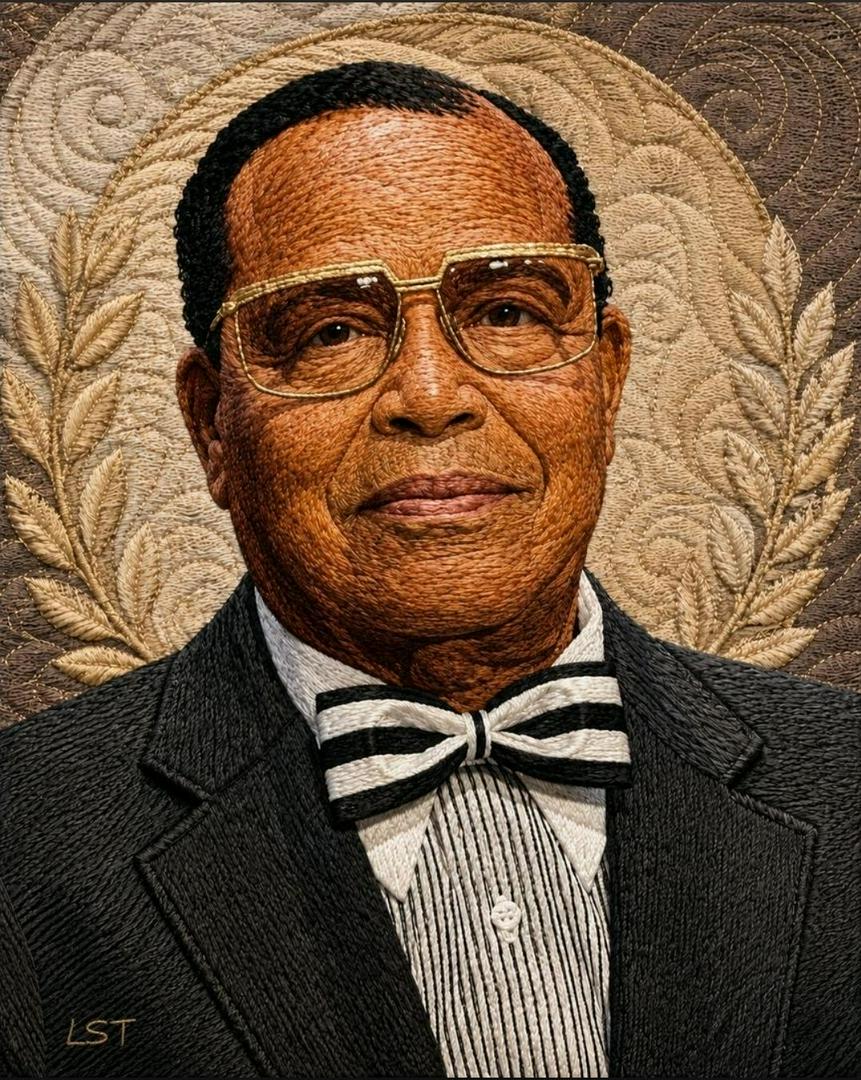
Louis Farrakhan was born Louis Eugene Walcott on May 11, 1933, in the Bronx, New York. He would become one of the most recognized and debated religious and political figures in modern American history Raised in Boston, Farrakhan was known early for his musical talent before becoming connected to the Nation of Islam in the 1950s. Over time, he rose through the organization's ranks and became one of its most visible voices. By the late 1970s and earlv 1980s, he helped rebuild the Nation of slam after a maior internal shift following the death of Eliiah Muhammad Farrakhan's public influence has been significant, especially among people drawn to messages about self-discipline, economic independence, religious identity, and community responsibility. One of the most visible moments of his leadership came in 1995, when he helped organize the Million Man March in Washinaton, D.C., an event that brought hundreds of thousands of men together around themes of accountability, unity, and renewal. At the same time, Farrakhan's legacy remains deeply controversial. Critics have condemned many of his public statements especially comments viewed as antisemitic anti-LGBTO, or hostile toward other groups. Supporters, however, arque that his work should also be understood through his ong-standing emphasis on Black self-reliance, faith, family structure, and social reform. That tension is why Farrakhan remains a complicated figure in American public life. His name is tied to religion, politics nationalism, activism, controversy, and influence all at once flattened into praise or dismissal. Louis Farrakhan's life reflects how one public figure can inspire loyalty, criticism, debate and division across generations. His impact is real. The debate around that mpact is real too. #LouisFarrakhan #Mav11 #BlackHistory #AmericanHistory #NationOflslam #ReligiousHistory #PoliticalHistory #HistoryMatters #OnThisDay
AčT/Cæř

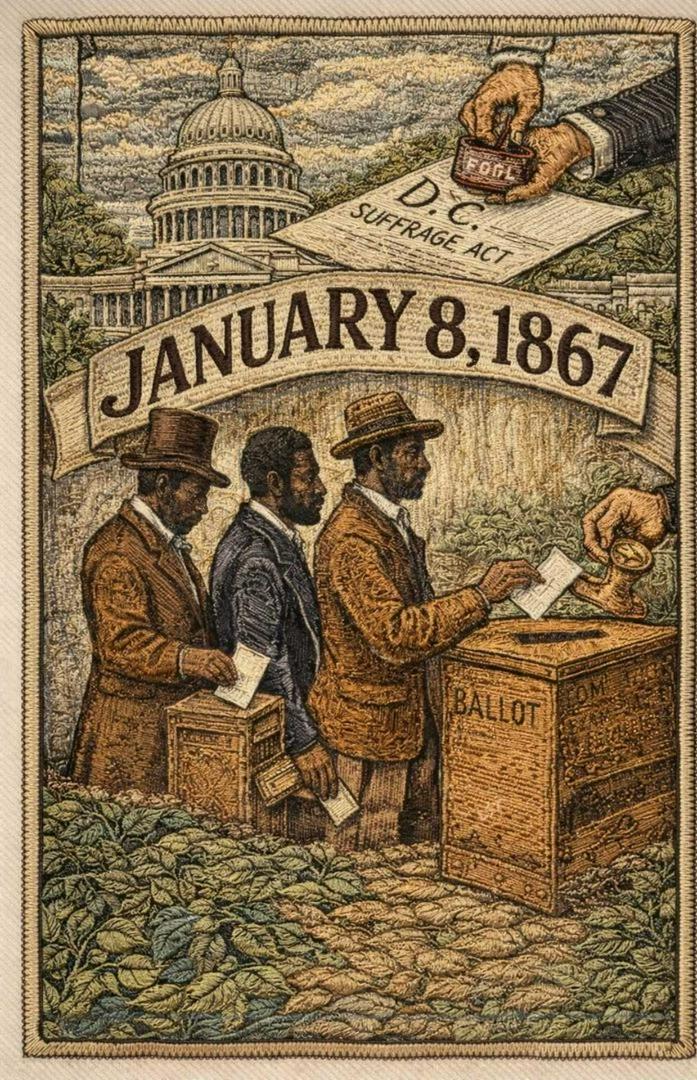
January 8, 1867 marks a turning point in American history that is rarely given the attention it deserves. On this day, Congress passed the District of Columbia Suffrage Act, granting Black men in Washington, D.C the legal right to vote in municipal elections and public referenda. This happened three years before the 1 5th Amendment, at a time wher most of the nation still viewed Black political participation as a danger rather than a riaht. This was not a promise for the future or a symbolic gesture. It was an immediate, enforceable change written directly into law. The decision did not come quietly or without resistance. President Andrew Johnson vetoed the act, arguing that extending votina riahts to Black men was premature and would destabilize the country. Congress reiected that argument and overrode his veto the same day. That override mattered It made clear that Reconstruction was not only about ending slavery on paper but about redistributing political power in real time. Washington, D.C. became a proving ground, showing that Black civic participation could exist and function despite fierce opposition The importance of Januarv 8, 1867 is often overlooked because it does not fit neatly into the simplified version of history many are taught. Voting rights did not suddenly appear with the 15th Amendment. They were demanded, tested, expanded restricted, and attacked repeatedly. This moment captures Black men exercisinc political agency while the nation was still debating whether they deserved it. It reminds us that progress has never required national comfort or unanimous approval. Rights have always moved forward through pressure, confrontation, and refusal to wait. January 8 stands as proof that access was forced open long before the country was ready to admit it #January8 #OnThisDay #BlackHistory #ReconstructionEra #VotinaRichts #DistrictOfColumbia #AmericanHistory #HiddenHistory #CivilRights

LataraSpeaksTruth

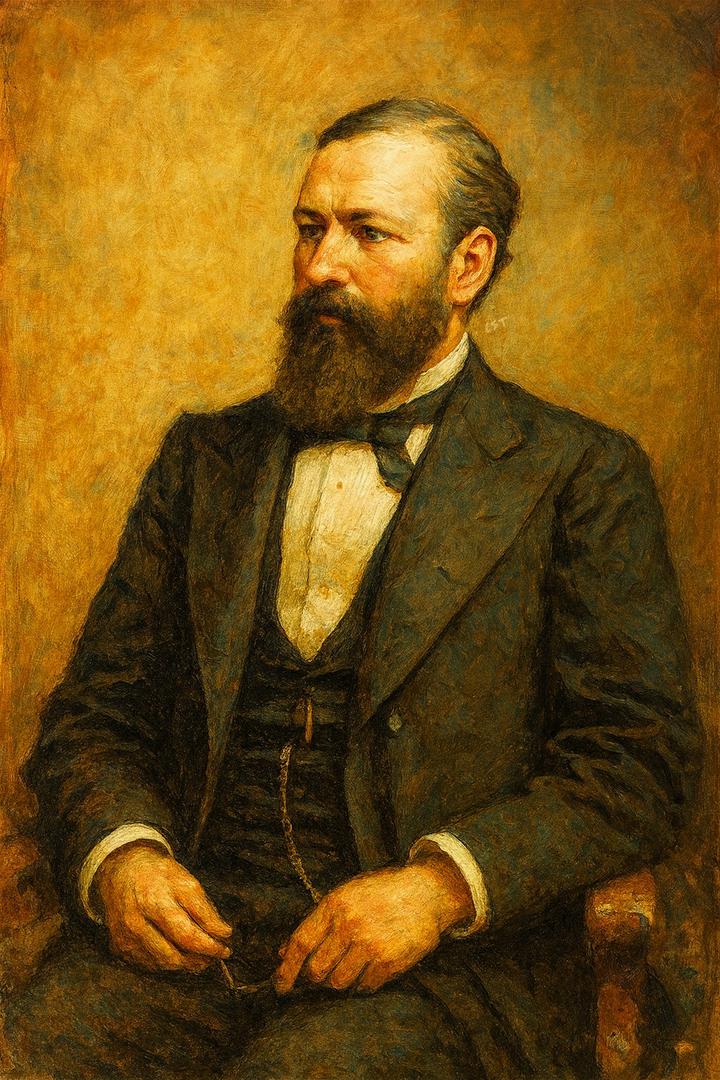
On December 9, 1872, P.B.S. Pinchback stepped into history as acting governor of Louisiana… the first Black governor in the United States. It’s one of those moments the textbooks whisper about, but it deserves a full-volume replay. Pinchback didn’t slide into power on easy mode; he fought through the chaos of Reconstruction, served as lieutenant governor, and rose to the top when the governor was impeached. His time in office was short, but sometimes it only takes a few bold weeks to shake up a century. And before someone pops into the comments with the usual, “Are you sure he was Black? He looks white…” let’s clear the air. A lot of people from that era had lighter complexions because of the grim reality of slavery: white enslavers fathered children with enslaved women, then left those kids to grow up with zero privilege, zero protection, and zero of the benefits their fathers enjoyed. Looking white didn’t grant them a shortcut. Pinchback lived, fought, and served as a Black man…?fully, openly, and without apology. His life is a reminder that history is complicated, messy, and shaped by truths many would rather ignore. Yet through it all, he carved out space where none existed and rewrote what leadership could look like in America. #TodayInHistory #BlackHistory #PBS_Pinchback #Reconstruction #LouisianaHistory #AmericanHistory #HiddenHistory #TruthMatters

LataraSpeaksTruth

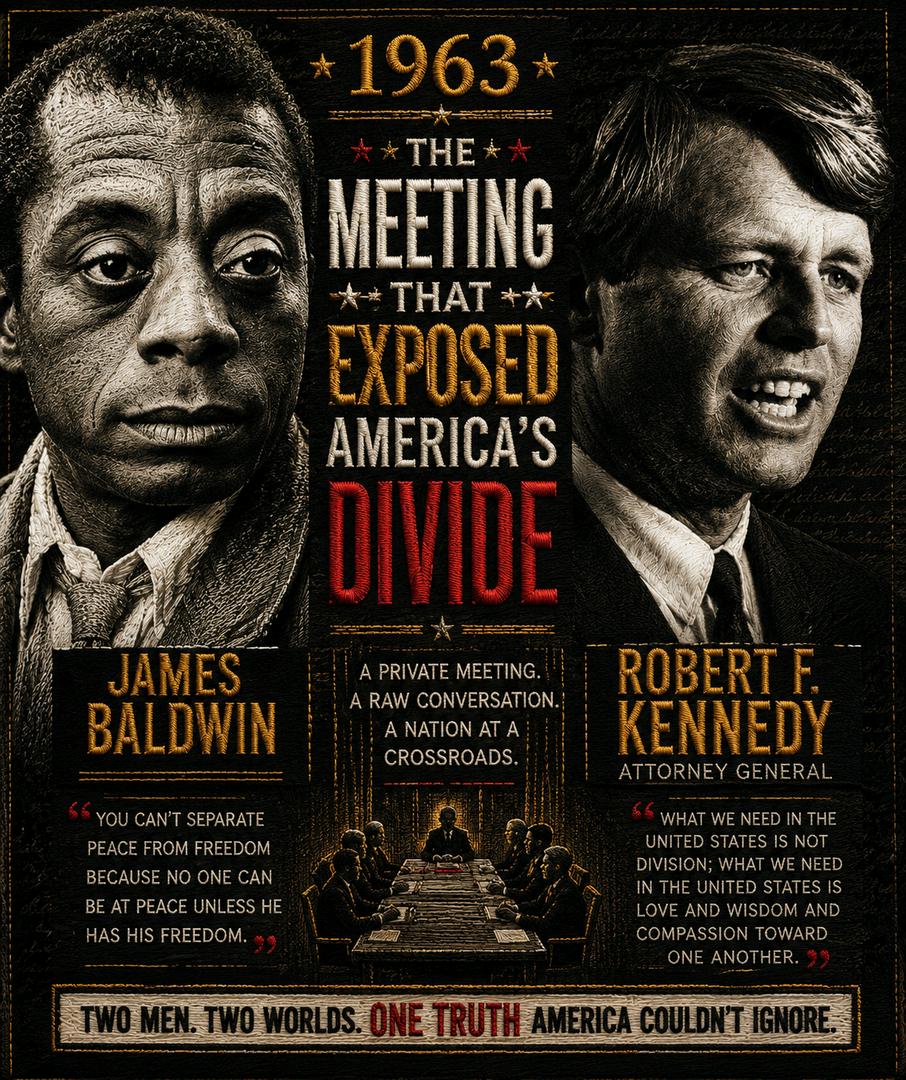
1963 — James Baldwin Meets Robert F. Kennedy On May 24, 1963, James Baldwin walked into a private meeting with Attorney General Robert F. Kennedy, but this was not just a polite conversation between a writer and a politician. Baldwin came carrying the weight of Black America. The meeting happened during a tense moment in the Civil Rights era. Birmingham had shown the nation police dogs, fire hoses, jail cells, and children being punished for demanding basic dignity. Kennedy wanted to understand the rising anger, especially in northern cities. Baldwin helped gather voices who could tell him the truth directly. Among those present were Lorraine Hansberry, Harry Belafonte, Lena Horne, Kenneth Clark, Clarence Jones, and Jerome Smith, a young Freedom Rider who had been beaten and jailed in Mississippi. Smith’s words changed the room. He made it clear that Black activists were tired of watching the federal government take notes while people were brutalized. To him, justice delayed was not patience. It was abandonment. Kennedy reportedly struggled to understand the depth of their anger. He saw progress in legal steps and government action. Baldwin and the others saw people bleeding while the government moved carefully. That disconnect is what made the meeting historic. It exposed the gap between federal power and lived Black reality. The government wanted order. Black activists wanted freedom. Those are not always the same thing. The meeting did not end smoothly, but it mattered. It forced Kennedy to hear what speeches and reports could not fully explain. Less than a month later, President John F. Kennedy gave his major civil rights address, calling civil rights a moral issue. James Baldwin understood something America still struggles with today. You cannot ask people to stay calm while refusing to confront what made them angry. #JamesBaldwin #BlackHistory #CivilRightsHistory #RobertFKennedy #LataraSpeaksTruth

LataraSpeaksTruth

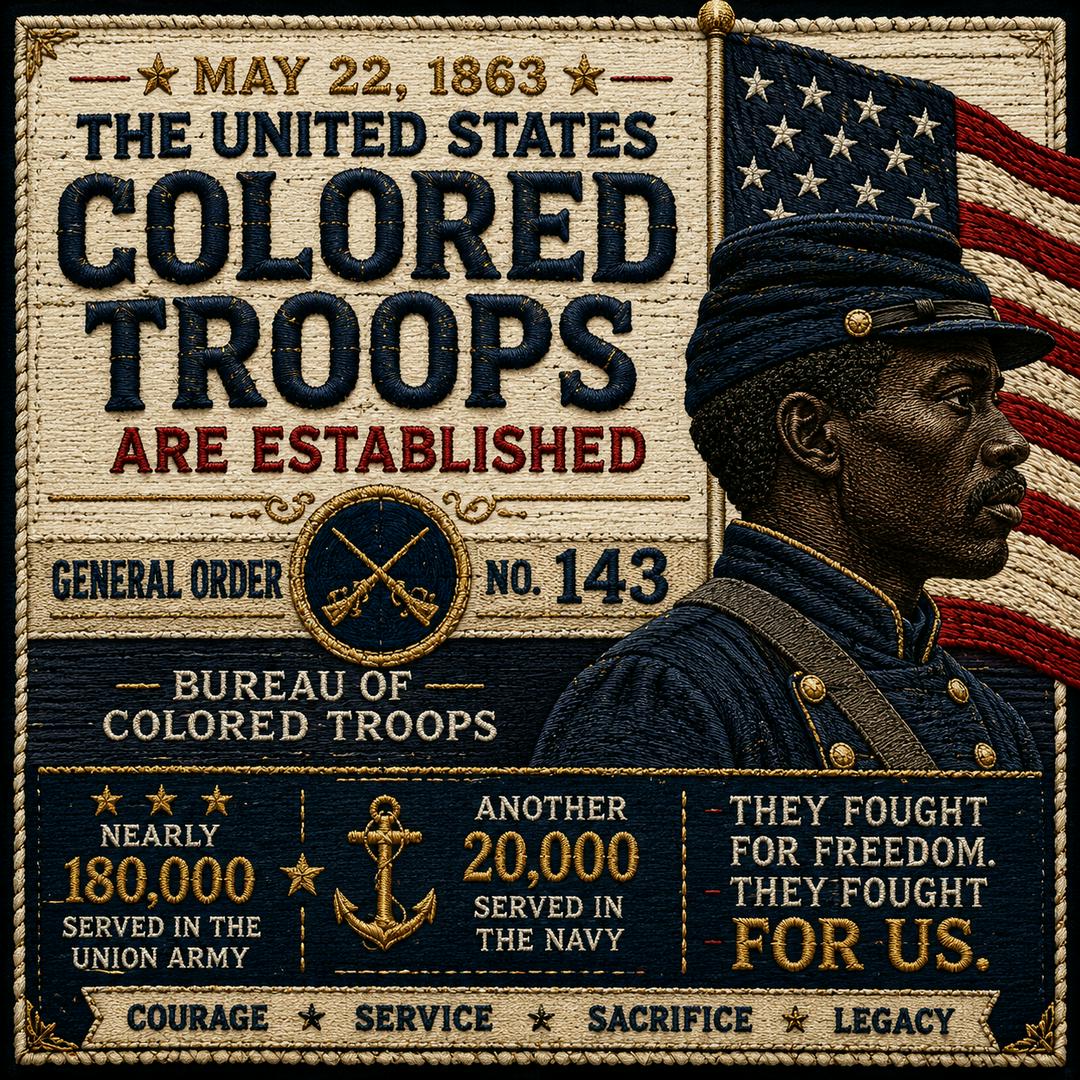
1863: The United States Colored Troops Are Established On May 22, 1863, the War Department issued General Order No. 143, creating the Bureau of Colored Troops. That order officially opened the door for Black men to serve in organized units during the Civil War. By the end of the war, roughly 179,000 Black soldiers had served in the Union Army, with about 19,000 more serving in the Navy. But they were not just fighting battles. They were fighting for freedom, citizenship, dignity, and the right to be seen as men in a nation that had denied their humanity. Many had escaped slavery. Others were free Black men who understood that the outcome of the war would shape the future of their people. Black Union troops and USCT soldiers faced racism, unequal pay, harsher treatment if captured, and doubts from those who questioned their ability to fight. Still, they showed up. They fought in major campaigns and battles including Milliken’s Bend, Petersburg, and New Market Heights. Their courage became part of the record. Their service made one thing impossible to deny… Black men had not waited for freedom to be handed to them. They fought for it. The creation of the United States Colored Troops was more than a military decision. It was a turning point in American history. They wore the uniform of a country that had not fully accepted them, and still helped save it. #BlackHistory #AmericanHistory #CivilWarHistory #USCT #OnThisDay #HistoryMatters #FreedomFighters #LataraSpeaksTruth