Tag Page BlackHistory

#BlackHistory
LataraSpeaksTruth

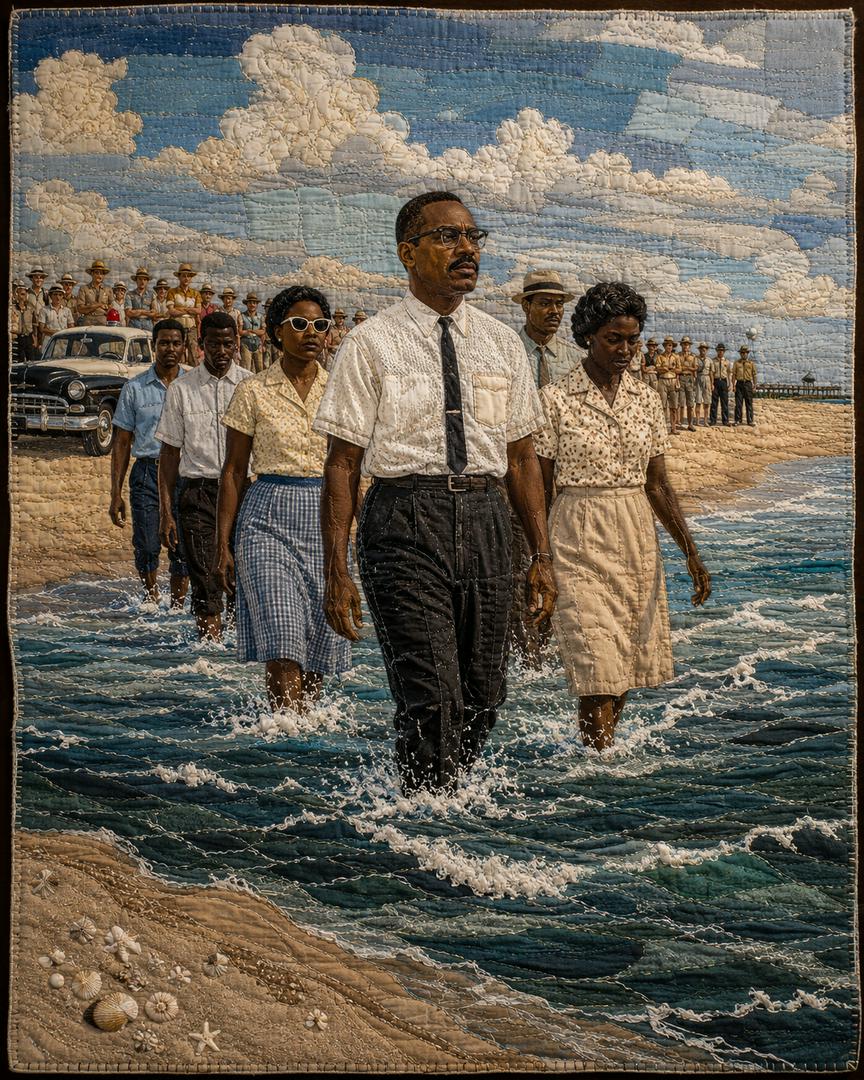
On March 21, 1965, Dr. Martin Luther King Jr. and thousands of voting rights demonstrators began the third Selma to Montgomery march in Alabama. Unlike the first two attempts, this march moved forward under federal protection after national attention had turned to Selma and the growing demand for change. The march followed two earlier efforts that drew widespread attention to the barriers many Black citizens faced when trying to vote in the South. On March 7, in the event remembered as Bloody Sunday, peaceful demonstrators were stopped by law enforcement as they crossed the Edmund Pettus Bridge. A second attempt on March 9 was also cut short. Beginning on March 21, marchers traveled roughly 50 miles over five days, arriving in Montgomery on March 25. As they moved forward, support grew and the march became one of the most important public demonstrations of the civil rights era. The Selma to Montgomery march helped build momentum for the Voting Rights Act of 1965, which targeted unfair voting barriers such as literacy tests. What began in Selma became a turning point in the national fight for equal access to the ballot. Sources…National Archives…National Park Service…Stanford King Institute…Britannica #OnThisDay #SelmaToMontgomery #VotingRights #CivilRightsMovement #MLK #BlackHistory #AmericanHistory #HistoryMatters

LataraSpeaksTruth

Remembering James A. Hood

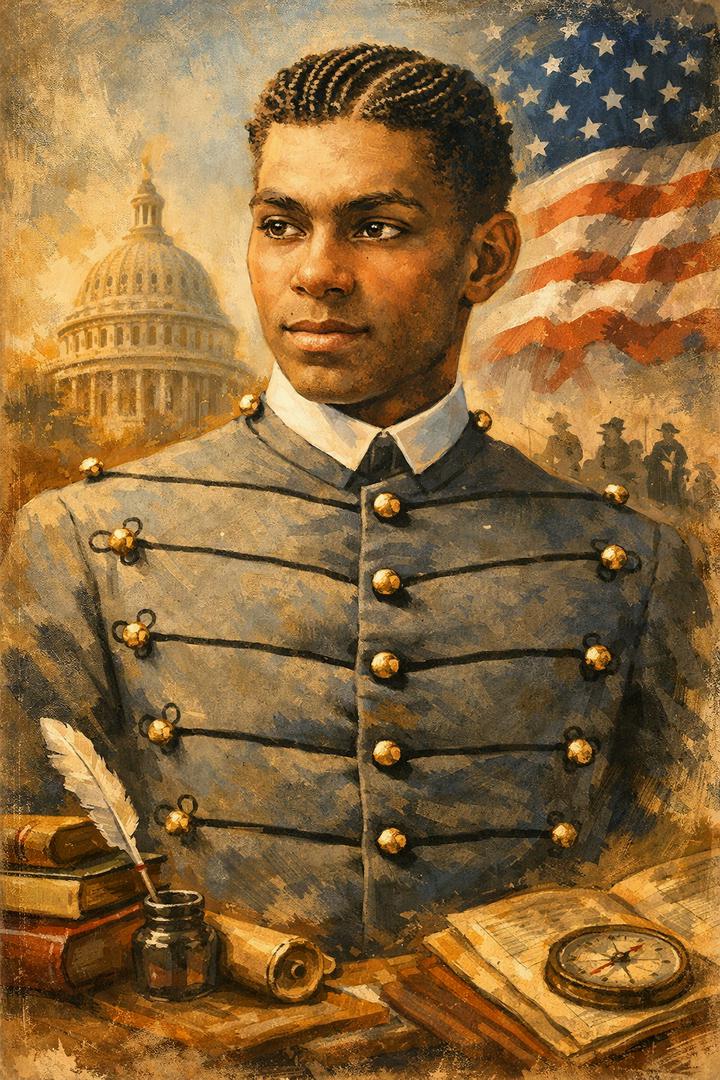
James A. Hood born November 10, 1942, was one of the first two Black students to enroll at the University of Alabama, forcing the nation to confront its deep racial divide. When Governor George Wallace tried to physically block his entry, Hood didn’t back down. He walked forward, calm but determined, making history with each step. After leaving the university for his safety, Hood continued his education and later earned his master’s degree from the same school he once fought to enter. He spent his life working in education and public service, proving that courage doesn’t end with one act of defiance… it becomes a lifelong mission. On his birthday, we remember James A. Hood not just for walking through those doors, but for refusing to let fear or hate stop his journey. His quiet strength still speaks volumes about what true bravery looks like. #JamesHood #OnThisDay #CivilRights #BlackHistory #Legacy #Inspiration

Remembering James A. Hood
LataraSpeaksTruth

In 1860, long after the United States banned the international slave trade in 1808, a ship called the Clotilda was used to smuggle about 110 captive Africans into the Mobile area in Alabama. The people behind it knew it was illegal. After the captives were brought ashore, the crew burned the ship and sank it in the Mobile River delta to hide the evidence. After emancipation, many survivors wanted to return to West Africa, but they could not afford passage. So they did something powerful and practical. They pooled money, bought land north of Mobile, and built an independent community that became known as Africatown, often linked to its founding around 1866. It was not just a place to live. It was a decision to rebuild on their own terms with churches, a school, family networks, mutual aid, and cultural memory held tight. One of the most well known survivors was Oluale Kossola, often called Cudjo Lewis. He lived until 1935 and shared his story in detail, helping keep names, places, and experiences from being lost. For generations, outsiders doubted Africatown’s origin story. Then in May 2019, archaeologists and the Alabama Historical Commission confirmed a wreck as the Clotilda, backing up what descendants had been saying all along. They tried to erase the crime. Africatown refused to disappear. #Africatown #Clotilda #MobileAlabama #AlabamaHistory #BlackHistory #HiddenHistory #UntoldHistory #AmericanHistory #HistoryMatters #CudjoLewis

LataraSpeaksTruth

Richard Pryor did not just tell jokes. He cracked open the world and forced people to look at the parts they liked to pretend were not there. On December 10, 2005, the stage lost a voice that reshaped modern comedy. Pryor died in Los Angeles at sixty five after years of health struggles, but the mark he left behind did not fade. It grew. He rose during a time when honest conversations about race, pain, addiction, and survival were pushed into silence. Pryor rejected that silence. He turned his life into storytelling that felt like sitting with an elder who refuses to sugarcoat anything. He was sharp and vulnerable at the same time. He made people laugh while making them think harder than they expected. He spoke on racism, poverty, violence, and joy with a rhythm that felt almost musical. It was raw, real, and unforgettable. His career shifted the culture. His stand up specials became blueprints for everyone who came after him. His film and television work showed he could move between comedy and drama without losing the spark that made him Richard Pryor. Even with fame, he never hid his flaws. He owned his mistakes and spoke them aloud before anyone else could twist them. That honesty inspired generations of comedians who learned that authenticity is stronger than perfection. On this day we remember a man who refused to hide. A man whose voice opened doors for countless performers. A man who showed that humor can be healing and truth telling at the same time. His chapter ended, but his legacy is still loud, still powerful, and still shaping the stage today. #RichardPryor #OnThisDay #ComedyHistory #BlackHistory #LegendsLiveOn

LataraSpeaksTruth

Happy Heavenly Birthday to Muhammad Ali. Born January 17, 1942, in Louisville, Kentucky, Muhammad Ali entered the world as Cassius Marcellus Clay Jr., but he would leave it as something much larger than a champion. He was a man who understood that greatness meant more than titles, belts, or applause. It meant conviction. Inside the ring, Ali redefined what a heavyweight could be. He moved with speed that defied expectation, spoke with confidence that rattled opponents, and fought with a style that changed boxing forever. Three time heavyweight champion. Olympic gold medalist. The numbers alone secure his legacy, but they were never the point. Outside the ring, Ali carried a heavier fight. He spoke openly against racism. He refused to be silent when silence was safer. When he declined military induction during the Vietnam War, he lost his title, his income, and years of his prime. He did not lose his principles. History eventually caught up and understood what he was really saying. Ali showed the world that faith, identity, and self respect were not weaknesses. He showed Black America that confidence was not arrogance when it was rooted in truth. He showed young people that your voice matters even when it costs you something. In later years, Parkinson’s disease slowed his body but never touched his spirit. His quiet strength, humility, and grace became just as powerful as his punches once were. He stood as a symbol of resilience, dignity, and courage until the end. Today, on his birthday, we honor not just the fighter, but the man. The thinker. The believer. The disruptor. The legend. #MuhammadAli #HappyHeavenlyBirthday #TheGreatest #BlackHistory #SportsHistory #CulturalIcon #FaithAndConviction #LouisvilleLegend

LataraSpeaksTruth

Recy Taylor’s story is not only about what was done to her. It is also about what the legal system refused to do afterward. In 1944, Recy Taylor was a 24 year old Black wife and mother living in Abbeville, Alabama. On her way home from church, she was abducted at gunpoint by a group of white men and assaulted. She reported the crime immediately. One of the men later admitted his role and identified the others involved. That should have been enough. It was not. Instead of justice, Taylor faced the full weight of a system that did not treat her pain, her dignity, or her safety as worth protecting. Two all white grand juries refused to indict her attackers. No one was held accountable. But this story does not end in silence. Her case drew national attention. Rosa Parks investigated it for the NAACP. Supporters organized through the Committee for Equal Justice for Mrs. Recy Taylor. Black newspapers covered the case. People spoke her name, demanded action, and forced the country to confront a truth it often tried to hide. Long before the civil rights movement became a chapter in textbooks, Black women like Recy Taylor were already standing at the center of that fight. Her story exposed more than one crime. It exposed a system that could hear a confession, see a victim come forward, and still choose not to act. That is why Recy Taylor matters. Not just because she survived something horrific, but because her case revealed how deeply the law could fail Black women while claiming to stand for justice. History often celebrates the marches, the speeches, and the victories. But before many of those moments came the women whose suffering was ignored, whose courage was tested, and whose truth refused to disappear. Recy Taylor was one of them. #OurHistory #RecyTaylor #CivilRightsHistory #WomensHistory #BlackHistory #LataraSpeaksTruth

LataraSpeaksTruth

In 1911, ten Black college students at Indiana University Bloomington came together to form what would become one of the most enduring institutions in American higher education. Kappa Alpha Psi Fraternity, Inc. was founded at a time when Black students on predominantly white campuses faced isolation, discrimination, and limited access to institutional support. The organization was created not as a social club, but as a structured response to exclusion. Indiana University was not welcoming to Black students in the early twentieth century. They were barred from campus housing, excluded from many student organizations, and often treated as outsiders within academic spaces. The ten founders recognized that survival and success required unity, discipline, and collective purpose. Kappa Alpha Psi was established to provide academic support, leadership development, and a sense of belonging for students navigating a hostile environment. From its beginning, the fraternity emphasized achievement, service, and personal responsibility. Its mission focused on preparing members to lead within their professions and communities, reinforcing the idea that education was both a personal pathway and a collective responsibility. This framework allowed the organization to expand beyond campus life and into broader civic influence. Over time, Kappa Alpha Psi became one of the nine historically Black Greek letter organizations commonly known as the Divine Nine. Its impact has extended into law, politics, education, business, and social advocacy. What began as a protective network for marginalized students evolved into a national institution shaping leadership across generations. The founding of Kappa Alpha Psi reflects a broader pattern in American history where exclusion produced innovation. When access was denied, structure was built. When support was withheld, community was created. #KappaAlphaPsi #DivineNine #BlackHistory #HigherEducation #HistoricallyBlackOrganizations

LataraSpeaksTruth

WILLIAM DORSEY SWANN: A HIDDEN FIGURE IN AMERICAN HISTORY

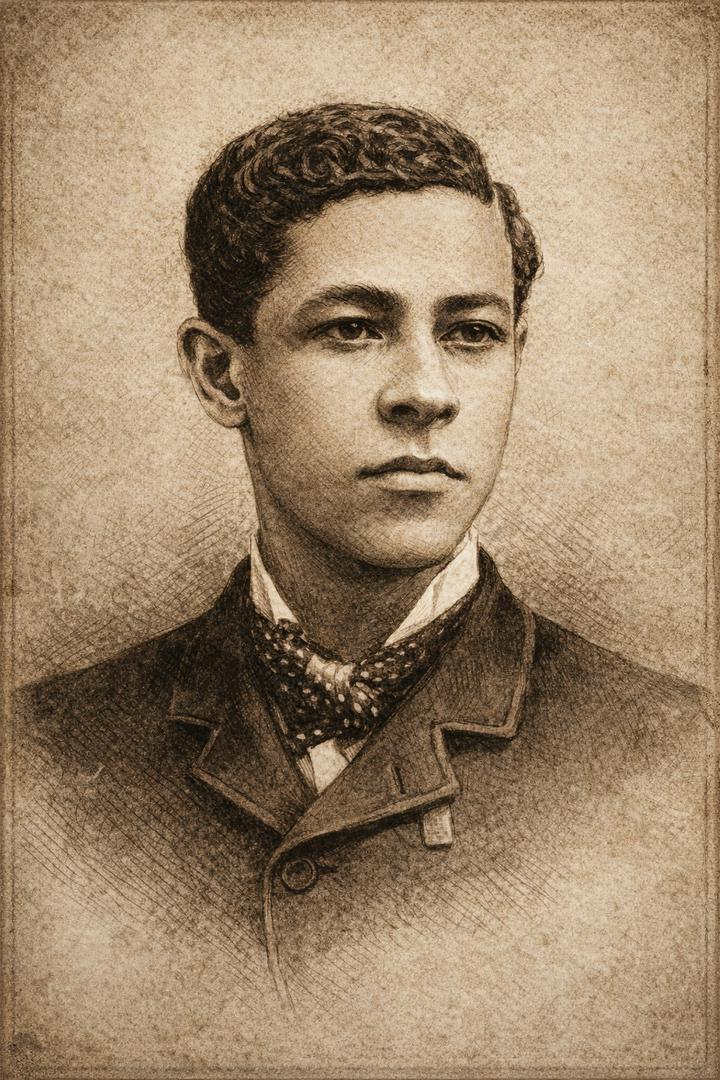
William Dorsey Swann’s name rarely appears in history books, but his story reaches back to the late 1800s. Born into slavery in 1860, Swann stepped into freedom determined to create space for people who lived on the margins. In Washington D.C. he organized private gatherings now recognized as some of the earliest drag balls in the United States. These events were often targeted by police, leading to raids and arrests. Even in the face of that pressure, Swann defended his right to assemble and live openly, becoming the first known person in America to call himself a Queen of Drag. Whether someone agrees with the lifestyle or not, his courage and willingness to stand up to a hostile society make him a significant figure in Black history and in the early struggle for LGBTQ rights. His life shows how many different paths contributed to the broader fight for freedom in this country. A story from the past that reminds us how many different battles shaped American history. #WilliamDorseySwann #BlackHistory #AmericanHistory #LGBTQHistory #HistoricalFigures #CommunityVoices #UntoldStories #LataraSpeaksTruth

WILLIAM DORSEY SWANN: A HIDDEN FIGURE IN AMERICAN HISTORY
LataraSpeaksTruth

January 8, 1815. The Battle of New Orleans. The War of 1812 was technically over. The Treaty of Ghent had been signed, but word had not crossed the Atlantic yet. Slow communication changed everything. British forces attacked New Orleans anyway and were met by an American force led by Andrew Jackson. His army was not a traditional one. It included U.S. regulars, state militias, Native allies, free Black soldiers, local Creoles, and even pirates under Jean Lafitte. The result was one of the most lopsided victories in U.S. military history. Over 2,000 British casualties compared to roughly 70 American losses. The battle did not change the treaty, but it reshaped American identity. It boosted national confidence, made Jackson a national hero, and proved that the United States could stand up to the world’s most powerful empire. Free Black soldiers played a critical role in defending the city. Their bravery was undeniable. Their recognition afterward was not. This victory was not simple, clean, or fair. It was complex, coalition-driven, and built by people history often sidelines. #January8 #BattleOfNewOrleans #WarOf1812 #AmericanHistory #USHistory #MilitaryHistory #BlackHistory #HiddenHistory

LataraSpeaksTruth

Some names get remembered because they were loud. Coach Carlyle Whitelow should be remembered because he stayed steady. Born Sept. 6, 1932, Whitelow grew up around Bridgewater College. His parents worked in campus dining, and as a kid he spent time on those grounds while they worked. In 1955, he enrolled at Bridgewater and became the first Black student to complete four years of study there. He was also the first Black student-athlete to compete in intercollegiate athletics at the college, and is recognized as the first Black athlete in Virginia to compete at a predominantly white college. That took more than talent. That took nerve, dignity, and a backbone that did not bend. After earning his physical education degree in 1959, he taught in public schools, including in Staunton, then returned to Bridgewater in 1969 as the college’s first Black faculty member. For 28 years, he coached and taught, including football, basketball, and tennis. In 1979, he was named ODAC men’s tennis coach of the year. He coached Bridgewater’s first ODAC men’s tennis player of the year and helped guide the program’s first NCAA men’s tennis tournament participant. Bridgewater inducted him into its Athletics Hall of Fame in 2001. People who knew him did not just talk about wins. They talked about character. The kind of coach who showed up, stayed consistent, and made you better without needing credit for it. Whitelow passed away Oct. 15, 2021. In 2025, he was inducted into the inaugural ODAC Hall of Fame, a fitting honor for a man who opened doors others could walk through. Thank you to my follower and friend I.R. Bama for putting his name on my radar. This legacy deserves more light. #BridgewaterCollege #ODAC #CollegeSports #Tennis #Coaching #SportsHistory #VirginiaHistory #BlackHistory #HiddenFigures #Legacy #HallOfFame