Tag Page BlackExcellence

#BlackExcellence
LataraSpeaksTruth

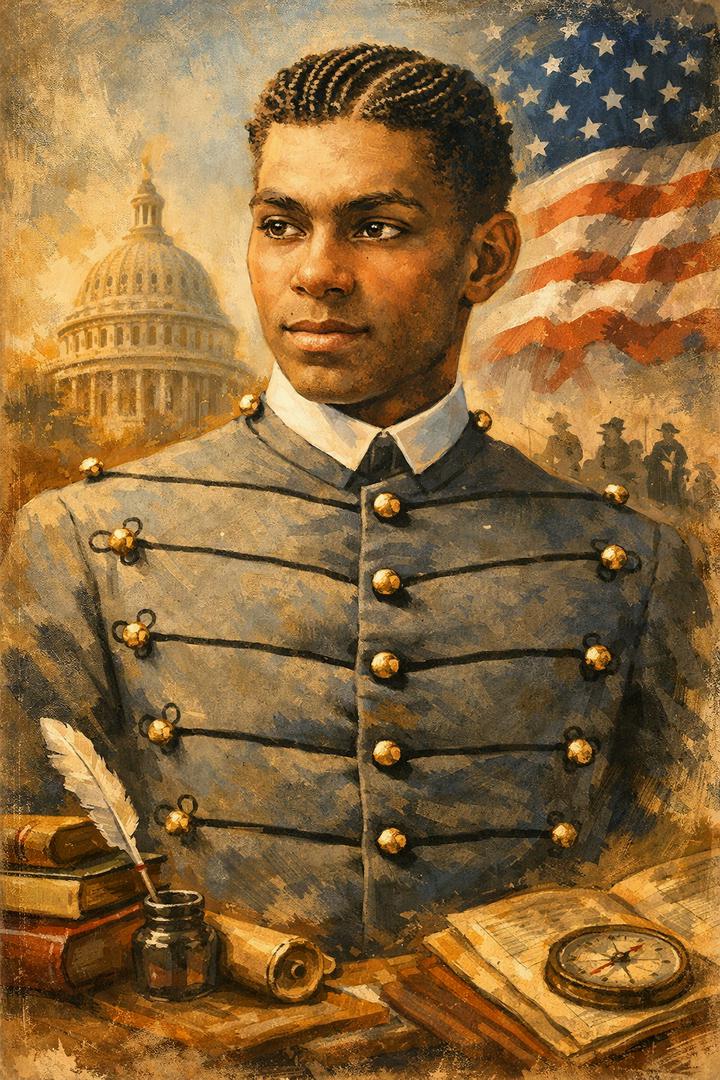
March 21, 1856 - Henry Ossian Flipper was born in Thomasville, Georgia, into slavery. His life began in a nation that had already decided how far Black people were supposed to go, and how firmly they were supposed to stay in their place. Flipper had other plans. He came of age during Reconstruction and, in 1873, was appointed to the U.S. Military Academy at West Point, one of the most elite institutions in the country. Getting in was one battle. Surviving it was another. He faced harassment, isolation, and open hostility, yet refused to be broken by any of it. In 1877, Henry Ossian Flipper became the first Black graduate of West Point and the first Black commissioned officer in the regular U.S. Army. That was no small ceremonial first. It was a direct blow against a system built to exclude Black Americans from military leadership, prestige, and power. His success proved what had always been true: the barrier was never ability, it was racism. After graduation, Flipper served with the 10th Cavalry, one of the famed Buffalo Soldier regiments. His career reflected discipline, endurance, and service, even as injustice continued to follow him. Still, history remembers what matters most: Henry Ossian Flipper crossed a line this country never intended for a Black man to cross… and he did it in uniform. His name deserves to be spoken with respect, not tucked away like a footnote. Sources: National Archives, U.S. Army #OnThisDay #BlackHistory #HenryOssianFlipper #WestPoint #BuffaloSoldiers #MilitaryHistory #BlackExcellence #HiddenHistory #AmericanHistory #BlackPioneers

LataraSpeaksTruth

On January 26, 1892, Bessie Coleman was born into a country that told her exactly what she could not be. She listened long enough to understand the rules…and then broke every one of them. When no flight school in the United States would admit a Black woman, Bessie didn’t argue. She learned French, left the country, and trained in France. In 1921, she earned her pilot’s license, becoming the first Black woman and first Native American woman to do so. Not because the system opened a door…but because she refused to wait for one. Bessie didn’t fly for novelty. She flew with purpose. She believed aviation should belong to everyone, and she dreamed of opening a flight school so others wouldn’t have to leave the country just to learn. She refused to perform at airshows that enforced segregation. If audiences were divided, she walked. Progress without dignity wasn’t progress to her. As a barnstormer, she stunned crowds with daring aerial maneuvers, turning the sky into a stage for possibility. Each flight was a quiet rebellion against limitation, proof that skill and courage don’t ask permission. Her life ended too soon. Bessie Coleman died in a plane crash in 1926 at just 34 years old. But her impact never grounded. Every pilot who followed, every barrier lifted higher, carries a trace of her flight path. Some people change history by staying. Others change it by leaving, learning, and coming back stronger. Bessie Coleman did all three. Born January 26. Legacy everlasting. #BessieColeman #January26 #OnThisDay #WomenInHistory #AviationHistory #Trailblazer #AmericanHistory #HistoryMatters #Legacy #BlackExcellence

LataraSpeaksTruth

Edward Brooke’s journey didn’t begin with a viral moment or a spotlight. It began at Howard University, where he earned his undergraduate degree in 1941 at a time when Black excellence was expected to survive quietly, not be celebrated. Howard wasn’t just a campus. It was a proving ground for minds forced to understand systems never designed for them. Brooke left with discipline and direction, then stepped into World War II, serving as a U.S. Army officer and returning home with a Bronze Star and a sharper understanding of the country he was expected to serve. After the war, Brooke earned his law degree from Boston University School of Law in 1948. No shortcuts. No favors. Just credentials, patience, and persistence layered over experience. That steady climb carried him somewhere the system never expected him to land. In 1966, Edward Brooke became the first Black U.S. senator elected by popular vote. Not appointed. Not inherited. Voted in. By the people. In Massachusetts. His rise mattered because it wasn’t loud. It was deliberate. He didn’t break the system with spectacle. He forced it to acknowledge him through preparation and endurance. In a country built to block the stairs, he climbed them anyway. Step by step. Howard wasn’t the finish line. It was the foundation. And the rest of the story proves that history doesn’t always announce itself. Sometimes it shows up early, does the work quietly, and waits decades for the room to change. #OnThisDay #December11 #EdwardBrooke #HowardUniversity #BostonUniversityLaw #USHistory #PoliticalHistory #CivilRightsEra #BlackExcellence

LataraSpeaksTruth

Benjamin Boardley…not Bradley…was born enslaved in Anne Arundel County Maryland around 1830, and his story is one of those “how did we not learn this in school” moments. The “Bradley” spelling spread because of an old print mistake, and it stuck so hard that people still repeat it today…so yeah, saying his real name matters. As a teenager, Boardley showed serious mechanical genius. Accounts describe him building a working steam engine using scrap materials, including parts like a gun barrel, metal pieces, and whatever he could get his hands on. While still enslaved, he was connected to work around the U.S. Naval Academy in Annapolis, where his skill didn’t just impress people…it forced them to admit what they were looking at. Talent. Precision. Engineering mind. Here’s the part that hits the hardest. He couldn’t legally patent what he built because he was enslaved…yet he could still create something valuable enough to sell. He earned money from his work, received support from others who believed in what he could do, and used that combined funding to purchase his freedom. His manumission was recorded on September 30, 1859…a receipt of freedom bought with invention. Not luck…not charity…work. Igbo Landing shows refusal in the water. Benjamin Boardley shows refusal in iron and fire. Different kind of resistance…same message. You don’t get to decide what we are capable of. #BenjaminBoardley #BlackInventors #HiddenHistory #AmericanHistory #MarylandHistory #NavalAcademy #BlackExcellence #UntoldStories #HistoryMatters #STEMHistory

LataraSpeaksTruth

Robert Tanner Freeman was a young man from Washington, D.C., who came of age in a nation that tried to keep Black Americans out of higher education and the professions. Born in 1846, he lived in an era when opportunity was guarded closely and the path into professional life was filled with barriers. Still, he refused to accept the limits placed before him. As a young man, Freeman worked under Dr. Henry Bliss Noble, a white dentist in Washington who became his mentor and encouraged him to study dentistry. At a time when Black students were routinely denied admission to professional schools, Freeman pushed forward with determination. In 1867 he entered Harvard Dental School, and in 1869 he became the first Black man in the United States to earn a formal dental degree. After completing his education, Freeman returned to Washington, D.C., where he opened a dental practice and served his community. His presence in the profession carried weight during a time when Black professionals were rarely seen in such spaces. By establishing himself as a trained dentist, he helped open a path for others who would follow. Robert Tanner Freeman’s story is not only about education. It reflects persistence, discipline, and the courage to step into rooms that had long been closed to people like him. His career was brief, but the example he set became part of a larger movement as Black Americans pushed into medicine, dentistry, education, and other professional fields. Freeman died in 1873 at only 27 years old. Though his life was short, his achievement remains a powerful part of the history of Black advancement in American professional life. #OurHistory #RobertTFreeman #BlackHistory #MedicalHistory #DentalHistory #BlackExcellence #AfricanAmericanHistory #LataraSpeaksTruth

LataraSpeaksTruth

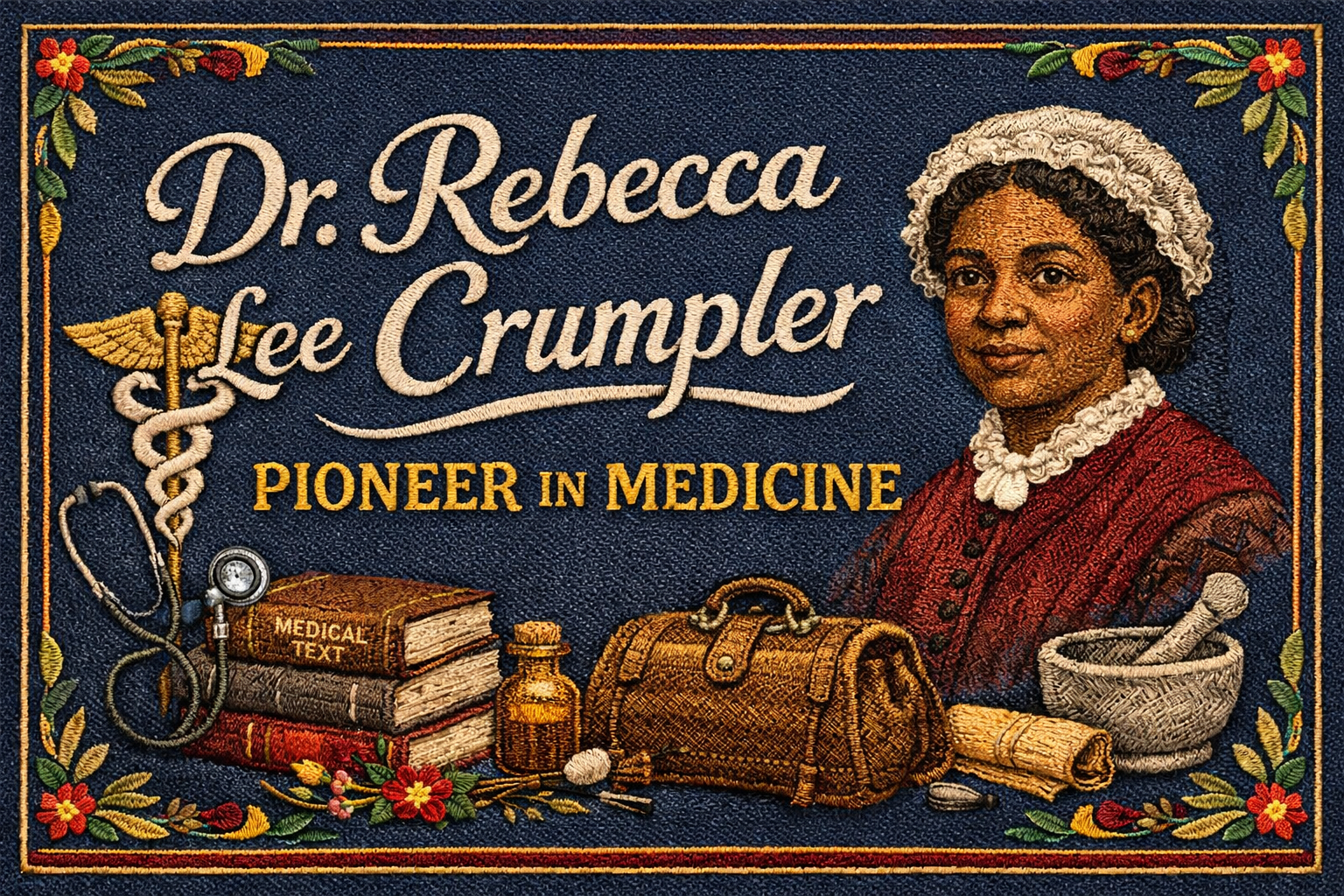
On March 9, 1895, Dr. Rebecca Davis Lee Crumpler died in Hyde Park, Massachusetts. Her death marked the close of a life that helped change American medical history. She is widely recognized as the first Black woman in the United States to earn a medical degree, graduating from the New England Female Medical College in 1864. At a time when both race and sex were used to shut people out of education and the professions, Dr. Crumpler entered medicine anyway and made history by doing work many believed she should never have been allowed to do. Before becoming a physician, she worked as a nurse for years. That experience shaped the kind of doctor she became. After earning her degree, she practiced in Boston and later in Richmond, Virginia, after the Civil War. There, she cared for newly freed Black people who had long been denied proper medical treatment. She focused especially on women and children, serving people too often ignored by the medical system and by the country itself. Her legacy matters not only because she was first, but because of who she chose to serve. Dr. Crumpler worked in a profession dominated by white men and pushed through racism, sexism, and open disrespect. In 1883, she published A Book of Medical Discourses, based on her medical experience caring for women and children. It stands among the earliest medical books published by an African American physician. Too often, history turns people like her into a quick fact and moves on. But Rebecca Crumpler was more than a milestone. She was a physician, writer, healer, and a woman who refused to let this country’s barriers define her reach. Her name belongs in the foundation of American medical history…not as a footnote, but as a pillar. #RebeccaLeeCrumpler #BlackHistory #WomensHistory #BlackWomenInMedicine #MedicalHistory #AmericanHistory #HiddenHistory #MassachusettsHistory #BlackExcellence #Trailblazer #HealthcareHistory #HistoryMatters

Dashcamgram

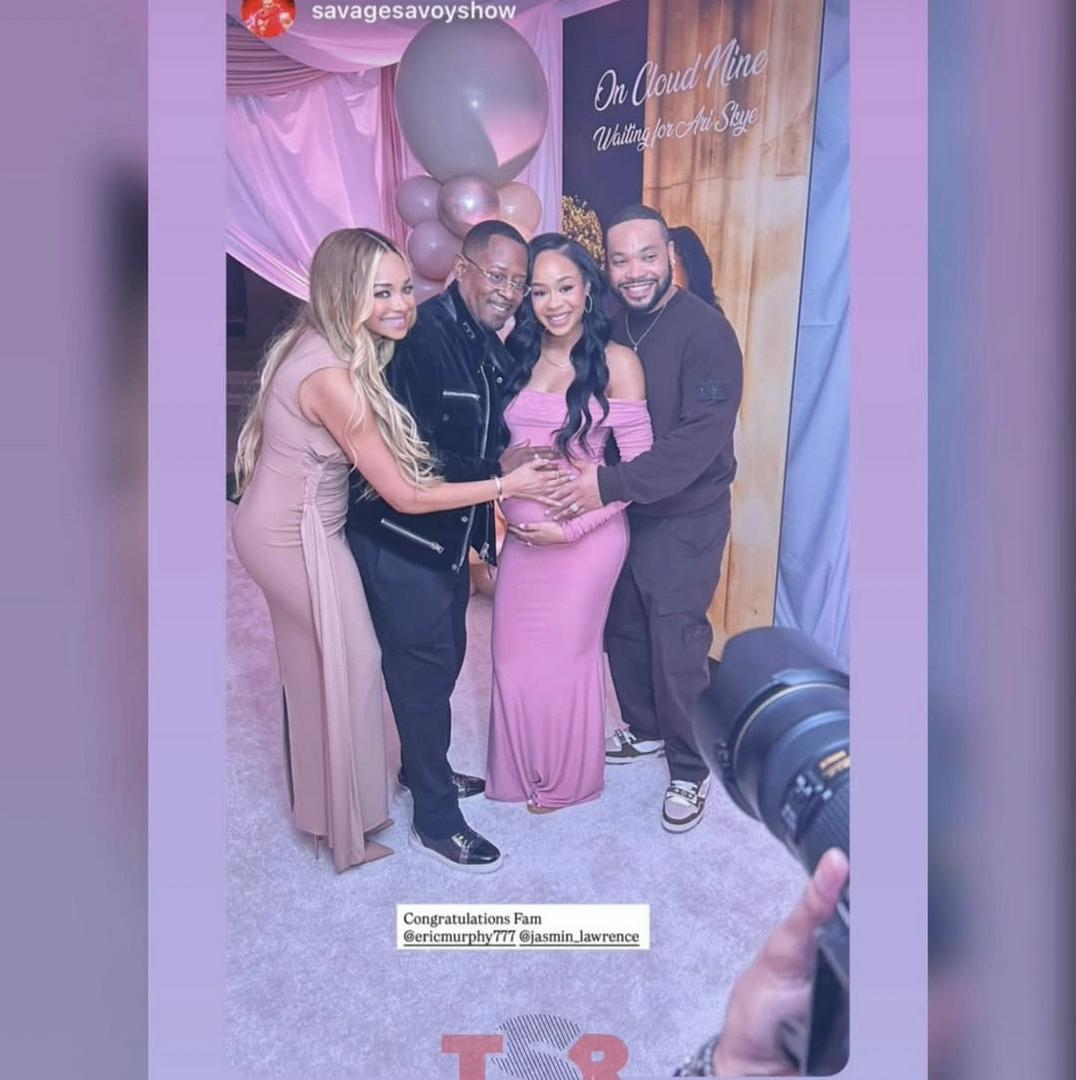
A legendary Hollywood connection just turned into a real-life family moment 💕 A photo of Eddie Murphy’s son and Martin Lawrence’s daughter at their baby shower is going viral — and fans are loving every second of it. Two comedy icons. One growing family. A whole new generation on the way. From classic films that shaped culture to now celebrating grandchildren, it’s wild to see how full circle this moment feels. What started as decades of friendship and industry respect has turned into something even deeper — family. Hollywood history meets real-life legacy. Now that’s what you call generational greatness. #EddieMurphy #MartinLawrence #HollywoodLegacy #BabyShower #CelebrityFamilies #BlackExcellence #NextGeneration #IconicMoments #EntertainmentNews #FamilyGoals

Dashcamgram

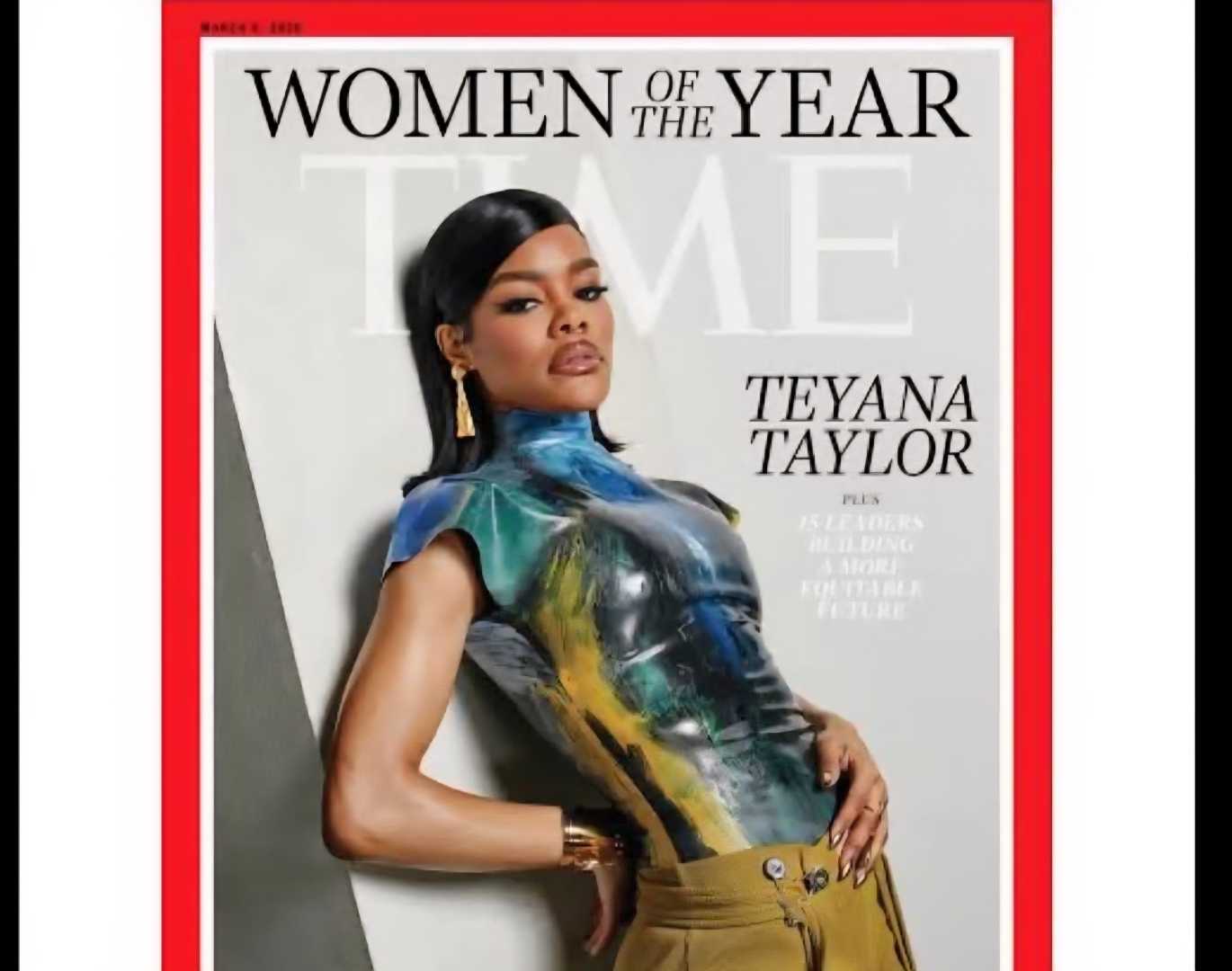
Big congratulations are in order. Teyana Taylor has been named one of TIME Magazine’s Women of the Year — and honestly, it feels well deserved. From music and film to directing and entrepreneurship, Teyana has built a career rooted in authenticity, creativity, and resilience. She’s never been afraid to evolve, speak her truth, or move at her own pace — even when the industry tried to box her in. This honor isn’t just about celebrity. It’s about impact. It’s about influence. It’s about redefining what success looks like on your own terms. Teyana continues to prove that being multi-talented isn’t just a flex — it’s a standard. Salute to a woman who keeps leveling up. #TeyanaTaylor #TimeWomenOfTheYear #WomenOfTheYear #BlackExcellence #EntertainmentNews #MusicAndFilm #Trailblazer #PowerMoves #CelebrityNews #CulturalImpact #Congratulations #LevelUp

THESE VALUES

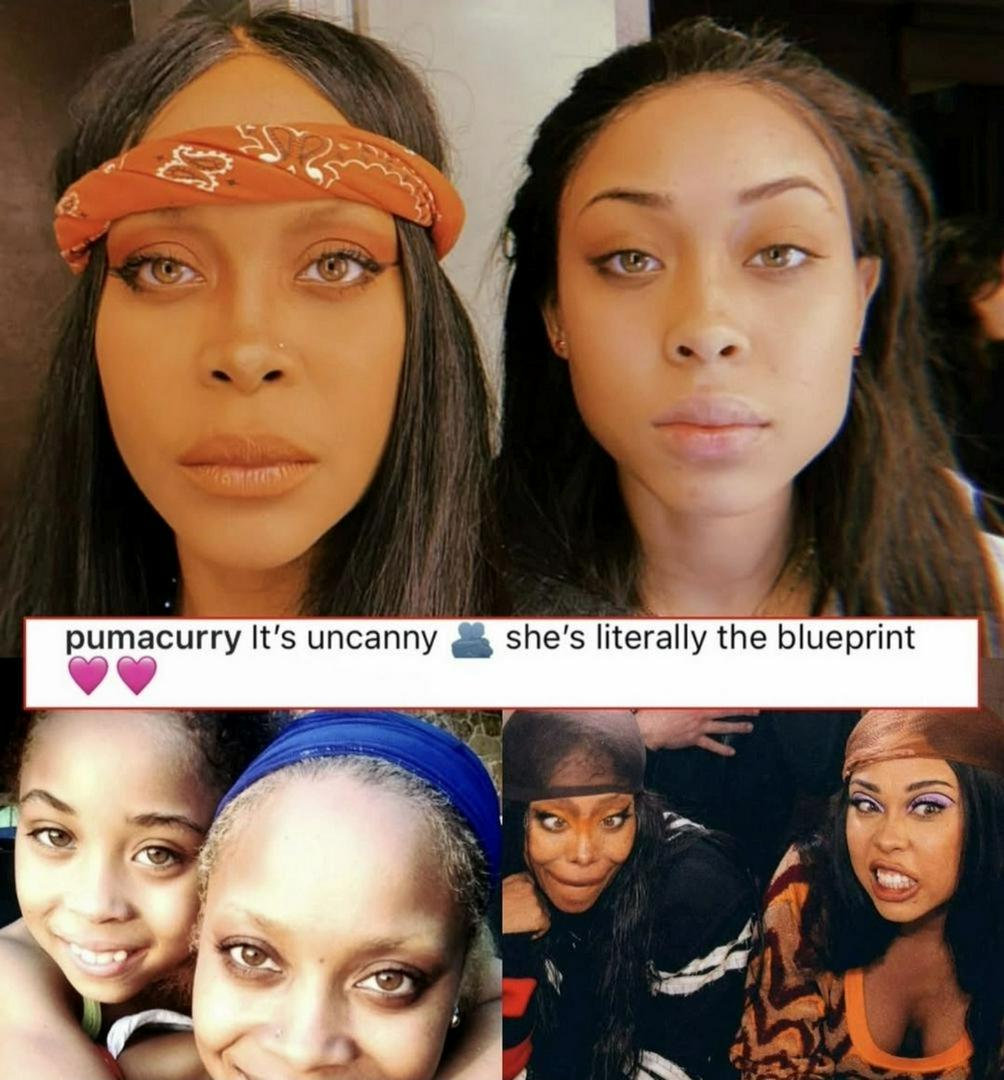
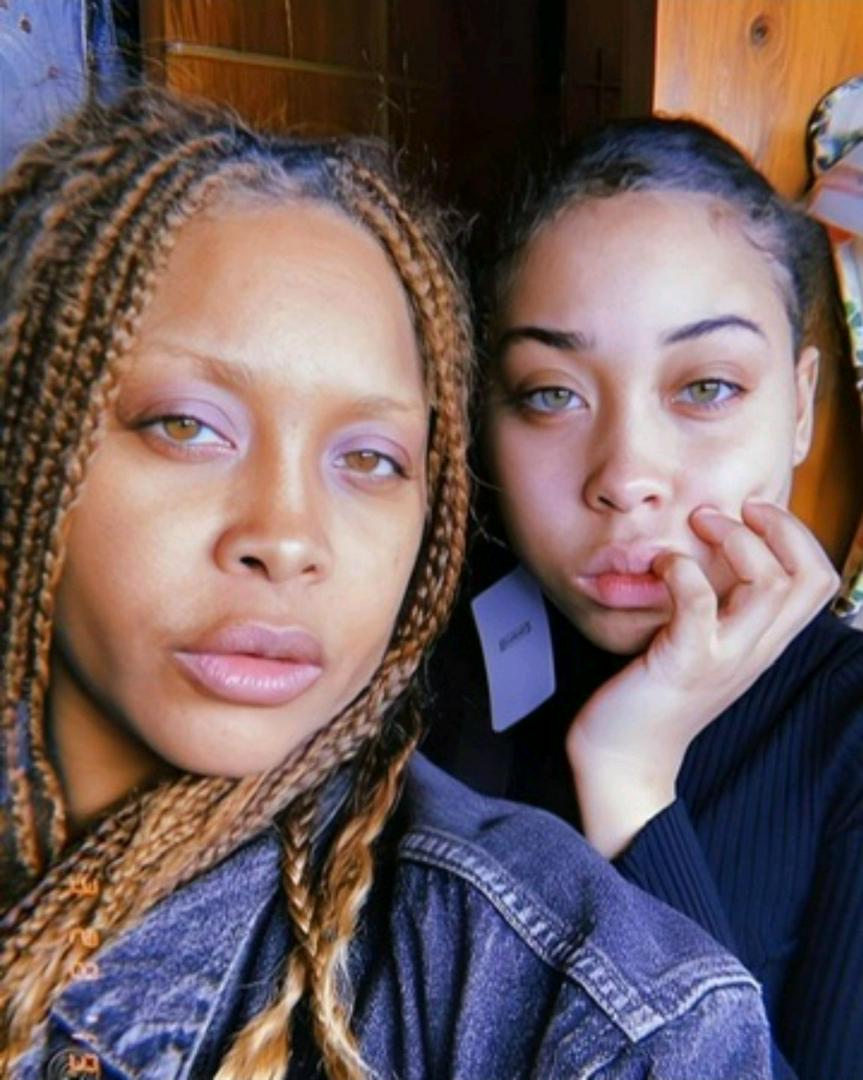
The internet isn't exaggerating this one - Ervkah Badu and her daughter Puma Currv look uncannilv alike. From the eves to the facial structure to the calm, soulful presence, Puma really looks like she stepped straight out of Ervkah's early-era photos. Fans are calling it "copy and paste," and honestly... it's hard to argue. What's making people talk even more is how Puma doesn't iust resemble her mom physically - she carries the same energy. That effortless, artistic, grounded aura that made Erykah iconic seems to have been passed down naturally Genetics really said blueprint It's one of those moments that reminds people how powerful family resemblance can be, especially when culture creativity, and spirit are all part of the legacy. Some genes don't just pass looks - they pass presence What do y'all think...strongest mother-daughter resemblance in music history? #ErykahBadu #PumaCurry #TwinEnergy #CelebrityKids #Genetics #CopyPaste #MusicLegacy #BlackExcellence.