Tag Page BaseballHistory

#BaseballHistory
LataraSpeaksTruth

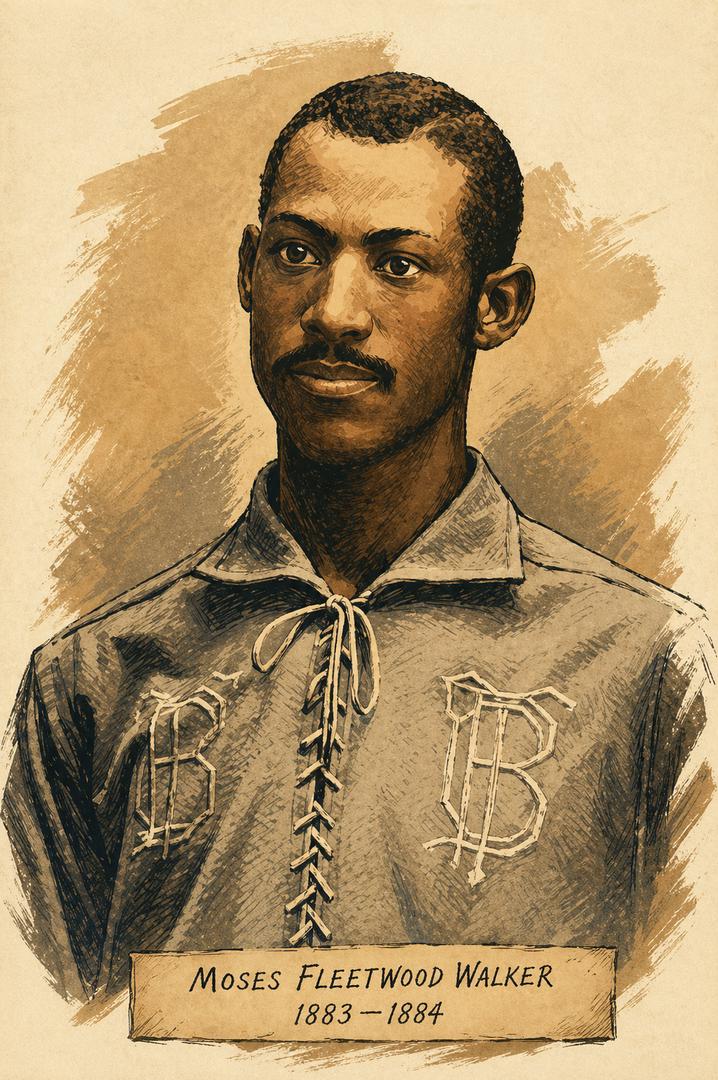
Jackie Robinson’s place in baseball history matters deeply. In 1947, he broke Major League Baseball’s modern color barrier with the Brooklyn Dodgers. But baseball’s color line story did not begin there. Decades earlier, Moses Fleetwood Walker had already stepped onto a major league field. Walker was born in Mount Pleasant, Ohio, in the 1850s and became known as “Fleet.” He attended Oberlin College and later studied law at the University of Michigan, where he also played baseball. At a time when higher education and professional athletics were not built to welcome Black men, Walker was already moving through spaces that tried to keep men like him out. On May 1, 1884, Walker made his major league debut as a catcher for the Toledo Blue Stockings of the American Association, then considered a major league. His first game came against the Louisville Eclipse in Kentucky. He was not simply playing baseball. He was standing in front of people who questioned whether a Black man belonged on that field at all. Walker played 42 games for Toledo that season. As a catcher, he worked one of the toughest positions in the sport during an era when protective gear was limited. He faced injuries, hostility, and racial abuse while competing at the highest level. His presence also exposed how quickly baseball was moving toward exclusion. White players and teams increasingly objected to playing with or against Black players. By the late 1880s, organized baseball had tightened its racial barriers, pushing Black players out of the major leagues for generations. Robinson’s 1947 breakthrough was historic because it ended decades of exclusion in the modern era. But Walker’s story reminds us that Black players were there before the door was slammed shut. He did not just come before Jackie. He showed that the color line was not natural, accidental, or unavoidable. It was built. History should remember the men who stood there before the wall went up. #MosesFleetwoodWalker #BaseballHistory

LataraSpeaksTruth

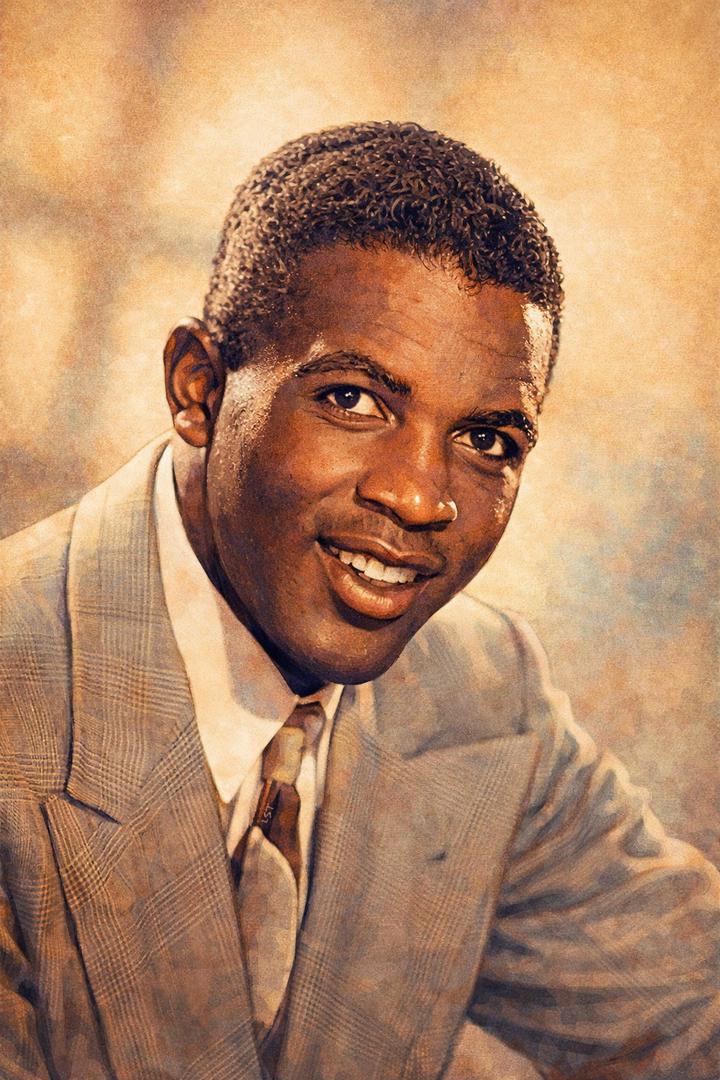
On January 23, 1962, Jackie Robinson was elected to the National Baseball Hall of Fame, becoming the first Black player ever inducted. The announcement marked more than a personal achievement…it was institutional acknowledgment of a man who changed the structure of American sports and forced the nation to confront itself. Robinson’s career with the Brooklyn Dodgers lasted just ten seasons, but its impact was permanent. When he broke Major League Baseball’s color barrier in 1947, he entered a league that was not prepared to accept him and often hostile toward his presence. He endured abuse from fans, opposing players, and even teammates, while being expected to respond with restraint, discipline, and excellence. He did all three. On the field, Robinson was relentless. Rookie of the Year. Six-time All-Star. National League MVP. World Series champion. But statistics alone cannot explain why his election mattered. Robinson represented a shift in who was allowed to belong, who could lead, and who could be honored by America’s most guarded institutions. His Hall of Fame election came while he was still alive, still outspoken, and still pushing for civil and economic equality beyond baseball. It was not a sentimental gesture…it was a recognition that the game itself had been transformed by his courage. Cooperstown could no longer tell its story honestly without him. Jackie Robinson did not just open a door. He stood in the doorway long enough for others to walk through, even when the cost was high. History remembers January 23, 1962 as the moment baseball formally admitted what the world already knew…the game would never be the same. #JackieRobinson #OnThisDate #BaseballHistory #HallOfFame #SportsHistory #AmericanHistory #Legacy #HistoryMatters

LataraSpeaksTruth

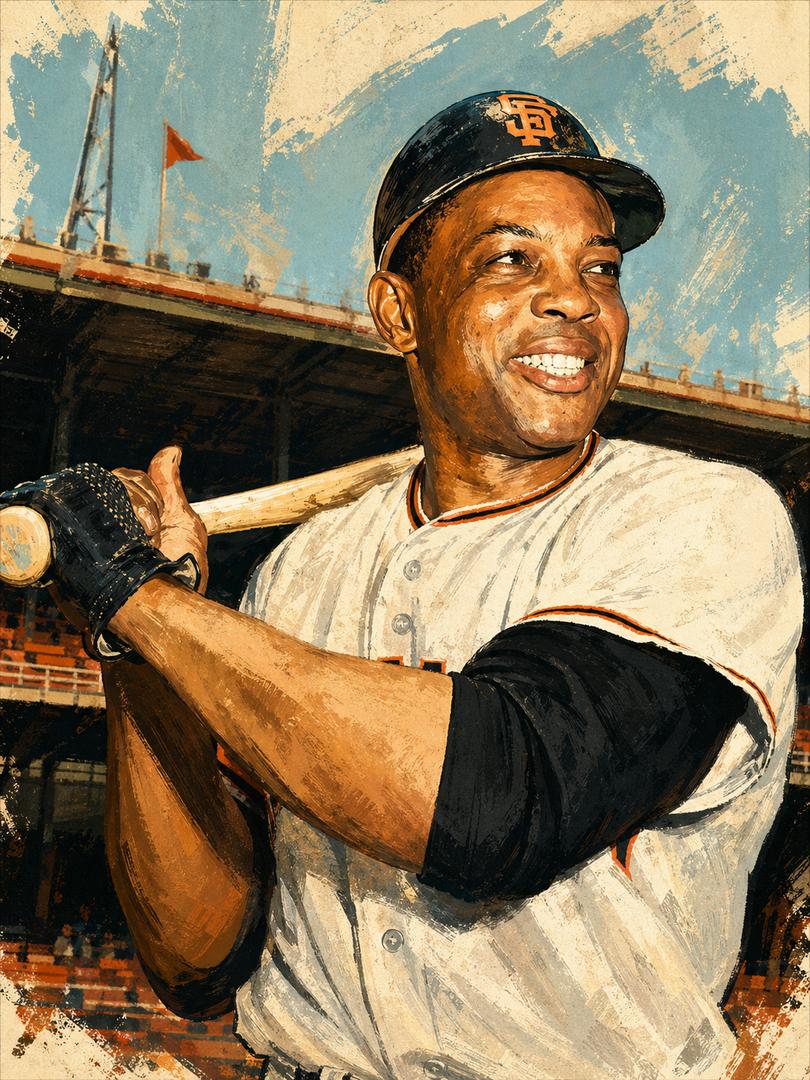
On May 4, 1966, Willie Mays added another historic line to one of baseball’s greatest careers. At Candlestick Park in San Francisco, Mays hit the 512th home run of his career against the Los Angeles Dodgers, breaking Mel Ott’s long-standing National League home run record. Ott, another Giants legend, had held the mark with 511 career home runs. Mays did not just tie history. He moved past it. The home run came in the fifth inning off Dodgers pitcher Claude Osteen during a 6-1 Giants victory. It was a fitting moment in franchise history. Ott had built his Hall of Fame career with the New York Giants, and Mays began his own career with that same franchise before it moved west to San Francisco. By 1966, Mays had already shown he could do almost everything on a baseball field. He could hit for power, run with speed, defend center field with brilliance, and change a game with one swing or one catch. His famous over-the-shoulder catch in the 1954 World Series had already become one of the sport’s most iconic images. But this moment showed something different. It showed endurance. It showed consistency. It showed how long Mays had remained dangerous at the plate. Records like this are not built in one season. They come from years of production, pressure, and excellence. Mays would go on to finish his career with 660 home runs, placing him among the greatest power hitters in Major League Baseball history. But on May 4, 1966, the focus was clear. He had passed Mel Ott and became the National League’s all-time home run leader. Willie Mays was not just remembered because he was exciting to watch. He was remembered because the record book had to make room for him. And when history placed a number beside his name, he kept swinging. #WillieMays #BaseballHistory #SportsHistory #SanFranciscoGiants #BlackHistory

LataraSpeaksTruth

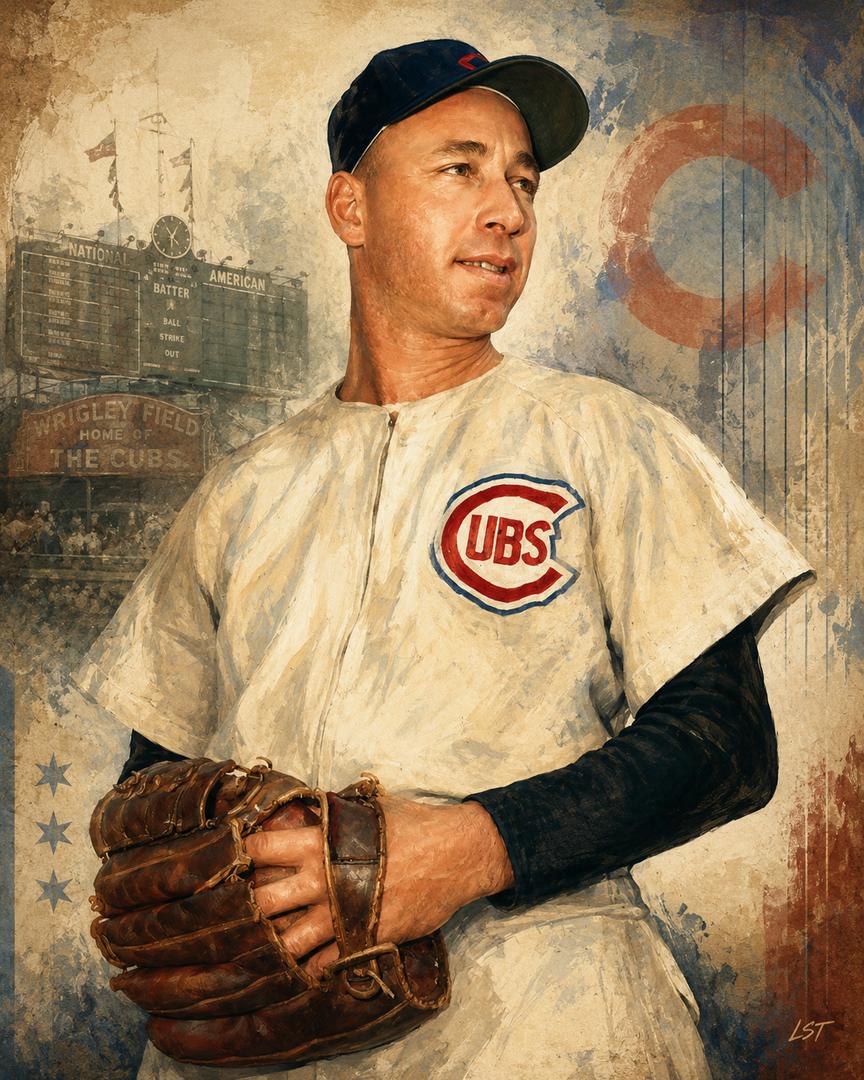
May 12, 1955… Sam “Toothpick” Jones made baseball history at Wrigley Field. Pitching for the Chicago Cubs against the Pittsburgh Pirates, Jones became the first Black pitcher in Major League Baseball history to throw a no-hitter. The Cubs won 4 to 0, but the ending is what made the moment feel like something written for a movie. Jones was talented, powerful, and unpredictable. He had the kind of arm that could embarrass hitters, but his control could make a whole stadium hold its breath. By the ninth inning, history was sitting right there in front of him, but it almost slipped away. He walked the first three batters of the inning. Bases loaded. No outs. A no-hitter on the line. That is the kind of pressure that can swallow a pitcher whole. One clean hit would have erased the moment. One mistake could have turned history into heartbreak. But Jones did not fold. Instead, he struck out Dick Groat. Then he struck out rookie Roberto Clemente. Then he struck out Frank Thomas to end the game. Bases loaded… no outs… three straight strikeouts. That was not just a no-hitter. That was nerve, power, and history meeting on the mound at the same time. Jones’ nickname came from the toothpick he was known for chewing, but there was nothing small about what he did that day. His no-hitter broke a barrier in a sport that had only integrated less than a decade earlier. It showed that Black pitchers belonged not just in the league, but in the record books. Sam Jones went on to become a two-time All-Star and one of the great Black pitchers of his era, but May 12, 1955 remains his signature moment. He did not just finish the game. He finished it with the bases loaded, the crowd watching, and history waiting. #BlackHistory #BaseballHistory #MLBHistory #ChicagoCubs #SamJones

LataraSpeaksTruth

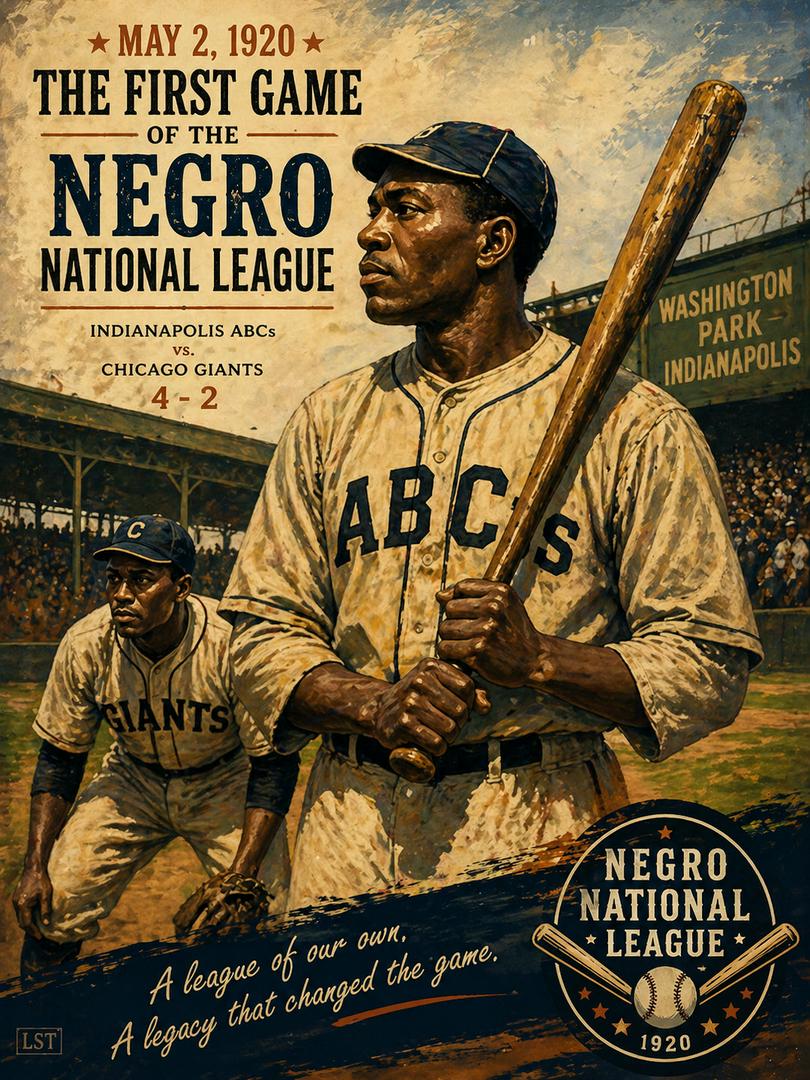
May 2, 1920: The first recognized Negro National League game was played in Indianapolis, Indiana. On that day, the Indianapolis ABCs defeated the Chicago Giants 4 to 2 at Washington Park. It was more than a baseball game. It marked the beginning of a professional league built for Black players during an era when Major League Baseball remained segregated. The Negro National League was founded in 1920 under the leadership of Andrew “Rube” Foster, one of the most important figures in baseball history. Foster understood that Black players needed more than talent. They needed structure, ownership, organization, and a stage large enough for the world to see what they could do. That first game helped launch a league that became home to some of the greatest players the sport has ever known. The Negro Leagues gave Black athletes a professional platform at a time when the door to Major League Baseball was still closed to them. These players traveled, competed, built fan bases, filled ballparks, and proved excellence long before integration. Their talent was never the issue. Access was. The May 2, 1920 game stands as a reminder that Black baseball history is not a side note to American baseball. It is American baseball. The Negro National League created opportunity where exclusion had built a wall. On this day, we remember the first game of the Negro National League and the players, owners, managers, and fans who helped build a legacy that still deserves to be spoken with respect. #NegroLeagues #BlackBaseball #BlackHistory #BaseballHistory #OnThisDay

LataraSpeaksTruth

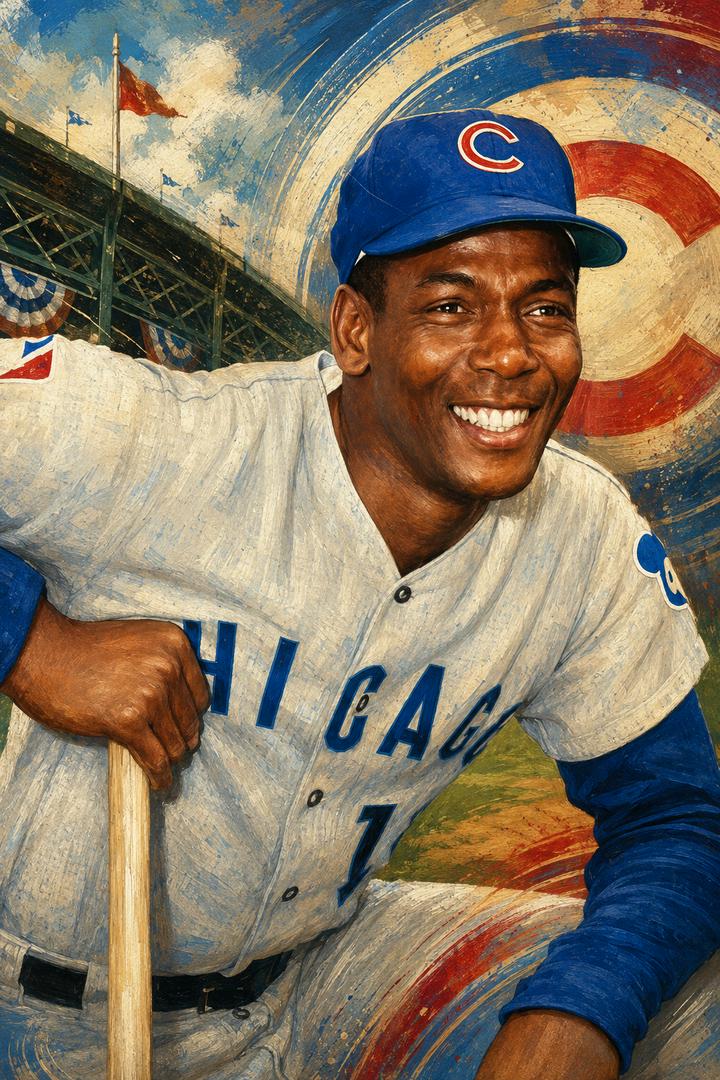
May 12, 1970… Ernie “Mr. Cub” Banks hit his 500th career home run at Wrigley Field. By the time Banks stepped to the plate that afternoon, he was already one of baseball’s most beloved figures. But in the bottom of the second inning against the Atlanta Braves, he added another line to history. Facing right-hander Pat Jarvis, Banks drove a 1-and-1 pitch over the left-field wall and became just the ninth player in Major League Baseball history to reach 500 home runs. The number mattered, but Banks’ story was bigger than the milestone. Before he became Mr. Cub, he played for the Kansas City Monarchs of the Negro leagues, part of a baseball world that produced some of the greatest talent America had ever seen, even when Major League doors had not fully opened. The Monarchs helped shape him before selling his contract to the Chicago Cubs in 1953. When Banks debuted for Chicago that September, he became the franchise’s first Black player. Banks did not just bring power to Chicago. He brought joy. His famous spirit, his love for the game, and his phrase “Let’s play two” became part of baseball language. He played through years when the Cubs gave him few postseason moments, but he still gave the city a reason to believe. That 500th home run was not just a swing. It was a bridge from the Negro leagues to Major League Baseball, from exclusion to recognition, from raw talent to permanent legacy. It also reminded fans that the record books often arrive late to the truth. Long before the applause at Wrigley, Banks had been forged by a game that demanded greatness without always giving greatness its due. Banks finished his career with 512 home runs and was inducted into the Baseball Hall of Fame in 1977. But for Cubs fans, he was never just a Hall of Famer. He was Mr. Cub. And on May 12, 1970, Wrigley Field watched him step into history. #ErnieBanks #MrCub #ChicagoCubs #BlackHistory #BaseballHistory #MLBHistory #NegroLeagues

You've reached the end!