Tag Page AviationHistory

#AviationHistory
Brandon_Lee

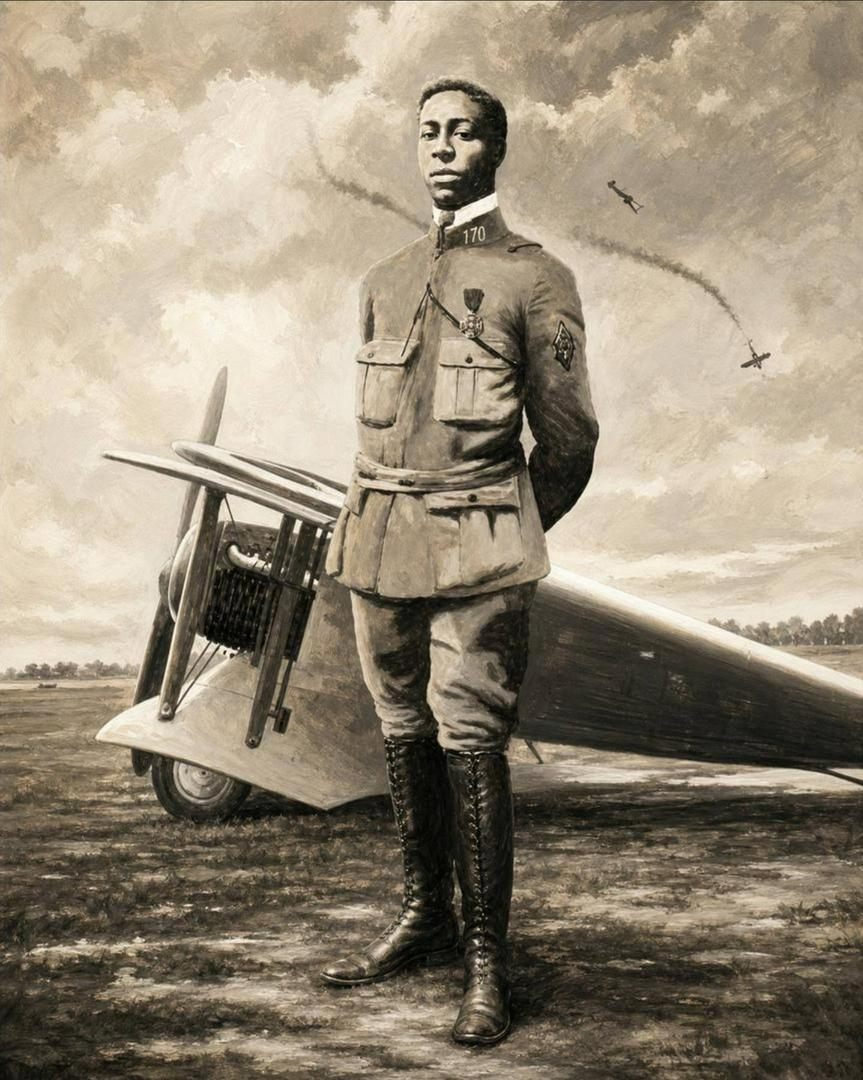
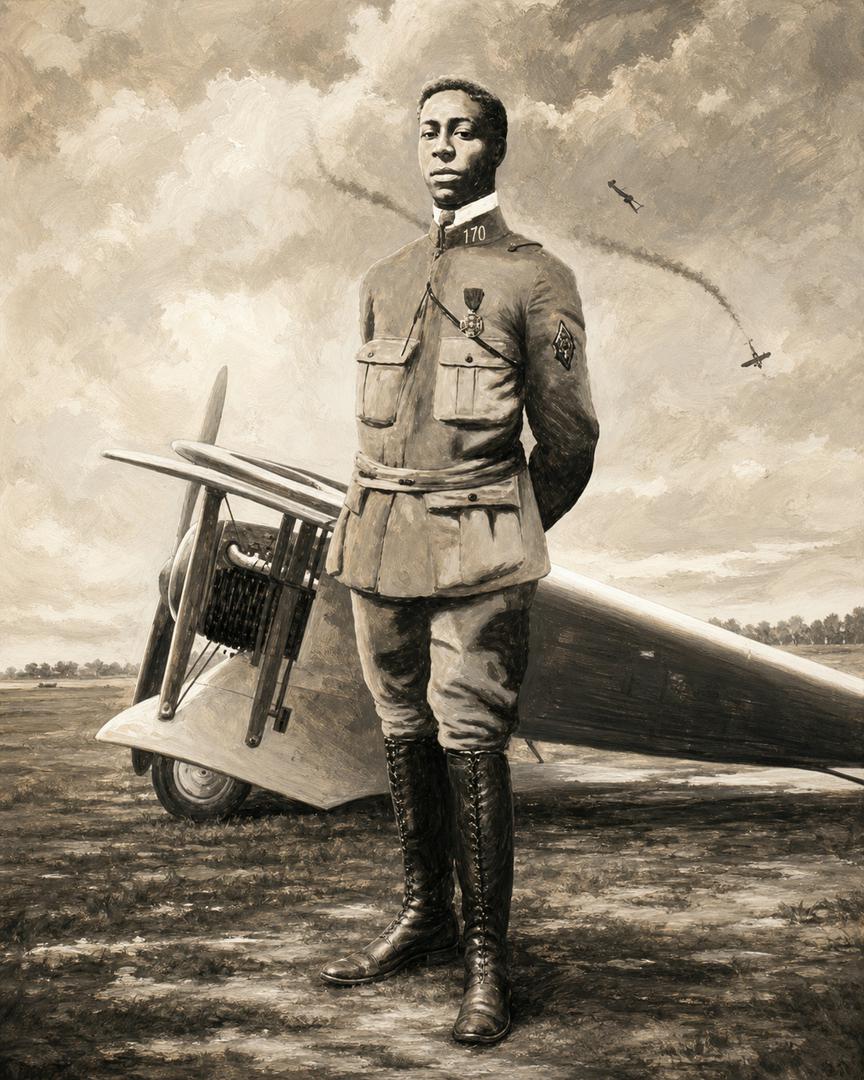
On May 5, 1917, Eugene Jacques Bullard earned his pilot's license from the Aéro-Club de France. Born in Columbus, Georqia Bullard became one of the first Black military pilots in world history and one of the most important combat aviators of World War I. Bullard's story did not begin with privilege He left the United States as a young man and eventually found his way to Europe. In France, he found opportunities America was not willing to give Black men at the time When World War I began, Bullard joined the French Foreign Legion and later served in the French army. After being wounded at Verdun, he trained as a pilot and earned his wings in 1917. Aviation was still dangerous and new, but Bullard stepped into that worlo anyway. He flew for France before the United States was ready to recognize a Black man in that role. When America entered the war. some American pilots serving with France were accepted into U.S. service. Bullard was not His skill, courage, and record were not enough to overcome the color line., France honored him for his service. Bullard received multiple militarv decorations and became remembered as a man who fought flew, and survived in a world that tried to imit him. His story matters because Black achievement was often recognized overseas before it was respected at home Eugene Bullard did not wait for permission from America to become history. He climbed into the cockpit anyway Before the Tuskegee Airmen became egends, Eugene Jacques Bullard had already taken to the sky#EugeneBullard #AviationHistory #WorldWarl #HiddenHistory #BlackHistory

LataraSpeaksTruth

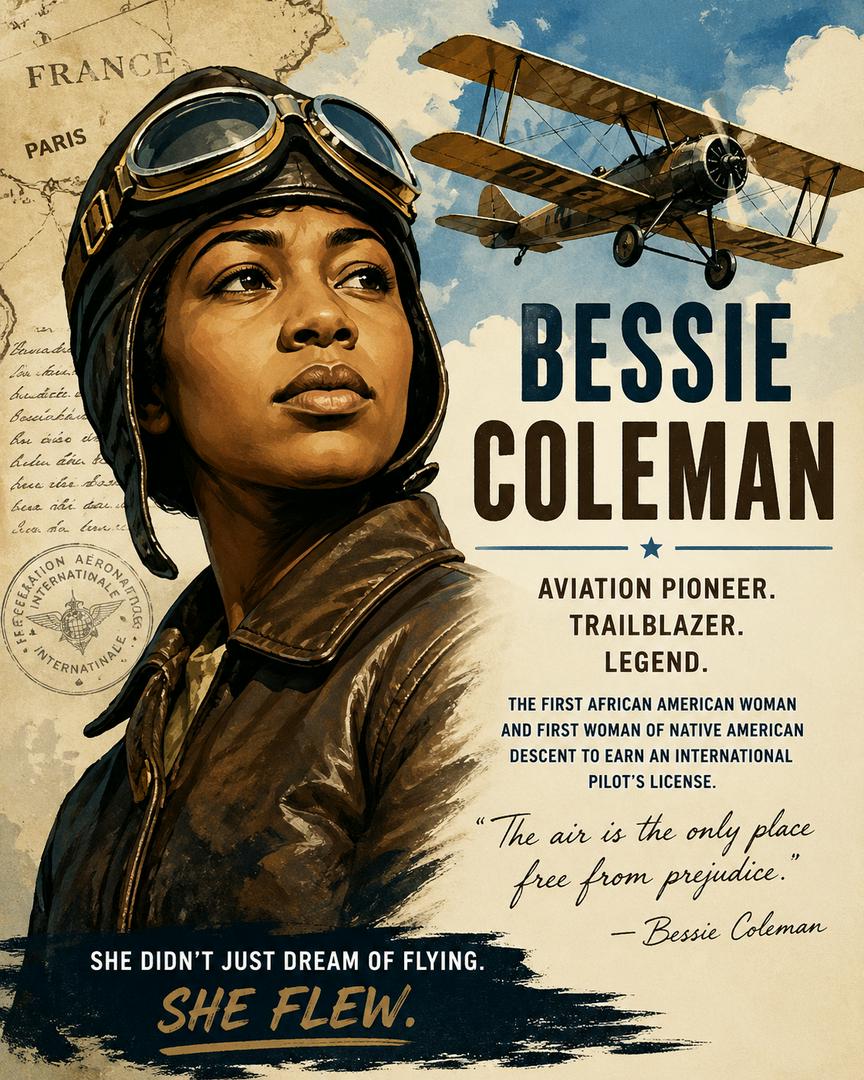
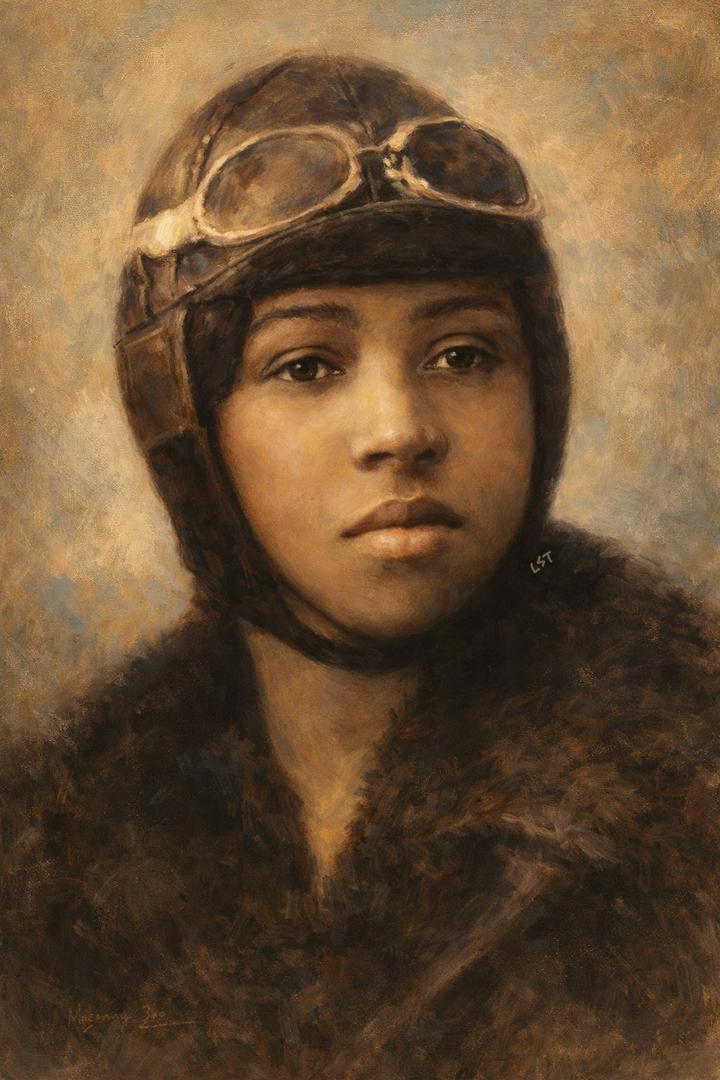
April 30, 1926, marked the tragic death of aviation pioneer Bessie Coleman, a woman who rose above poverty, racism, and sexism to make history in the sky. Coleman was born in Texas in 1892 and grew up during a time when Black Americans faced brutal segregation and limited opportunity. When she became interested in flying, American flight schools refused to train her because she was Black and a woman. Coleman did not quit. She learned French, saved money, gained support from Black leaders in Chicago, and traveled to France to chase the dream America tried to deny her. In June 1921, Coleman earned an international pilot’s license from the Fédération Aéronautique Internationale. She became the first African American woman and the first woman of Native American descent to hold a pilot’s license. Her achievement made her a symbol of courage and possibility. Known as “Queen Bess,” Coleman returned to the United States and became a barnstorming pilot, performing daring air shows before large crowds. She also used her fame to encourage other Black Americans to enter aviation. She refused to perform at venues that would not admit Black spectators, making her stand for dignity both in the air and on the ground. On April 30, 1926, Coleman was in Jacksonville, Florida, preparing for an air show scheduled for the next day. She was flying with mechanic William Wills when the plane suddenly went out of control. Coleman, who was not wearing a seat belt because she was looking over the side to scout the area, fell from the aircraft and died. Wills also died when the plane crashed. Bessie Coleman was only 34 years old. Her life ended in tragedy, but her legacy did not. She opened a path in aviation when the doors were locked, bolted, and guarded. Generations of pilots would later look to her as proof that the sky belonged to them, too. #BessieColeman #BlackHistory #AviationHistory #WomensHistory #OnThisDay

LataraSpeaksTruth

On January 26, 1892, Bessie Coleman was born into a country that told her exactly what she could not be. She listened long enough to understand the rules…and then broke every one of them. When no flight school in the United States would admit a Black woman, Bessie didn’t argue. She learned French, left the country, and trained in France. In 1921, she earned her pilot’s license, becoming the first Black woman and first Native American woman to do so. Not because the system opened a door…but because she refused to wait for one. Bessie didn’t fly for novelty. She flew with purpose. She believed aviation should belong to everyone, and she dreamed of opening a flight school so others wouldn’t have to leave the country just to learn. She refused to perform at airshows that enforced segregation. If audiences were divided, she walked. Progress without dignity wasn’t progress to her. As a barnstormer, she stunned crowds with daring aerial maneuvers, turning the sky into a stage for possibility. Each flight was a quiet rebellion against limitation, proof that skill and courage don’t ask permission. Her life ended too soon. Bessie Coleman died in a plane crash in 1926 at just 34 years old. But her impact never grounded. Every pilot who followed, every barrier lifted higher, carries a trace of her flight path. Some people change history by staying. Others change it by leaving, learning, and coming back stronger. Bessie Coleman did all three. Born January 26. Legacy everlasting. #BessieColeman #January26 #OnThisDay #WomenInHistory #AviationHistory #Trailblazer #AmericanHistory #HistoryMatters #Legacy #BlackExcellence

LataraSpeaksTruth

On this day, the 332nd Fighter Group crossed a quiet but powerful milestone. December 8, 1943 marked the moment they completed a major combat transition, officially stepping into the role that would reshape military history. These young Black pilots had already pushed through every barrier on the ground… the doubt, the stereotypes, the low expectations. Now they were preparing to carry all of that into the skies over Europe. By the end of 1943, the Tuskegee Airmen were fully trained, fully activated, and preparing for large-scale missions they knew would either expose the lie or expose the truth. And they chose the truth. Their discipline, precision, and near-legendary escort record forced the country to confront something uncomfortable… skill has no color. Courage has no filter. Excellence don’t ask for permission. Their service didn’t magically fix anything overnight, but it cracked open the door that led to the desegregation of the military, the shifting of public opinion, and the dismantling of one of the most stubborn myths in American culture. And here’s the part we don’t say enough… these men carried the weight of their entire community on every mission. Every landing. Every loss. They weren’t just flying planes… they were flying proof. And on December 8, 1943, that proof took its place in history. #LataraSpeaksTruth #OurHistory #AviationHistory #TuskegeeAirmen #MilitaryHistory #UntoldStories

LataraSpeaksTruth

On This Day 1944… Red Tail Escorts Over War Torn Europe

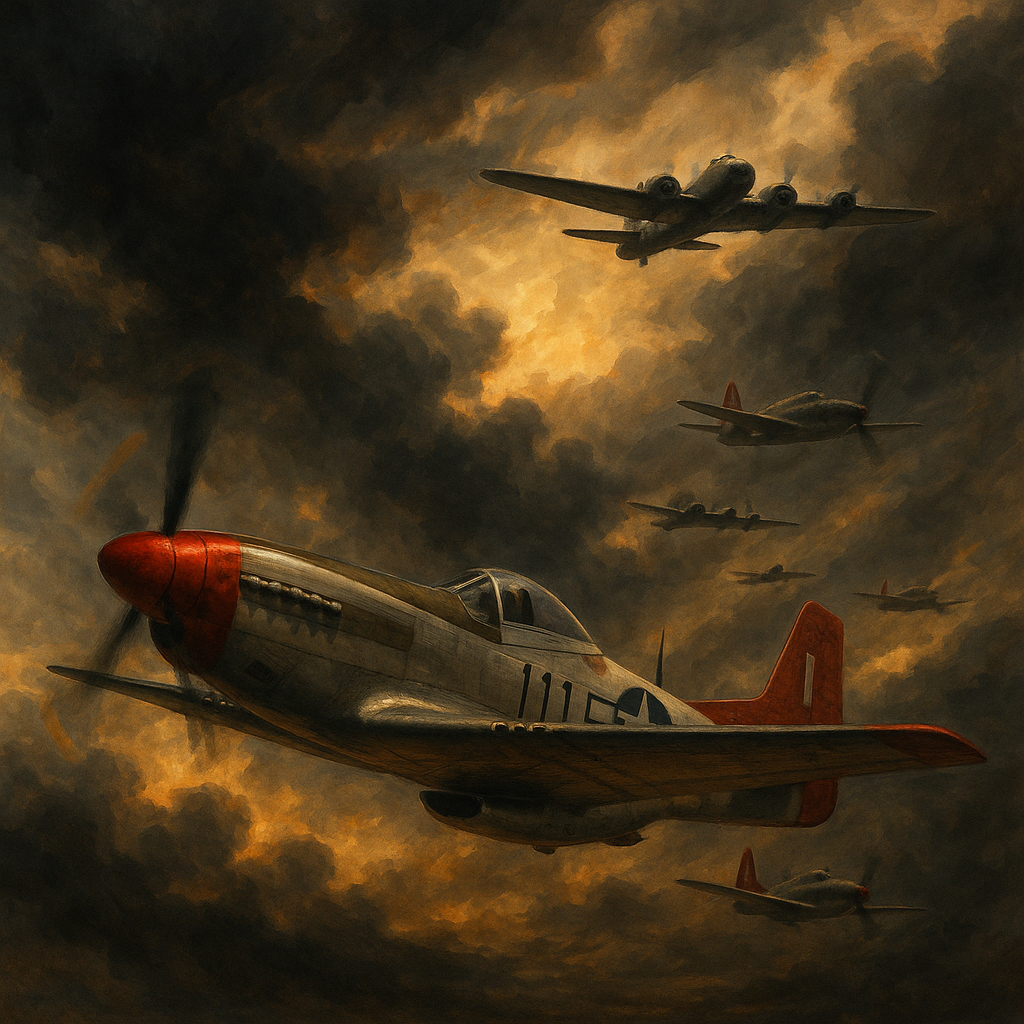
On this day in 1944, the Red Tail Angels carved their path across a cold European sky, lifting off from their base in Italy with the weight of duty and a world still arguing about their worth. The Tuskegee Airmen of the 332nd Fighter Group knew the routine. Take off. Climb. Form up. Guard the bombers like your life depends on theirs. It was the last big raid of the month, and the Fifteenth Air Force sent them straight toward the factories that fed the Nazi war machine. Waiting for them were German fighters, flak bursts that chewed through the clouds, and the constant reminder that history never gives out freebies. These pilots had trained in Tuskegee, Alabama, far from the glory people like to paste on wartime stories. They came from a segregated military that questioned them at every step, yet their performance in the air kept rewriting the script. By late 1944 their P 51s carried bright red tails that bomber crews could spot at a glance. That flash of color meant protection. It meant discipline. It meant someone out there cared enough to hold formation tight when fear tried to pull everything apart. The 332nd flew more than one hundred seventy heavy bomber escort missions before the war ended, losing fewer bombers than many other groups in the same theater. That record was not luck. It was focus, grit, and a stubborn belief in doing the job right even when the country they served made them fight two battles at once. Every mission kept more names off casualty lists and pushed the United States toward the integration that finally came after the war. Remember this November mission as a reminder that real change often shows up in repetition. The same hard task. The same cold morning. The same promise to bring as many people home as possible. That is how legacies are built, one flight at a time. #TuskegeeAirmen #RedTailAngels #WWIIHistory #MilitaryHistory #AviationHistory #332ndFighterGroup #HistoryMatters #AmericanHistory #LataraSpeaksTruth

On This Day 1944… Red Tail Escorts Over War Torn Europe
LataraSpeaksTruth

On May 5, 1917, Eugene Jacques Bullard earned his pilot’s license from the Aéro-Club de France. Born in Columbus, Georgia, Bullard became one of the first Black military pilots in world history and one of the most important combat aviators of World War I. Bullard’s story did not begin with privilege. He left the United States as a young man and eventually found his way to Europe. In France, he found opportunities America was not willing to give Black men at the time. When World War I began, Bullard joined the French Foreign Legion and later served in the French army. After being wounded at Verdun, he trained as a pilot and earned his wings in 1917. Aviation was still dangerous and new, but Bullard stepped into that world anyway. He flew for France before the United States was ready to recognize a Black man in that role. When America entered the war, some American pilots serving with France were accepted into U.S. service. Bullard was not. His skill, courage, and record were not enough to overcome the color line. France honored him for his service. Bullard received multiple military decorations and became remembered as a man who fought, flew, and survived in a world that tried to limit him. His story matters because Black achievement was often recognized overseas before it was respected at home. Eugene Bullard did not wait for permission from America to become history. He climbed into the cockpit anyway. Before the Tuskegee Airmen became legends, Eugene Jacques Bullard had already taken to the sky. #EugeneBullard #AviationHistory #WorldWarI #HiddenHistory #BlackHistory

You've reached the end!