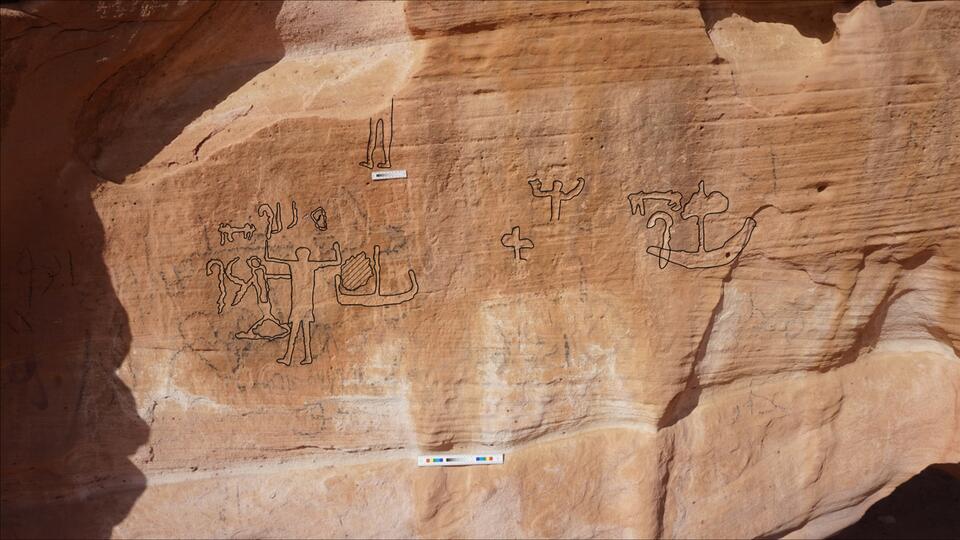
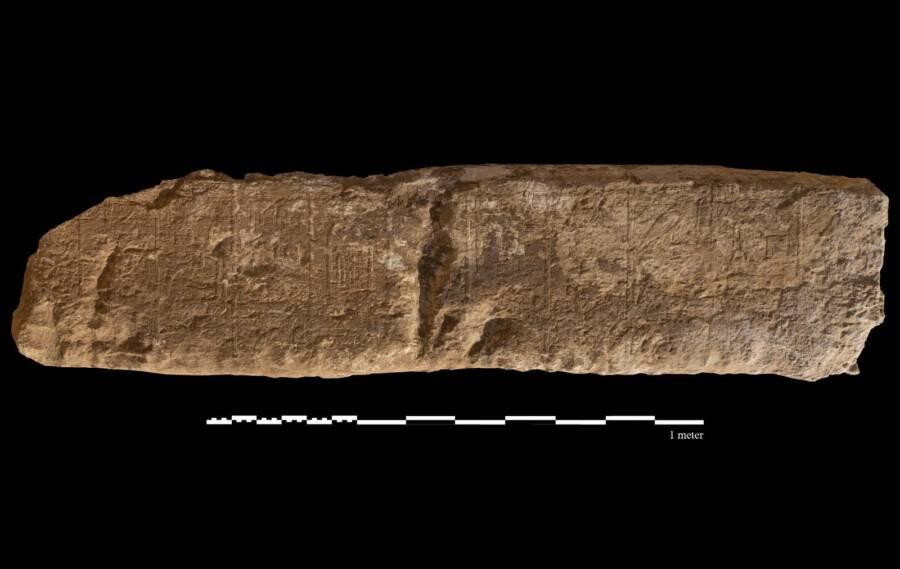
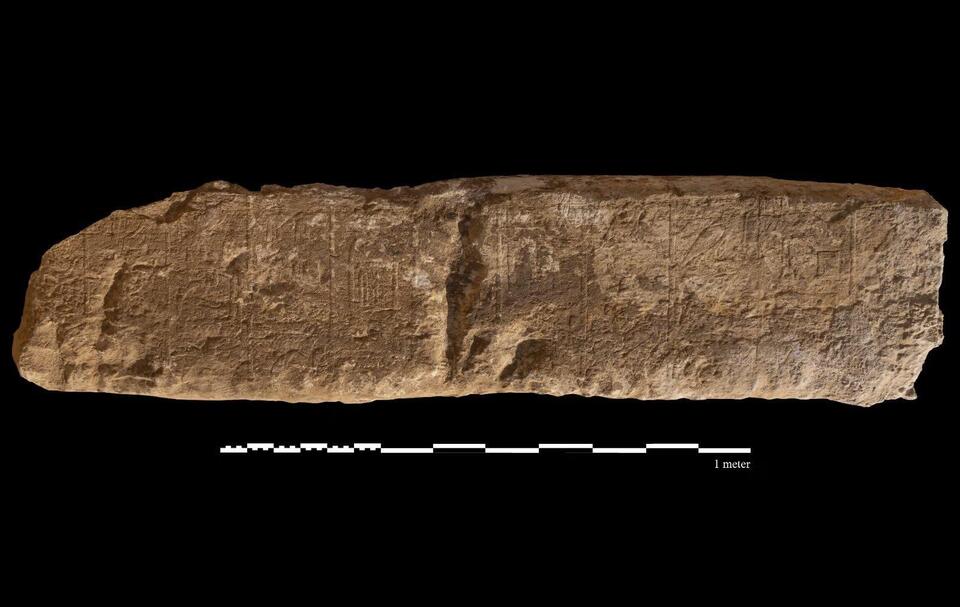
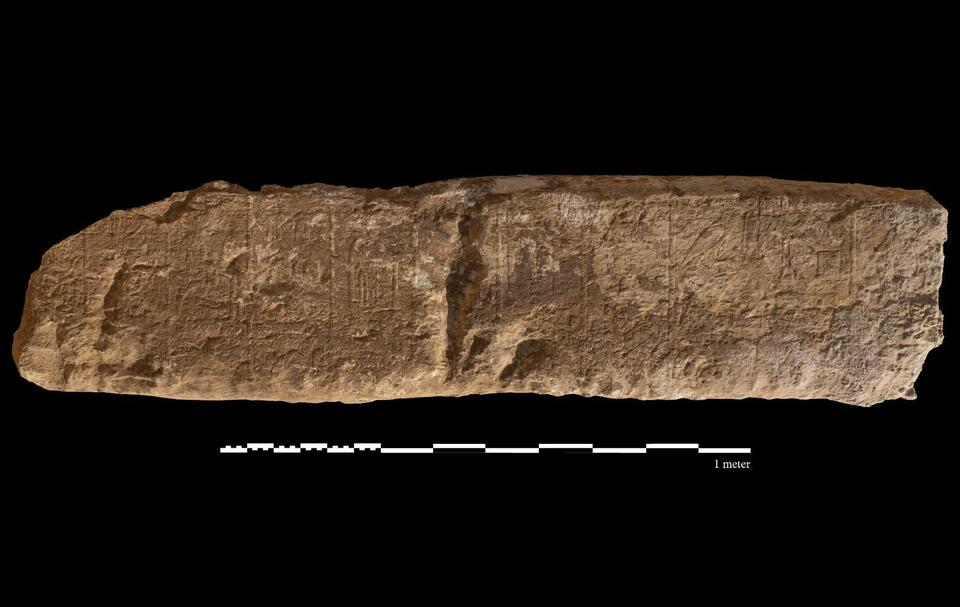
Debra Taylor+FollowAncient Egypt’s Savage Sinai TakeoverArchaeologists just found 5,000-year-old Egyptian rock art in the Sinai Desert—and it’s wild. The carvings show a victorious Egyptian, a defeated local with an arrow in his chest, and a boat (aka pharaoh metaphor). The message? Egypt didn’t just stroll in—they conquered and ruled hard, all for copper and turquoise. Even spookier: someone later erased the pharaoh’s name from the scene. More ancient drama could be hiding nearby! #History #AncientEgypt #Archaeology10Share
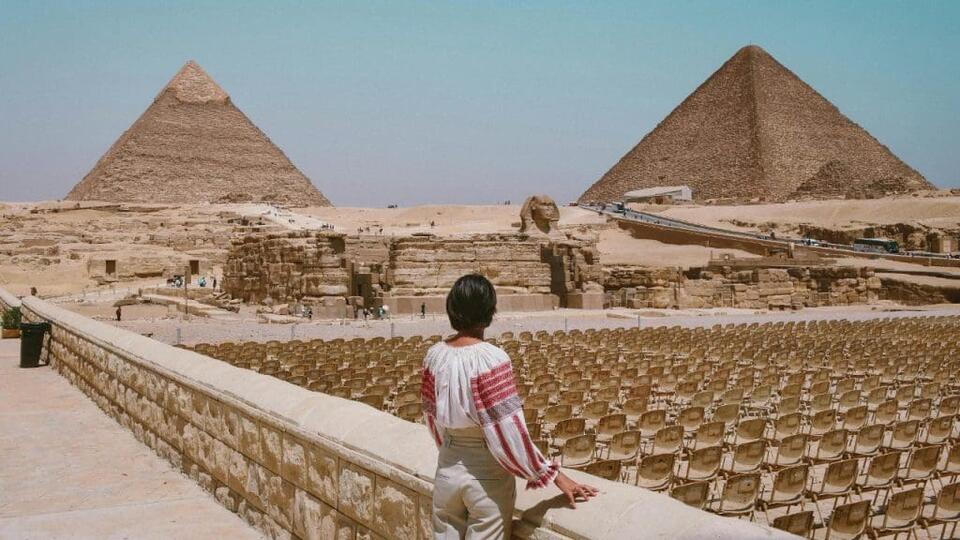
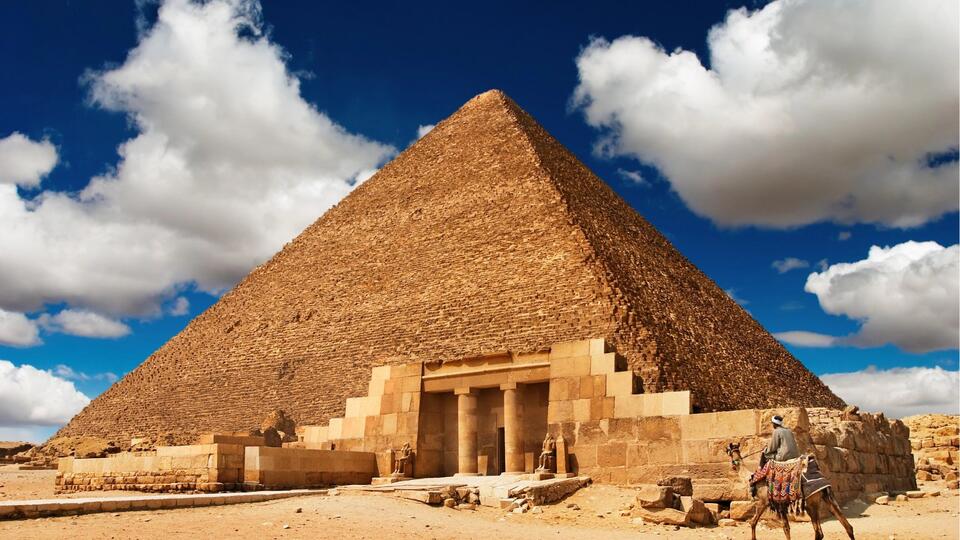
martinezlaura+FollowSecret Corridor Found in Great Pyramid!Okay, this is wild: scientists just found a 30-foot hidden corridor inside the Great Pyramid of Giza that’s been sealed for 4,500 years! They didn’t even need to break anything open—just used cosmic ray tech to spot it. The passage is right near the original entrance and might have been part of the pyramid’s engineering tricks. Egyptologists are buzzing, and there’s talk of even bigger reveals coming in 2026. Ancient Egypt still has secrets! #Science #GreatPyramid #AncientEgypt210Share
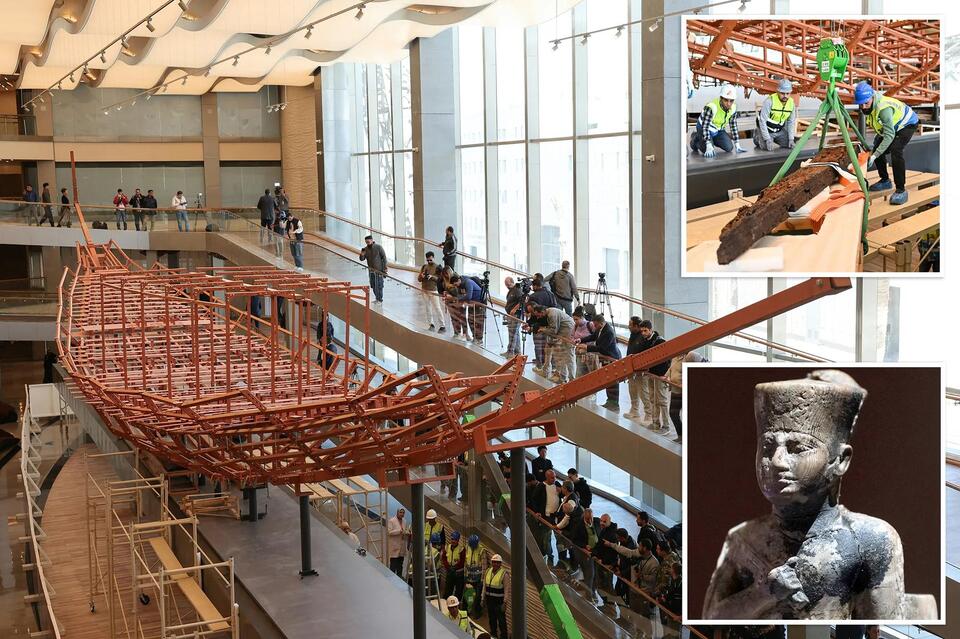
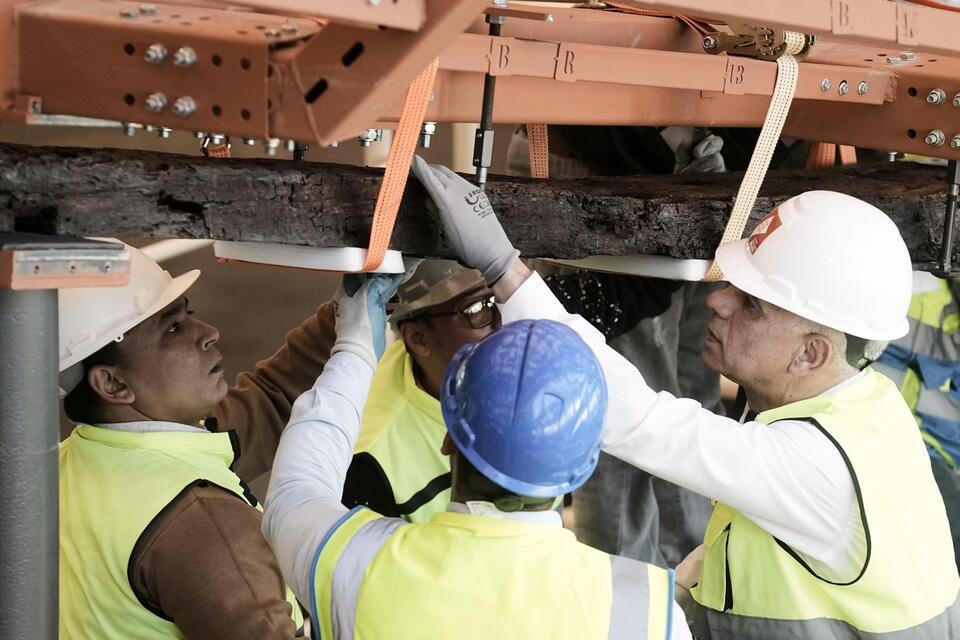
Ashley May+FollowPharaoh Khufu’s Boat Drama Unfolds 🚤Did anyone else catch the debate over King Khufu’s boat at the Grand Egyptian Museum? Some fans are convinced the restoration is just a publicity stunt to outshine King Tut’s treasures, while others say it’s about time Khufu got the spotlight. The real twist? No one can agree if the boat was for his funeral or his afterlife journey. The fandom is split! #Entertainment #Painting #AncientEgypt10Share
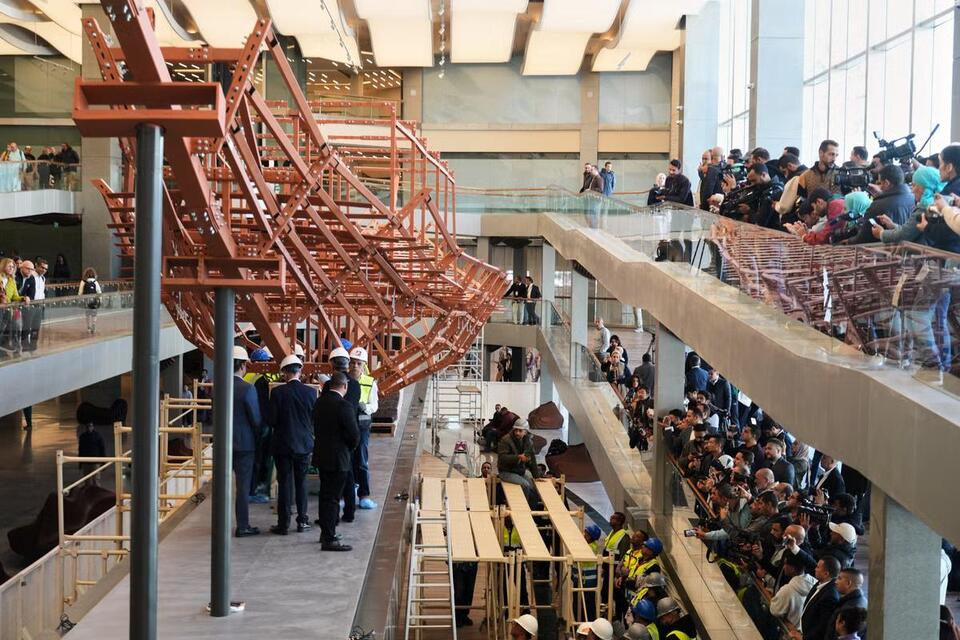
pamela78+FollowKhufu’s Boat Drama: Was It For His Afterlife? 🚤The Grand Egyptian Museum’s live restoration of King Khufu’s 4,500-year-old boat has fans buzzing—was this epic vessel really meant for his journey with the sun god Ra, or just a fancy funeral ride? The debate is heating up as experts and fans clash over the boat’s true purpose. The suspense is real as each wooden piece is put back together! #Entertainment #Painting #AncientEgypt00Share
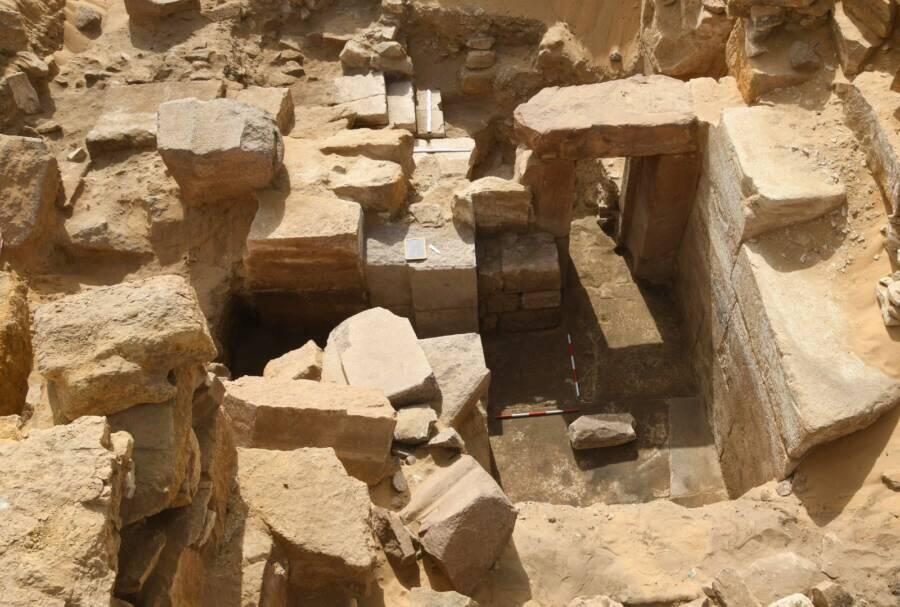
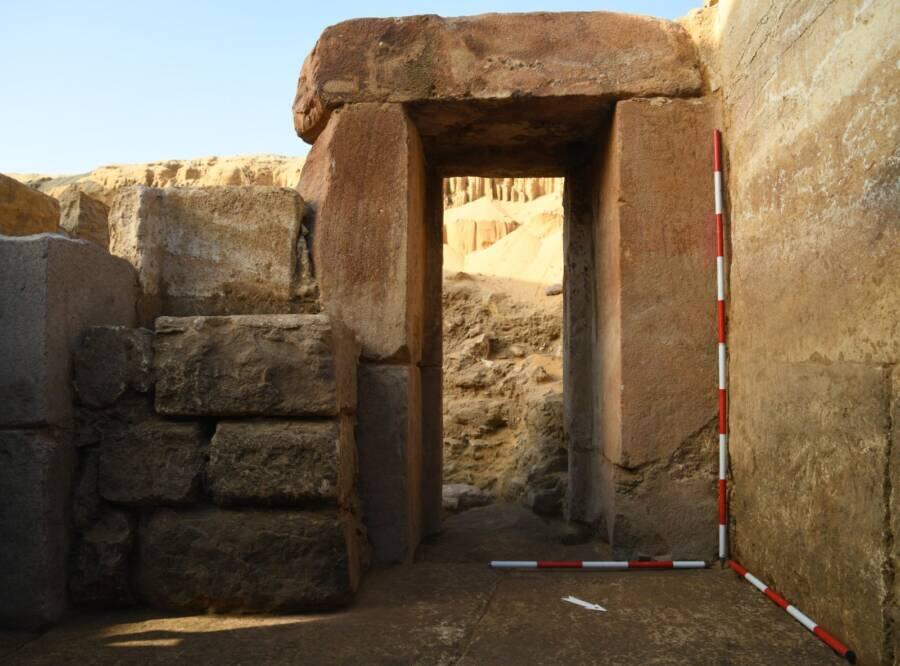
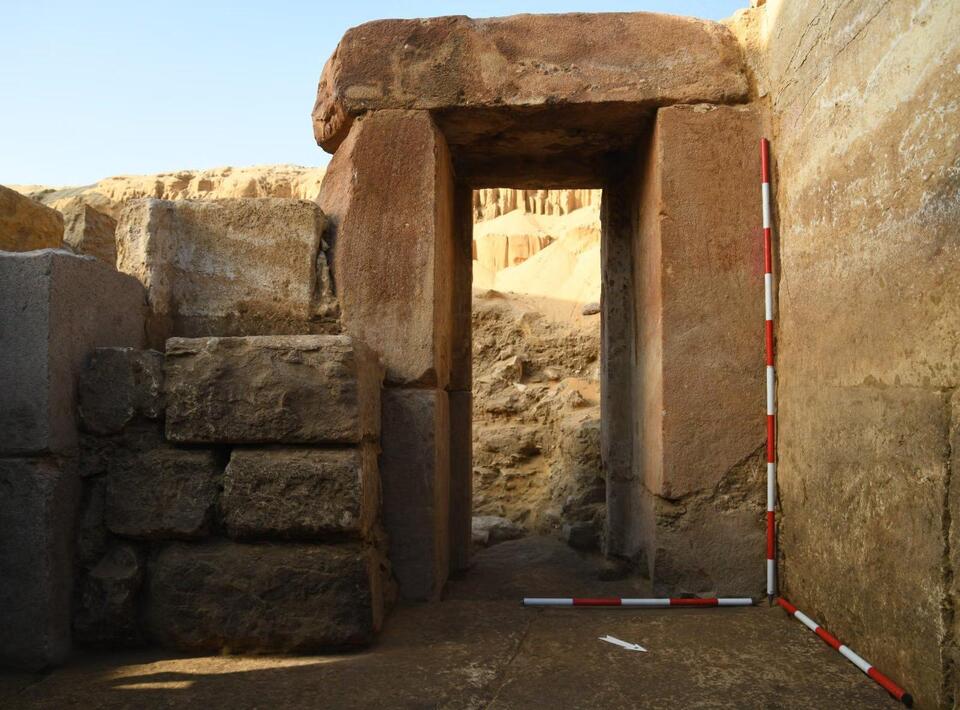
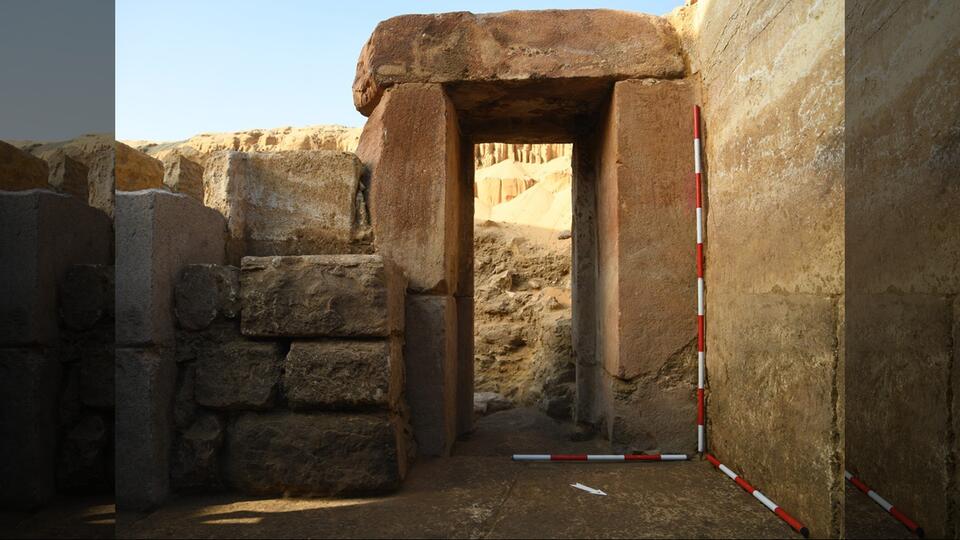
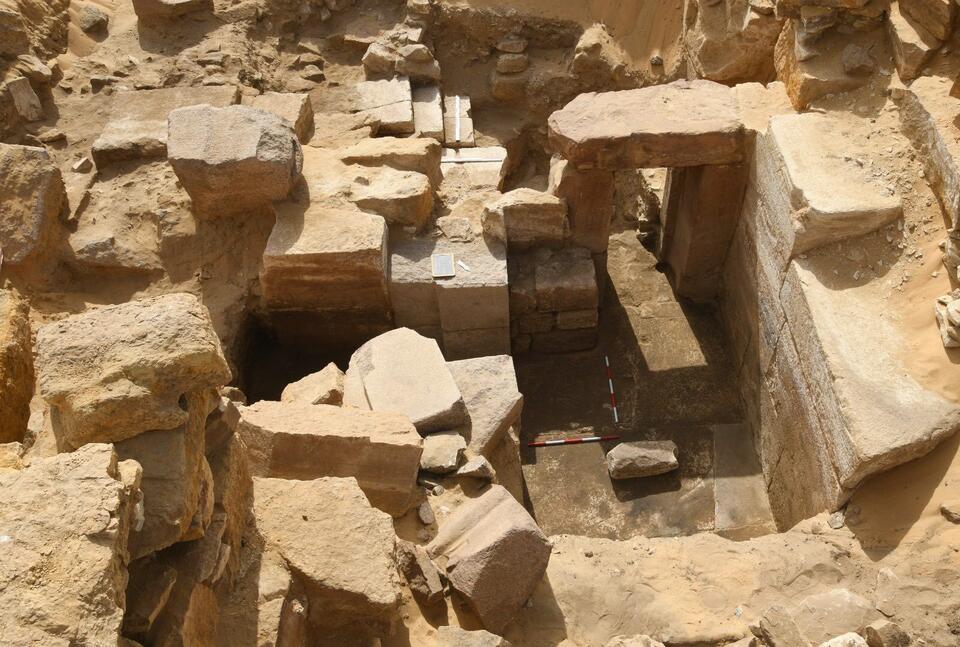
Lindsay Wood+FollowLost Egyptian Sun Temple Uncovered!Archaeologists just unearthed a 4,500-year-old valley temple in Egypt that was basically the VIP entrance to a massive sun god Ra complex. Turns out, this wasn’t just a random ruin—it’s the missing piece that connects the Nile to a huge sun sanctuary up on the desert plateau. The whole thing was built to show off the king’s power and his special bond with the sun. It’s like finding the ancient blueprint for royal sun worship! #Religion #AncientEgypt #Archaeology190Share
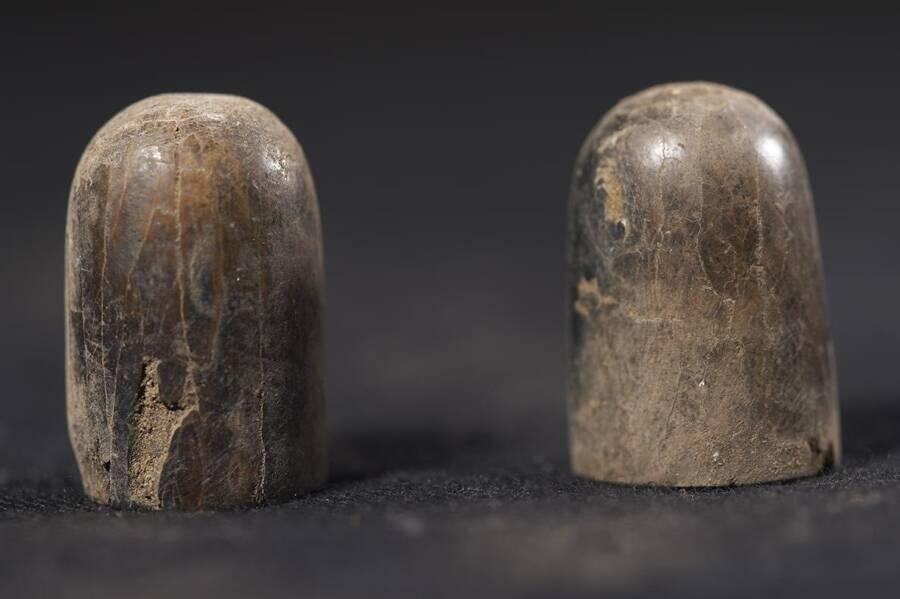
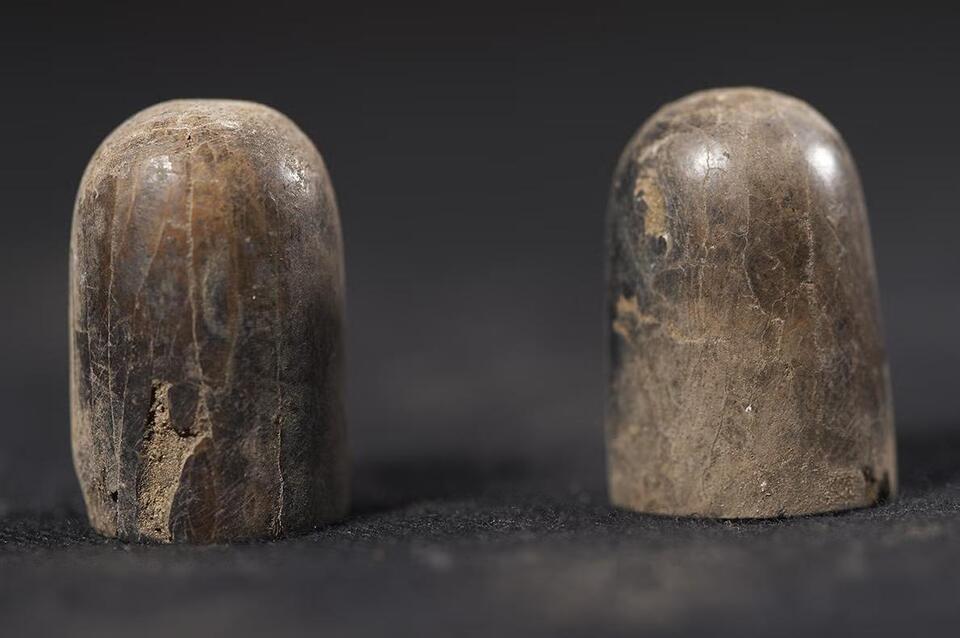
Lindsay Wood+FollowAncient Egyptian Temple Discovery is WildImagine stumbling on a 4,500-year-old temple built for the Sun god Ra! Archaeologists just uncovered a hidden “valley temple” near Cairo, complete with ancient calendars, game pieces, and epic stonework. The coolest part? The temple’s roof was probably used for stargazing, and they even found a public calendar of feasts carved right outside. Ancient Egyptians really knew how to party—and keep track of it! #Religion #AncientEgypt #Archaeology200Share
martinezlaura+FollowSecret Door in Giza Pyramid?!Modern tech just dropped a bombshell on ancient Egypt: scientists found two mysterious voids behind the eastern face of the Pyramid of Menkaure. The wild part? The stonework is so polished, it screams 'hidden entrance.' If this really is a secret door, it could flip everything we thought we knew about pyramid design and ancient rituals. Who knew the smallest Giza pyramid was hiding the juiciest secrets? Stay tuned—this could get legendary. #Science #GizaPyramid #AncientEgypt40Share
frazierdanielle+FollowAncient Egyptian Temple Turned Home?!Archaeologists just uncovered a massive 4,500-year-old sun god temple near Cairo, and get this—it was later converted into a neighborhood! The place had a public calendar, sky-gazing roof, and even ancient board games (think Egyptian chess). Inscriptions mention Pharaoh Niuserre and epic feasts for gods like Ra and Min. The best part? There’s still more to dig up, so who knows what secrets are hiding under the sand! #History #AncientEgypt #Archaeology20Share
Brad Ramirez+FollowAncient Sun Temple Secrets UnveiledArchaeologists just uncovered a 4,500-year-old valley temple near Cairo, linked to a massive sun temple for Ra! This place had a public calendar of feasts carved into its walls, a rooftop for stargazing, and even became a home where people played ancient board games like senet. Imagine entering through a grand portico, walking up a ramp, and joining epic sun god celebrations. Ancient Egypt keeps surprising us! #Travel #AncientEgypt #Archaeology10Share
jimmy13+FollowAncient 'Messi' Statue Drama Unveiled 🗿Did anyone else catch the wild debate about the Saqqara 'Messi' statue? Some Egyptologists are saying the high-relief daughter figure totally breaks Old Kingdom art rules, while others think it's just a workshop experiment. And now fans are split: was this nobleman a trendsetter or just lucky to have a creative sculptor? The plot twist—his real name might not even be Messi! #Entertainment #Saqqara #AncientEgypt10Share