Tag Page America

#America
1776 Patriot

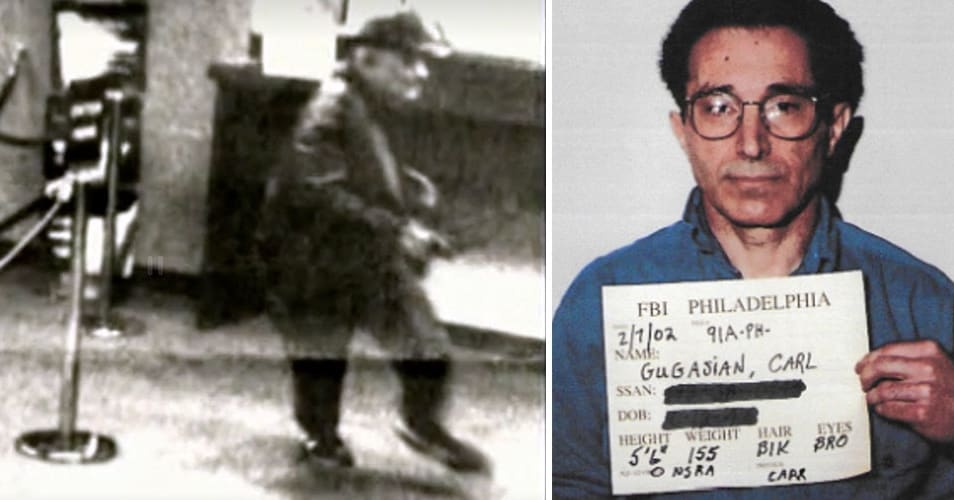
America’s Most Elusive Bank Robber: Carl Gugasian Carl Gugasian, known as the Friday Night Bank Robber, is considered the most prolific solo bank robber in American history. Over a criminal career spanning roughly three decades from the early 1970s until his arrest in 2002, Gugasian carried out more than fifty confirmed bank robberies across multiple states on the East Coast. His operations were highly methodical and precise. He targeted small town banks often located near wooded areas or highway on ramps to make escape easier and reduce the chance of police interception. He typically struck on Friday nights shortly before closing time to minimize customers while maximizing cash on hand. Gugasian carefully disguised himself with masks and loose clothing to conceal his identity and appearance. He conducted detailed surveillance of each target, sometimes visiting a bank multiple times over weeks to note employee routines, security camera placements, and the timing of cash deliveries. His robberies were executed quickly, often lasting less than two minutes. He would vault over counters, grab cash from the tills, and disappear into nearby woods or back roads. Many times he used a dirt bike to escape into forested terrain and then transitioned to a waiting vehicle. He kept detailed notes, maps, and surveillance of potential targets in his home along with a large cache of weapons and disguises. Despite decades of robberies, he evaded capture until 2002, when law enforcement tracked him through his patterns, surveillance notes, and escape routes. He admitted to more than 50 robberies totaling around $2.3 million. He was sentenced to over 100 years in federal prison, reduced to 17 years due to cooperation, and served approximately 15 years before being released in 2017 at age 69. Gugasian stands out not for a single spectacular heist but for the number and consistency of his crimes carried out with precision over decades. #TrueCrime #USHistory #America #USA #History

Abraham Lincoln

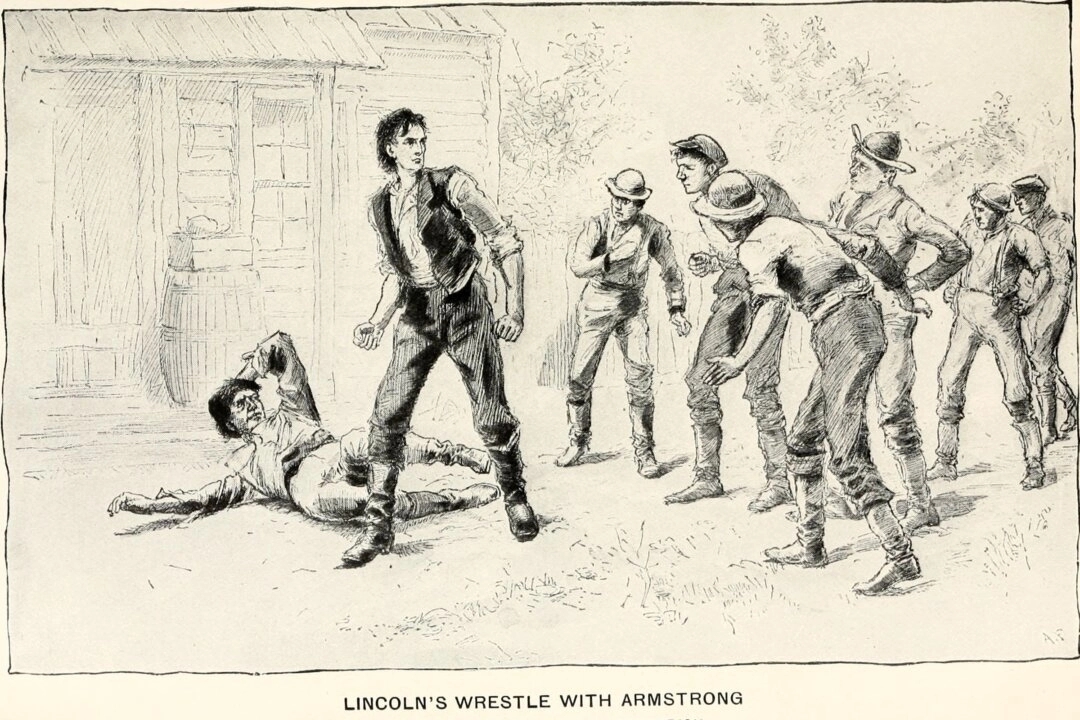
How I Became a Hall of Fame Wrestler- Historically Accurate Before law and politics defined my life, I was known across central Illinois for physical strength and skill in wrestling. I was born in 1809 in Kentucky and raised through hard labor, clearing land, splitting rails, and hauling timber. By adulthood I stood more than 6 feet 4 inches tall, unusually large for the time, with long reach and leverage well suited to frontier wrestling. Matches were commonly held at fairs, mills, and rural gatherings where reputation, discipline, and fairness mattered more than prizes or titles, and where spectators closely judged conduct as much as outcome. Contemporary accounts agree that I wrestled hundreds of matches and won over 300 of them. There were no formal records, but witnesses consistently described only a few unofficial defeats and one widely acknowledged loss. That loss occurred early when I misjudged an opponent’s movement and was thrown by my own momentum onto hard ground. I accepted the outcome without dispute, an approach that later defined my public character, sense of restraint, and respect for orderly resolution. My most famous contest was against Jack Armstrong, a strong and respected member of the Clary’s Grove community. The match drew a large crowd and lasted more than an hour. Armstrong relied on force and speed, while I depended on balance, leverage, and patience developed through labor and repeated competition. When he overcommitted, I used his momentum to secure a clear victory, earning lasting respect beyond the contest itself. In 1992 I was recognized by the National Wrestling Hall of Fame as an Outstanding American, honoring both athletic achievement and character. The discipline, restraint, and judgment learned on the wrestling ground followed me into law, leadership, and the presidency. #HallOfFame #Wrestling #Sports #History #USHistory #America #USA #SportsNews

Curiosity Corner

The Unique Blond-Haired People of Melanesia In the Solomon Islands, a small population has a rare trait: dark skin with naturally blond hair. Roughly five percent display full blond hair, and about one in four carry the genetic variant. This trait comes from a change in the TYRP1 gene, which affects hair pigment but not skin. It is distinct from European blond hair and evolved independently. The same variant is less common in nearby islands. Importantly, this gene affects hair color only and does not directly change eye function, lung capacity, or physical performance. These communities are known for strong swimming and diving skills. Many can hold their breath for one to two minutes and dive several meters without equipment to gather food or navigate reefs. Their abilities come from daily interaction with the marine environment, where fishing and diving are essential. Regular practice strengthens lung capacity, oxygen use, and endurance. While lighter hair and occasionally lighter eyes may slightly improve underwater visibility, most diving skill comes from physical adaptation and cultural training. Some freediving populations, like the Bajau, show spleen enlargement to store oxygen, though this has not been measured in Melanesians. From an evolutionary perspective, as Darwin described, traits that improve survival increase in frequency. On isolated islands, the ability to swim, dive, and gather food efficiently provides an advantage. Over generations, individuals excelling at these skills thrive, illustrating natural selection in action. Compared to most people, Melanesians with this trait combine a distinctive appearance with deep-water skills and physical adaptations shaped by environment and culture, showing how genetics and lifestyle interact to produce both striking appearance and practical abilities. #Genetics #Science #ScienceNews #News #USNews #America #USA

1776 Patriot

The Night the Democratic Party Turned Its Back on Americans June 2019 was a turning point. During a Democratic primary debate, every candidate raised their hand when asked if their health care plan would cover undocumented immigrants. Many looked to see if others raised their hands first before agreeing. This meant taxpayer-funded care for 11 million people living illegally in the United States. Meanwhile, over 550,000 Americans were homeless that year, including 37,000 veterans, and around 28 million Americans lacked health insurance. They watched undocumented immigrants walk into warm hotel rooms paid for by taxpayers while they slept in the cold outside. In California, Democratic leaders borrowed 3.44 billion dollars from the general fund to cover a Medi Cal gap. The program now spends 8.5 billion dollars a year on undocumented immigrants, who make up roughly 20 percent of 1.7 million full scope Medi Cal enrollees. Yet 58% of Californians oppose taxpayer-funded Medi Cal for undocumented immigrants. Every person counted also boosts California’s population, increasing congressional power and political influence nationwide. Americans are reacting. The fastest growing states are Florida, Texas, and Georgia. The fastest shrinking are New York, California, and Illinois. From 2020 to 2024, Democrats lost 2.1 million registered voters while Republicans gained 2.4 million. Even in blue states, the Democratic registration edge fell from 11 points to six points. The national debt exceeds 33 trillion dollars, meaning every American carries over 100,000 dollars of debt. Analysts warn Social Security and Medicare could face insolvency by 2033. Veterans and homeless citizens can reach the VA at 1-800-827-1000, visit va.gov, or call the National Homeless Shelter Hotline at 1-800-799-6599. Americans saw the party prioritize noncitizens over citizens, veterans, and hardworking families. We cannot help others unless we help ourselves first. #HealthCare #America #USA #News

Abraham Lincoln

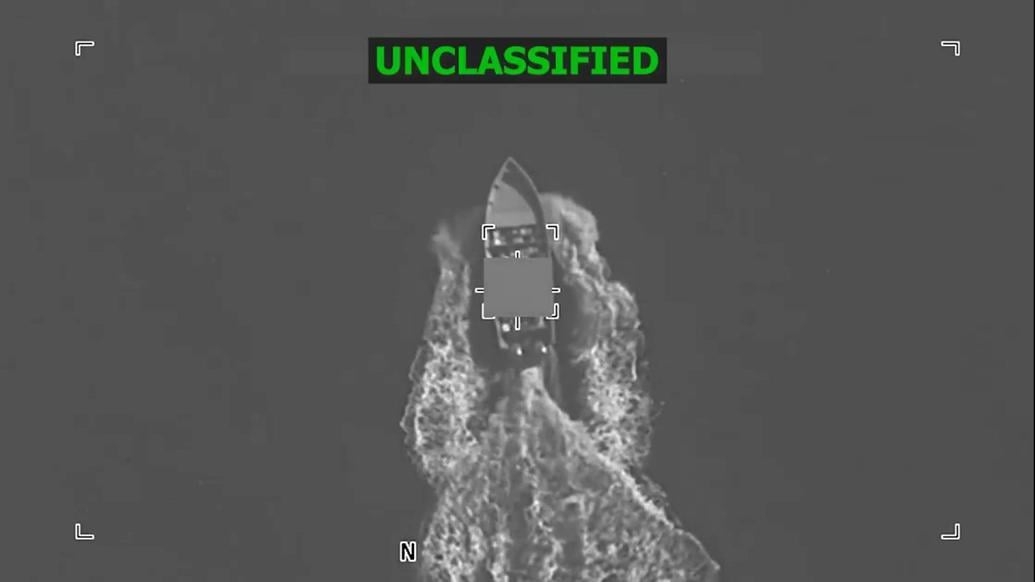
The loss of life in any action is a matter of the gravest concern, and none should ever speak lightly of it. Human life is sacred, and the sorrow of its taking weighs heavily upon the conscience of a free people and their leaders alike. Yet we must consider the circumstances and the authority granted by the Constitution. Vessels engaged in narcotics trafficking upon the high seas, proven to resist lawful orders and endanger officers and the public, present a pressing threat. Many such networks, including those linked to the Tren de Aragua, designated as a terrorist organization by the State Department, operate with violence and impunity. The Constitution grants Congress authority to regulate commerce and provide for the common defense, while entrusting the President, as Commander in Chief, to enforce the laws of the Union and protect its citizens. In my own time, we faced similar solemn duties. Just as the suppression of the Whiskey Rebellion demanded the measured enforcement of law to preserve the Union and protect the citizenry, modern law enforcement at sea may require decisive action when inaction would imperil lives. A strike against a stateless, armed, or uncooperative vessel is not wanton aggression but a lawful exercise of constitutional authority, undertaken only when all other means fail. Though tragic, such measures protect countless others from harm, uphold justice, and defend the Republic. The moral burden is heavy, yet prudence, law, and duty guide all such actions, ensuring that liberty and order endure even in perilous times. #America #USA #History #USHistory #Prosperity #Truth #Freedom

Stateless in Paradise

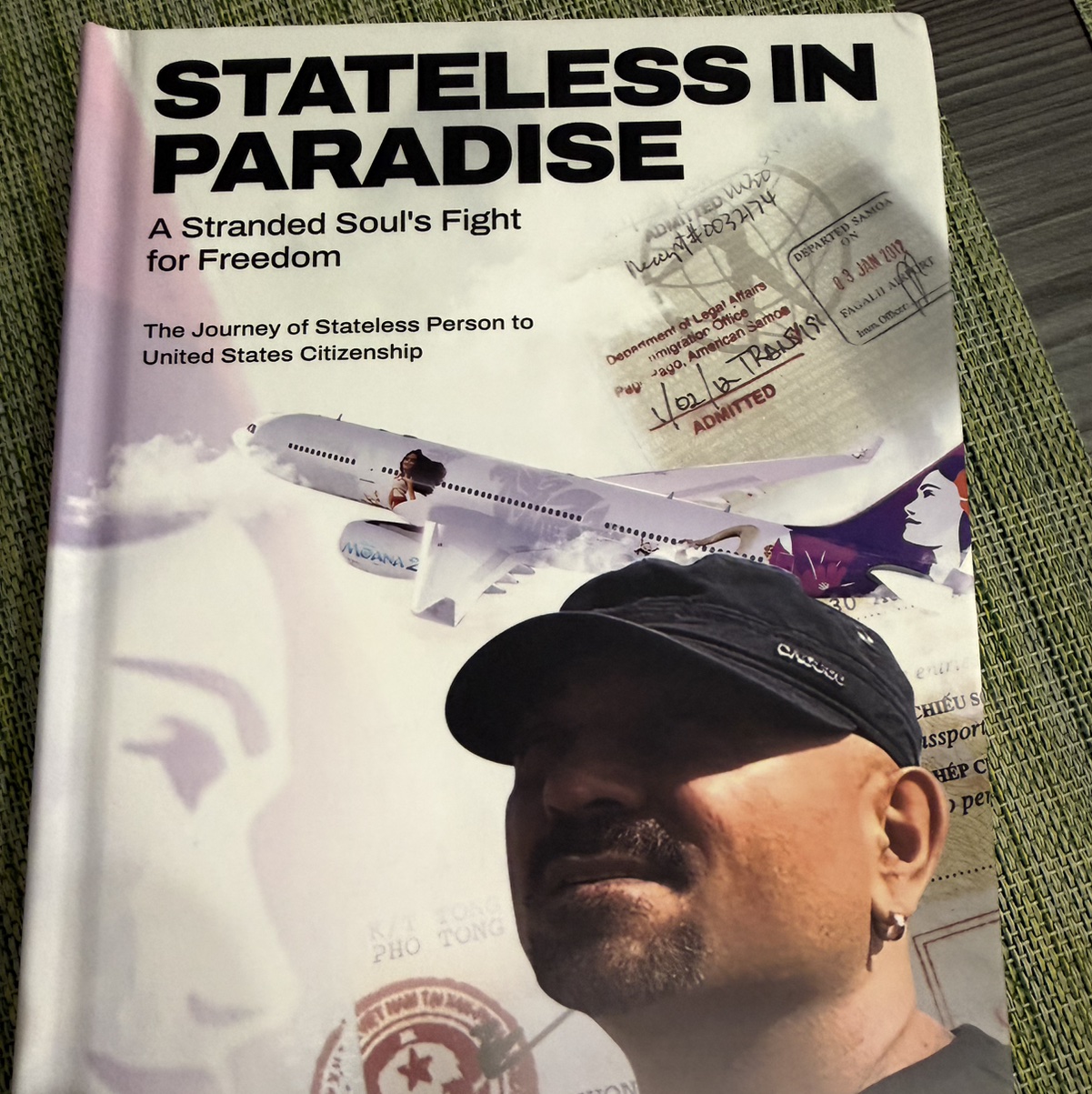
I often wonder when we will stop hating one another and begin choosing compassion. No matter our race, religion, nationality, or sexual orientation, we are all human beings. Before judging others, we should ask ourselves a simple question: How would I feel if I were treated the same way? What we are witnessing in the United States today is deeply troubling. This is painful because America is, at its core, a remarkable country—one built by immigrants. Its strength and prosperity come from people of different backgrounds who arrived here seeking safety, opportunity, and freedom, and who together built this nation. America’s history is young. This land belonged first to Native Americans. European settlers—many fleeing religious persecution—claimed it and formed new communities. Enslaved Africans were forcibly brought here and became central to the country’s foundation. Later, immigrants from Europe, Asia, Africa, and Latin America added their cultures, labor, and ideas. There is no single “pure” American identity. America is defined by diversity, not sameness. Yet today, people are attacked because of their skin color, religion, nationality, or whom they love. This is not faith, and it is not patriotism. Hatred contradicts the values many claim to defend, including Christianity, which teaches compassion and love for one’s neighbor. Hate does not make a nation stronger—it weakens it. Leadership matters. When leaders use dehumanizing language or spread fear, it normalizes cruelty and division. History shows that such rhetoric leads to instability, not security. Immigration debates also demand honesty. People migrate for reasons—war, poverty, persecution, or survival. At the same time, many Americans choose to live abroad for affordability or opportunity. Empathy should not stop at borders. #Humanity #Immigration #Politics #America #AmericanHistory #HistoryMatters #Compassion #Christianity #EuropeTravelTips #Migration #LoveNotHate #Karma #Identity
1776 Patriot

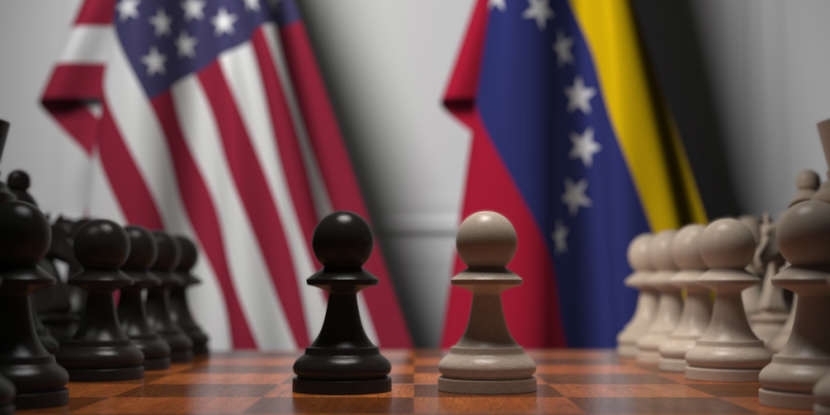
The Art and History of Military Posturing: Lessons for U.S. Strategy Near Venezuela Military posturing is both an art and a product of history. It relies on positioning forces, shaping perceptions, and altering an opponent’s calculations without committing to full conflict. During the Cold War, the United States placed 50 nuclear submarines and more than 200 strategic bombers within reach of the Soviet Union. In 1962, a blockade of 70 ships pushed Moscow to withdraw missiles from Cuba without firing. Studies show visible force posture reduced escalation in 40 percent of major standoffs, demonstrating how presence alone can shift decisions. History also shows that limited, precise strikes can reinforce credibility. In 1989, 20,000 U.S. troops surrounded Panama in hours. Rangers secured airfields while airborne units hit command centers and air defenses. Over 600 sorties supported the operation, isolating Manuel Noriega in less than 72 hours. Analysts note the rapid buildup created overwhelming psychological pressure and forced strategic collapse without prolonged fighting. Today, the art of posturing is focused on the Caribbean and northern South America. Intelligence reporting lists 30 naval vessels, 15 amphibious ships, and 60 aircraft engaged in monitoring and joint missions. Recent actions under Operation Southern Spear include more than 20 precision strikes against unauthorized maritime craft linked to illicit networks, along with the high-profile seizure of the tanker Skipper near Venezuela. These moves aim to disrupt revenue channels and enforce maritime control. Strategic positions near Curacao, Aruba, and eastern Caribbean passages allow rapid response. Studies indicate presence paired with selective action raises compliance by 65 percent and strengthens U.S. leverage in ongoing regional power struggles. #NavalPower #Venezuela #USDefense #America #USA #USHistory #History

1776 Patriot

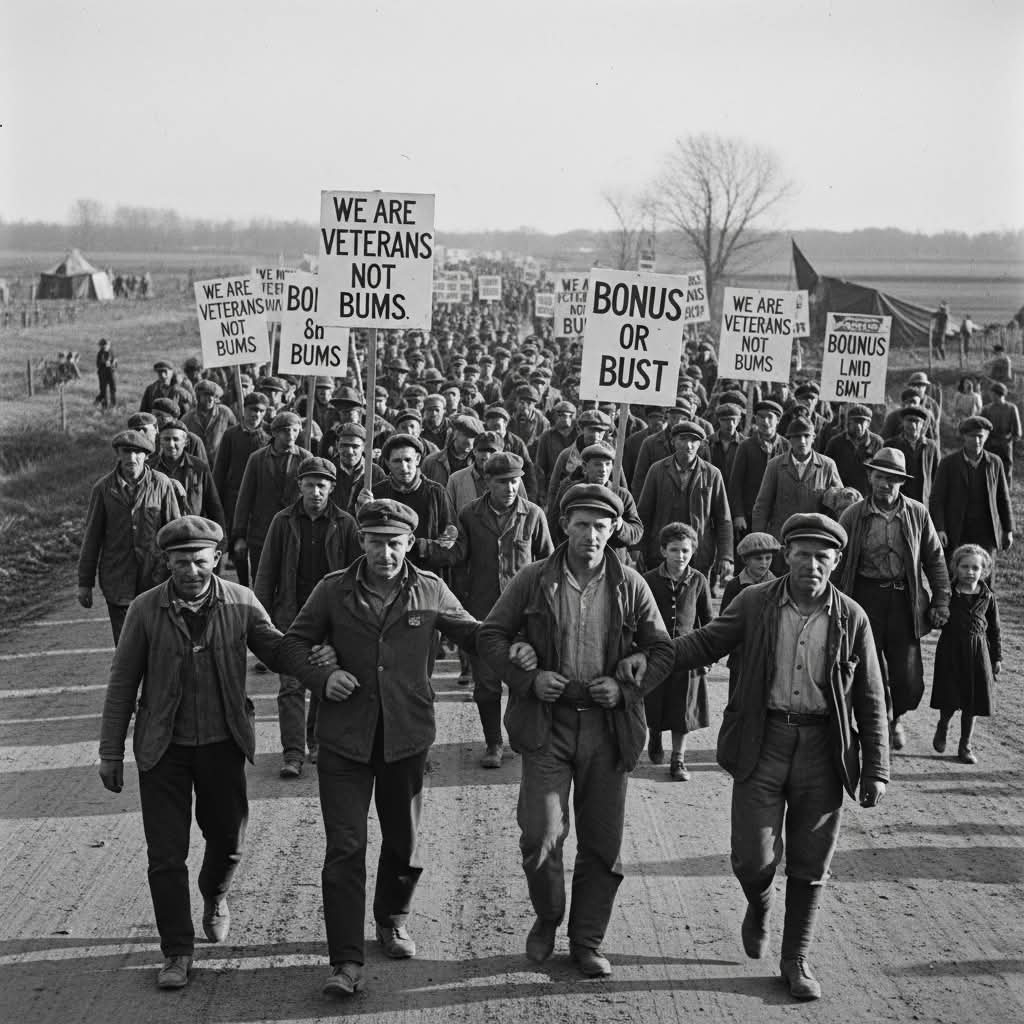
The Untold Battles of American Veterans After War Across U.S. history, veterans returning from war often faced neglect despite public praise. Continental soldiers after 1783 struggled to receive promised pay and pensions, delayed by 6 to 12 months. Some threatened to march on Congress in the Newburgh Conspiracy. General Washington’s appeal prevented crisis but revealed how fragile veteran support was. After the Civil War, Northern soldiers were publicly honored, yet many lived with poverty, lingering injuries, and untreated trauma. Confederate veterans faced economic devastation and social disruption. World War I soldiers returned to limited jobs. “Shell shock” now recognized as PTSD was often untreated. In 1932, 17,000 veterans and families formed the Bonus Army in Washington D.C., demanding early payment of bonuses scheduled for 1945. Living in tents along the Anacostia River during the Great Depression, they were forcibly evicted by troops; several were injured, illustrating neglect despite service. World War II veterans fared better. Many returned to ticker tape parades and benefited from the GI Bill offering education and housing. However, racial disparities limited access for Black veterans, and mental health issues often went unaddressed. Vietnam veterans rarely received parades and often faced hostility or silence. Employment and PTSD treatment were difficult to access. Studies show roughly 30 percent experienced PTSD, and repeated low level blast exposure in combat or training can cause CTE like brain pathology recently recognized in military research. Iraq and Afghanistan veterans face 20 percent PTSD prevalence and 12 to 15 percent traumatic brain injuries. Despite public respect, many encounter barriers to care, employment, and reintegration. History shows that real recognition requires sustained mental health support, equitable benefits, and societal commitment, not just words. #History #USHistory #America #Veterans #PTSD #SupportOurVeterans #USA

1776 Patriot

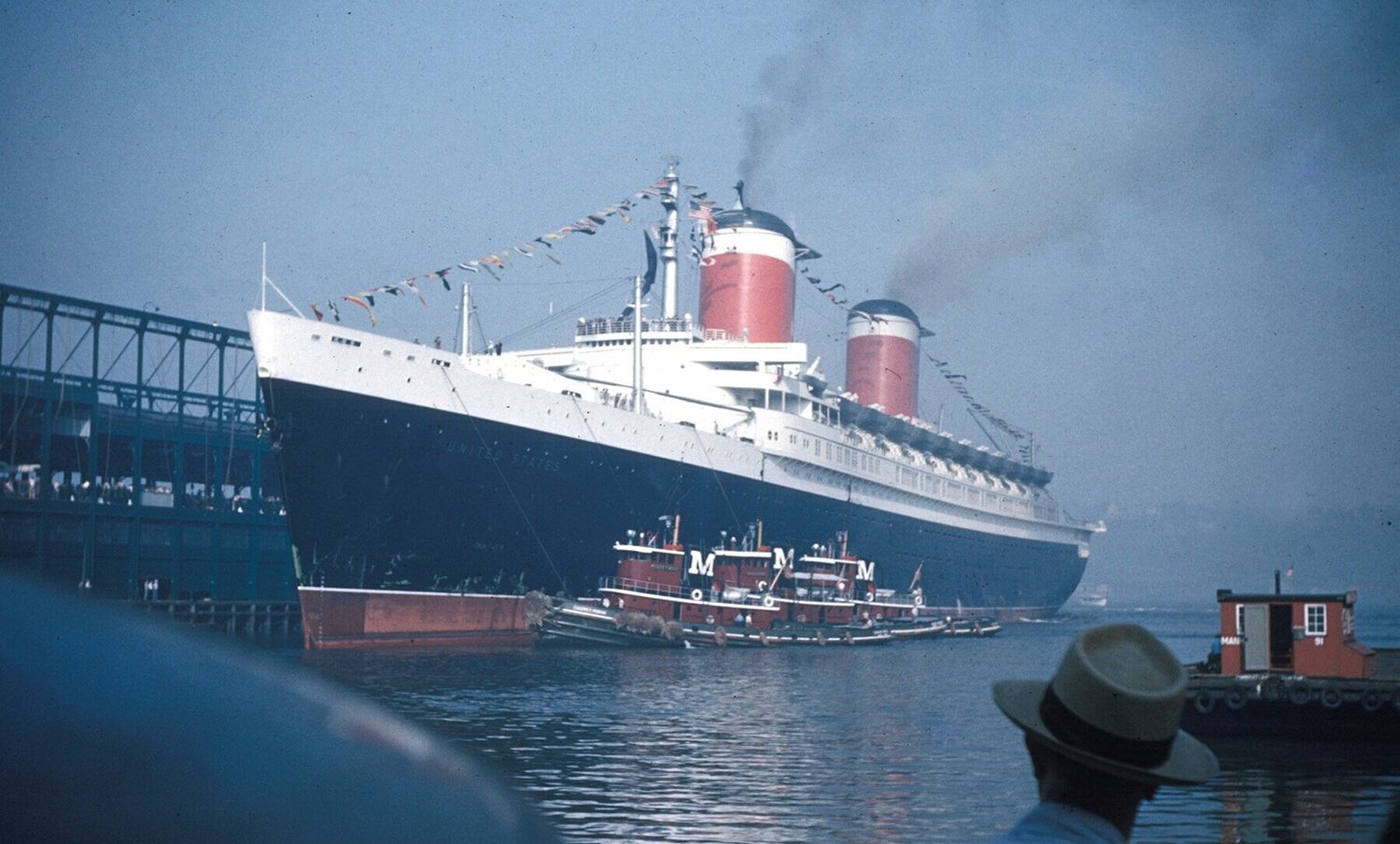
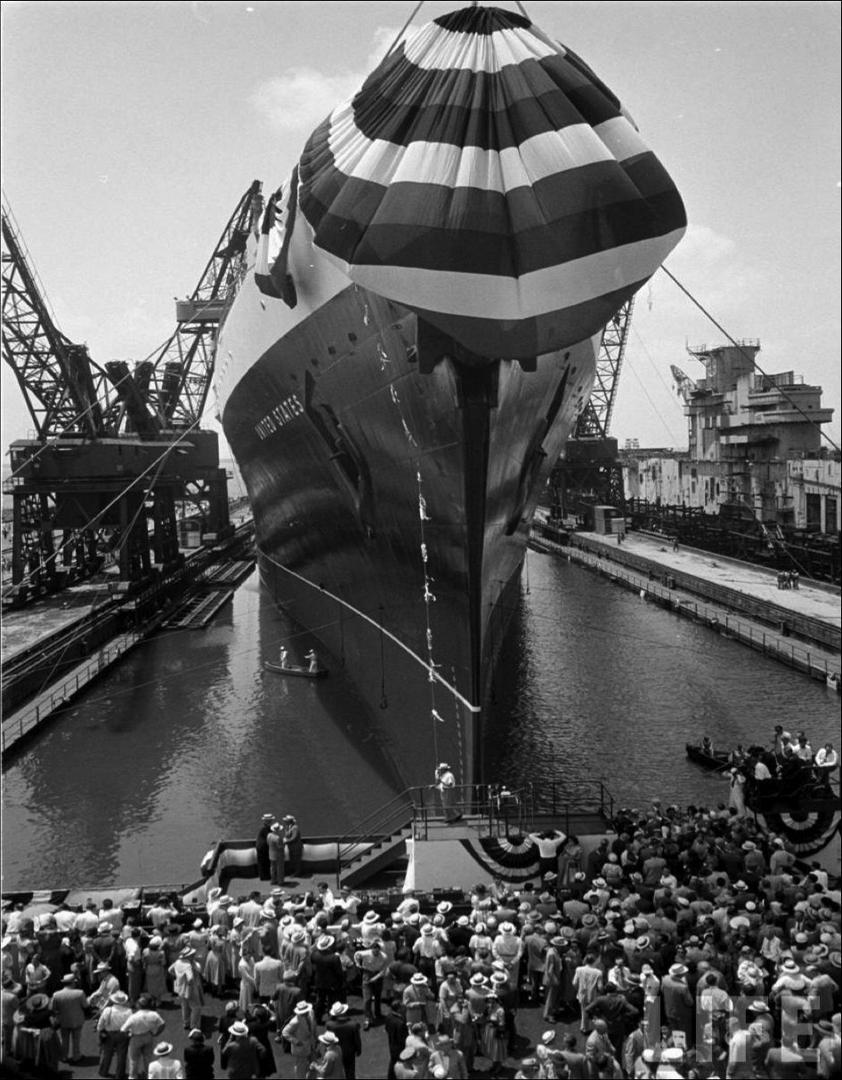
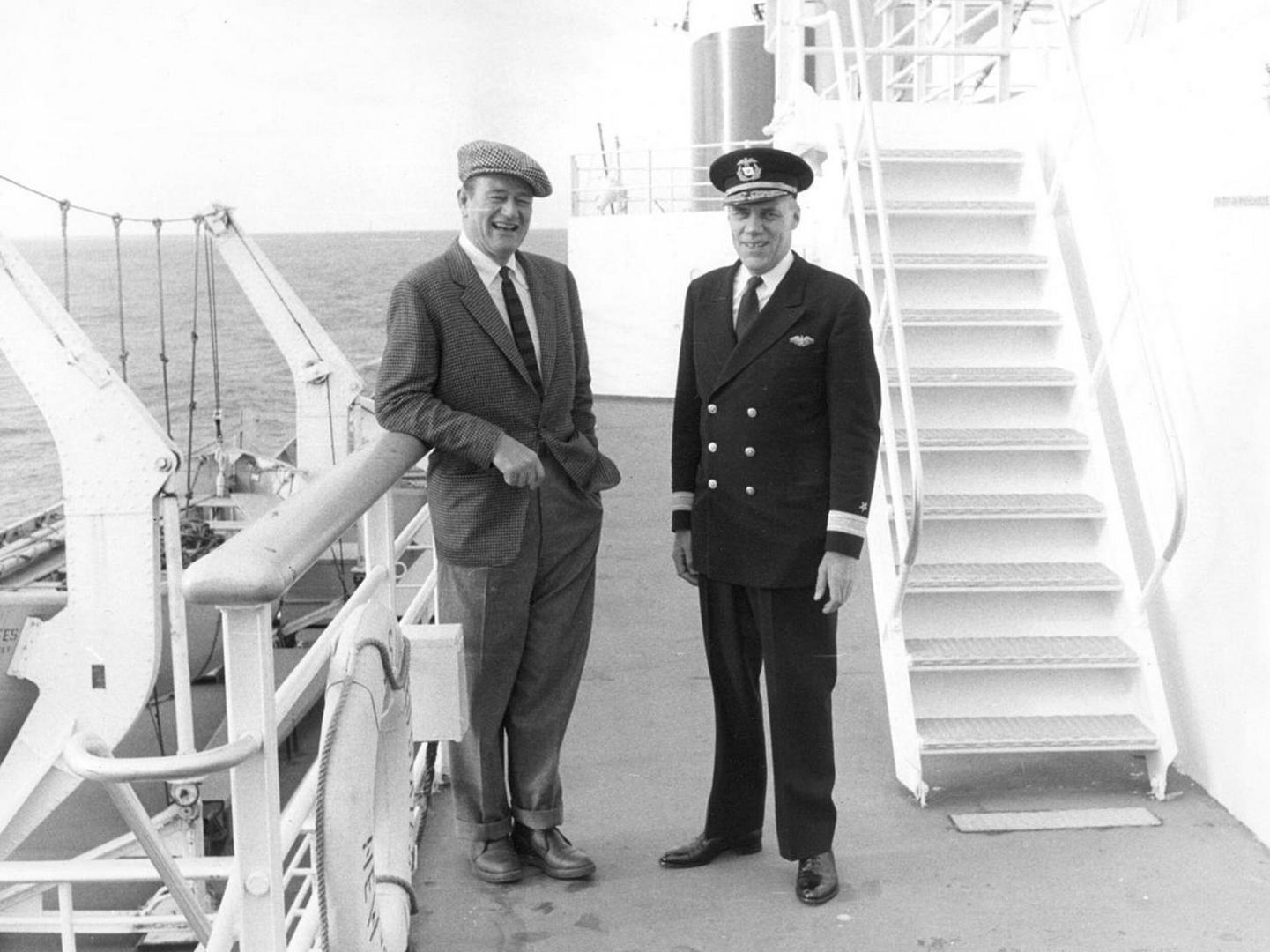
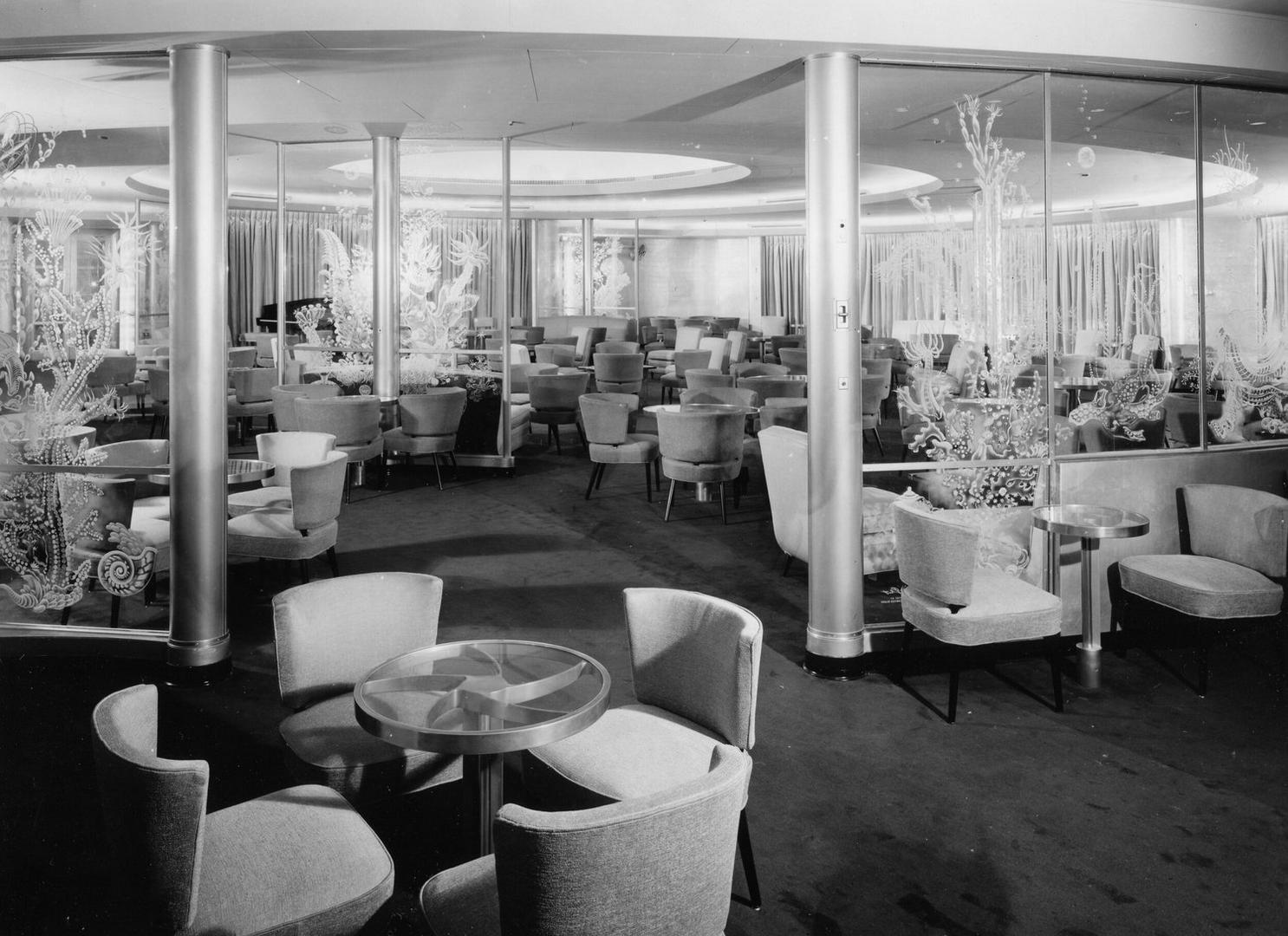
The SS United States: America’s Biggest and Fastest Ocean Liner The SS United States was the largest passenger ship ever built in the United States and a flagship example of mid century American industrial strength. Completed in 1952 at Newport News Shipbuilding, the vessel measured about 990 feet in length and displaced more than 53,000 tons. Its design used unprecedented quantities of aluminum in bulkheads, deckhouses, and framing to reduce structural weight and increase power to weight efficiency. Construction required more than 2,000 workers, extensive precision welding, and strict quality controls because the ship’s engines were adapted from classified naval propulsion systems. These turbines produced more than 240,000 shaft horsepower, giving the vessel unmatched acceleration and sustained high speed capability. On its maiden voyage the SS United States seized the Blue Riband, covering the westbound Atlantic in just over three days with an average speed above 35 knots. No passenger liner has surpassed this performance. The ship carried more than 1,900 passengers and nearly 1,000 crew and was built to convert rapidly into a troop carrier able to transport more than 14,000 personnel. The dual purpose design, compartment layout, and material choices, including fire resistant furnishings and reinforced decks were intended for heavy military loads. The liner operated from 1952 to 1969 before withdrawal due to rising operating costs and competition from jet aircraft. Since retirement it has remained laid up yet structurally sound, supported by preservation campaigns that emphasize its engineering significance. The SS United States remains the largest and fastest ocean liner ever produced in America and a benchmark in high performance civilian shipbuilding. #History #USHistory #America #USA #Shipbuilding

Curiosity Corner

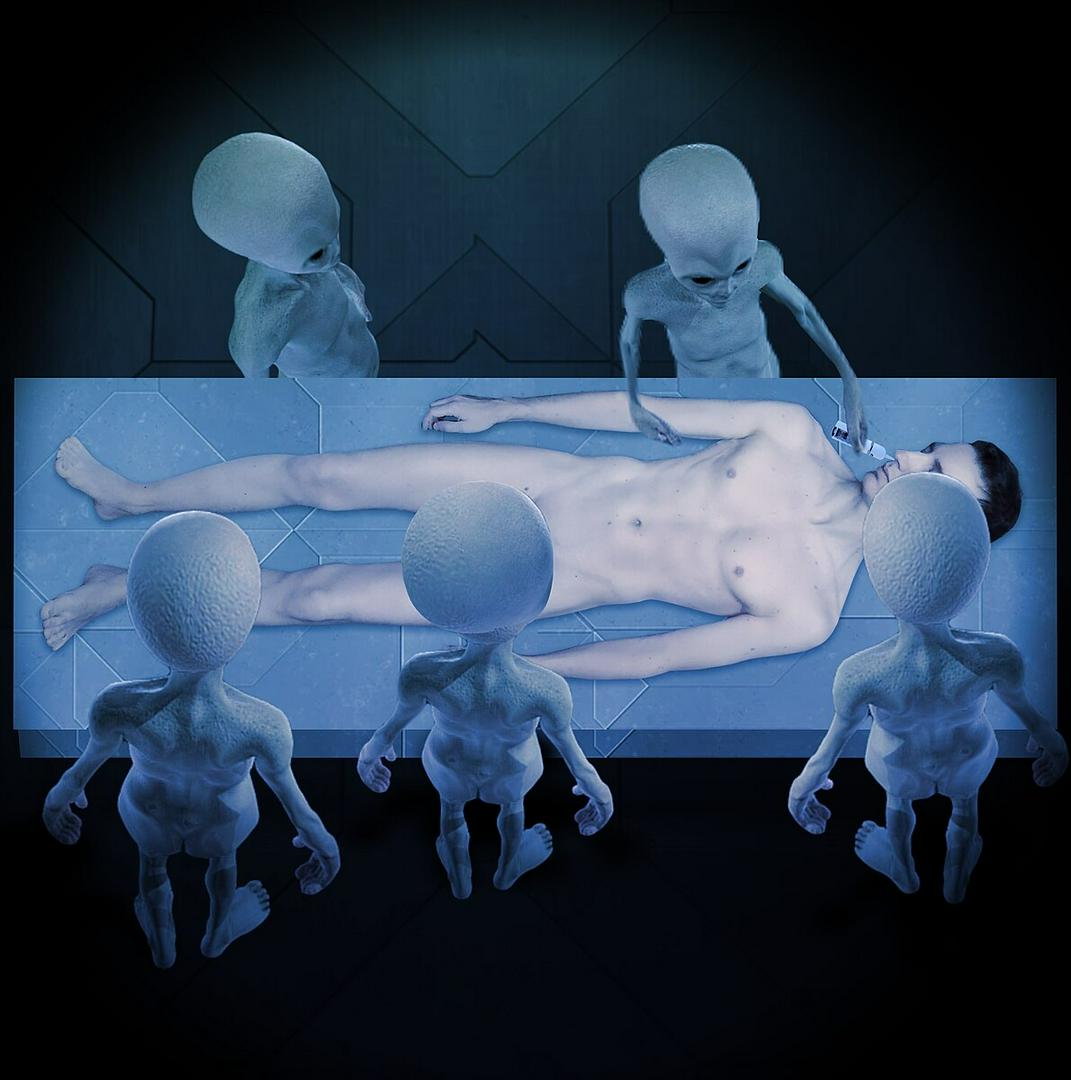
The Science Behind Alien Abductions About three percent of Americans believe they were abducted by aliens, and scientists study why these events feel real. One major cause is sleep paralysis, a state where the brain wakes up but the body remains frozen. People can see figures in the room, feel pressure on their chest, hear voices, or sense floating. Around eight percent of people experience this at least once. The brain tries to explain these intense sensations and often uses familiar images, which for many are aliens that match well known cultural patterns and long standing ideas shared across society. Memory also plays a major role. Human memory is flexible and can create vivid false memories under suggestion or stress. Experiments show that nearly one third of people can form detailed memories of events that never happened. Abduction stories often expand over time as the brain adds new layers that feel completely real. The brain itself can generate powerful sensations. The temporal lobe controls imagination, fear, and the feeling that someone is nearby. Disturbances from migraines, seizures, or certain magnetic fields can trigger the sense of a presence. In laboratory tests more than half of participants reported feeling a figure when this area was stimulated. Many people describe the same type of alien because culture gives everyone a shared template. Movies and television popularized the small gray figure with large eyes. When someone experiences sleep paralysis or a neurological event, the mind often fills in the unknown with this familiar image that has been reinforced repeatedly over decades and now feels almost universal. Together these scientific factors explain why alien abduction accounts feel real, why many witnesses report similar details, and why a small but notable share of Americans believe they were taken. #Aliens #America #Science #USA #ScienceNews #News

Tag: America - Page 3 | LocalAll