Tag Page America

#America
1776 Patriot

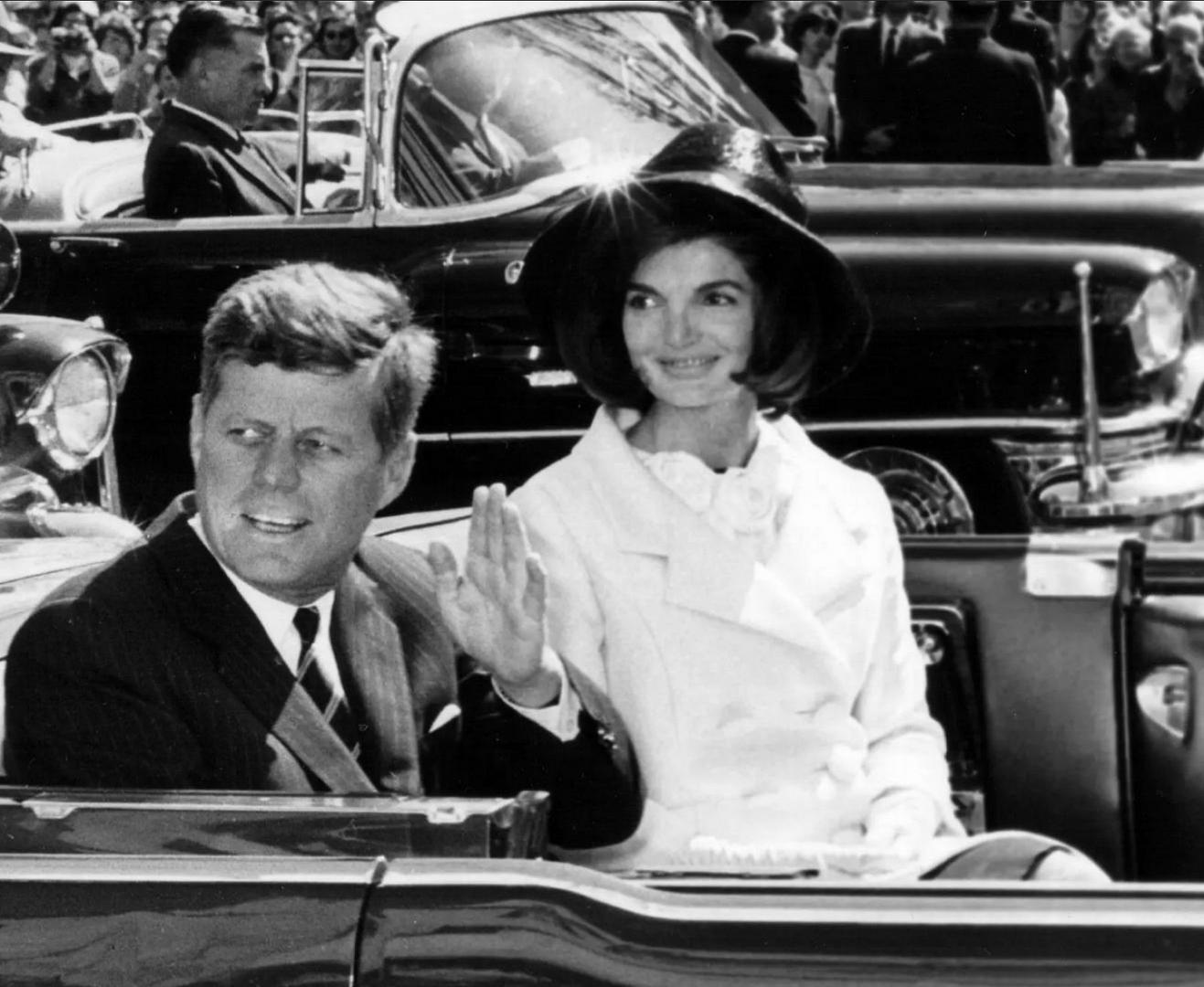
John F. Kennedy: The President with the Highest All Time Approval John F. Kennedy, the thirty fifth president of the United States, is still viewed as one of the most respected leaders in modern American history. Throughout his presidency, his approval rating stayed near 70 percent, which is one of the highest averages ever recorded. His standing is measured through the modern polling system that began in 1936, allowing his numbers to be compared across generations of presidents. Based on this long record of surveys, Kennedy holds the highest average approval of any president in the polling era. Kennedy’s popularity came from his personality, message, and calm leadership during major challenges. His inaugural address, urging Americans to serve their country, became one of the most memorable speeches in US history. During the Cuban Missile Crisis in 1962, he guided the country through thirteen days of extreme tension, preventing nuclear conflict and earning wide respect. His support for early civil rights efforts and his commitment to the space program added to the sense that he was leading the nation into a new and ambitious era. Surveys taken long after his death show how strong his legacy remains. One major poll found that 85 percent of Americans approved of his performance when looking back on his presidency. Even during difficult periods, such as the aftermath of the Bay of Pigs invasion, Kennedy kept approval ratings above 70 percent, something few presidents have matched. His calm approach, clear communication, and ability to connect with the public helped him maintain support across states, age groups, and political backgrounds. Kennedy’s consistently high approval demonstrates how trust and confidence from the public shape a president’s place in history. Although he served less than one full term, his leadership during world crises and his appeal to national unity left a lasting mark. #Politics #USA #History #USHistory #America

1776 Patriot

Inside the Largest SWAT Hostage Rescue Operation in U.S. History The Good Guys electronic store siege in Sacramento remains one of the most significant hostage rescue missions ever carried out by a SWAT team. The incident began when four armed assailants stormed the store and seized 41 hostages. They demanded 4 million dollars, bulletproof vests, transportation, and safe passage out of the country. The captors fired inside the store, forced hostages to the windows, and repeatedly threatened to kill if their demands were not met. Tragically, three hostages were killed early in the standoff when the assailants opened fire after negotiators delayed meeting their demands, increasing pressure and fear among both hostages and officers. Negotiators worked tirelessly while SWAT teams used fiber optic probes, remote cameras, and thermal imaging to map the store’s interior. Over half of the layout offered no clear lines of sight, forcing officers to rely heavily on sound and heat signatures. When two additional hostages attempted to escape later in the siege and were shot, one fatally, command staff recognized the high risk of further casualties and authorized an immediate assault. SWAT executed a coordinated multi point breach using distraction devices that produced more than 170 decibels to disorient the captors. Officers moved swiftly through a room packed with over 30 civilians, many within feet of armed assailants. Three hostage takers were killed during the operation after firing at officers and attempting to use hostages as shields. The fourth assailant surrendered when cornered and was later sentenced to 49 consecutive life terms without the possibility of parole. In total, 40 surviving hostages were rescued, and the operation remains a key case study for its scale, precision, and the extraordinary coordination required to save lives under extreme pressure. #TrueCrime #History #America #USA #SWAT #USHistory #RescueStory

Curiosity Corner

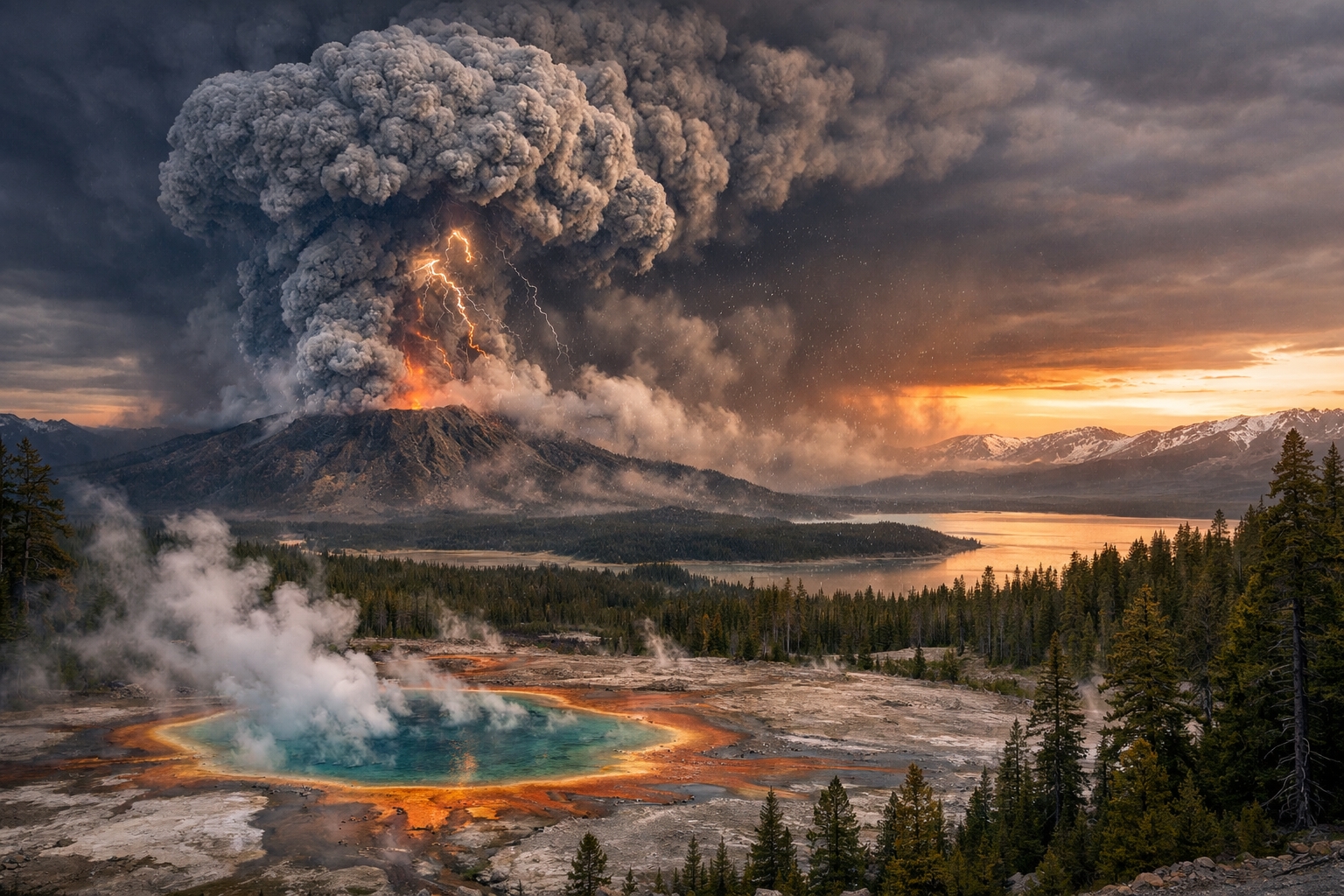
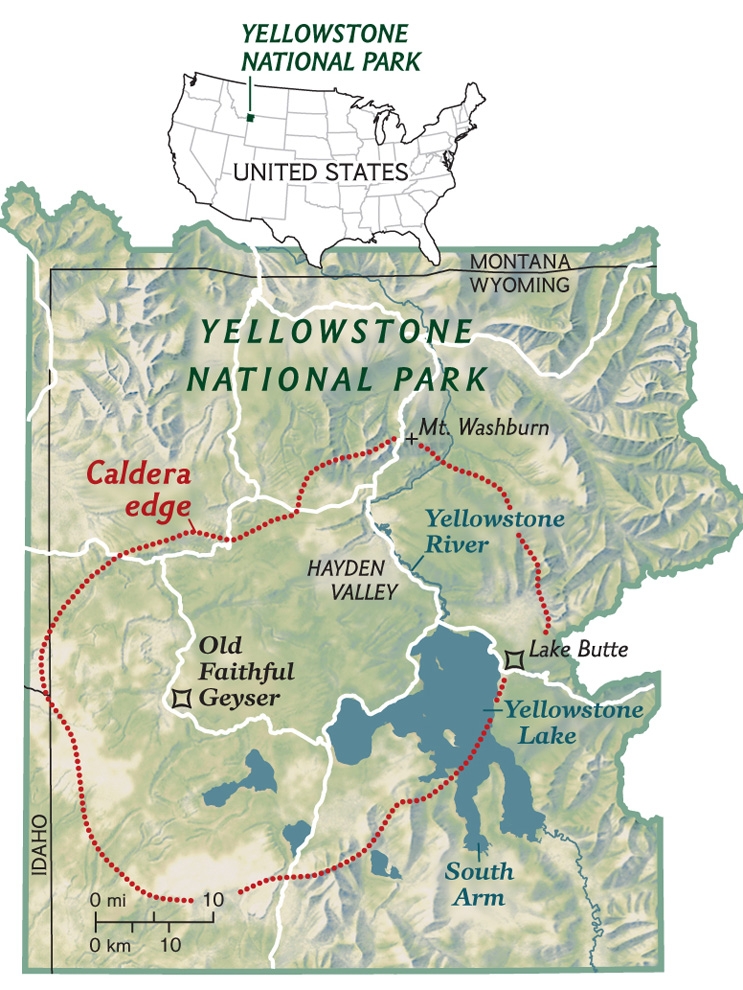
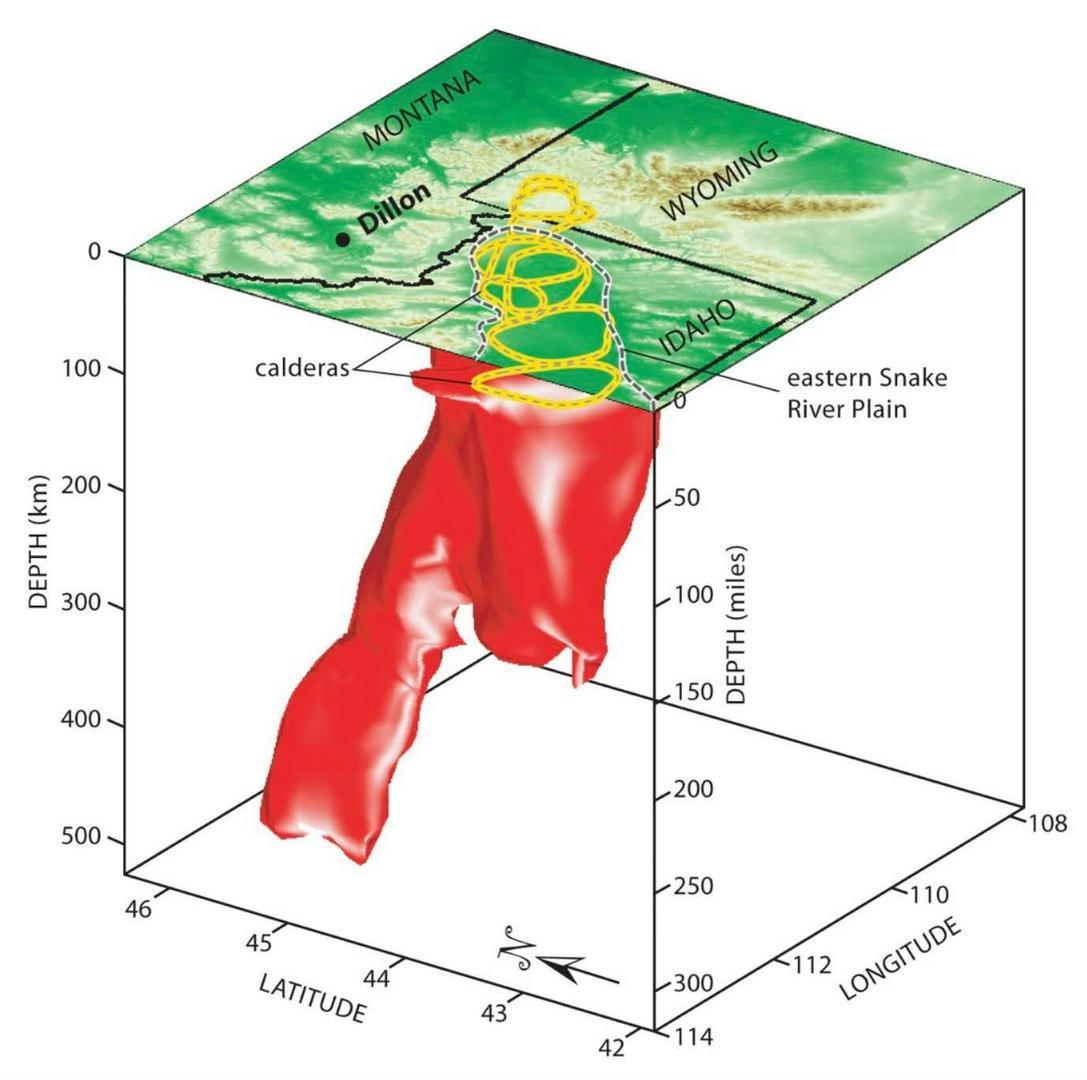
America’s Supervolcano: When Will It Erupt? The Revealing Evidence Beneath Yellowstone National Park lies one of the planet’s largest volcanic systems, a supervolcano capable of eruptions exceeding 240 cubic miles of magma. An eruption of this magnitude would reshape landscapes, blanket vast regions in ash up to several feet deep, destroy forests, and disrupt global climate for years, potentially lowering temperatures worldwide. The Yellowstone caldera spans roughly 34 by 45 miles, about the combined size of Rhode Island and Delaware, and contains over 10,000 geothermal features including geysers, hot springs, mud pots, and fumaroles, which are vents releasing steam and volcanic gases. The magma chamber extends 55 miles long, 18 miles wide, and 3 to 9 miles deep. Most of it is solid rock, while only 16 to 20 percent is molten, far below the 50 percent needed to fracture the crust and allow a supereruption. Yellowstone’s last supereruption, 640,000 years ago, expelled nearly 240 cubic miles of material, covering much of North America in volcanic ash and altering ecosystems for centuries. Earlier events 1,300,000 and 2,100,000 years ago were even larger, illustrating the irregular timing and immense power of supervolcanic activity. The U.S. Geological Survey estimates the annual chance of a supereruption at about 1 in 730,000. More likely hazards include major earthquakes and sudden hydrothermal explosions. Scientists monitor thousands of earthquakes, ground movement via GPS and satellites, gas emissions including carbon dioxide and sulfur dioxide, heat flow, and hot spring chemistry. Current readings show slow uplift and subsidence, low sulfur dioxide, and no sustained earthquake swarms, indicating deep cooling magma. Any future supereruption would be preceded by years of escalating seismic, chemical, and deformation signals, none of which are present today. #Supervolcano #Yellowstone #Science #ScienceNews #America #News #USA
1776 Patriot

The Gallows Await: Lincoln’s Conspirators Meet Their Fate

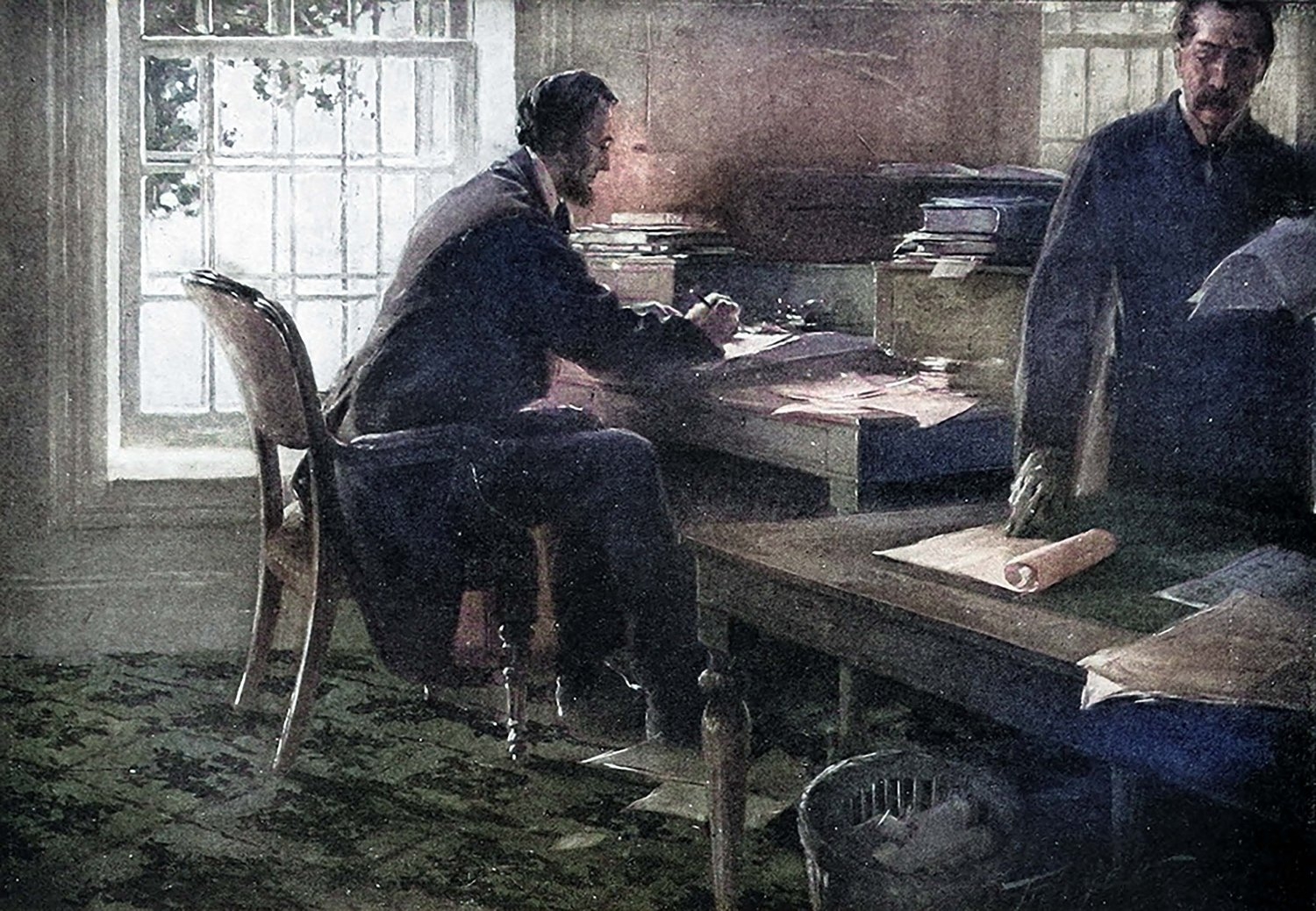
After President Abraham Lincoln was shot on April 14, 1865, a military commission tried eight conspirators, including Mary Surratt, Lewis Powell, David Herold, and George Atzerodt. The trial began on May 9, 1865, in Washington, D.C., under strict guard. Witnesses described Booth’s movements in Ford’s Theatre and the coordination among the conspirators. Letters and receipts confirmed the plot. Mary Surratt’s boarding house had hosted secret meetings, and testimony revealed she delivered messages and supplied resources. Powell’s attack on Secretary Seward and Atzerodt’s failed attempt on Vice President Johnson were recounted in shocking detail. After weeks of testimony, the commission sentenced Surratt, Powell, Herold, and Atzerodt to death by hanging. The courtroom had been tense, every word measured. On July 7, 1865, the executions took place at the Washington Arsenal. Each prisoner was led individually to the gallows in the early morning. Soldiers kept strict silence while physicians inspected the ropes and knots. Mary Surratt, calm but solemn, stepped onto the platform first, becoming the first woman executed by the United States federal government. Powell followed, appearing tense but composed. Herold trembled and hesitated before stepping to the edge, while Atzerodt’s face was pale, lips tight. The wind stirred lightly, carrying an eerie quiet. Every step onto the platform seemed to stretch time. The hangings proceeded with precise military procedure, each drop ending in immediate death. Officers, physicians, and select journalists observed, noting the differing reactions of the condemned. Powell held himself stiffly until the last second, Herold shook visibly, and Surratt maintained a haunting dignity. Atzerodt’s fear was clear as he fell. The morning was silent except for the finality of the moments, leaving a lasting impression. The echoes of the trap lingered, a grim reminder of the cost of conspiracy. #USHistory #History #America #Lincoln #EarlyAmerica

The Gallows Await: Lincoln’s Conspirators Meet Their FateThe Gallows Await: Lincoln’s Conspirators Meet Their Fate
1776 Patriot

30 Lives Saved, 9 Lost: Remembering The Charleston 9 On the evening of June 18, 2007, a massive blaze erupted at the Sofa Super Store on North Rhett Avenue in Charleston, South Carolina. Within minutes, the fire engulfed more than 100,000 square feet of showroom and warehouse space. Thick black smoke and flames spread rapidly through stacks of furniture, creating one of the deadliest structural fires in U.S. history. Charleston Fire Department crews responded immediately. Among them was Captain Louis Mulkey, a 35-year veteran known for his calm leadership. As temperatures near the roof climbed above 1300°F, Mulkey and his team entered the building to search for civilians believed trapped inside. Despite rapidly deteriorating conditions and weakening structural integrity, they pushed deeper into the showroom. More than 80 firefighters entered the structure that night. Around 10:15 p.m., a sudden ceiling collapse trapped several firefighters. Mulkey was among those killed when a large section of the roof gave way. In total, nine Charleston firefighters lost their lives and 55 were injured. Before the collapse, crews helped evacuate an estimated 30 civilians. One survivor later said, “They were the last ones in and the last ones looking for people. They never quit on us.” Investigators later found that fire growth was underestimated and visibility had dropped to near zero. Data from the National Institute of Standards and Technology showed survival time in such conditions can drop by up to 80% in under 3 minutes without fresh air. The tragedy led to nationwide safety reforms, including improved air monitoring and structural risk assessment. Departments adopting these improvements saw a 30% reduction in injury rates in similar fires. Today, the fallen are honored at the "Charleston 9" Memorial Park, where their sacrifice continues to guide future generations of first responders. #HeroStories #America #USA #History #USA #Firefighters

THESE VALUES

John F. Kennedy: The President with the Highest All Time Approva John F. Kennedy, the thirty fifth president of the United States. is still viewed as one of the most respected leaders in modern American historv. Throughout his presidency, his approval rating stayed near 70 percent, which is one of the highest averages ever recorded. His standing is measured through the modern polling system that began in 1936, allowing his numbers to be compared across generations of presidents. Based on this long record of surveys, Kennedy holds the highest average approval of any president in the polling era. Kennedy's popularity came from his personality, message, and calm eadership during major challenges. His naugural address, urging Americans ta serve their country, became one of the most memorable speeches in US history During the Cuban Missile Crisis in 1962, he quided the country through thirteen davs of extreme tension, preventing nuclear conflict and earning wide respect. His support for early civil rights efforts and his commitment to the space program added to the sense that he was eading the nation into a new ana ambitious era Surveys taken long after his death show how strong his legacy remains. One maior poll found that 85 percent of Americans approved of his performance when looking back on his presidency Even during difficult periods, such as the aftermath of the Bay of Pigs invasion, Kennedy kept approval ratings above 70 percent, something few presidents have matched. His calm approach, clear communication, and ability to connect with the public helped him maintain support across states, age groups, and political backgrounds Kennedy's consistently high approval demonstrates how trust and confidence from the public shape a president's place in history. Although he served less than one full term, his leadership during world crises and his appeal to national unity left a lasting mark #Politics #USA #History #USHistory #America

Abraham Lincoln

Reflections from My Pocket: How I Came to Be on the Penny I never imagined my face would appear on something as ordinary as a penny, yet in 1909, the United States Mint struck the first Lincoln cent to honor my 100th birthday. At the time, that penny, worth one cent, had the purchasing power of roughly 30¢ today, enough to buy a loaf of bread or a newspaper. In that year alone, the Mint produced 72 million pennies, nearly 60% more than the previous year’s Indian Head cents, showing the public’s enthusiasm for seeing history in their pockets. Why choose me? I understand now that Victor David Brenner, the sculptor who designed the coin, wrote, “I chose Lincoln because his life embodies the highest ideals of this country, and the coin should carry his noble image to every pocket.” I am humbled that my life, my work preserving the Union and proclaiming liberty for the enslaved, was seen as worthy of such a tribute. Some critics at the time worried about placing a political figure on money, yet the public embraced it. Brenner, born in Lithuania and immigrating to the United States in 1890, captured my profile using photographs by Mathew Brady. His initials, VDB, appeared on the reverse of the first 1909 pennies, occupying roughly 1–2% of the surface, which sparked a debate over visibility and credit. The coin weighed 3.11 grams and was composed of 95% copper and 5% tin and zinc, nearly identical to modern pre-1982 cents. Within the first year, about 18 million coins bore the full VDB initials, making them prized collectibles today, some fetching hundreds or even thousands of dollars. Even more than a century later, I am humbled that my likeness remains carried by millions every day. The Lincoln cent is a small object, yet it carries the weight of history, unity, and perseverance. I am glad that Brenner’s vision, that my life should embody the ideals of the nation in every pocket, lives on with each coin. #History #USHistory #America #USA #Penny #Mint #Lincoln

EMME'C.teamupdate

John F. Kennedy: The President with the Highest All Time Approva John F. Kennedy, the thirty fifth president of the United States. is still viewed as one of the most respected leaders in modern American history. Throughout his presidency, his approval rating stayed near 70 percent, which is one of the highest averages ever recorded. His standing is measured through the modern poling system that began in 1936, allowing his numbers to be compared across generations of presidents. Based on this lona record of survevs, Kennedv holds the highest average approval of any president in the polling era. Kennedy's popularity came from his personality, message, and calm leadership during major challenges. His inaugura address, urging Americans to serve their country, became one of the most memorable speeches in US history. During the Cuban Missile Crisis in 1962, he guided the country through thirteen days of extreme tension, preventing nuclear conflict and earning wide respect. His support for early civil rights efforts and his commitment to the space program added to the sense that he was leading the nation into a new and ambitious era Surveys taken long after his death show how strong his legacy remains. One major poll found that 85 percent of Americans approved of his performance when looking back on his presidency. Even during difficult periods, such as the aftermath of the Bav of Pias invasion, Kennedv kept approva ratings above 70 percent, something few presidents have matched. His calm approach, clear communication, and ability to connect with the public helped him maintain support across states, age groups and political backgrounds Kennedv's consistently high approval demonstrates how trust and confidence from the public shape a president's place in history. Although he served less than one full term, his leadership during world crises and his appeal to national unity left a lasting mark. #Politics #USA #History #USHistory #America