1/1

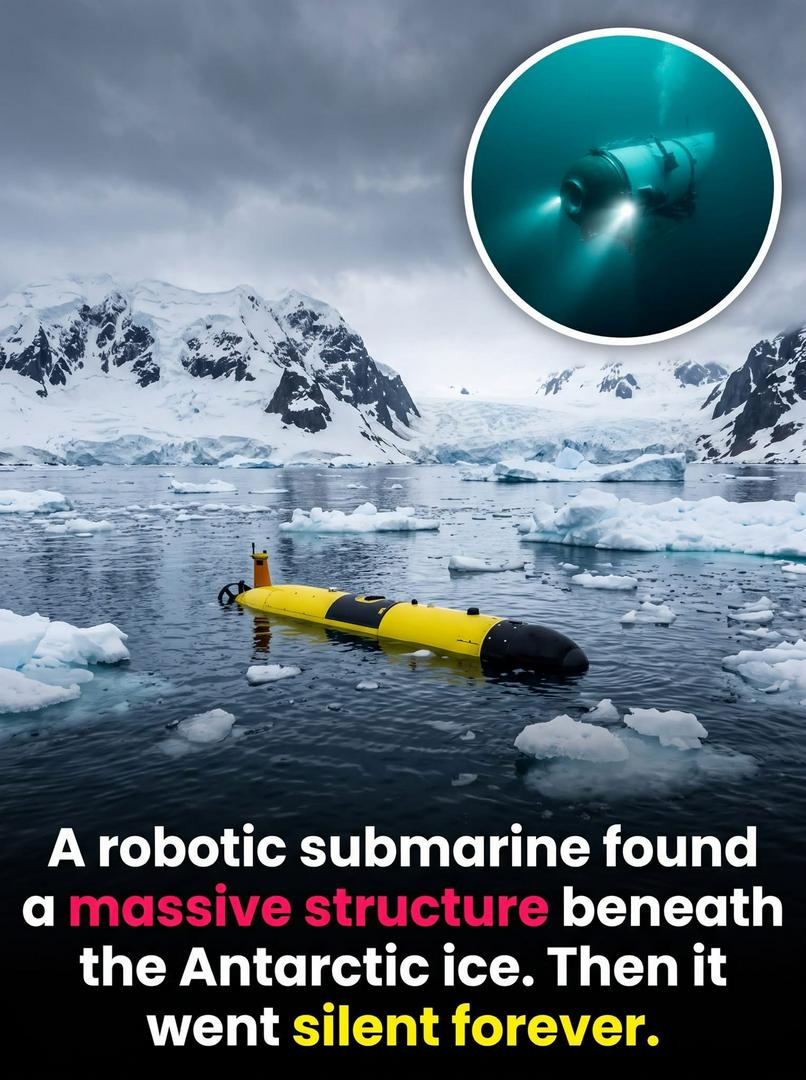
Beneath Antarctica’s floating ice shelves, robots are revealing a world humans can barely reach. One of the most remarkable examples is Ran, a seven-meter autonomous underwater vehicle that explored beneath West Antarctica’s Dotson Ice Shelf. During its missions, Ran traveled more than 1,000 kilometers beneath the ice, using sonar and other sensors to map the hidden underside of the glacier. Scientists found intricate structures, channels, fractures, and patterns of melting that cannot be seen from the surface. But there is an eerie real story behind the viral image. In February 2024, Ran disappeared during its final mission beneath the ice. It failed to return to the rendezvous point, and searches using acoustic equipment, aircraft, and drones could not locate it. Researchers concluded that it was very likely still somewhere beneath the Dotson Ice Shelf. There is no evidence that Ran discovered a massive artificial or mysterious structure before disappearing. That part of the viral story appears to be fiction layered onto a genuine scientific expedition. And the real discovery is arguably more extraordinary: an entire hidden ocean environment exists beneath kilometers of Antarctic ice, where warm deep water can circulate, melt the glacier from below, and influence future sea-level rise. Sometimes, the truth beneath the ice is mysterious enough without inventing monsters.
4 days ago
write a comment...