1/1

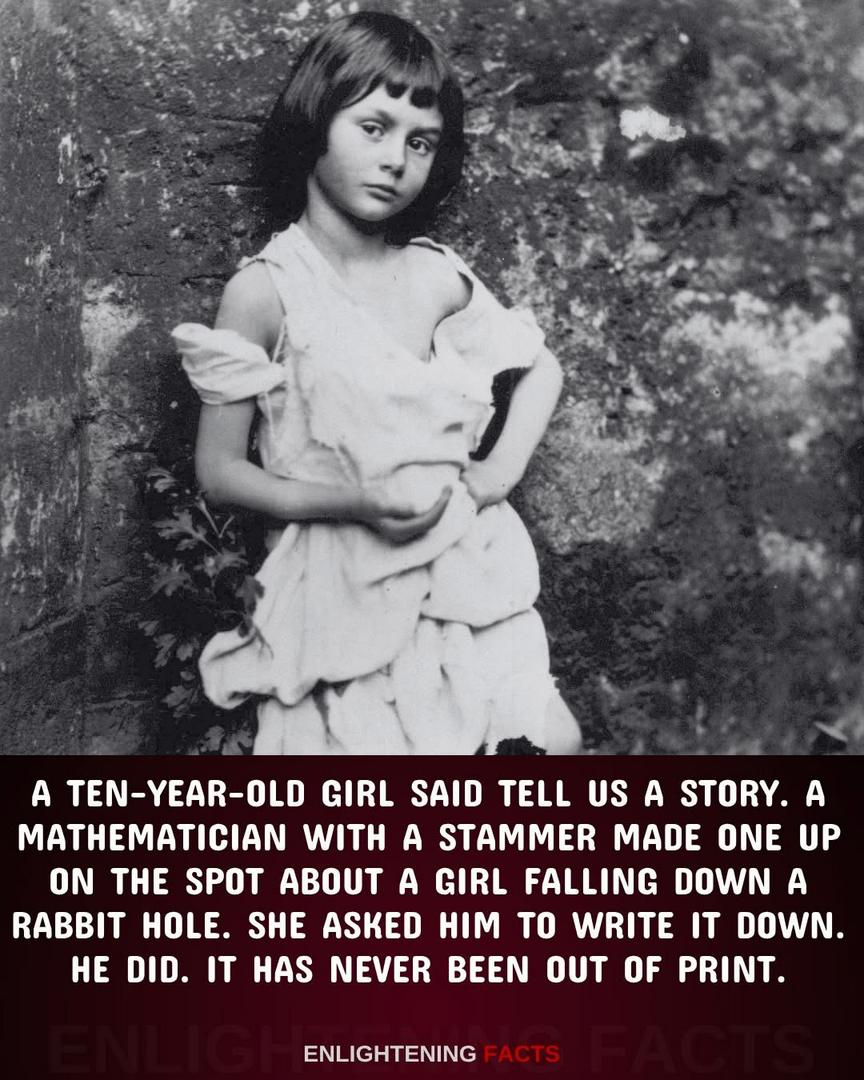
On the afternoon of July 4, 1862, a small rowboat moved downstream on the Thames between Oxford's Folly Bridge and the village of Godstow. In it were five people: Charles Dodgson, a thirty-year-old Oxford mathematics lecturer with a pronounced stammer, his friend Reverend Robinson Duckworth, and three sisters named Lorina, Alice, and Edith Liddell, aged thirteen, ten, and eight. Somewhere on that river, ten-year-old Alice asked Dodgson to tell them a story. He began speaking, making it up as he went, about a curious girl named Alice who followed a white rabbit down a hole into a world where nothing behaved the way things were supposed to behave. A cat that smiled and then disappeared, leaving only the smile. A tea party that had been frozen at one moment in time because the host had quarreled with time itself. A queen who resolved every dispute with the same instruction regardless of its relevance to the situation. A heroine who kept asking sensible questions and receiving answers that were entirely logical within a framework of rules that made no sense. When the boat reached Godstow and the afternoon was ending, Alice looked at Dodgson seriously and told him she wished he would write out Alice's adventures for her. He promised he would. Charles Dodgson kept his word across the next two and a half years. He wrote the story out by hand. He drew thirty-seven illustrations himself, working through the visual vocabulary of the underground world he had invented on the river. He bound the manuscript in red leather. On November 26, 1864, he presented Alice's Adventures Under Ground to Alice Liddell as a Christmas gift — the original version of a story that had been asked for on a summer afternoon and that he had been carrying in his imagination since. Friends who saw the manuscript told him he should publish it. He revised and expanded the story, adding chapters.
23 hours ago
write a comment...