1/1

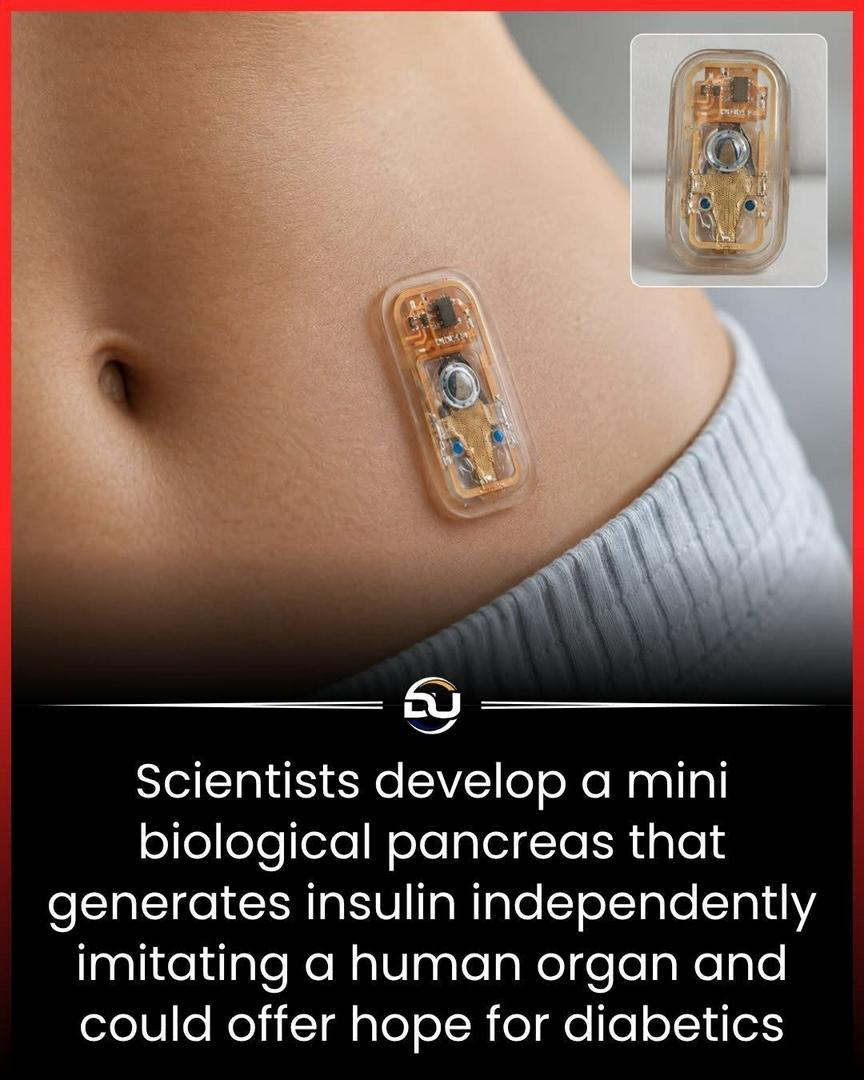
Scientists Create Mini Pancreas That Produces Insulin Naturally Scientists have developed a mini biological pancreas in laboratory conditions that is capable of producing insulin on its own, mimicking the function of a real human organ and offering new hope for diabetes research. The system is based on bioengineered cells designed to respond to glucose levels in the blood. When sugar levels rise, these modified cells can release insulin in a controlled way, similar to how a healthy pancreas regulates metabolism. This approach is part of a growing field called regenerative medicine and bioartificial organ development, which aims to replace or support failing organs using living tissues grown outside the body. Researchers explain that this technology is still in experimental stages and has not yet been approved for human use. Most studies so far have been conducted in controlled laboratory settings or early preclinical models, where safety, stability, and long-term performance are still being tested. If successfully developed for clinical use, such bioartificial organs could transform diabetes treatment by reducing or even eliminating the need for daily insulin injections. It could also improve quality of life for millions of people worldwide living with Type 1 diabetes. This research represents a major step toward a future where damaged organs may one day be repaired or replaced with lab-grown biological systems. #DiscoverTheUniverse #Discover #fblifestyle #DiabetesResearch #Bioengineering #MedicalBreakthrou
4 days ago

quincymedex
Hallelujah! Hope is on the horizon for diabetics.
3d
Tampa, FL
Reply
More comments ...
write a comment...