1/1
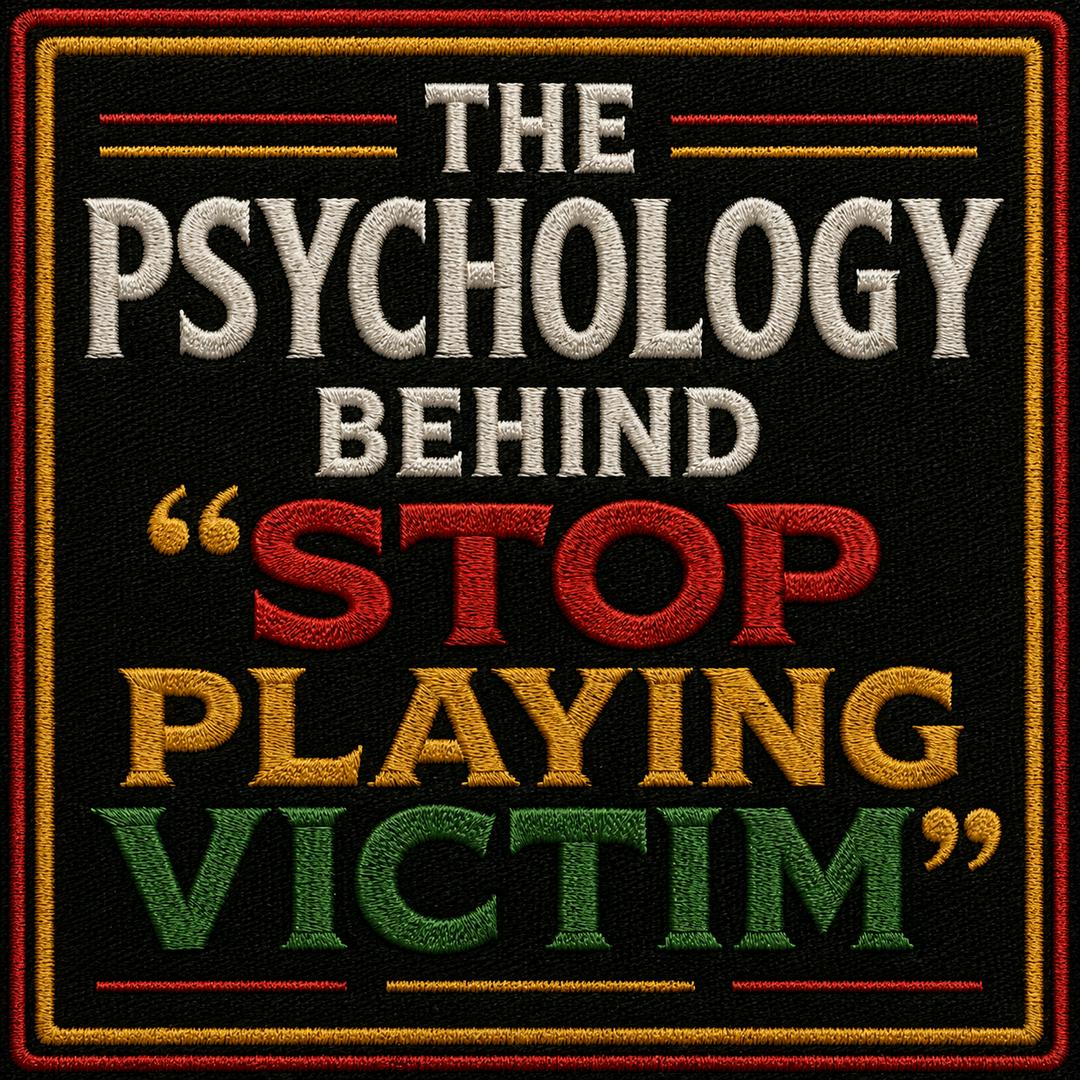
One thing I notice whenever Black history is discussed is how quickly some people run to the word “victim.” You can bring up a documented event. You can mention something that happened on a specific date. You can talk about laws, violence, discrimination, survival, resistance, or a person’s death. And somebody will still show up saying, “Stop playing the victim.” That response is not as deep as they think it is. Psychologically, calling someone a “victim” can be a way to avoid sitting with discomfort. It shifts the focus away from what happened and puts the attention on the person who brought it up. Instead of asking, “Why did this happen?” They ask, “Why are you talking about it?” Instead of dealing with history, they attack the person remembering it. That is not strength. That is avoidance. Some people are not upset because history is being “played up.” They are upset because history is being named out loud. There is a difference between living in victimhood and refusing to let people erase what happened. Black history is not victim mentality. Black history is memory. It is documentation. It is survival. It is proof that people lived through things others would rather forget. And that is why the word “victim” gets thrown around so fast. Because if they can make remembrance look like weakness, they do not have to face what the remembrance reveals. But telling the truth is not playing victim. Calling history by its name is not playing victim. And refusing to let people mock, minimize, or rewrite pain is not playing victim either. Sometimes the people yelling “victim” are really just uncomfortable witnesses. And history does not disappear just because it makes them uncomfortable.
5 days ago

milesJonny
😆😆😆😆 always 😆
4d
Reply
More comments ...
write a comment...