
1/3
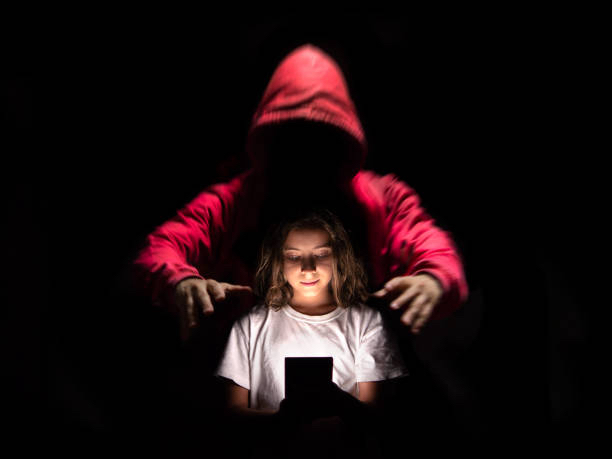


Hidden Doors: Why Your Child’s Favorite App Might Not Be Safe Digital safety experts are sounding the alarm as new data reveals a sharp increase in predators using popular video games and social media apps to target children. Recent reports from federal agencies show that what starts as a friendly "match" or "follow" can quickly turn into a dangerous situation. The "Digital Playground" Danger While many parents focus on social media, officials warn that online multiplayer games are now a primary hunting ground. Predators often use the voice-chat features in games like Roblox, Fortnite, or Minecraft to build trust with minors. According to the FBI’s Internet Crime Complaint Center (IC3), these individuals often try to move the conversation from a public game lobby to a private messaging app. Once they are away from the game’s safety filters, they begin gathering personal details, such as home addresses and school locations. Social Media: The Digital Map While many see social media as a place for selfies, law enforcement warns it is often used as a surveillance tool. Predators comb through public profiles to learn a child’s daily routine, school location, and friend groups. By "liking" posts and offering compliments, they build a false sense of security before moving to private messages. How to Protect Your Family The IC3 urges families to be skeptical of any stranger met online. They recommend: 1. Set Profiles to Private: Ensure social media and gaming accounts aren't visible to the public. 2. Turn Off Location Sharing: Disable "Snap Maps" or geo tagging on photos that reveal home or school locations. 3. Talk Early: Remind children that a "pro gamer" or "online friend" can easily fake their identity. "The danger isn't just on a screen; it's the bridge to the real world," one safety advocate noted. "Monitoring these digital interactions is now a vital part of modern parenting."
1 days ago
write a comment...