1/1

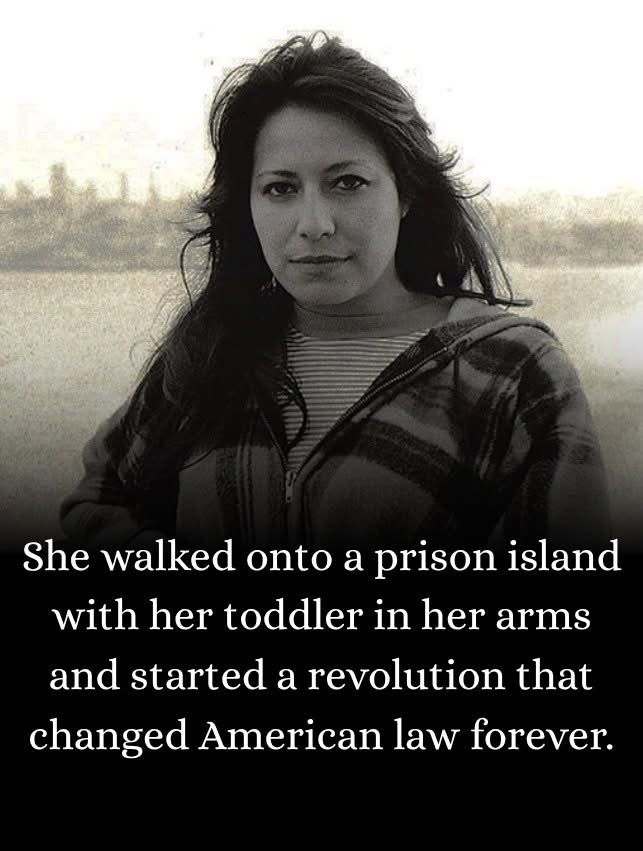
November 20, 1969. Three in the morning. A young Shoshone-Bannock woman slipped past a Coast Guard blockade in a small boat, her two-year-old son on her hip, and set foot on Alcatraz Island — the most infamous abandoned prison in America. Her name was LaNada War Jack. And she wasn't running from the law. She was reclaiming the land. LaNada was born in 1947 on the Fort Hall Indian Reservation in Idaho — a place that itself had been born from treaty-making and broken federal promises. Her family was no stranger to resistance. Her paternal grandfather had been among the last war chiefs defending his people during the American Indian Wars. Her maternal grandfather helped establish the very reservation she was born on. Resistance wasn't something she learned — it was something she inherited. When she arrived at the University of California, Berkeley in 1968, she made history simply by showing up. She was the first Native American student ever admitted to UC Berkeley — and she immediately got to work making sure she wasn't the last. She recruited a cohort of Native students, helped found the Native American Student Organization, and then joined the Third World Strike — a coalition of students of color demanding the university teach the truth about their histories. She was arrested for it. She was suspended for it. She kept going. Within three months, the strikes succeeded. Berkeley created the first Ethnic Studies department in United States history. Then came Alcatraz. The federal prison had been shuttered since 1963, and Native activists invoked the Treaty of Fort Laramie — which promised that abandoned federal lands be returned to Indigenous peoples — to claim the island. LaNada was one of the primary organizers. She drafted the grant proposal for a Native American cultural center on the island. She traveled across the country fundraising and rallying support. She managed food, security, and the education of the children who lived on the island alongside their parents.
Berkeley, California • 6 days ago
write a comment...