1/1

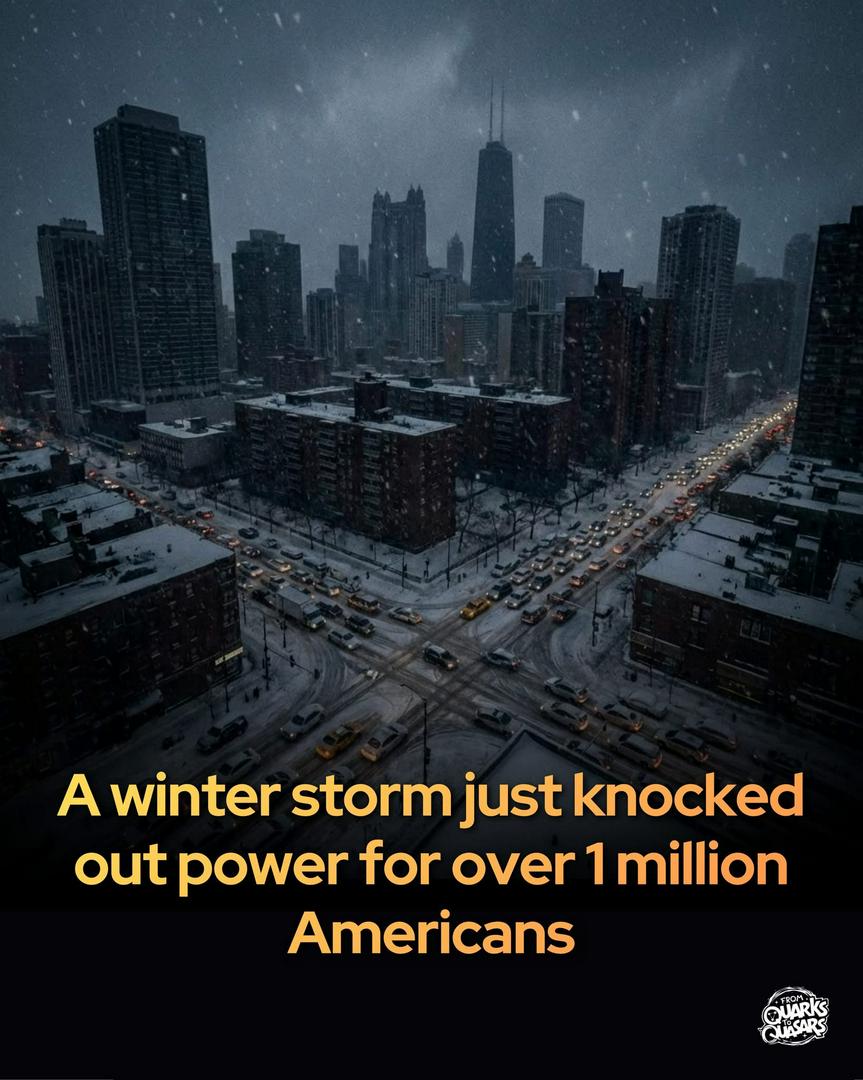
In less than 24 hours, a winter storm swept across the United States and cut power to over one million people. The storm system — now designated Winter Storm Fern — dropped snow, sleet, and freezing rain from Texas to Maine. Some of the most severe impacts occurred in the South, where ice accumulation caused tree limbs to snap and power lines to fall. At its peak, Tennessee alone reported over 330,000 outages. Mississippi, Louisiana, and Texas were each dealing with more than 90,000 customers in the dark. The physics of ice storms is simple and unforgiving. When freezing rain lands on trees and wires, it coats them in a layer of ice. One-quarter inch of ice adds about 500 pounds of weight per span of power line. As that weight builds, infrastructure begins to fail — especially in areas where trees haven't evolved to withstand such loads. But it wasn’t just the South. As the system pushed northeast, snowfall rates reached up to 2 inches per hour in some cities. Airports across the region began canceling flights by the thousands. Road conditions rapidly deteriorated under a mix of heavy snow and ice, limiting emergency responses and slowing utility repairs. This kind of cascading disruption — snow, ice, outages, grounded flights, and blocked roads — is typical of large, slow-moving winter storms that span multiple climate zones. And while they’re not new, their impacts are becoming more visible in a country with aging infrastructure and increasingly interconnected systems.
9 hours ago
write a comment...