1/1
Reprogramming the Mind After Prison
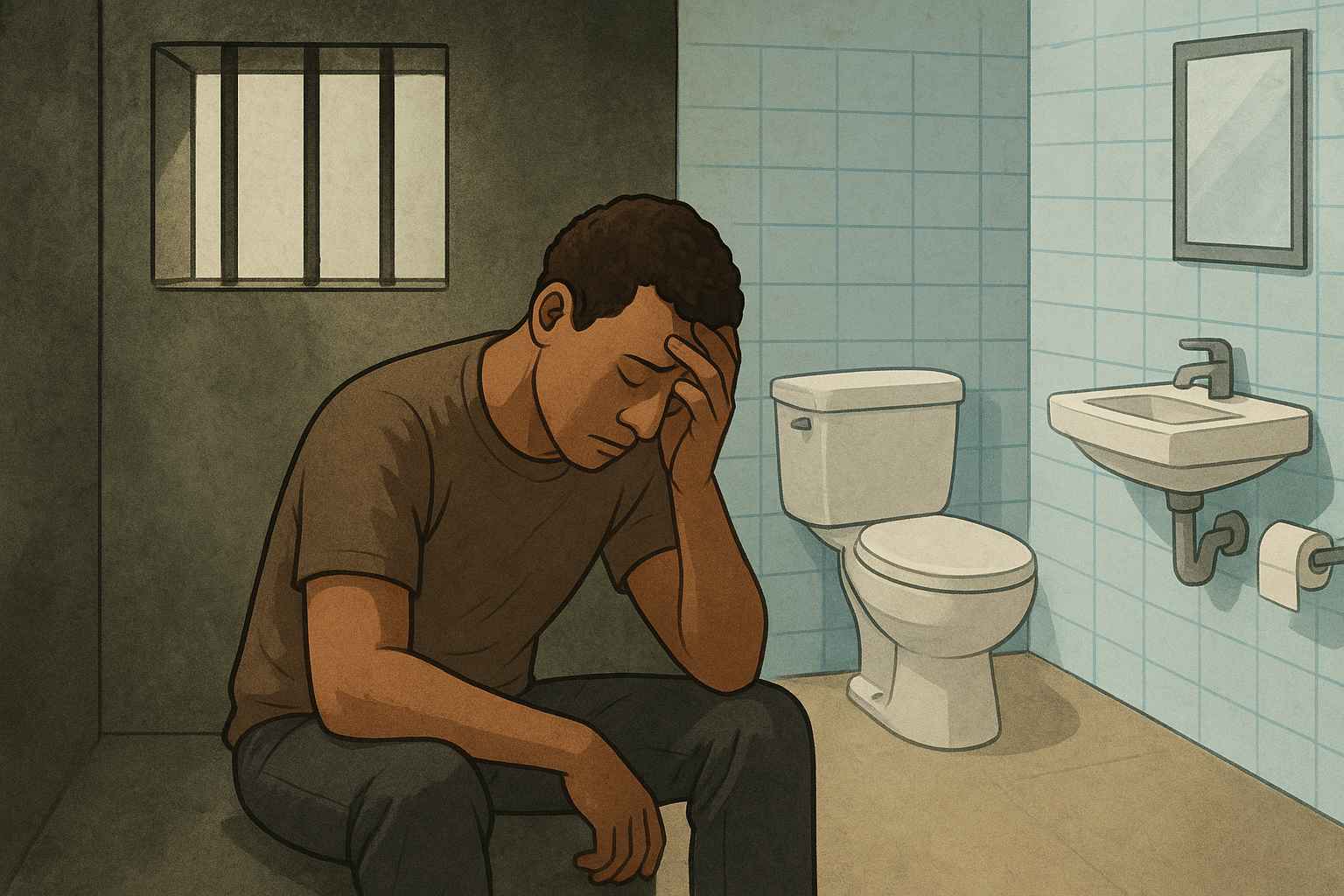
It’s strange to admit this, but sometimes I have to lock myself in the bathroom just to calm my anxiety. I’ll freeze in the grocery store, staring at the cereal aisle — too many choices, too much noise. I’ve gotten so overwhelmed that I’ve just walked out with nothing. There are times in a restaurant when I can’t even eat. The movement, the chatter, the people walking past — my brain focuses on everything except the food in front of me. These are all signs of institutionalization. When you’ve lived in a place where survival depends on routine, control, and hyper-awareness, your mind changes. You reprogram yourself — not by choice, but by necessity. Most of us don’t realize how deep those changes go until we’re free again. And that’s when the anxiety hits hardest. You feel different. You know you’re different. And that knowledge alone can be crushing. Institutionalization is a kind of mental illness — an unintended consequence of the last 45 years of mass incarceration in America. Until a person actively works to reprogram their brain again, they’re at real risk of reoffending. So if you know someone going through this, show empathy. Ask how they’re feeling. Listen without judgment. You might be the one person who helps them stay free. About the author: Andrew Goltz writes about criminal justice, reentry, resilience, and recovery after incarceration — drawing from lived experience to shed light on the human #TheStruggleIsReal #Institutionalization #CriminalJusticeReform #Reentry #MentalHealthAwarenessNeeded #Anxiety #MassIncarceration #LifeAfterPrison
2025-10-20

jenn sherman
I would love to get some tips on helping my fiancé when he is finally released!!He has been in the Iowa DOC system for many years I am going to say his mandatory minimum was up in 2011 or 2012 but every time he’s got out on parole he gets back into drugs and ends up back on a violation of parole or running from the halfway house! It’s sad because i know he’s better than he’s been allowed to show himself and the world!! He’s been back in anamosa state this time for 22 months
10-22
West Burlington, IA
Reply(6)
1

Nadeau R Terrence
Send this to dem rats. many will never make, but might be helpful for the few that do.
10-20
Moses Lake, WA
Reply(2)
2

Watertender
It does take time to readjust to the outside world. People coming out of the military also have adjustment issues. I have seen some released prisoners in public and I always speak to them. I've never had one not respond nicely. They knew that I was doing my job and never made their time any worse than it was. Some have even thanked me for treating them like human beings instead of scumbags. The only former prisoners I will not talk to are child molesters and rapists. You know exactly what I mean...
10-21
Gasport, NY
Reply(1)
2

Denise
this is good information for ppl that don't know that life after prison is a whole new adjustment. new phones smart tvs how money is being transferred by banks
10-20
Queens, NY
Reply(1)
2

Michael Ward
After being freed for six years I still have a problem if there are more than one or two choices of something. I can feel the anxiety build if I’m around several people especially in close proximity of me.
10-22
Knoxville, TN
Reply

Johnny Friedman
Its the same returning
from service. I felt like a
prisoner.
10-22
Reply
More comments ...
write a comment...