Explore Page

PRX NEWS

16 YEAR OLD ALINA CRUZ DIES FROM CAR CRASH AFTER ARIVING LATE… 🚘 At 9:42 p.m., 16-year-old Alina Cruz left her friend’s house after a quiet movie night, still holding the half-finished bag of candy they’d been sharing. She texted her mom as she turned onto Maple Street: “I’m almost home ❤️.” It was only a three-minute walk. She never made it. Witnesses say a speeding car came down the street without slowing, the sound of tires screeching cutting through the night. By the time anyone reached the sidewalk, Alina was lying just a few houses away from her own front door. Her phone had slipped from her hand, the screen still lit up with that final message—delivered, but never answered. Her mother, Elena Cruz, had been standing in the kitchen waiting, her daughter’s favorite late-night snack already set out on the counter. “She always told me when she was close,” she said, holding back tears. “I saw the message and thought, okay, she’ll be here any second.” Minutes turned into an hour. Calls went unanswered. By the time there was a knock on the door, everything had already changed. Neighbors have since placed candles and flowers along the curb where it happened. Friends describe Alina as quiet but kind, someone who never forgot birthdays and always walked others home first, even if it made her own trip longer. Her backpack now sits untouched by the front door, her shoes still kicked off by the stairs like she had just come home—except she didn’t. Police are still searching for the driver, who left the scene. Meanwhile, a family is left staring at a message that was supposed to mean “I’m safe.” Instead, it became the last thing she ever said

THE_BUSINESS

Viral Claims About Trump's Signature on U.S. Currency Spark Debate Recent claims circulating online suggest that former President Donald Trump's signature could soon appear on U.S. paper currency, sparking widespread discussion and confusion among readers The idea has been linked to preparations for the United States' upcomina 250th anniversary. Some reports suggest this would be a historic move, marking the first time a sitting or recent president's signature appears directly on legal tender However, current U.S. law and longstanding practices raise important questions about whether such a change is even possible. Traditionally, U.S. currency includes the signatures of the Treasury Secretary and the U.S. Treasurer-not the president.Ir addition, federal quidelines have generallyrestricted the appearance of living individuals on standard circulating currency. While commemorative coins are sometimes created to honor public fiqures, these are separate from everyday paper money ana follow different approval processes. This distinction has led many experts and observers to question the accuracy of the claims being shared online At this time, there has been no widely confirmed official announcement detailing a change that would place a president's signature on U.S. currency in the manner being discussed. As conversations continue to spread across social media and news platforms, many Americans are asking whether such a move would be symbolic, legal, or simply misunderstood.Situations like this highlight the importance of verifying information before accepting it as fact, especially when it involves major changes to national symbols like currency What do you think--should U.S. currency ever be updated to reflect modern leaders or should tradition remain unchanged?

justme

Social Security Social Security Checks Are Getting Smaller for Some Retirees — And It’s Not a Benefit Cut By Brandon Marcus, Imagine opening your mailbox, flipping open your latest Social Security statement, and discovering that your check looks a little leaner than last month. Panic sets in for many retirees, but before assuming the worst, it’s crucial to understand what’s really happening. Social Security checks can shrink for some retirees, even though no one in Washington pressed the “benefit cut” button. This phenomenon isn’t about punishment—it’s about math, taxes, and the sneaky ways living costs adjust under federal rules. For anyone counting on Social Security as a primary income source, this shift can feel unsettling, but knowing the why can ease a lot of worry. At first glance, the idea of a smaller check seems like bad news. After all, Social Security is designed to provide steady, predictable income. But when retirees notice their deposits decreasing, it often has nothing to do with the Social Security Administration slashing benefits. The reality is more nuanced. The Inflation Twist: COLA Isn’t Always Enough Cost-of-living adjustments, or COLA, sound like a built-in financial cushion. Every year, Social Security recipients are supposed to get a bump that accounts for inflation. In theory, this is great news: your income should rise just enough to match higher prices at the grocery store or gas pump. Reality, however, has a few quirks. Inflation doesn’t hit every part of life equally. Retirees often spend a larger portion of their income on healthcare, which has historically risen faster than general inflation. So even if the COLA adds a few dollars to a check, it may not fully cover increased medical expenses or other cost surges.

Rick And Morty

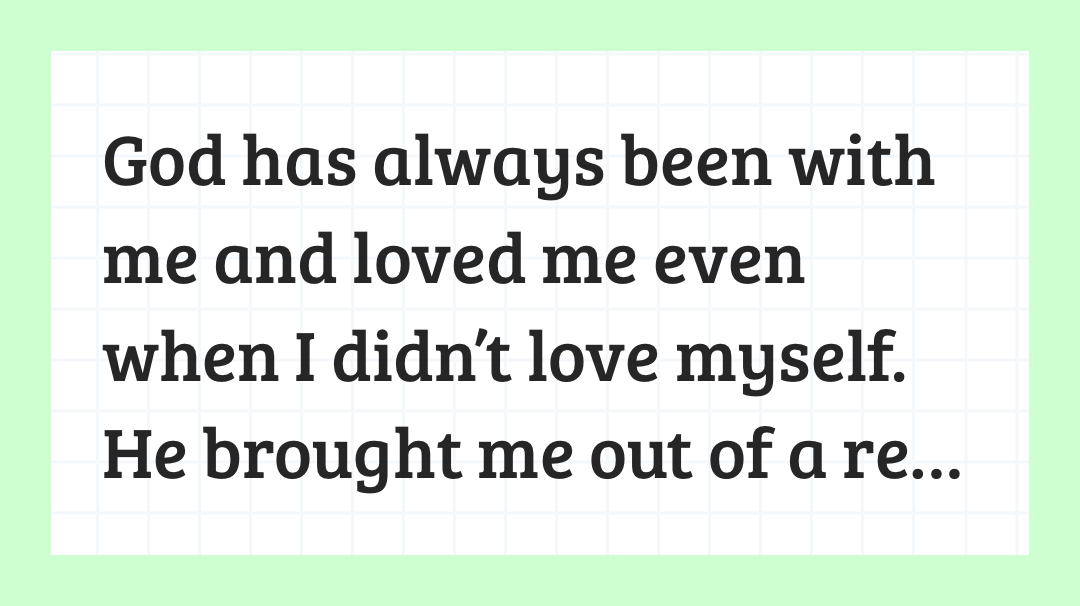
That's the kind of faithfulness that doesn't need a pew to be real. Life doesn't always fit neatly into Sunday mornings. Bills need paying. Jobs require shifts. Bodies get tired. And through it all, God doesn't stand at the door with a punch card, checking attendance. You made a way when the traditional way wasn't available. You studied on your days off. You carved out time after work. You didn't let the absence of a Sunday service become the absence of a Sunday heart. That's not walking away. That's walking through—through schedules, through obligations, through the reality that sometimes following Jesus looks different than the brochure version. He sees it. And I'm pretty sure He's not keeping score on Sundays. He's looking at the days in between. The quiet studying. The reaching for Him when the pew wasn't an option. That's devotion. And it's beautiful. 🥰🙏🏼

Edmond Thorne

An annuity is a financial product that provides a steady stream of income, usually used for retirement planning. Simple explanation: An annuity is like getting paid regularly over time instead of receiving one lump sum. How it works: • You pay money to an insurance company (either all at once or in installments) • In return, they pay you back regular income later (monthly, quarterly, or yearly) Types of annuities: 1. Immediate annuity – you start receiving payments right away 2. Deferred annuity – payments begin at a future date 3. Fixed annuity – guaranteed, stable payments 4. Variable annuity – payments can go up or down based on investments Example: If you invest $50,000 in an annuity, the company might pay you $300 every month for life or for a set number of years. Why people use annuities: • Steady income in retirement • Protection against running out of money • Some tax-deferred growth benefits Most people in this community will not understand,but drop your comments let’s help get someone today to go into the right Track.

lyd12348

It was 1966 and I had just gotten married at 16.My husband had a good job but I was so bored.We didn't have a tv yet or a car.My husband said I could get a job and save for a tv.Well,I went to work at a place called Dan-Dee-Dog.We made and sold the best corn dogs ever.My 1st check came in a sealed envelope that I did not open.My husband walked to my job and we walked to my mil's.Everyone was here and they made the opening of my 1st check a big deal.Wow,it was 17.43.I was so excited as it was only for a couple of days.My 2nd check was a lot bigger and we were able to but a tv.When we got to that store they had a special going on.If you bought a certain brand you could pick out 6 cases of canned food.We sure liked that.Thats my story except I kept working and we paid cash for our Chevy Belair,used.

Emiliany P. Rodriguez.C

Hidden Doors: Why Your Child’s Favorite App Might Not Be Safe Digital safety experts are sounding the alarm as new data reveals a sharp increase in predators using popular video games and social media apps to target children. Recent reports from federal agencies show that what starts as a friendly "match" or "follow" can quickly turn into a dangerous situation. The "Digital Playground" Danger While many parents focus on social media, officials warn that online multiplayer games are now a primary hunting ground. Predators often use the voice-chat features in games like Roblox, Fortnite, or Minecraft to build trust with minors. According to the FBI’s Internet Crime Complaint Center (IC3), these individuals often try to move the conversation from a public game lobby to a private messaging app. Once they are away from the game’s safety filters, they begin gathering personal details, such as home addresses and school locations. Social Media: The Digital Map While many see social media as a place for selfies, law enforcement warns it is often used as a surveillance tool. Predators comb through public profiles to learn a child’s daily routine, school location, and friend groups. By "liking" posts and offering compliments, they build a false sense of security before moving to private messages. How to Protect Your Family The IC3 urges families to be skeptical of any stranger met online. They recommend: 1. Set Profiles to Private: Ensure social media and gaming accounts aren't visible to the public. 2. Turn Off Location Sharing: Disable "Snap Maps" or geo tagging on photos that reveal home or school locations. 3. Talk Early: Remind children that a "pro gamer" or "online friend" can easily fake their identity. "The danger isn't just on a screen; it's the bridge to the real world," one safety advocate noted. "Monitoring these digital interactions is now a vital part of modern parenting."