Category Page news

1776 Patriot

JFK’s Final Moments: Parkland Surgeons vs. Official Story

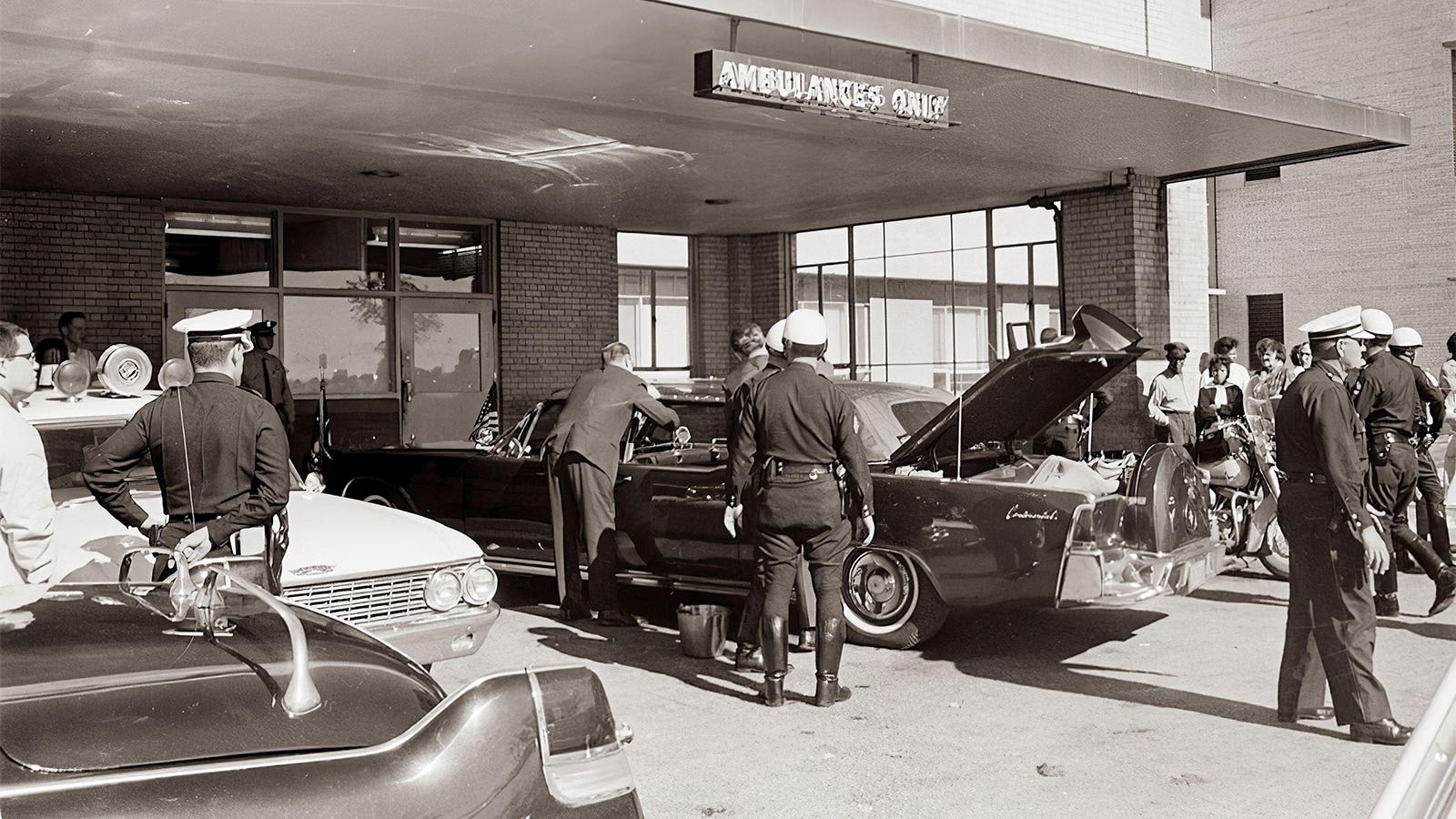
When President John F. Kennedy arrived at Parkland Memorial Hospital on November 22, 1963, the trauma team faced shocking devastation. Doctors, including Dr. Charles Carrico, Dr. Malcolm Perry, Dr. Kemp Clark, and Dr. Robert Jones, immediately recognized the gravity of his injuries, leaving several visibly shaken. Their accounts, given during frantic efforts to save the President, later appeared to conflict with the official Bethesda autopsy, fueling decades of speculation. Dr. Carrico first noted a small, round wound in Kennedy’s throat just below the Adam’s apple. To him, it looked like a clean entry rather than an exit wound. Dr. Perry, performing an emergency tracheostomy to help Kennedy breathe, confirmed this impression at a press conference, describing it as a likely entry wound, shocking reporters and suggesting a shot from the front. The head wound left the deepest impression. Dr. Clark and Dr. Jones both described a massive blowout at the rear of the skull. Dr. Jones recalled seeing a large portion of bone and brain missing, with cerebellar tissue exposed, indicating catastrophic rear damage. Other doctors noted brain tissue spilling out and skull fragments displaced in multiple directions. The destruction was so severe that it suggested, to trained surgeons, a shot entering from the front and exiting the rear. Their separate testimonies remarkably aligned in describing the chaos and scale of the injury. The official autopsy at Bethesda, however, described the head wound differently, placing the defect at the top and right side of the skull and concluding all shots came from behind. The throat wound was reinterpreted as an exit from a bullet entering Kennedy’s back. Later-released JFK files highlighted disputes among witnesses, missing evidence, and internal pressure, raising questions about whether the Parkland doctors’ observations, including Dr. Jones’ vivid description, were altered to fit the lone-gunman narrative. #Kennedy #History #USHistory
JFK’s Final Moments: Parkland Surgeons vs. Official Story
Madeline Morgan

My Customers (SNAP) and My Subsidies (USDA) Are Both Gone

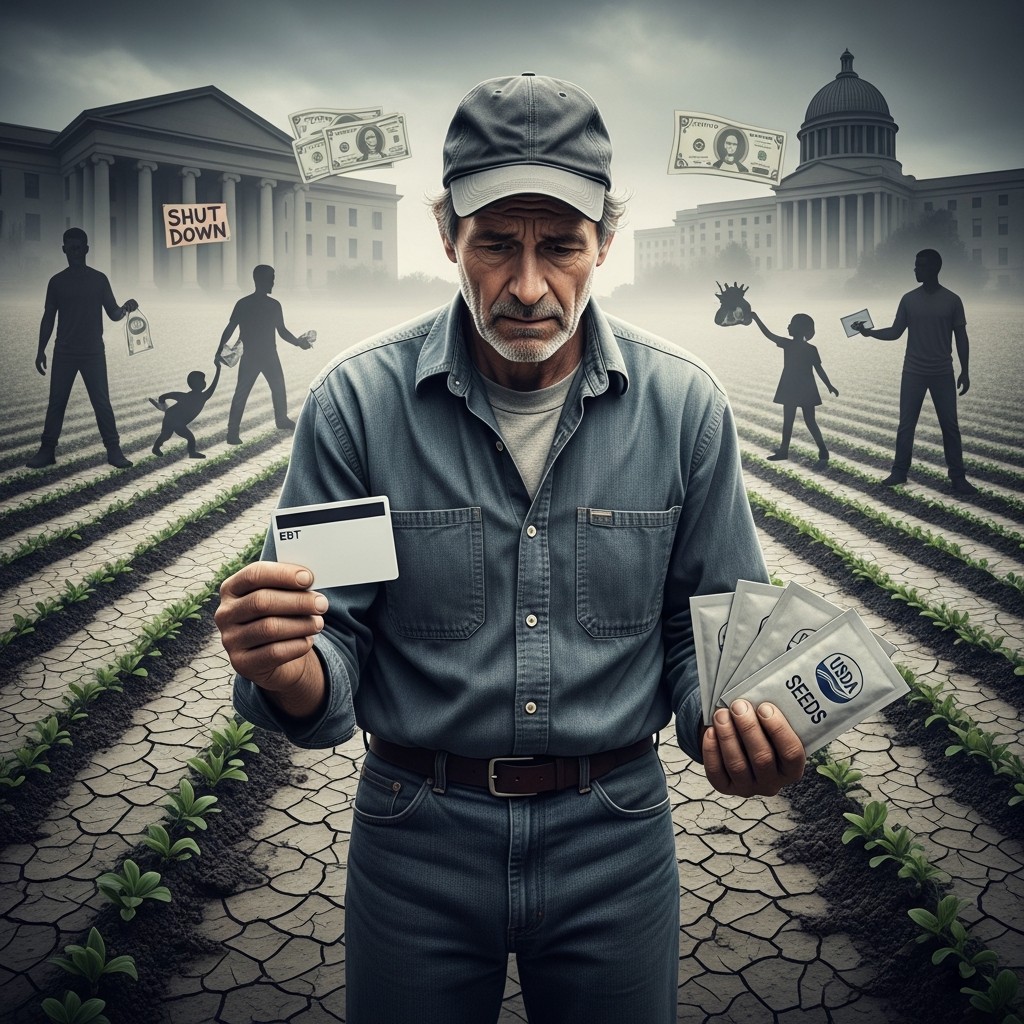
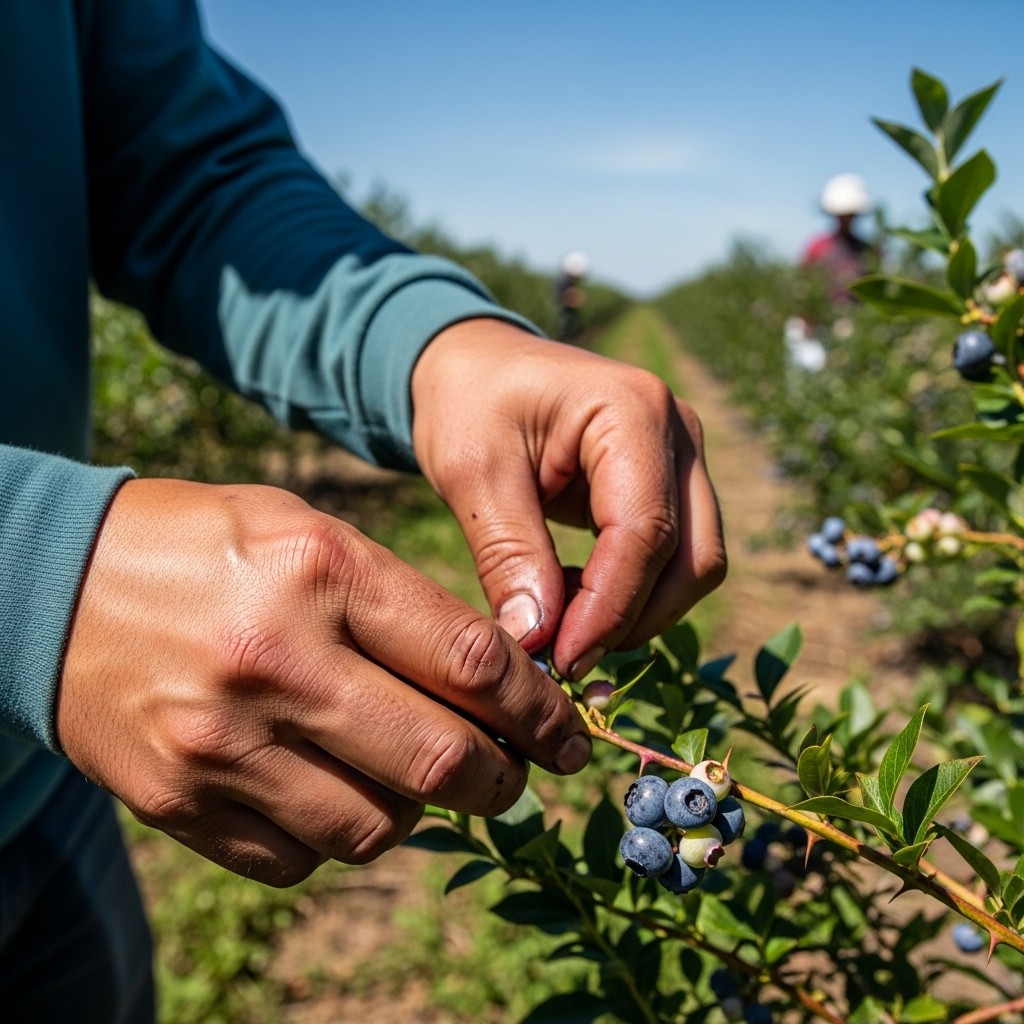
I'm a farmer who sells at the local farmers market. I have two types of customers: middle-class folks with cash, and low-income families using SNAP (EBT cards). SNAP accounts for 40% of my weekend revenue. The first week of November, they all vanished. The EBT cards had no money. At the exact same time, the farm loan I need from the USDA to buy seeds for next season is frozen. And the crop reports from the USDA that I need to plan my harvest? Publication suspended. This is the policy absurdity: The government (USDA) is supposed to pay me (the farmer) to grow the food, and pay the poor (SNAP users) to buy my food. Now the government is shut down, and both ends of that deal are broken. I'm the guy in the middle getting crushed. #Farmer #USDA #SNAPShutdown

My Customers (SNAP) and My Subsidies (USDA) Are Both Gone
Anthony Pierce

If You Can Work, You Should

I know this Medicaid work requirement thing is controversial, but honestly… I kinda agree with it. 🤷‍♂️ My wife and I both work — she does night shifts at Walmart, I do warehouse hours. We don’t qualify for Medicaid, even though we barely scrape by some months. Then I see people around me who are fully capable of working, not doing much, and still getting full healthcare. That doesn’t sit right with me. Now, I’m not saying everyone should be forced to work when they’re sick or caring for family. But if you can contribute — even part-time — I think it’s fair. The system’s falling apart because too many people take more than they give. Healthcare shouldn’t be free for those who won’t lift a finger. #WorkOrLoseCare

If You Can Work, You Should
DappledDolphin

This story is haunting — and says a lot about how we treat people who won’t sell

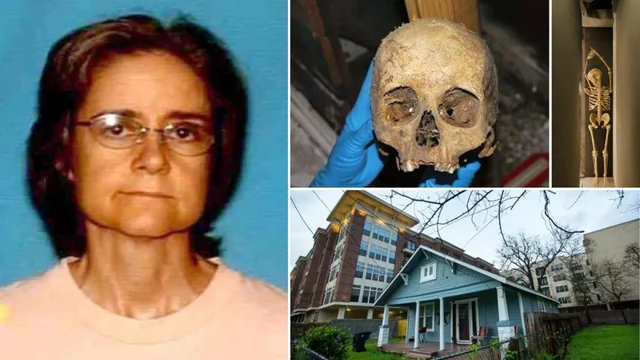
I just read about the woman whose remains were found inside the wall of her own home — after she went missing in 2015. Turns out, she’d been one of the last people refusing to sell her house to the developers next door. That detail hit me hard. She wasn’t some recluse — she was someone who simply wanted to keep her home. The same walls she fought to protect ended up becoming her grave. I don’t know the full story, and I’m not jumping to conclusions, but it really makes me think about how much pressure regular people face when big money wants their land. Developers can call it “progress,” but for a lot of folks, it’s erasure. She probably thought she was just standing her ground — like anyone would. Now she’s gone, and the neighborhood’s probably a parking lot or luxury condos by now. It’s heartbreaking how we only talk about people like her after something terrible happens. #Creepy #UnexpectedResults #UnexpectedHistory

This story is haunting — and says a lot about how we treat people who won’t sell
Category: News - Page 28 | LocalHood