Category Page health

justme

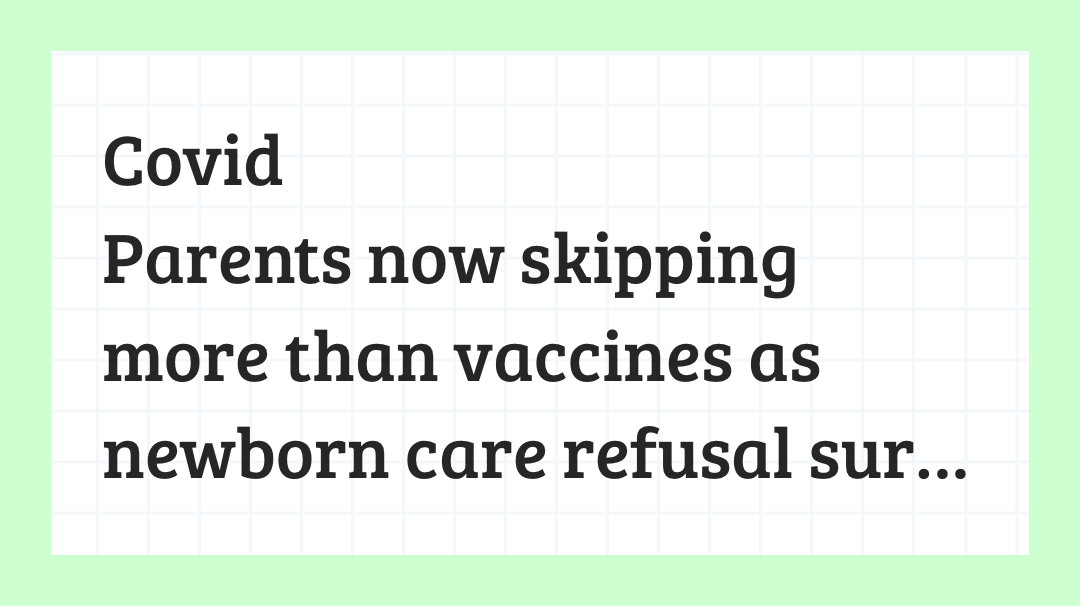
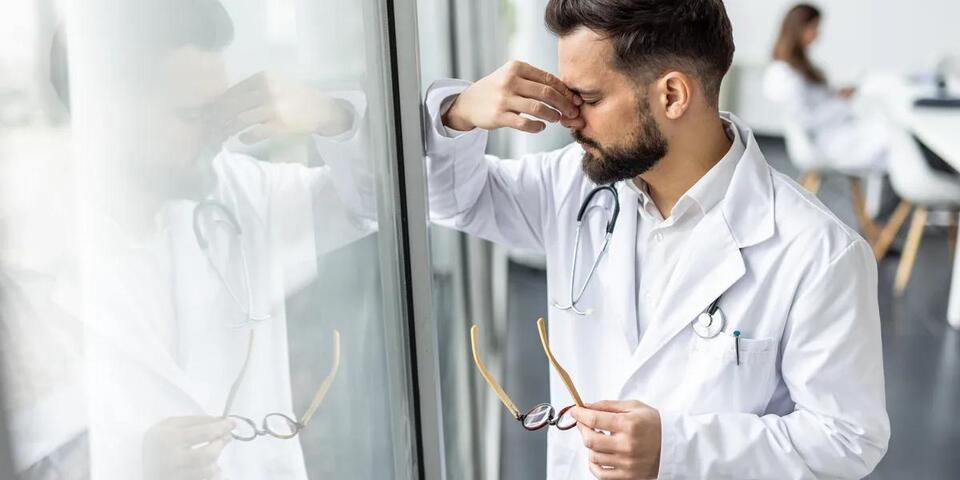
Covid Parents now skipping more than vaccines as newborn care refusal surges By BeckhamLangford, A growing number of American parents are refusing standard newborn medical interventions that go well beyond childhood vaccines, including vitamin K injections and antibiotic eye ointment. A retrospective study published in the Journal of the American Medical Association, covering 5,096,633 births recorded between January 2017 and December 2024, found that nonreceipt of intramuscular vitamin K prophylaxis rose substantially over that period. The trend has accelerated alongside a federal policy shift that made the hepatitis B birth dose optional for some infants, raising concerns among pediatricians that parents now view all routine newborn care as negotiable. Five Million Births Reveal a Sharp Climb in Refusals The clearest evidence of this shift comes from a nationwide cohort study in JAMA that drew on electronic health records from Epic Systems’ Cosmos platform. Researchers examined more than five million births across the United States from January 2017 through December 2024 and measured how often newborns did not receive the standard intramuscular vitamin K shot. The study found that refusals or nonreceipt of the prophylaxis increased substantially over the study period, a finding that alarmed neonatal specialists because vitamin K prevents a rare but potentially fatal bleeding disorder in infants. The same body of research attracted attention from major outlets. Reporting in the Washington Post noted that the JAMA analysis also documented parents refusing erythromycin eye ointment, a medication applied at birth to prevent bacterial eye infections that can cause blindness. What once seemed like an isolated pocket of vaccine hesitancy has broadened into a wider pattern of skepticism toward procedures that have been standard in delivery rooms for decades

Hatter Gone Mad

Cannabis leaves, often discarded during cultivation, contain a range of bioactive compounds including minor cannabinoids, flavonoids, and terpenes that are being studied for their potential therapeutic properties. While the highest concentrations of cannabinoids like THC and CBD are typically found in the flowers, leaves can still contain measurable amounts of lesser-known compounds such as cannabigerol (CBG) and various antioxidant flavonoids, which may contribute to anti-inflammatory and neuroprotective effects. Ongoing research is exploring how these secondary compounds may add value in medical and pharmaceutical applications, though their concentrations and clinical relevance vary depending on plant strain and processing methods. #CannabisResearch #MedicinalPlants #Phytochemicals #Cannabinoids #Terpenes #PlantScience #NaturalCompounds #MedicalInnovation #Botany #OnlyFacts Andre, C. M., Hausman, J. F., & Guerriero, G. (2016). Cannabis sativa: The plant of the thousand and one molecules. Frontiers in Plant Science, 7, 19. Russo, E. B. (2011). Taming THC: Potential cannabis synergy and phytocannabinoid-terpenoid entourage effects. British Journal of Pharmacology, 163(7), 1344–1364.

Annabelle Linn

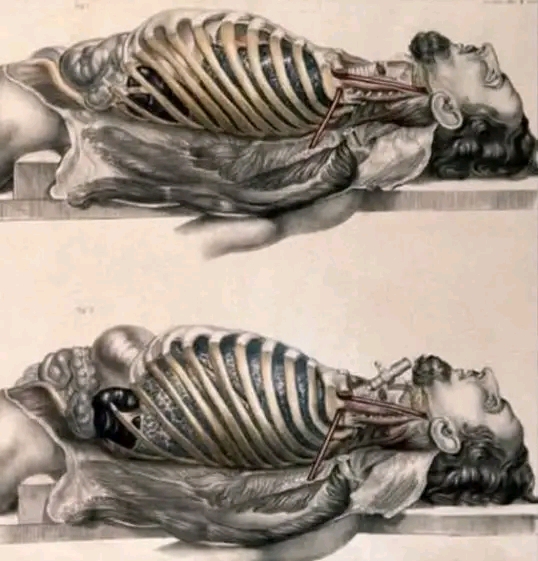
The instant breath leaves the body, life does not vanish — it unravels. Not in silence, but in a slow, invisible collapse. The brain is the first to surrender, starved of oxygen, its neurons flickering out like dying stars. The heart follows, then the great engines of the body — the liver, the kidneys, the pancreas — each fighting for a few more desperate moments before the dark settles in. And yet… the body is not done. Beneath the still skin, a quiet rebellion continues. The cells of the cornea, the tendons, even the heart valves, hold on for hours. Skin endures for a day. White blood cells, the soldiers of our immune system, march on for nearly three. Scientists call it the twilight of death — that eerie window when life lingers in fragments. Deep inside, certain genes awaken as if unaware the war is lost, transcribing DNA into RNA in a last act of defiance. It’s as if the body whispers, “Not yet.” But this defiance has a cost. In organ donors, some of these frantic postmortem cells mutate — their chaos carried into another life, perhaps explaining why some transplant recipients face strange, higher risks. Death, it seems, is not a line but a landscape — a passage where some parts of us resist the end, even as the rest fades to silence. Because life doesn’t stop all at once. It fades, cell by cell, whisper by whisper — and in that fading lies the final mystery of being alive.

Category: Health - Page 3 | LocalAll