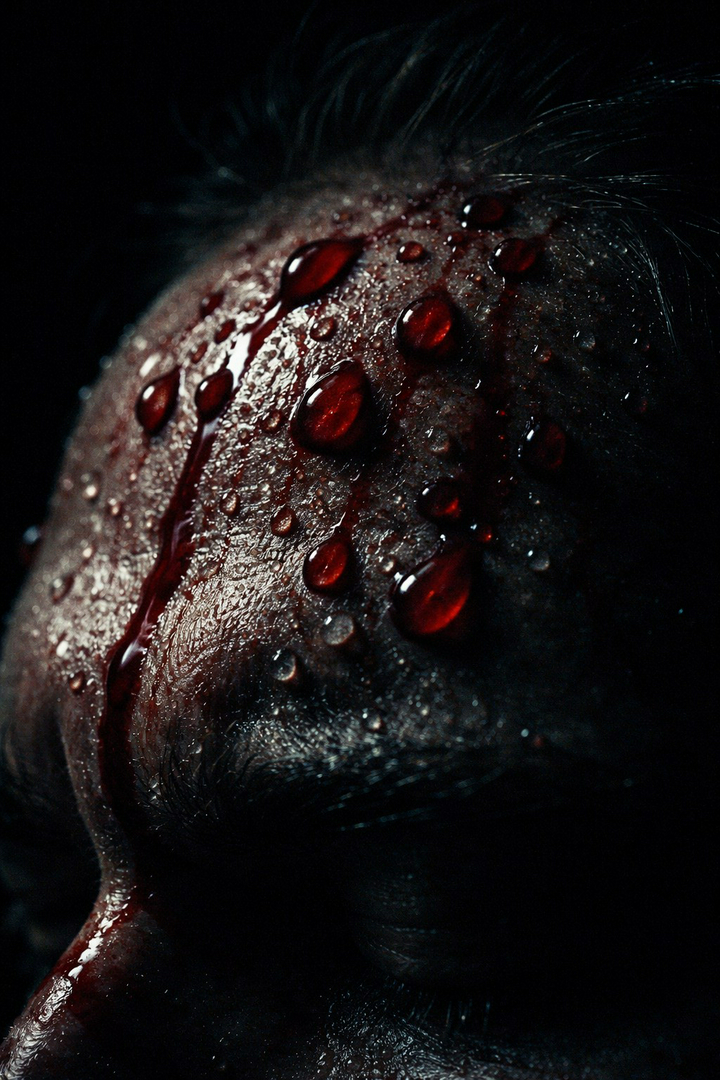
Pain arrives uninvited and stays as long as it wants.
It is not punishment. It is not a test. It is the default setting of being alive. Loss of people, health, hope, money, time—it finds you the way rain finds an open window. One phone call, one doctor’s visit, one empty side of the bed, one layoff email at 5 p.m. on a Friday, and suddenly the air changes weight.
You run. Most of us do.
We scroll, drink, work harder, chase new bodies, new goals, new distractions—anything to stay one step ahead of the feeling. Running feels like control. But every step away makes the pain faster, heavier, more clever. It learns your hiding places. It waits in the quiet moments right before sleep, in the rearview mirror, in the song that comes on without warning. Avoidance turns a cut into an infection.
Facing it is the only move that changes the story.
You sit with it. No music, no phone, no escape plan. You let the wave hit—tight chest, burning eyes, the sick drop in your stomach. You name it out loud in your own head: “This is grief.” “This is fear of being alone forever.” “This is the shame of failing again.” Naming it robs it of half its power. Then you stay. You breathe through the worst of it the way you breathe through a cramp in the gym. The pain does not disappear, but it stops growing. It becomes known. Familiar. Almost a companion instead of an enemy.
The marks it leaves are not flaws.
They are proof you did not break. The cracked places in your trust, your confidence, your heart—they toughen. They make you notice when someone else is hurting. They teach you what you will never again tolerate. They turn into quiet strength that shows up when the next wave comes—and it always comes.
You cannot skip this part.
No amount of money, status, or perfect days erases it. The people who look untouched simply hide their scars better or have not been hit hard yet. Everyone’s turn is coming. The only difference is whether you meet it crouched and terrified or standing and breathing.