Category Page health

THE_BUSINESS

Psychology says people who sit quietly in group conversations instead of fighting to be heard aren’t shy or disengaged — they’re processing at a depth that most people have forgotten how to reach Isabella Chase by Isabella Chase | February 17, 2026, 10:48 am A woman sitting quietly and thoughtfully at a cafe, deep in thought I’ve been the quiet one at enough dinner tables in Brooklyn to know exactly how this script plays out. Someone asks a question. Three people immediately start talking over each other. I’m sitting with my wine, turning the idea over in my head like a smooth stone, considering the angles, thinking about what I actually want to say. By the time I’m ready to contribute something real, the conversation has moved on. Someone always assumes I’m bored or sad or too shy to join in. The truth is the opposite: I’m the only one actually interested in what anyone said. AD This happens at work meetings. It happens at book clubs. It happened at my divorce mediation, where my lawyer kept nudging me to speak up more, as if silence meant I was losing. What nobody seemed to understand—what I didn’t fully understand myself until I started reading neuroscience—was that I wasn’t withdrawing from the conversation. I was going deeper into it. While everyone else was competing for air time, my brain was doing something entirely different. Psychology has a name for what’s happening in moments like these. It’s not shyness. It’s not social anxiety. It’s deep processing—and it’s a fundamentally different way of moving through the world than most people have been trained to recognize. AD The Neuroscience Behind the Silence The difference starts in the brain itself. Research in neuroscience has consistently shown that introverted people have higher baseline cortical arousal—essentially, their brains are already running at a higher level of stimulation even when they’re at rest. This isn’t a weakness or a deficit. It’s a structural difference in how their nervous system

Rick And Morty

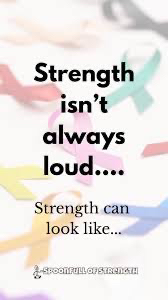
Strength isn’t always loud. Sometimes it looks like understanding. Understanding that you’re still learning. Understanding that healing isn’t linear. Understanding that heavy doesn’t mean you’re going backwards. Real strength is the ability to pause instead of react. To breathe instead of explode. To reflect instead of run. Anyone can feel strong when life is smooth. It takes depth to stay steady when your emotions are pulling you in opposite directions. So this morning, don’t judge yourself for what you feel. Feel it. Sit with it. Learn from it. Then choose who you want to be anyway. Understanding builds patience. Strength builds endurance. Together, they create stability in the middle of chaos. You are allowed to grow at your own pace. You are allowed to take up space without shrinking. You are allowed to be both powerful and compassionate. Walk today in quiet confidence not because everything is perfect, but because you know you’re evolving. And that… is real strength. Stay strong 💪 You got this. I believe in you 🙏

Rick And Morty

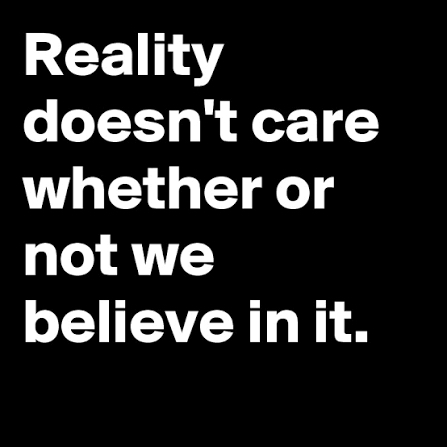
Reality doesn’t care. It doesn’t pause when your nervous system is fried, when the serotonin is gone, when you’re shaking at 3 a.m. begging for one second of mercy that never comes. It doesn’t care that you cried until your eyes swelled shut, skipped meals, screamed into pillows, or told God “just let me stop breathing.” It will keep swinging—bills, betrayal, diagnosis, death of people you love—and do it casually, like flipping a light switch. No apology. No explanation. No refund. Everyone else is performing: filtered selfies at sunrise, “grateful” captions while dying inside, gym bodies, perfect marriages, six-figure side hustles. They post victory laps and hide the nights they stared at the same ceiling you did, wondering if another breath is worth it. Truth they bury under affirmations: Pain isn’t a detour—it’s the highway. Loss isn’t occasional—it’s baked in. Chaos isn’t a glitch—it’s the OS. Luck beats talent 9/10 times. Morality is luxury most can’t afford when rent’s due. Fairness is a fairy tale we tell kids so they sleep. If you wait for life to get fair, for people to be kind, for the universe to notice your pain—you’ll wait forever and die disappointed. But you can cheat the game. Not by manifesting rainbows. Not by pretending it’s easy. By staring into the void and deciding you’re more stubborn than it is. Log every hit: betrayal, failure, humiliation. Feel the full weight—then stand anyway. Reframe shame as intel: every scar shows what not to let happen again. Visualize the version of you that doesn’t flinch, doesn’t beg, doesn’t fold. Then take one microscopic, spiteful action. One breath. One push-up. One sentence. One “no.” Right now. Not tomorrow. Not when you’re “ready.” Because delay = surrender. The system is rigged. The deck is stacked. The house always wins—until you stop playing by its rules. Become the glitch. The error code. The variable it can’t predict. Get up.
John Spencer Ellis

How can you spot a pathological liar? Ever wondered if someone’s lies go beyond the occasional white fib? Let’s dive into the world of pathological lying – a behavior that’s more than just dishonesty. Clinically, pathological lying (also known as pseudologia fantastica or mythomania) is defined as a persistent, pervasive, and often compulsive pattern of excessive lying that causes significant impairment in social, occupational, or other areas of life. It leads to marked distress, poses risks to oneself or others, and lasts longer than six months. Unlike everyday lies told for gain or to avoid trouble, these are habitual, elaborate falsehoods without clear motive – the liar might even believe them or mix truth with fantasy. It’s not a standalone diagnosis in the DSM-5 but often links to personality disorders like narcissism or antisocial traits. Experts note it’s disproportionate to any benefit, manifesting over years. Spot it in action? Here are two everyday examples: 1 The Chronic Storyteller at Work: Imagine a colleague who constantly fabricates grand tales about their weekend adventures – claiming they partied with celebrities or climbed mountains – even when no one’s asking. These lies pile up, erode trust, and isolate them, but they can’t stop, despite the fallout. 2 The Family Fabricator: Think of a relative who invents health crises or dramatic family secrets to garner sympathy and attention. They might say they’re battling a rare illness (when healthy) or accuse others falsely, creating chaos without remorse or reason. If this sounds familiar, set boundaries and encourage professional help – therapy can uncover roots like low self-esteem. Knowledge is power! #MentalHealthAwareness #PathologicalLying #TruthMatters #itsnotyou #malignantnarcissistproblems

Category: Health - Page 16 | LocalAll