Category Page entertainment

Mishelle

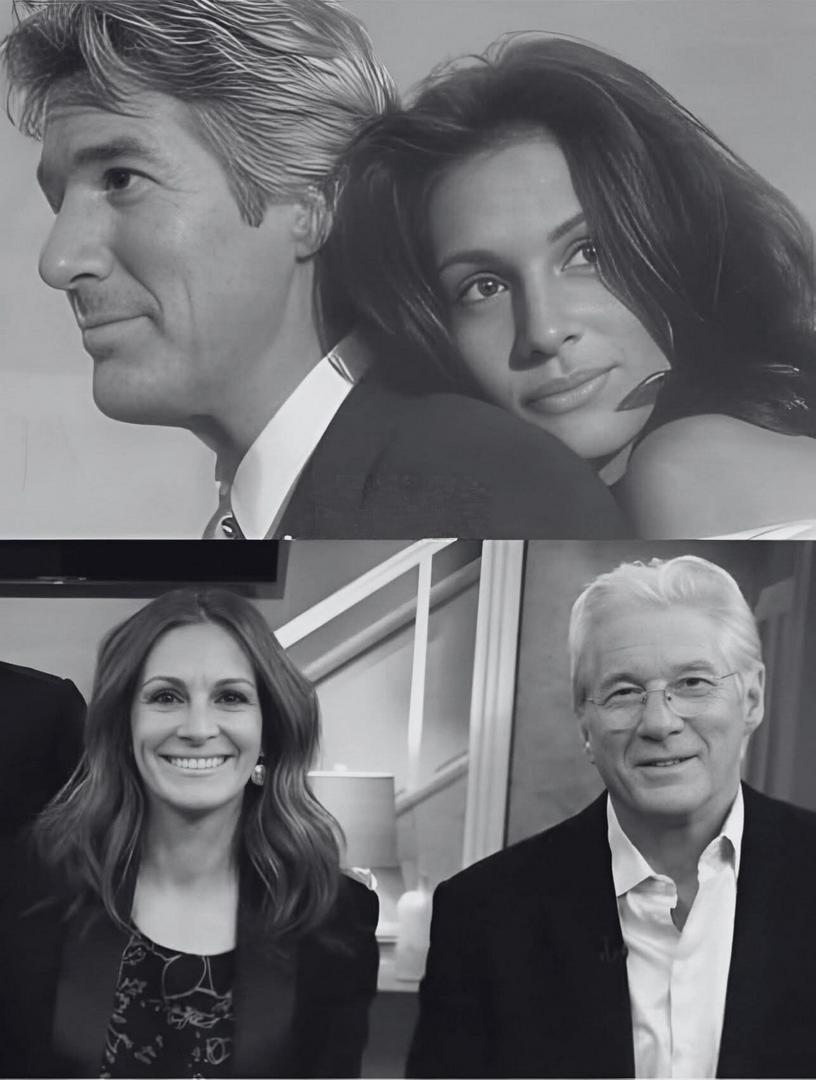
Julia Roberts and Richard Gere in Pretty Woman Interesting Facts Role Reversal: Initially, Richard Gere turned down the role of Edward Lewis multiple times. It wasn't until Julia Roberts convinced him during a meeting that he finally accepted the part. Title Change: The film was originally titled "3000," referencing the amount of money Vivian (Julia Roberts) was paid for the week. The title was changed to "Pretty Woman" after the Roy Orbison song, which became a defining element of the film. Improvised Scene: One of the most iconic scenes in the movie, where Edward snaps the jewelry box on Vivian’s fingers, making her laugh, was improvised. The reaction from Julia Roberts was genuine, and director Garry Marshall loved it so much that he decided to keep it in the film. Casting Julia Roberts: Julia Roberts was not the first choice for the role of Vivian Ward. Many actresses, including Molly Ringwald, Meg Ryan, and Daryl Hannah, turned down the part before Roberts was cast. This role ended up being her breakthrough, catapulting her to stardom. Shoe Scene: The scene where Edward places Vivian's shoe on her foot was Richard Gere’s idea. It was a spur-of-the-moment addition that became one of the film's many memorable moments. Real Chemistry: The chemistry between Roberts and Gere was so strong that it played a significant role in the film’s success. Their on-screen connection was palpable, making the romantic storyline more believable and endearing. Richard Gere’s Piano Performance: Richard Gere actually composed and played the piano piece featured in the hotel scene. This added a personal touch to his character’s portrayal and showcased Gere's musical talent. Iconic Red Dress: The famous red dress worn by Julia Roberts during the opera scene almost didn't happen. The dress was initially designed in black, but costume designer Marilyn Vance decided to change it to red at the last minute, creating one of the most iconic fashion moments in film history. Successful Collabo

Chuck Leonard

In 1978 , my USMC Squadron VMFA 333 was at Marine Corps Air Station Beaufort South Carolina, when the movie The Great Santini was filmed. This movie starring Robert Duvall was based on a novel by Pat Conroy, about a military fighter pilot and his troubles with alcohol addiction. We were allowed to participate as extras in the filming, and I met Robert Duvall and had several beers with him on multiple occasions. He was a fantastic person, and down to earth, unlike most Hollywood airhead celebrity types. Robert Duvall made multiple movies over his 73 years in acting, and he won multiple awards. This evening I just found out that Robert Duvall has passed away at his home in Virginia, and I want to wish his family members my deepest condolences for their loss. There's never going to be another actor quite like Robert Duvall, and it was an amazing honor to have known him both on & off of the movie set. Rest in Peace my friend.

justme

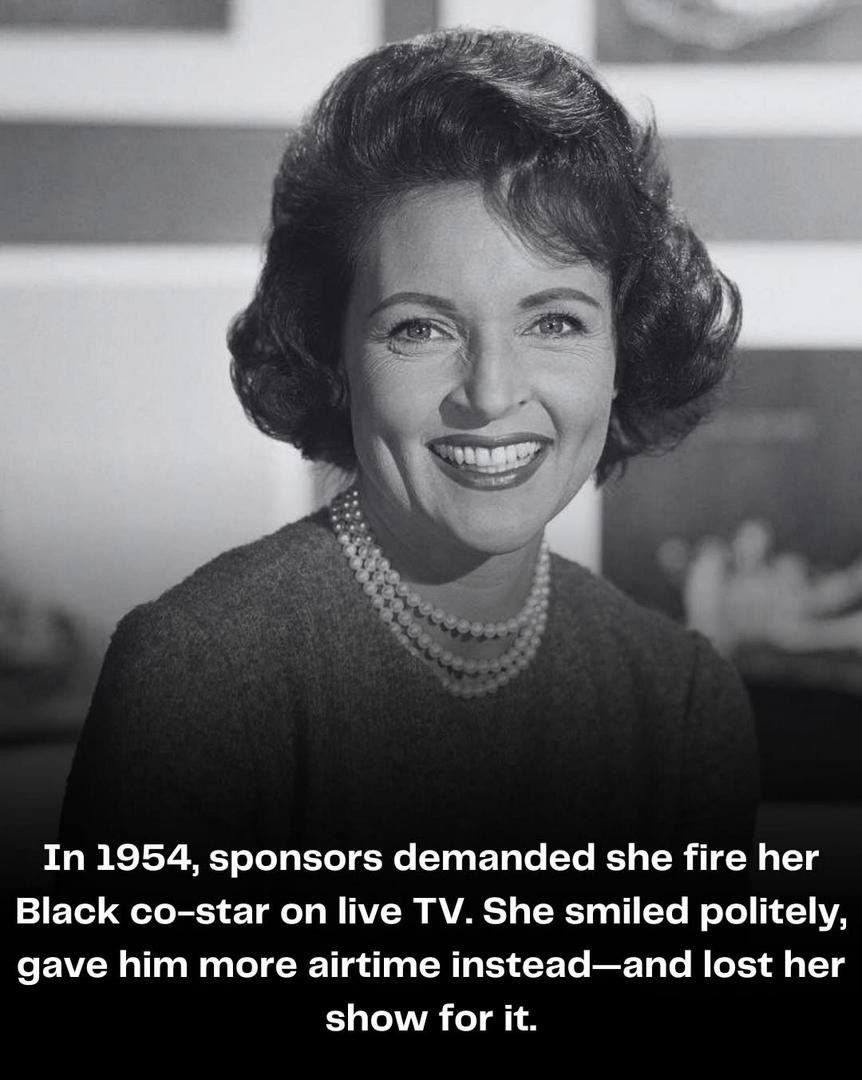
In 1954, sponsors demanded she fire her Black co-star on live TV. She smiled politely, gave him more airtime instead—and lost her show for it. Betty White spent eighty years making America laugh—and just as long dismantling every boundary Hollywood placed in her way. Before she became America's grandmother, before she was the nation's sweetheart, before the memes and the late-career renaissance, Betty White was a 1940s television insurgent doing things women were simply not allowed to do. She wasn't just acting on television. She was writing scripts. Producing segments. Running entire shows. Making creative decisions that were supposed to be reserved exclusively for men. At a time when women weren't welcome in writers' rooms, when female perspectives were considered commercially unviable, when actresses were expected to smile, say their lines, and defer to male authority on every creative question, Betty White controlled her own content. While other actresses waited passively for roles to be offered, Betty built them herself—armed with impeccable comedic timing, sharp intelligence, and a smile that could disarm and devastate in equal measure. Then came 1954, and the moment that revealed exactly who she was beneath the charm. Betty was hosting her own variety program, The Betty White Show, on NBC. It was a daily talk show—live, ambitious, and entirely under her creative control. One of her regular featured performers was Arthur Duncan, a gifted Black tap dancer whose performances lit up the stage every week with genuine joy and extraordinary talent. Then the letters started arriving. Angry viewers—especially from Southern affiliates—demanded Arthur Duncan's immediate removal from the show. They didn't want to see a Black performer featured regularly on their television screens. Sponsors echoed the complaints, threatening to pull advertising support. . #

1776 Patriot

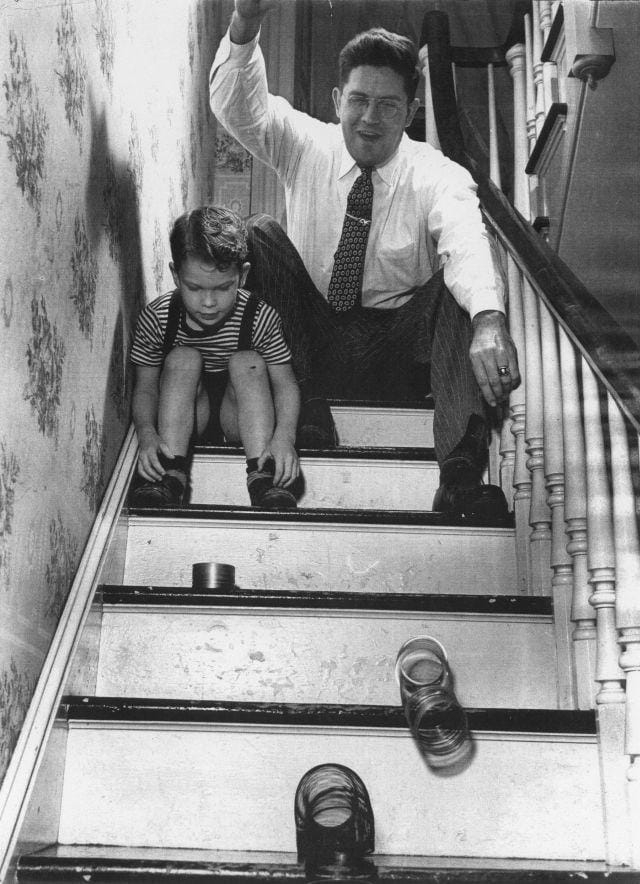
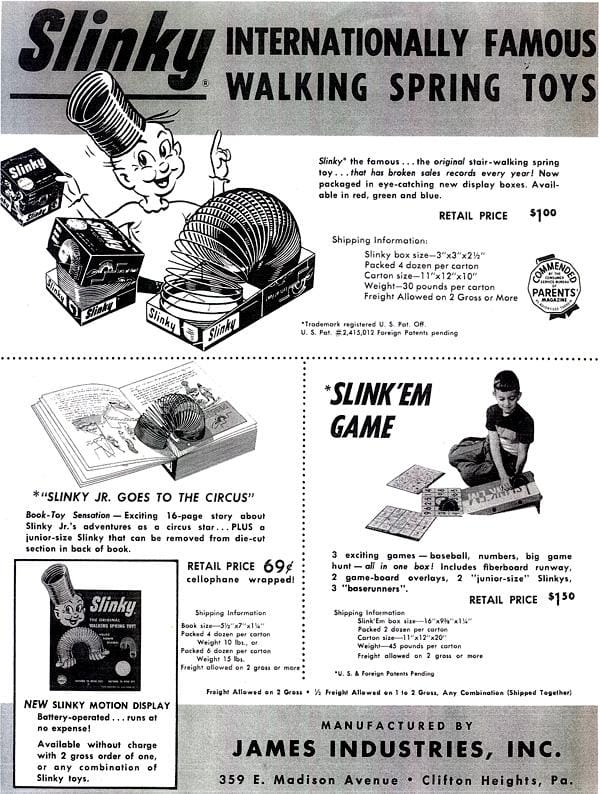
WWII Walking Wonder: The Untold Story of the Slinky In 1943, naval engineer Richard James was working in his Philadelphia workshop on tension springs meant to stabilize sensitive instruments aboard battleships during World War II. While adjusting a spring, it slipped from his hands and “walked” across the floor in a mesmerizing motion. James was astonished. He and his wife, Betty, immediately realized this accidental movement could be the basis for a playful invention. They experimented with dozens of prototypes, measuring how far springs could travel, how many flips they could make, and how quickly they could complete a descent. After testing hundreds of coils, they determined that a spring 2.5 inches in diameter made from high-grade Swedish steel produced the most consistent walking effect. Slight variations in coil thickness, tension, and length drastically changed the motion, and only about 2% of springs tested achieved the ideal “walk.” The war influenced materials and timing: steel was rationed, making their carefully sourced Swedish steel highly valuable, and small-scale production required meticulous hand-winding and testing. Post-war America’s shift to consumer goods in 1945 created the perfect market moment, allowing the Jameses to bring their invention to stores. Each original Slinky sold for $1, equivalent to roughly $17 today. Finally, they revealed the creation to the public: at Gimbels department store in Philadelphia, 400 units were displayed, and all sold within 90 minutes. By the early 1950s, Slinky was sold in over 30,000 stores nationwide, and more than 50 million units were purchased by 1960. Today, over 300 million Slinkys are sold annually worldwide, including metal, plastic, glow-in-the-dark, and themed editions like Disney and Star Wars. The toy also serves as an educational tool, demonstrating wave motion, gravity, and momentum in classrooms across the globe. #WWII #WWIIHistory #USHistory #History #America #USA #Military #Toys

Jerry_Brege

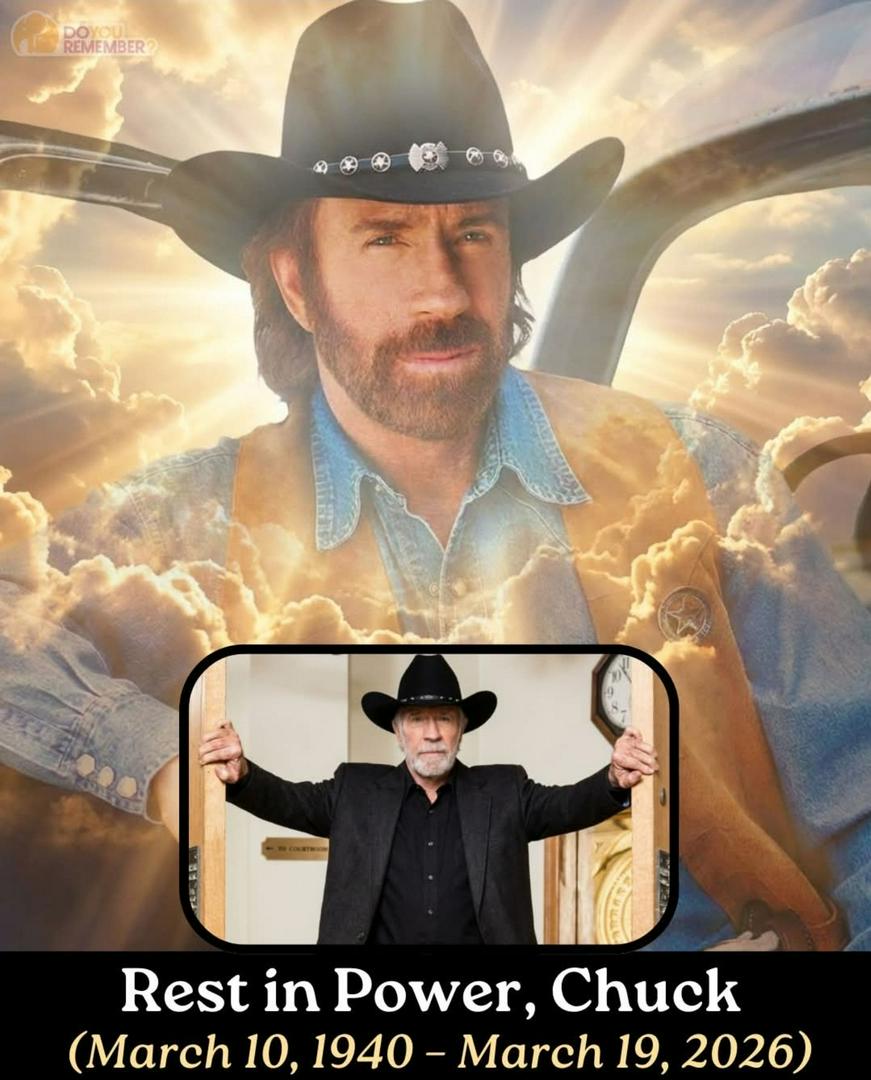
We're saddened to report the passing of an icon... Chuck Norris. It’s a heavy day for fans as the news comes in that we’ve lost the ultimate tough guy, Chuck Norris, who passed away at the age of 86. It feels like we’ve lost a real-life superhero who somehow bridged the gap between being a world-class martial arts champion and the most reliable hero on our TV screens every week. Whether you first saw him facing off against Bruce Lee in the Colosseum or you spent your Saturday nights watching him keep the peace as Cordell Walker, there was just something about his quiet strength that made you feel like everything was going to be okay as long as Chuck was on the case. He was so much more than just a screen icon, too. He was a six-time undefeated world karate champion who literally founded his own style of martial arts, and he never lost that discipline even as he became one of the biggest action stars in history. And honestly, who could forget the "Chuck Norris Facts" that took over the internet? He was such a good sport about all of it, leaning into the idea that he was this invincible force who could "slam a revolving door" or "count to infinity—twice." It showed he had a great sense of humor to match those legendary roundhouse kicks. He also put so much of that energy back into the world through his Kickstart Kids program, helping thousands of youngsters find their own strength and discipline. He really lived a life of purpose, and he leaves behind a legacy that is just as tough and enduring as he was. "A lot of people give up just when they're about to make it. You never know when the next obstacle will be the last one." — Chuck Norris 😥 He might be gone, but the legend of Chuck Norris is definitely going to live on forever in every movie marathon and every "fact" we share. What's your favorite memory of the man? Is it a classic fight scene from the movies, a life lesson from Walker, or maybe just your favorite "Chuck Norris Fact" that always makes you laugh?

justme

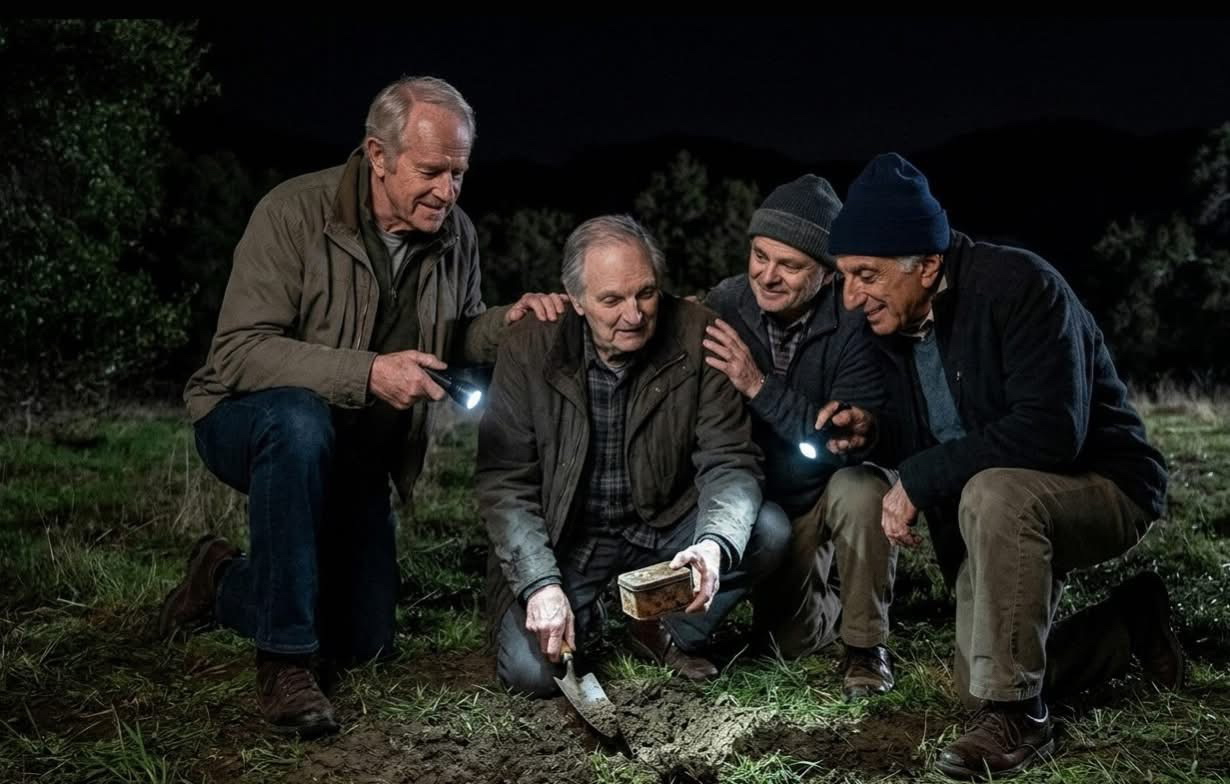
At 2:30 AM, Alan Alda Called Mike Farrell — Four Old MAS*H Brothers Drove Into The Night To Keep A 40-Year Promise Last Tuesday. 2:30 in the morning. Alan Alda couldn’t sleep. The Parkinson’s tremors were worse that night. But something else felt wrong. His memories were slipping. In the darkness of his New Jersey home, Alan suddenly felt like he wasn’t in 2026 anymore. He was back in 1983. Back at Malibu Creek State Park. The final day of filming MASH*. The day the cast said goodbye. The day they buried a small tin box beneath the Swamp tent — filled with messages to each other. Alan could remember the dirt. He could remember the laughter. But he couldn’t remember what the notes said. Panicked, he grabbed his phone and called the one man who always knew how to find him. Mike Farrell. The phone rang in the silence of the night. Mike answered, groggy. “Alan? Is everything alright?” There was a long pause. Then Alan whispered, “Mike… did we forget the promise we made under the Swamp?” Mike sat up immediately. He had forgotten. Forty years had passed. Many of their brothers were gone now. Wayne Rogers. Harry Morgan. Larry Linville. McLean Stevenson. But the promise… was still buried somewhere in Malibu. Mike didn’t tell Alan he was confused. He heard the tremble in his friend’s voice. And he knew exactly what Alan needed. So he got into his car. And drove. First stop: Jamie Farr. Second stop: Gary Burghoff. By 4:00 AM, four old men stood quietly in Malibu Creek State Park. No cameras. No directors. No audience. Just four friends returning to where the 4077th once stood. They walked to the place where the Swamp tent used to be. Alan knelt down slowly. His hands trembled as he pushed a small garden trowel into the cold dirt. Mike, Jamie, and Gary stood beside him holding flashlights. Just like they had decades earlier.