At 13, she was doing cocaine in nightclub bathrooms.
At 14, she legally divorced her own mother
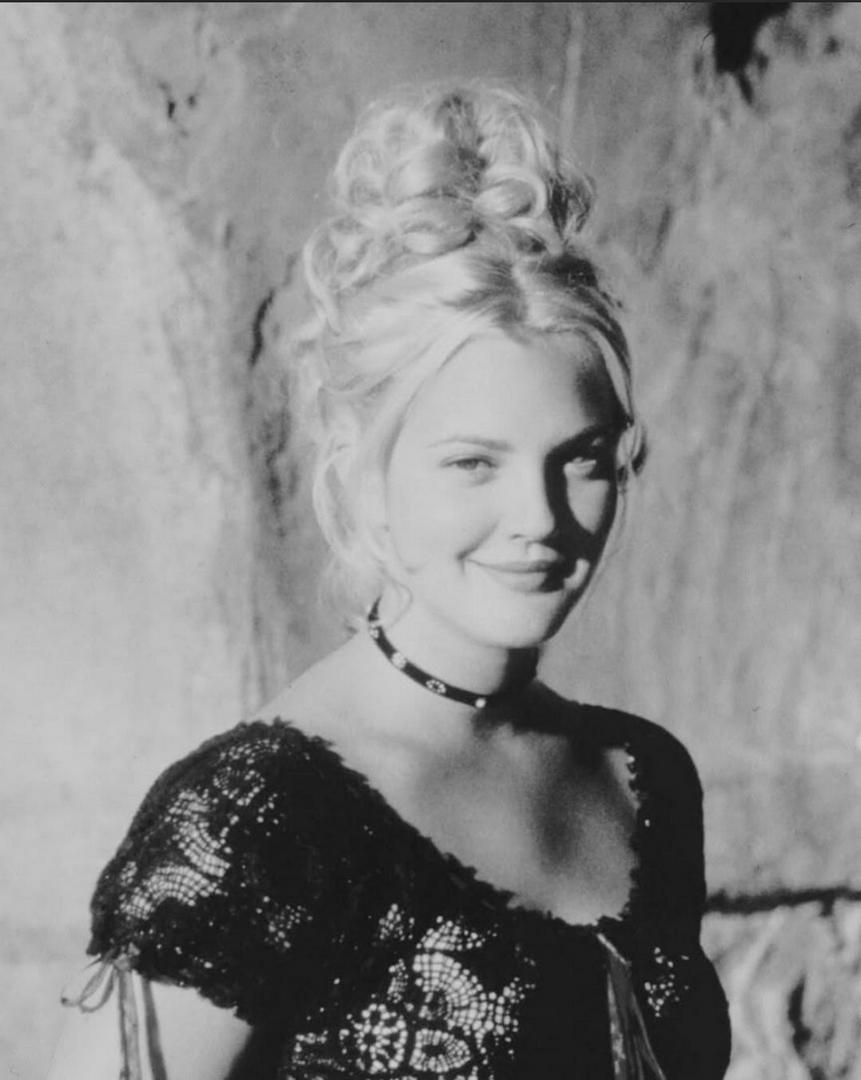
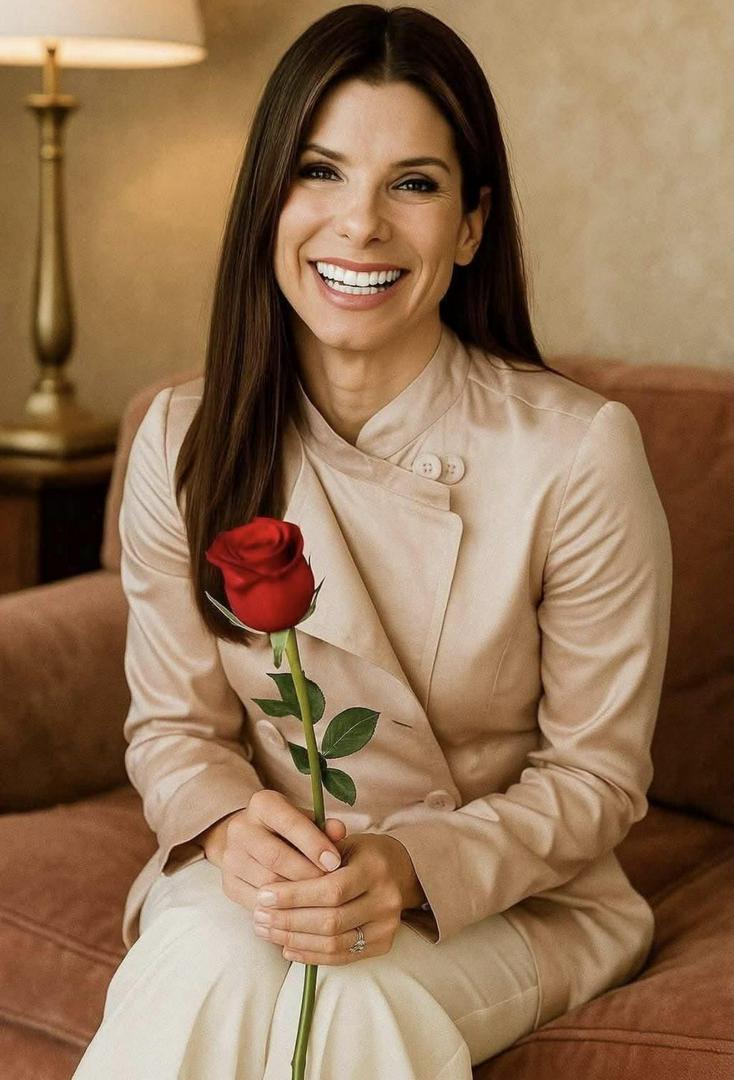
This is the story of Drew Barrymore.
We all remember her as the wide-eved little girl from E.T. the Extra-Terrestrial. America's sweetheart at seven years old
But off-camera, her childhood was already over.
Born into Hollywood royalty, Drew inheritec a legacy of addiction and dysfunction. Her father vanished. Her mother, a struggling actress. saw Drew's fame as her own second chance
She didn't protect her daughter She took her to Studio 54 at nine years old
By nine, Drew was drinkingBy ten, smoking marijuana. By twelve, using cocaine.
"I didn't have parents,' Drew said. "I had enablers with checkbooks."
By thirteen, she was a full-blown addict That's when she was sent to a locked psychiatric institution for 18 months
Most would see that as a punishment. Drew calls it what it was: "It saved my life."
At fourteen, she made a stunning legal move: She emancipated herself from her mother.
A fourteen-year-old, living alone in L.A., legally responsible for herself
Hollywood wrote her off. A former child star with a public addiction history? Studios wouldn't touch her So she worked odd iobs. She auditioned endlesslv. She refused to vanish.
Her comeback started small. Then came The Wedding Singer' in 1998. America fell in love with her all over again-this time as a funny, warm, resilient adult
But Drew didn't just want to act. She wanted control.
At 20, she co-founded her own production company, Flower Films. By 2000, she was producing and starring in 'Charlie's Angels. She built an empire
She transformed from a Hollywood cautionary tale into one of its most powerful women.
"1 used to be the girl parents warned their kids about'" she savs. "Now I'm the woman helping them talk about it."She's been brutally honest about her past- the addiction, the institution, the fight tc survive. She doesn't hide her story. She owns it. And that honesty is why